






















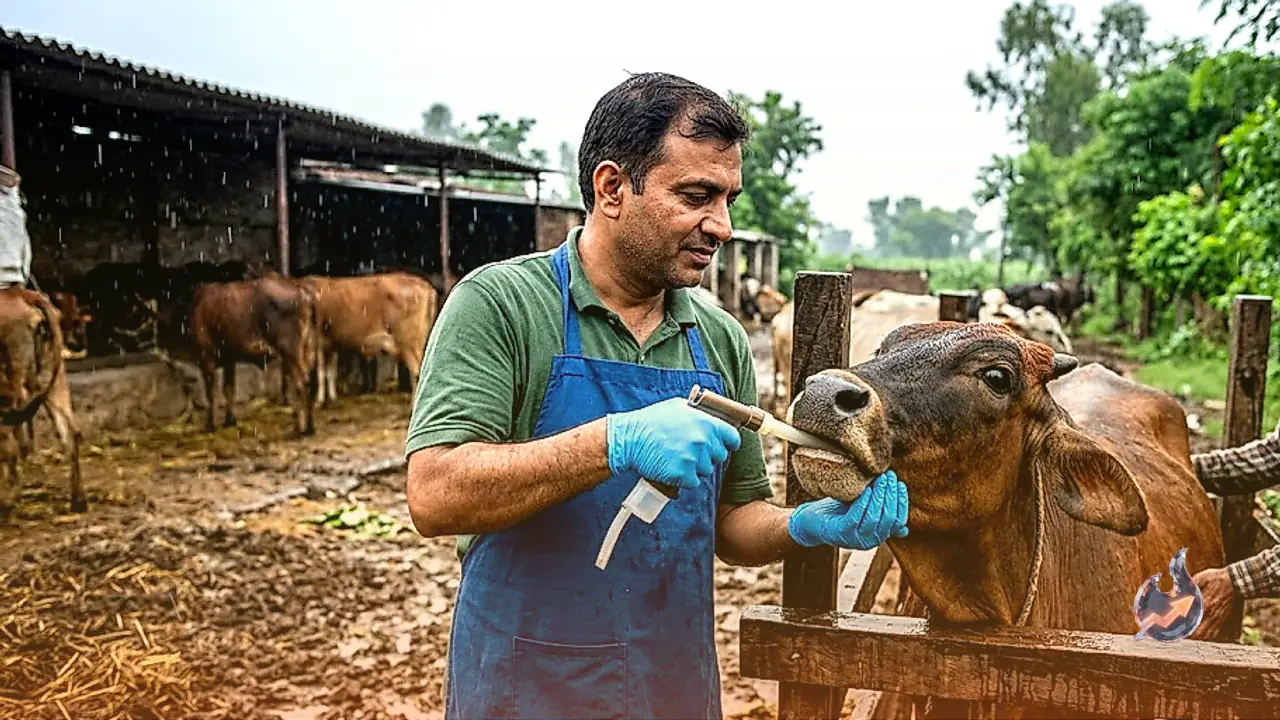

Increased humidity and moisture during the monsoon season create ideal conditions for parasitic infections in livestock, with tapeworm infestation posing a major threat to cattle health. According to veterinarian Dr. Javed, once the tapeworm enters an animal's body, it begins consuming the vital nutrients derived from the animal's feed. This nutrient deprivation causes the animal to grow progressively weaker and leads to severe digestive disorders. If neglected, livestock owners may face a sharp decline in milk yield and substantial economic losses. Taking preventive measures and providing timely care during the rainy season is essential to maintaining animal health and productivity.
Key Symptoms of Tapeworm Infestation in Cattle
When tapeworms settle inside an animal's digestive tract, several distinct physical symptoms begin to manifest. Infected cattle frequently suffer from chronic diarrhea, which rapidly depletes body fluids and essential minerals. In addition, affected animals experience noticeable weight loss, and their overall physical condition deteriorates. Milking cattle exhibit a sudden and significant drop in daily milk production. In many cases, the animal's skin becomes dull, dry, or affected by dermatological issues. If an animal appears lethargic and stops feeding properly, it often indicates the presence of a parasitic infection requiring prompt attention.
Why Tapeworm Infections Are Particularly Dangerous for Calves
Dr. Javed emphasized that tapeworm infections exert a far more damaging and potentially fatal impact on young calves compared to adult cattle. When calves contract the parasite, their physical growth and overall development can be severely hampered. Infected calves look visibly frail and physically exhausted. Alongside continuous diarrhea, they may develop abnormal swelling around the throat or abdominal area. If the infection intensifies without receiving timely medical intervention, the calf's health condition can turn critical. In severe circumstances, the parasite can cause fatal complications in young calves, making early diagnosis crucial.
Sanitation in Cattle Sheds and Feeding Precautions
Maintaining high standards of cleanliness in cattle sheds is the most effective defense against parasitic outbreaks. Dr. Javed advises cattle owners to avoid tethering animals in damp, dirty, or muddy environments during the rainy period. Proper drainage must be ensured within the shed to prevent waterlogging, and the living area should be kept clean and dry at all times. Feeding troughs and water containers require daily washing and sanitation. Farmers must avoid offering contaminated grass or damp fodder that might carry parasite larvae. Fresh feed and clean drinking water should always be stored in dry, hygienic locations.
Deworming Regimen and Veterinary Guidance
Administering anti-parasitic deworming medication at regular intervals is vital for safeguarding livestock from tapeworms. According to veterinary guidelines, adult cows should receive deworming treatments every six months. In contrast, young calves up to six months of age require monthly deworming doses to protect their developing digestive systems. However, farmers should never administer medications without expert guidance. The precise dosage and specific type of deworming medicine must always be prescribed by a qualified veterinarian based on the animal's age, weight, and general health condition. Immediate veterinary care should be sought as soon as any symptoms appear.