

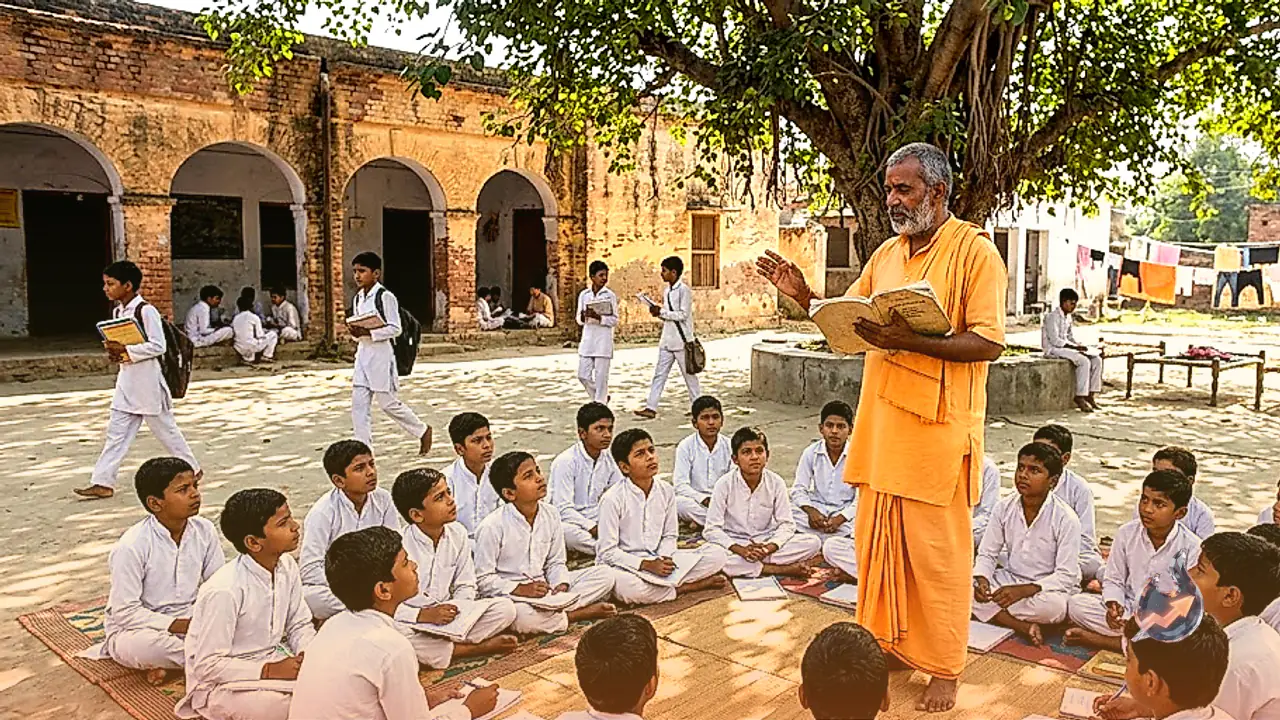


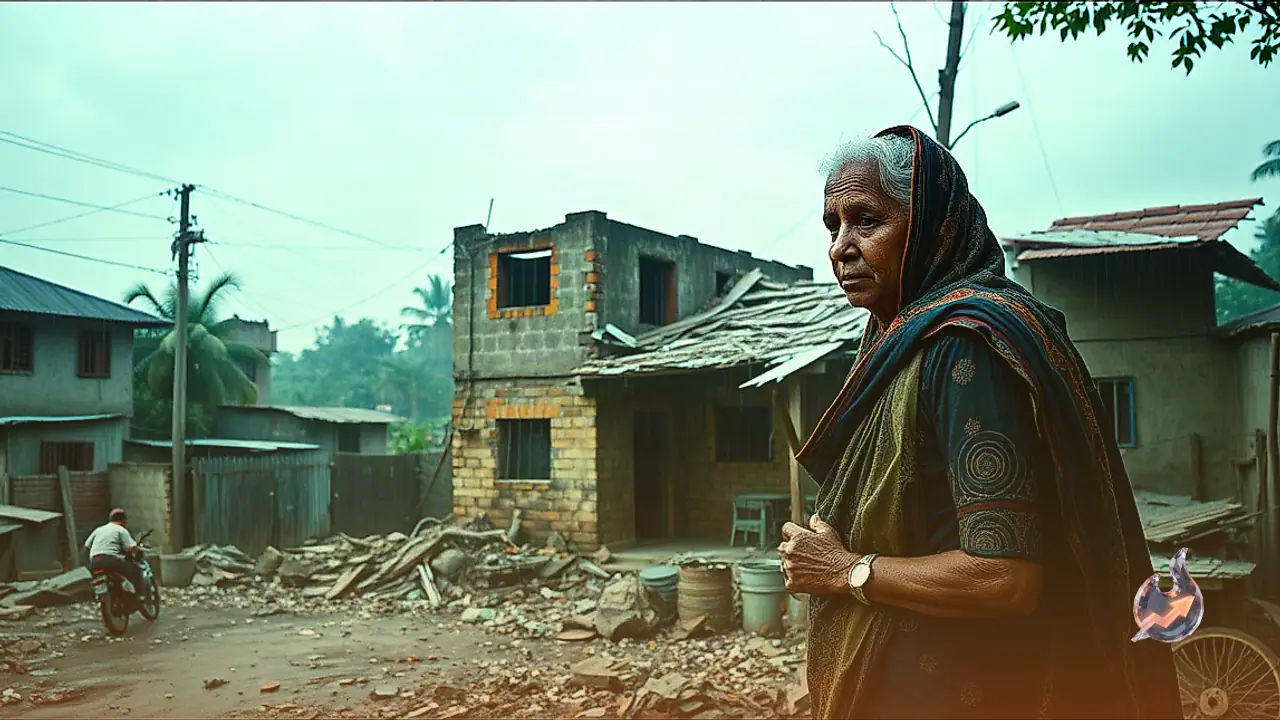















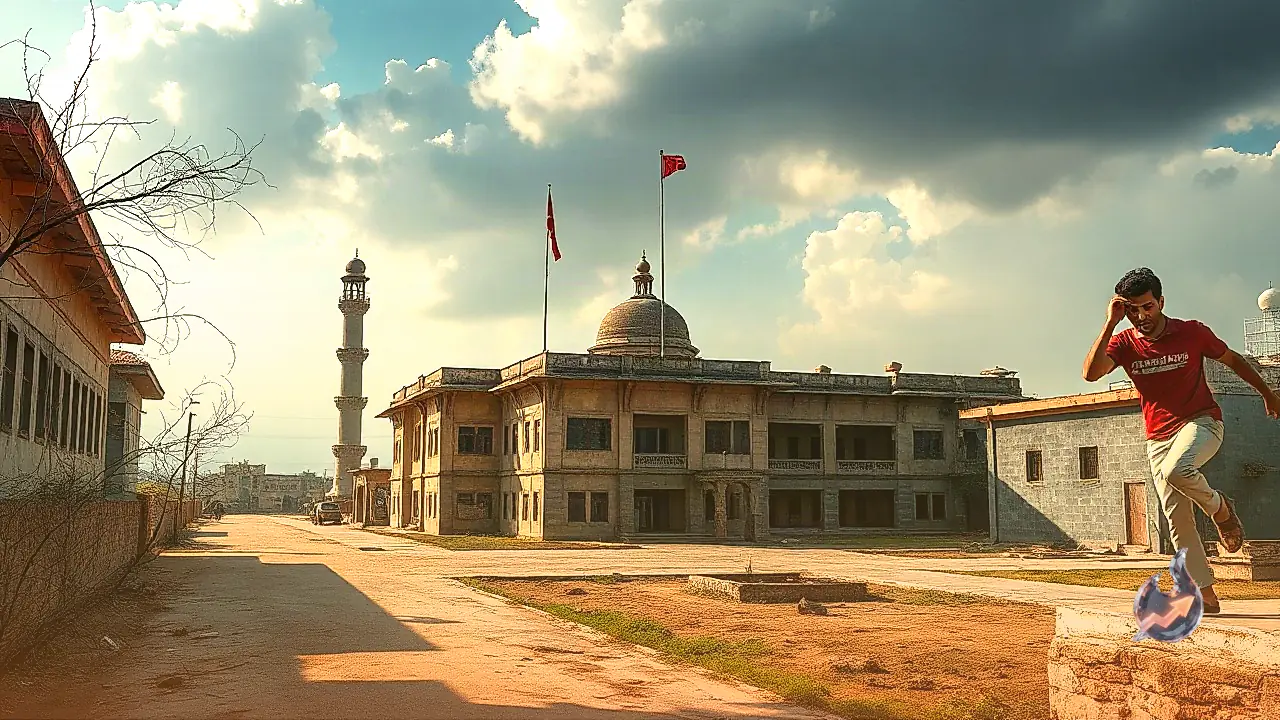

A grim reality of government educational institutions in Rajasthan has come to light inside the state assembly. The state administration has officially admitted that 611 government schools across the region are operating without any proper building of their own. This alarming total includes 10 separate girls' schools. Furthermore, out of the state-run schools that do possess physical structures, thousands still lack basic amenities like drinking water and functional toilets for students. These statistics are based on the UDISE data for the academic year 2025-26 under the Samagra Shiksha Abhiyan. The information was disclosed in a written reply provided by the government to a question raised by Leader of Opposition Tika Ram Juli. Focusing on the capital city itself, 38 government schools in Jaipur are functioning without any buildings, giving a clear hint of how severe the conditions must be in remote districts and rural pockets.
From Jhalawar to Jaipur, Schools Operating Without Roofs
According to official documents, Jhalawar tops the list when it comes to the highest concentration of schools running without buildings. Within Jhalawar, the Aklera block has 23, Khanpur has 16, and Jhalrapatan has 11 such schools imparting education without any permanent structure. Additionally, the Bap area in Phalodi houses 11, and Choti Sarwan in Banswara has 10 shelterless schools. Among the 10 girls' schools lacking buildings, two are located in Jaipur and one each in Alwar, Barmer, Churu, Dungarpur, Karauli, Kota, and Rajsamand. This entire issue has surfaced during a period when inspection drives targeting government schools are being conducted. Recently, a team heading to inspect a government school near Bagru in Jaipur during such an initiative was allegedly attacked following complaints that the institution was being run inside a cow shelter.
Severe Shortages of Drinking Water and Toilets
Alongside the lack of physical structures, a massive deficit of basic infrastructure plagues these schools. Among the 64,484 government schools that do have buildings, 2,047 institutions completely lack toilet facilities. Banswara leads the chart for toilet shortages with 188 schools, followed by Dungarpur with 124 and Udaipur with 98 schools lacking restrooms. Bikaner with 84, Jhalawar with 81, and Jaisalmer with 79 schools also feature prominently on this list. The situation regarding drinking water is equally concerning. Dausa tops the chart with 96 schools lacking clean drinking water, followed by Udaipur with 70, Alwar with 65, Karauli with 60, and Banswara with 58 schools where water facilities are absent.
Government Financial Outlays and Opposition Pushback
To address these fundamental shortcomings in the education system, the administration has announced major financial allocations. Officials stated that 550 billion rupees are being spent on the repair and renovation of existing schools. Moreover, a separate provision of 450 billion rupees has been set aside to construct new buildings for shelterless schools and those operating from dilapidated structures. According to the government plan, an amount of 2,500 billion rupees annually and a total of 12,500 billion rupees over five years will be made available for new construction, repairs, and maintenance of worn-out school buildings ranging from primary to higher secondary levels. This massive capital will be mobilized through diverse sources including the District Mineral Foundation Trust, Samagra Shiksha, state funds, VB-G Ram-G, MP and MLA local area development funds, SDRF, and CSR. The administration emphasized that providing proper buildings and toilets in government schools remains one of its highest priorities.
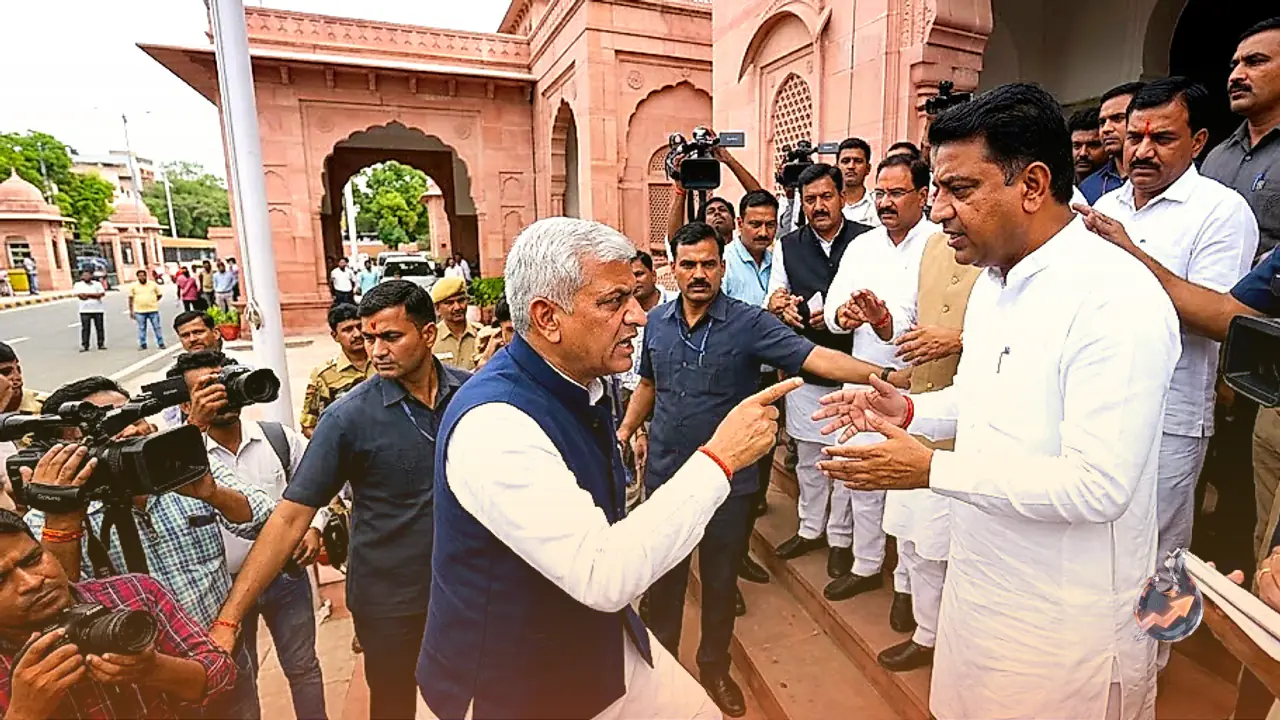
Despite these official assurances, the opposition has raised sharp questions regarding the claims. Leader of Opposition Tika Ram Juli cited audit findings from the previous year, alleging that 3,768 government schools in the state have been officially declared completely dilapidated and unsafe for use. He stated that the closure or relocation of such compromised schools has negatively impacted student enrollments. Furthermore, Juli claimed that as many as 83,783 individual school classrooms are also entirely ruined and unsafe for students.