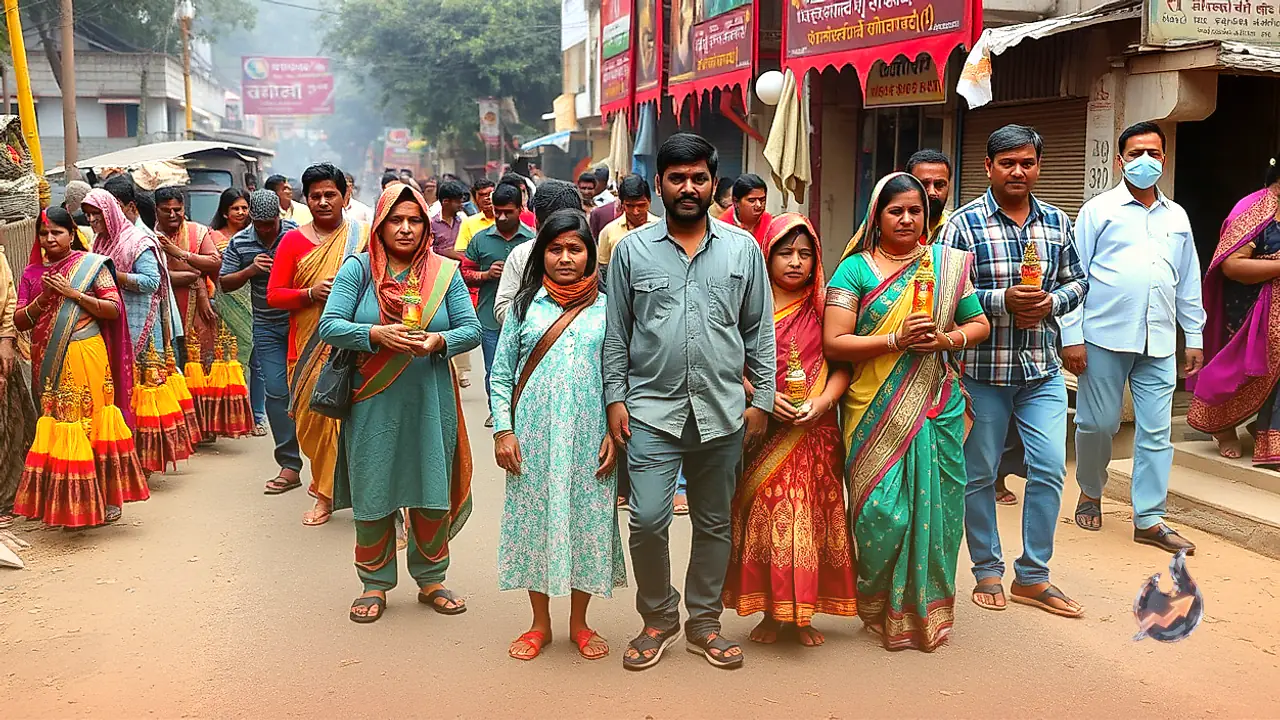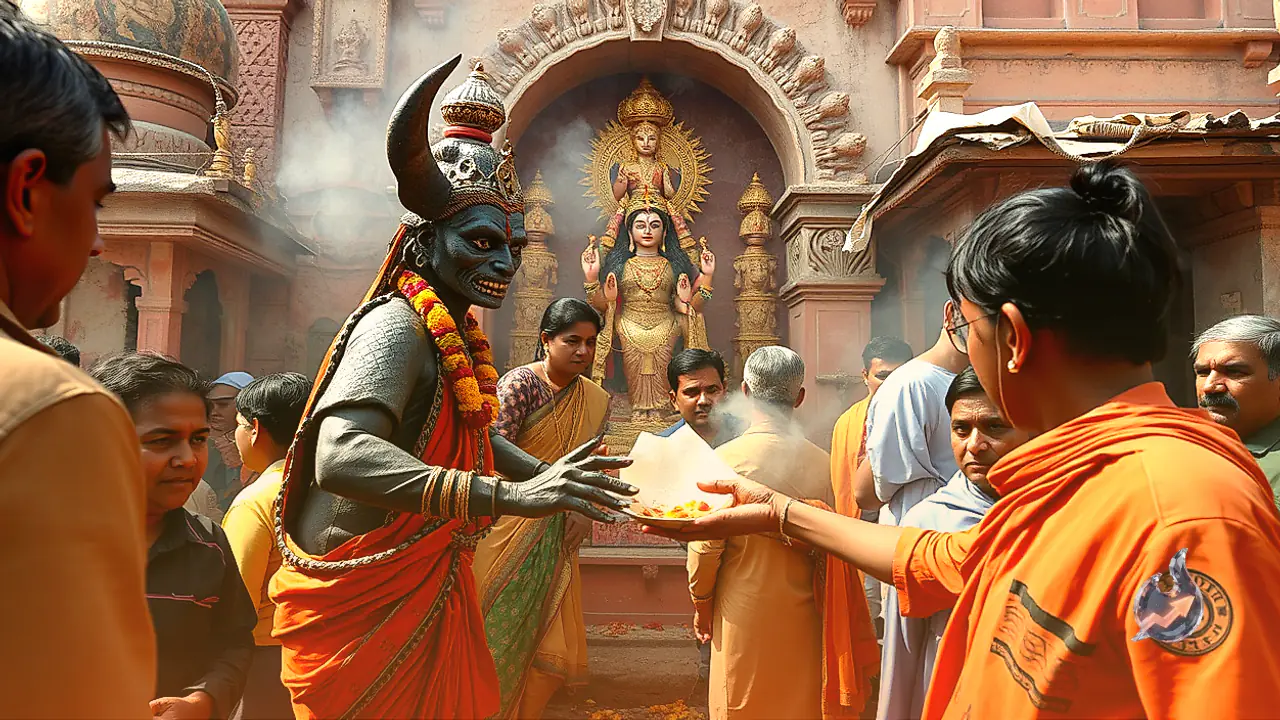



















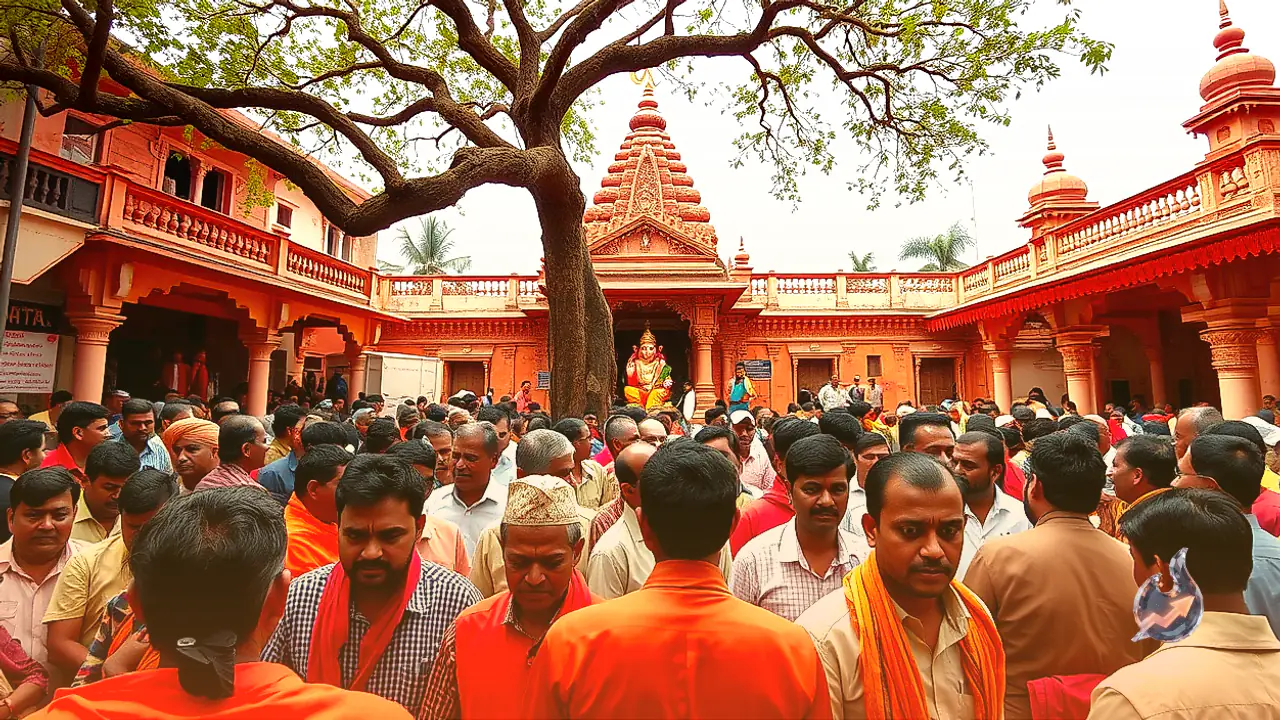

Kota, renowned across the country as Rajasthan's premier coaching hub, also harbors deeply rooted spiritual traditions that draw massive public faith. Located in the well-known Dadabari locality of the city, the nearly 100-year-old Siddhi Vinayak temple serves as a focal point of prayer for thousands. Popularly and affectionately referred to as the 'AC Wale Ganesh Ji' temple by regular visitors and local residents, this sacred place is famous for a unique petitioning practice that sets it apart from conventional shrines across the state.
The Sacred Dhobda Tree and Divine Seat of Lord Ganesha
The defining element of this historical shrine is a venerable Dhobda tree standing gracefully inside the temple premises. According to local religious belief, the supreme remover of obstacles, Lord Ganesha, personally resides within this ancient tree. Devotees revere the trunk and canopy of the Dhobda tree as the direct throne of the deity. Kamal Kant Gautam, the head priest of the temple, observes that worshippers maintain an extraordinarily personal and deep connection with the holy tree. People from all walks of life arrive at the shrine dealing with career anxieties, personal struggles, and long-standing familial challenges, placing their ultimate faith beneath the branches of this sacred tree.
The Unique Ritual: Red Ink Notes and Holy Sacred Threads
The customary practice of submitting a wish before the deity follows a precise and solemn custom. Devotees arriving at the courtyard sit peacefully and write down their specific prayers, desires, or life problems onto a plain sheet of paper using only red ink. After holding the letter with both hands and focusing their thoughts upon Lord Ganesha in silent meditation, they take a piece of laccha, also known as mauli or sacred ritual thread. The handwritten note is then carefully tied onto the rear section of the Dhobda tree trunk with devotion. The longstanding religious conviction holds that petitions tied with sacred thread reach the deity directly, clearing long-standing obstacles from the lives of genuine believers.
Student Aspirations, Public Service Careers, and Life Milestones
Given Kota's distinct status as an academic city filled with nationwide aspirants, a vast segment of visitors consists of students preparing for rigorous competitive exams. Countless success accounts and miraculous turns of fortune are linked by devotees to the sacred tree. Many worshippers firmly recount that petitions tied to the Dhobda branches paved the way for dreams that had remained out of reach for years. Young candidates have achieved selection in various government departments, while others have successfully secured roles as doctors, engineers, police officials, school teachers, and top-ranking administrative civil servants. The shrine is equally visited by people seeking an end to marriage delays, growth in commercial trade, enhanced academic concentration for young children, and the blessing of having offspring.
Gratitude Traditions: Community Feasts and Temple Offerings
Whenever an aspirant passes an exam or a family sees their long-held prayer answered, they make a dedicated return visit to the sanctuary to offer thanks. Believers celebrate the fulfillment of their wishes by sponsoring special devotional meals, known as rasoi, and offering consecrated bhog for wide distribution among pilgrims. Others express their enduring reverence through financial offerings and gifts dedicated to maintaining the sanctuary. Nearing a full century of history, this Dadabari shrine continues to stand as a beacon of inner peace, unwavering confidence, and optimism for pilgrims arriving from every direction.