





















The southwest monsoon has entered its concluding phase across Rajasthan, with the withdrawal process now underway across large parts of the state. According to the latest assessments released by Meteorological Centre Jaipur, completely dry weather is anticipated across the territory on September 23, 2026. The departure of rain-bearing clouds has triggered a direct surge in mercury levels across western Rajasthan, forcing residents to once again grapple with bright sunshine, elevated daytime temperatures, and muggy conditions.
Monsoon Departs Several Districts
The second stage of the monsoon withdrawal is moving rapidly across the state. Official records documented up to September 22 establish that the monsoon has completely receded from the entire Bikaner division. Additionally, the withdrawal line has progressed through Jhunjhunu district, alongside several sectors of Sikar and Nagaur. Meteorologists note that prevailing atmospheric conditions remain thoroughly supportive for the system to vacate the remaining parts of Rajasthan over the next 2 to 3 days.
Statewide Dry Conditions on September 23
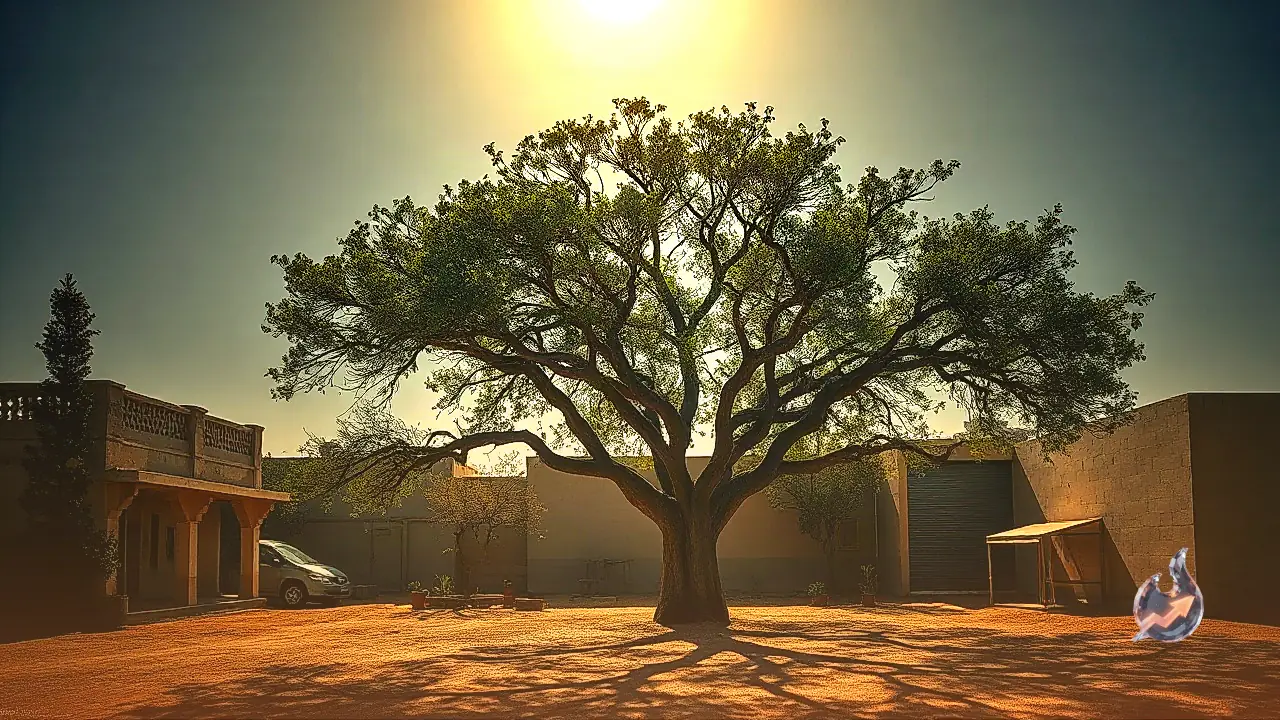
Atmospheric stability will dominate across Rajasthan on September 23, 2026, leaving skies clear and rain-free. Based on satellite analysis and operational charts, authorities have placed the entire state under a no-warning status, with zero alerts issued for rain, squalls, or lightning strikes across all districts.
Across western Rajasthan, encompassing the vast arid zones of Jodhpur and Bikaner divisions, dry weather is forecast to persist uninterrupted over the next 6 to 7 days. Continuous direct insolation is expected to keep daytime heat and humidity levels high across these desert pockets. In eastern Rajasthan, predominantly dry and clear weather will hold firm for the next 3 to 4 days. However, due to developing localized weather configurations, the possibility of brief spells of light rainfall cannot be ruled out at select locations within Kota and Bharatpur divisions around September 26.
Jaisalmer Touches 40.5C as Western Plains Heat Up
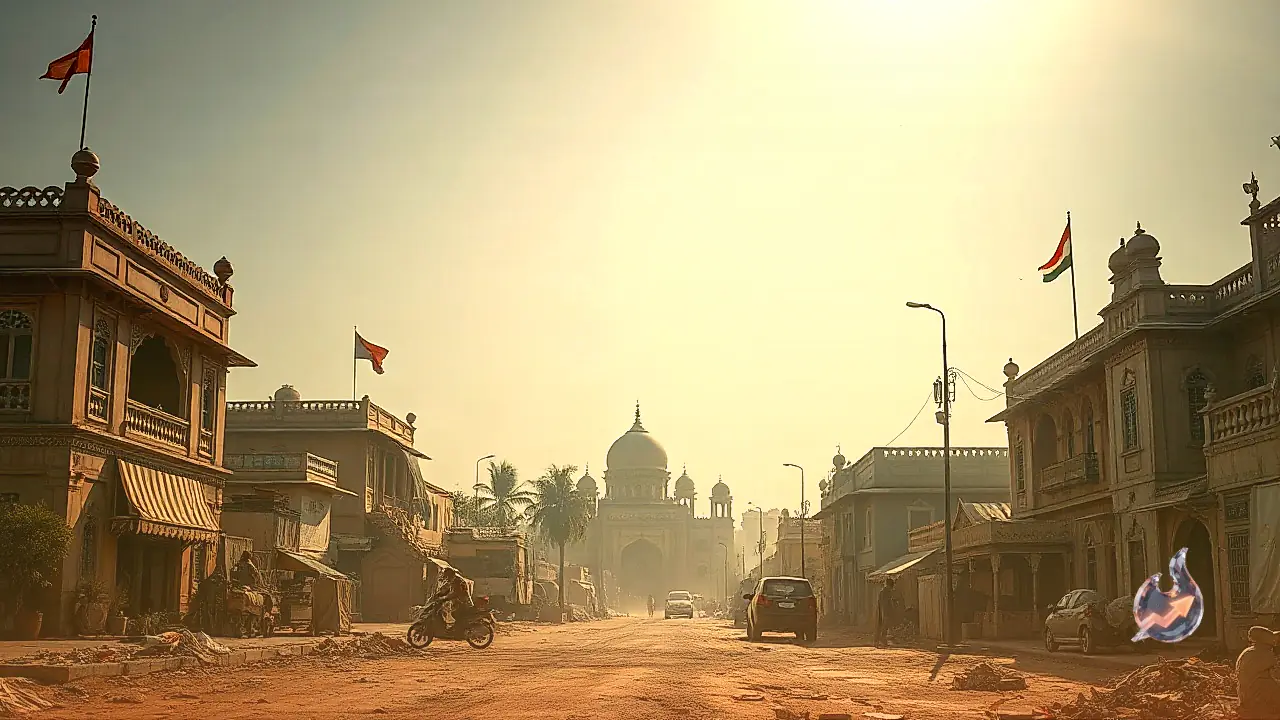
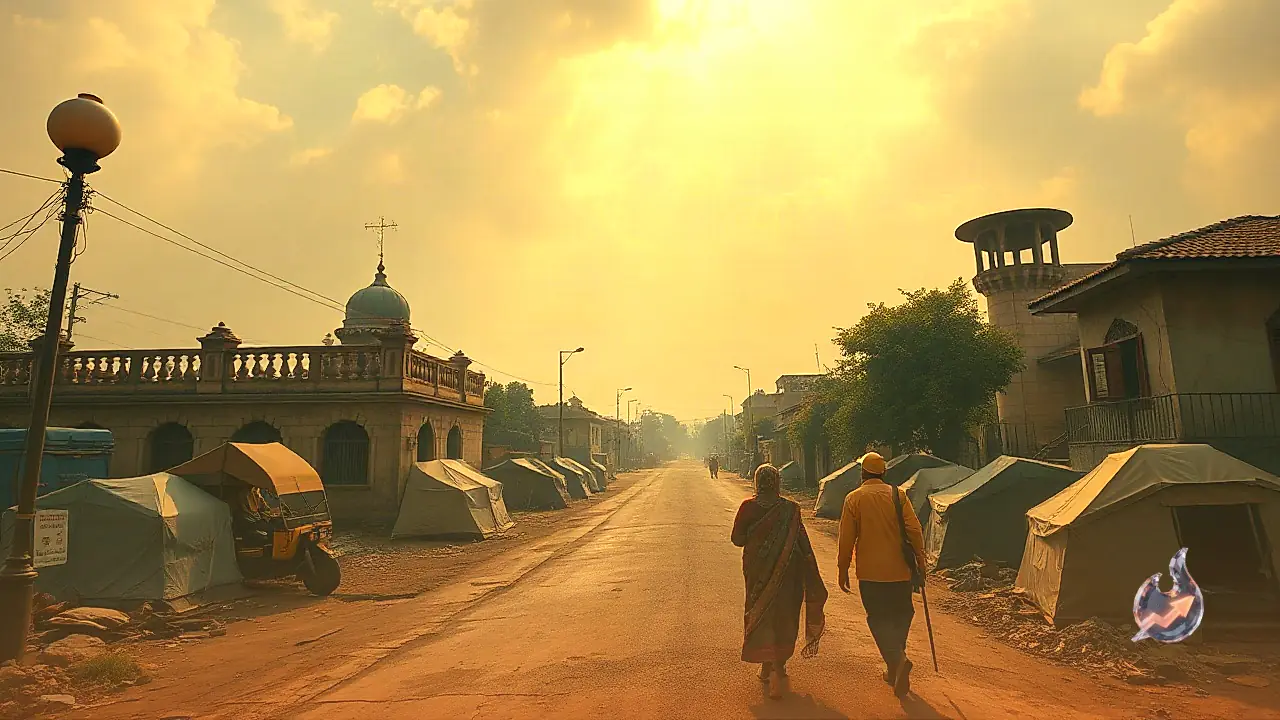
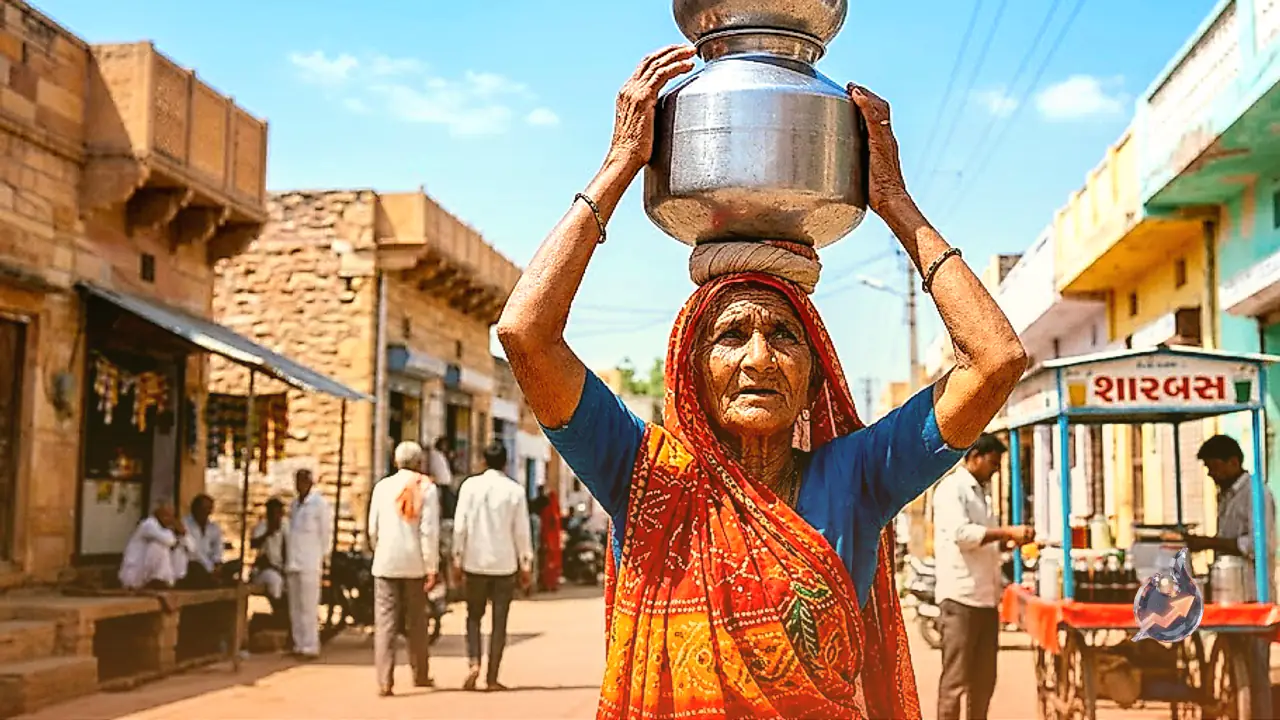
With rainfall coming to an abrupt halt, daytime temperatures in the desert fringe have escalated steeply. Jaisalmer ranked as the hottest location in the state for the second consecutive day, clocking a peak maximum temperature of 40.5 degrees Celsius on Monday, an observation noticeably higher than seasonal normals. Close behind, Barmer registered an afternoon peak of 39.5 degrees Celsius. Across most districts belonging to Jodhpur and Bikaner divisions, daytime readings are currently fluctuating within the 36 to 40 degrees Celsius band.
In sharp contrast to the blistering afternoon heat, nighttime conditions have begun offering early autumn respite. The hill station of Mount Abu in Sirohi district recorded the lowest minimum temperature in Rajasthan at 18.7 degrees Celsius. This has introduced crisp morning and late evening conditions, offering relief from the prevailing daytime warmth.
Minimal Rainfall Recorded Over Past 24 Hours
Over the preceding 24-hour cycle, completely dry conditions prevailed across almost the entirety of Rajasthan. Precipitation was restricted to scattered, brief showers in a handful of southeastern and southern pockets, namely Salumber, Udaipur, Banswara, and Jhalawar. Among these, the highest rainfall was measured in Salumber district at 10 millimeters, whereas remaining divisions stayed entirely dry despite intermittent cloud cover.
Outlook Ahead and Guidance for Farmers
No widespread rain activity is expected over the next 3 to 4 days across Rajasthan. Clear skies and unimpeded solar heating may drive maximum daytime temperatures up by another 1 to 2 degrees Celsius. Agricultural specialists emphasize that the dry stretch accompanied by monsoon departure creates ideal conditions for the maturation and harvesting of standing kharif crops. Farmers are advised to capitalize on these stable weather conditions to accelerate harvesting, threshing, and secure crop storage operations without delay.