



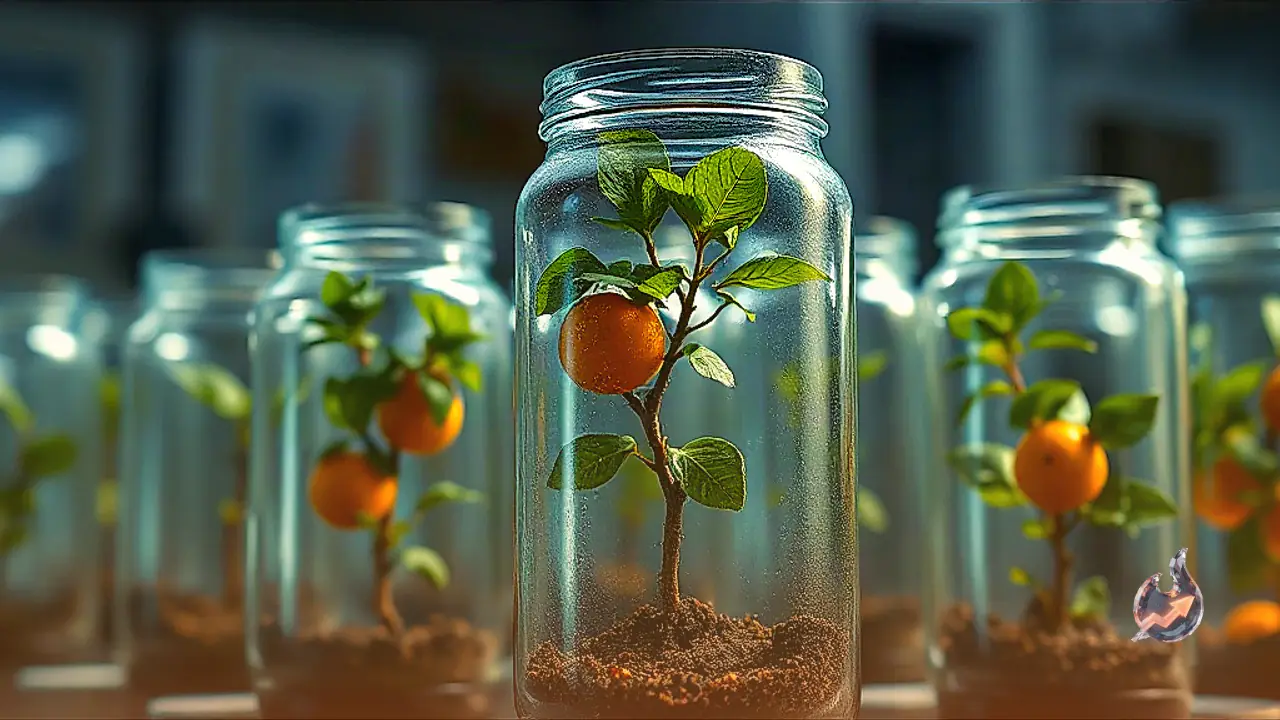


















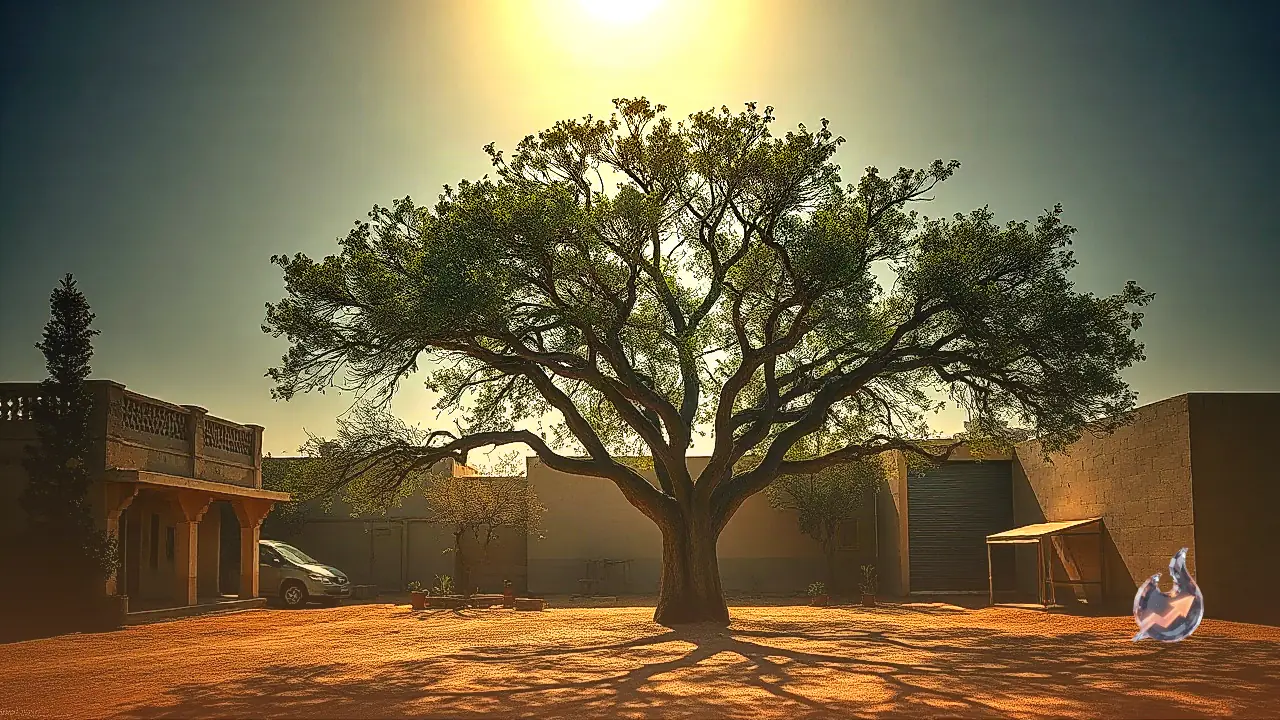

In the arid landscape of Barmer, where extreme weather usually limits agricultural variety, a commercial timber experiment is drawing significant attention. A mahogany sapling planted in the Ratanada area has successfully adapted to scorching summer conditions where temperatures frequently touch 50 degrees Celsius. Over three years of dedicated care, the tree has grown between 12 and 15 feet tall, proving that high-value commercial timber can establish roots even within a harsh desert environment. Purchased for an initial expense of just 200 rupees, the tree represents a lucrative future harvest, prompting local observers to refer to it as a living cash tree.
The Ratanada Temple Initiative
Sustaining verdant plantation in a desert terrain is traditionally considered demanding, yet the tree at the Maa Sati Dakshini Temple complex continues to flourish. Vasudev Joshi, the president of the temple committee, sourced the young sapling online via Facebook for 200 rupees. Through consistent nurturing across three years, the sapling has demonstrated resilient growth in extreme desert heat. Joshi views the tree as an organic fixed deposit that matures over a 12 year cycle, offering substantial financial returns once the timber reaches optimal harvesting dimensions.
Commercial Appeal and Water Resistant Properties
Mahogany timber has long enjoyed a reputation as the king of woods because of its exceptional structural strength, distinctive reddish brown finish, and robust resistance to water damage. Unlike ordinary timber varieties that degrade rapidly upon continuous exposure to moisture, mahogany withstands humid and aquatic conditions remarkably well. As a consequence, it remains an essential raw material in shipbuilding, marine applications, high-end furniture, fine musical instruments, and premium ornamental craft. When the tree matures at roughly 12 years of age, market pricing is determined by species variant, age, trunk volume, wood grain quality, and contemporary commercial demand, fetching anywhere between 1500 and 2500 rupees per cubic foot.
Therapeutic Properties Across Bark, Leaves, and Seeds
Beyond its profitable timber value, mahogany holds wide therapeutic and commercial applications through its foliage, seeds, and bark. The botanical components of the tree are utilized in pharmaceutical treatments formulated to address conditions such as diabetes, malaria, cancer, and diarrhea. Additionally, the seeds and leaves are incorporated into general health tonics designed to enhance strength and vitality. On an industrial scale, extracts derived from mahogany leaves serve as key ingredients in producing agricultural pesticides, specialized soaps, paints, and mosquito repellent compounds, making every part of the plant economically viable.