
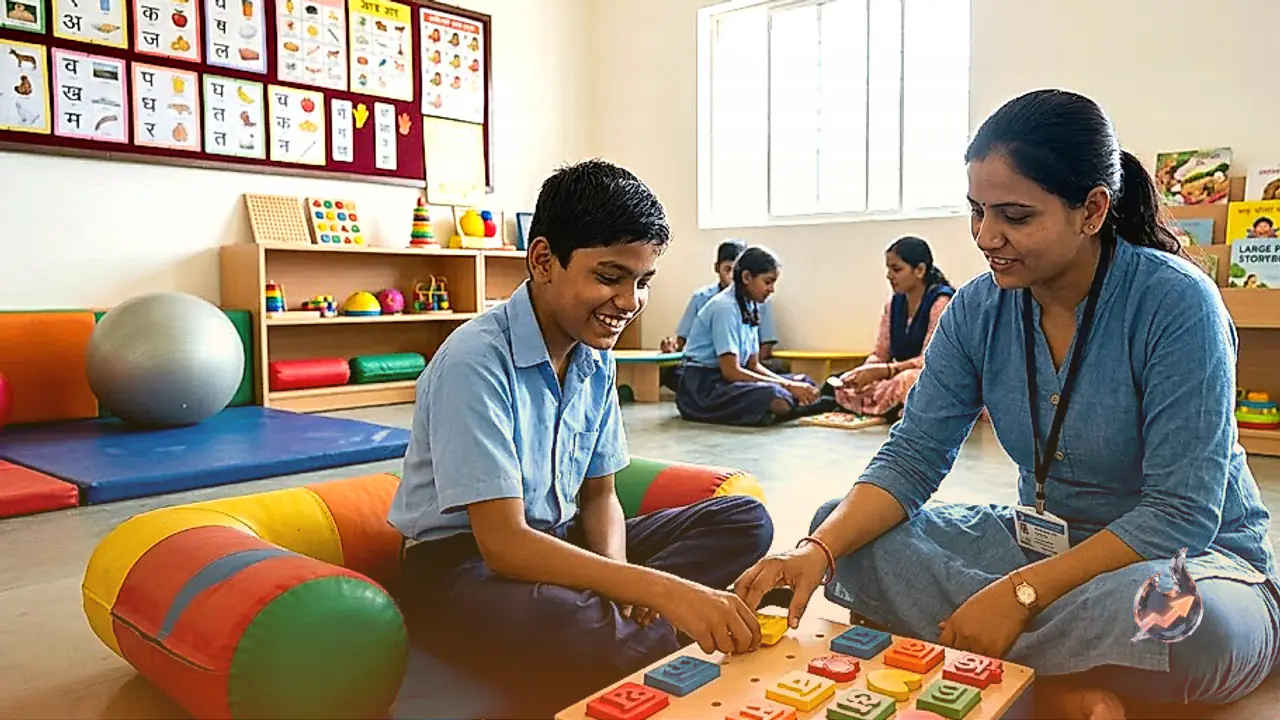



















A transformative initiative is set to unfold in the government schools of Sikar district, bringing a wave of relief and progressive support for children with special educational needs. Under the aegis of the Samagra Shiksha Abhiyan, specialized reference rooms will be established across all 12 blocks of the district. Designed as dedicated resource spaces, these rooms aim to assist differently-abled students not only in their standard academic curriculum but also by fostering their participation in vital extracurricular activities. By housing essential learning tools, therapeutic devices, and specialized infrastructure under one roof, the initiative promises a more inclusive educational landscape for local students who face physical or sensory challenges.
New Infrastructure and Special Educator Support
The structural and operational framework for these reference rooms has been outlined in the fresh guidelines dispatched by the Rajasthan School Education Council for the upcoming 2026-27 academic session. According to these directives, the primary objective of these rooms is to merge conventional classroom education with therapeutic and psychological assistance tailored to each child's unique needs. To ensure that these facilities do not remain idle, trained special educators will be stationed at these centers. These educators will be responsible for translating complex classroom topics into digestible lessons, conducting regular practice sessions, and motivating children to participate actively in school-wide functions and events.
Deployment of Assistive Devices and Kits
To address the physical and physiological barriers that often impede a child's learning journey, each reference room will be stocked with a wide range of state-of-the-art assistive technologies and mobility aids. The inventory will feature vital tools such as specialized tricycles, wheelchairs, and standing frames designed to help students with physical disabilities. For those with cognitive or sensory impairments, resources like advanced calculators, specialized Braille kits for visually impaired students, and high-quality hearing aids will be made available. The allocation and utilization of these devices will be closely aligned with the diagnostic requirements of individual students, ensuring that every piece of equipment serves to optimize their learning capabilities and boost their daily classroom engagement.
Accessibility Standards and Daily Operational Targets
The administrative guidelines lay down strict criteria for choosing the physical space that will serve as the reference room within any selected school. The room must be located on the ground floor or in a highly accessible zone of the school campus, guaranteeing hassle-free entry for students with mobility issues. Essential utilities, including uninterrupted electricity, safe drinking water, and properly constructed ramps, are mandatory prerequisites for these rooms. Furthermore, to maintain complete transparency and track the efficacy of the program, school authorities must maintain a detailed inventory register. This record will keep track of all available devices, their current condition, and how frequently they are being utilized by the students.
Under the direct supervision of the designated special educator, the operational schedule of each reference room will be carefully structured. Students will be called in at pre-scheduled slots throughout the school hours, ensuring that their regular classes are not disrupted while they receive specialized attention. The teaching methodology adopted within these walls will be highly dynamic, shifting in real-time to match the cognitive pace and learning capacity of each child. The state department has mandated a strict operational target for these centers, requiring every single reference room to extend its services and facilities to at least 10 special-needs children on a daily basis.
Statewide Implementation and Financial Breakdown for Sikar
While the program is being rolled out systematically in Sikar, the scope of this initiative extends far beyond a single district. The educational reforms are designed to cover the entire state of Rajasthan, with similar reference rooms being set up at 378 block headquarters. To ensure smooth day-to-day operations, the state has earmarked a dedicated operational budget of Rs 20,000 for each block. This financial pool is structured to cover the actual commuting fares of the visiting children, routine maintenance of the high-tech equipment, procurement of fresh teaching materials, and other localized administrative requirements.
For Sikar district specifically, which comprises 12 distinct blocks, a total consolidated budget of Rs 2.40 lakh has been sanctioned. In terms of granular distribution, each of the 12 reference rooms will receive Rs 12,000 to cover the actual travel expenses or rent incurred by students commuting from remote areas. The remaining Rs 8,000 from the block budget will be strictly reserved for the upkeep of assistive tools, purchase of updated learning materials, and managing other immediate classroom requirements. The educational authorities are highly optimistic that this decentralized approach will provide high-quality, localized educational support to special-needs children, paving a smooth path for their academic future without forcing them to travel long distances.


