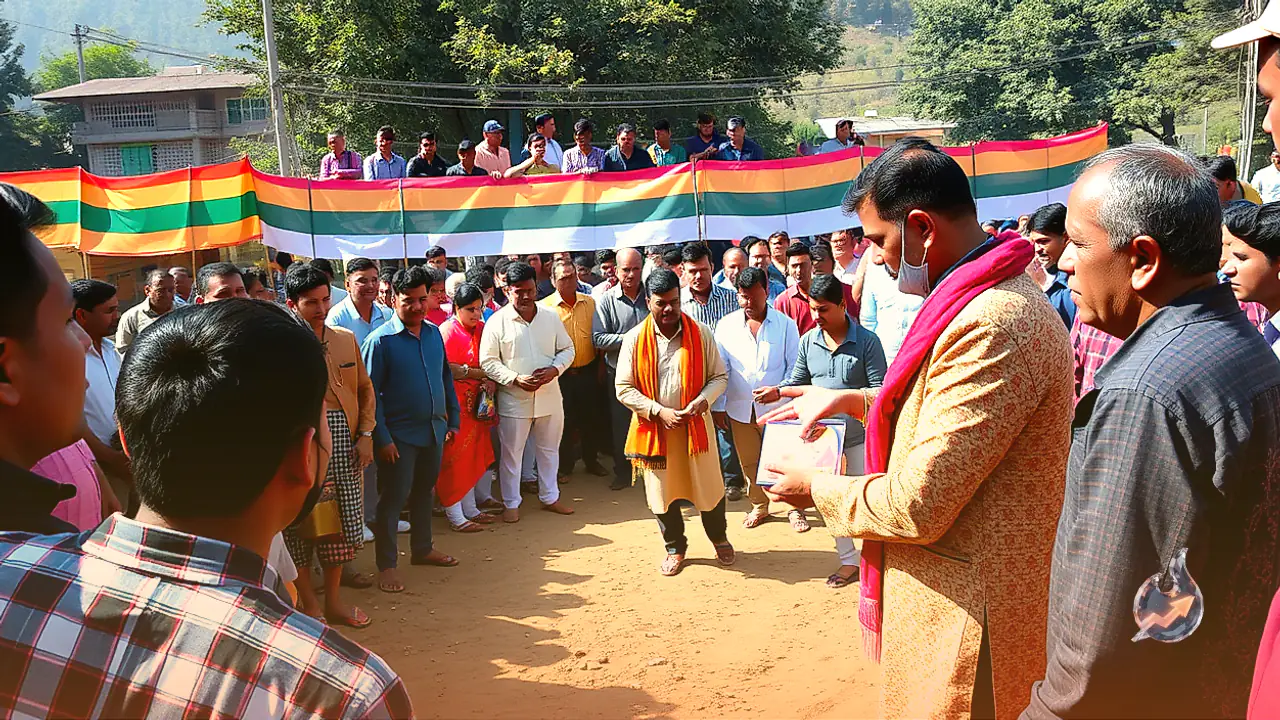
















Political activity across rural Rajasthan has accelerated significantly ahead of the Panchayati Raj elections 2026. In Dungarpur district, the Bharat Adivasi Party has energized the electoral race by publishing its official candidate list for the upcoming Zila Parishad contests. The party has declared contenders for 30 out of the total 37 Zila Parishad seats in the district. Released directly by the party district president Prasoon Masar, this initial slate introduces prominent organizational figures to the fray, setting the stage for an intense grassroots contest.
Key Leadership Figures Stepping into the Local Fray
The candidate roster unveiled by the Bharat Adivasi Party places several influential organizational leaders directly onto the campaign trail. Former district president Anutosh Roat has been fielded as an official nominee, reinforcing the party local leadership base. The party has also nominated Kanti Bhai Roat, who previously contested as a parliamentary candidate. In addition, Digvijay Singh Chundawat, the state president for the general category wing, has been named to contest a Zila Parishad seat. Fielding such seasoned leaders has triggered lively debate across local political circles regarding the party broader electoral approach and voting dynamics.
Tribal Politics at the Core While Seven Seats Await Choices
Dungarpur district historically occupies a central position in regional tribal politics, where social equations play a defining role in determining governance outcomes. Against this backdrop, the selection of nominees for these local body seats carries substantial weight for shaping future administrative control. By settling 30 out of 37 constituencies early, the organization has signaled that its campaign machinery is fully activated. Attention now shifts toward the remaining seven seats, where final candidate announcements are still awaited from the party leadership.
Campaign Groundwork Shifts into High Gear
With names confirmed across most council wards, field-level election campaigning is set to gather rapid momentum throughout the rural constituencies of the district. Declared candidates are now organizing local party cadres, mapping out door-to-door outreach plans, and crafting localized campaign messages. Following the formal announcement made by district president Prasoon Masar, observers are closely watching how rival political parties position their own tickets and what strategy the party adopts for the leftover seven constituencies once nominations formally begin.