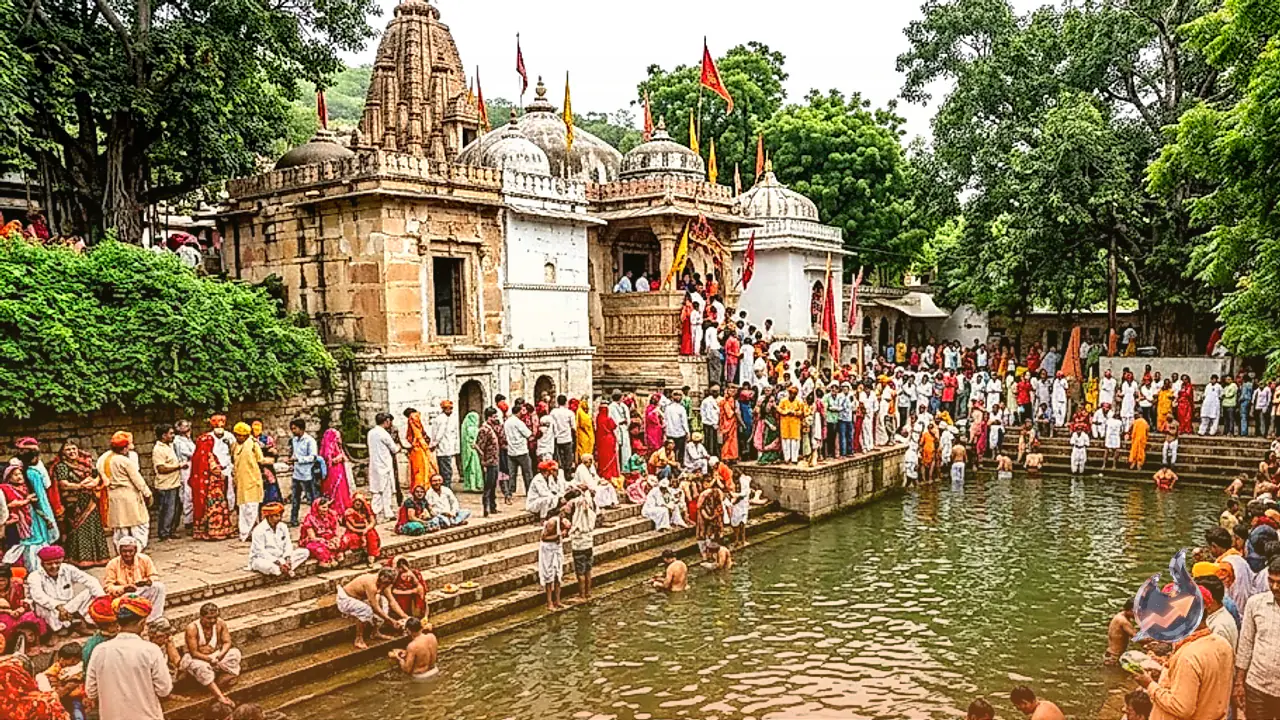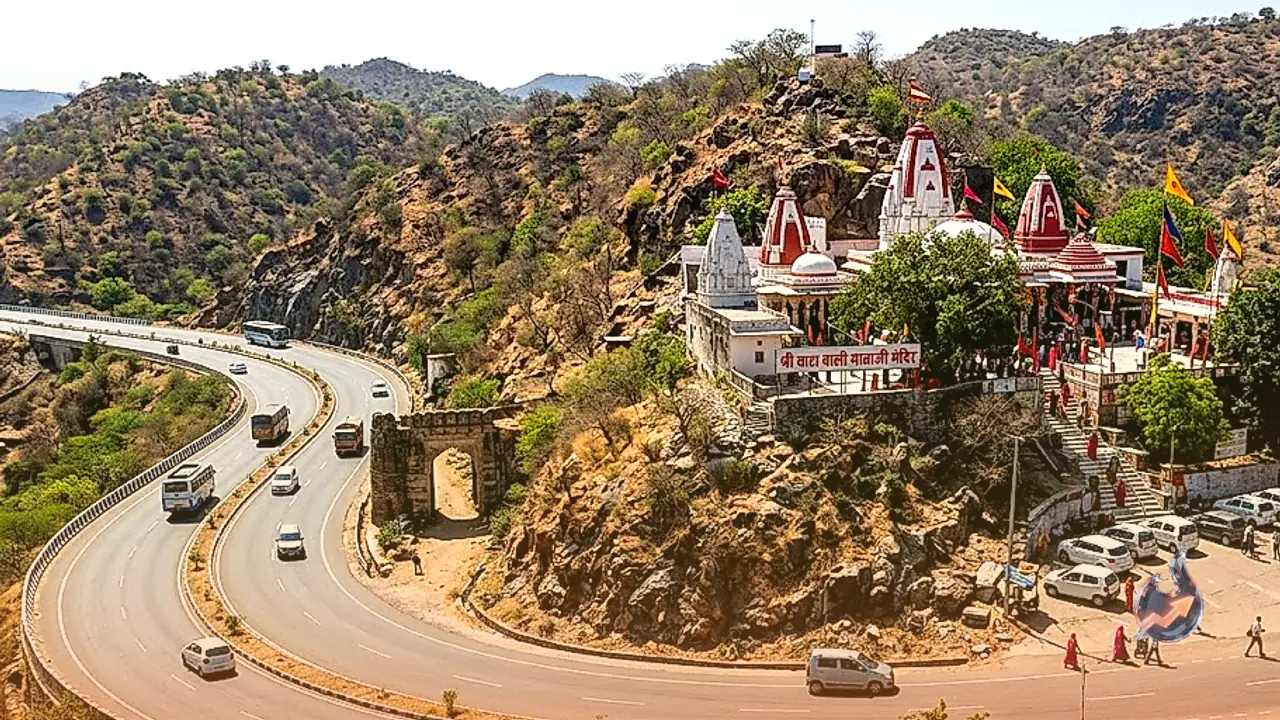




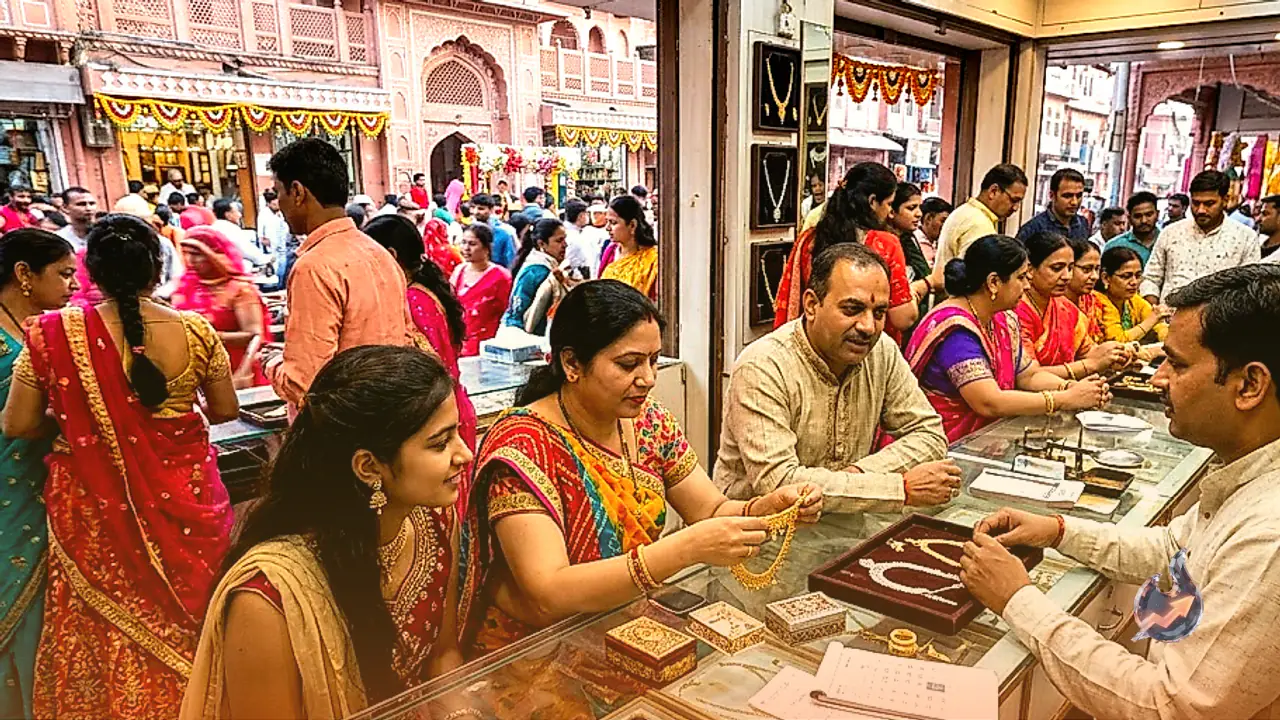














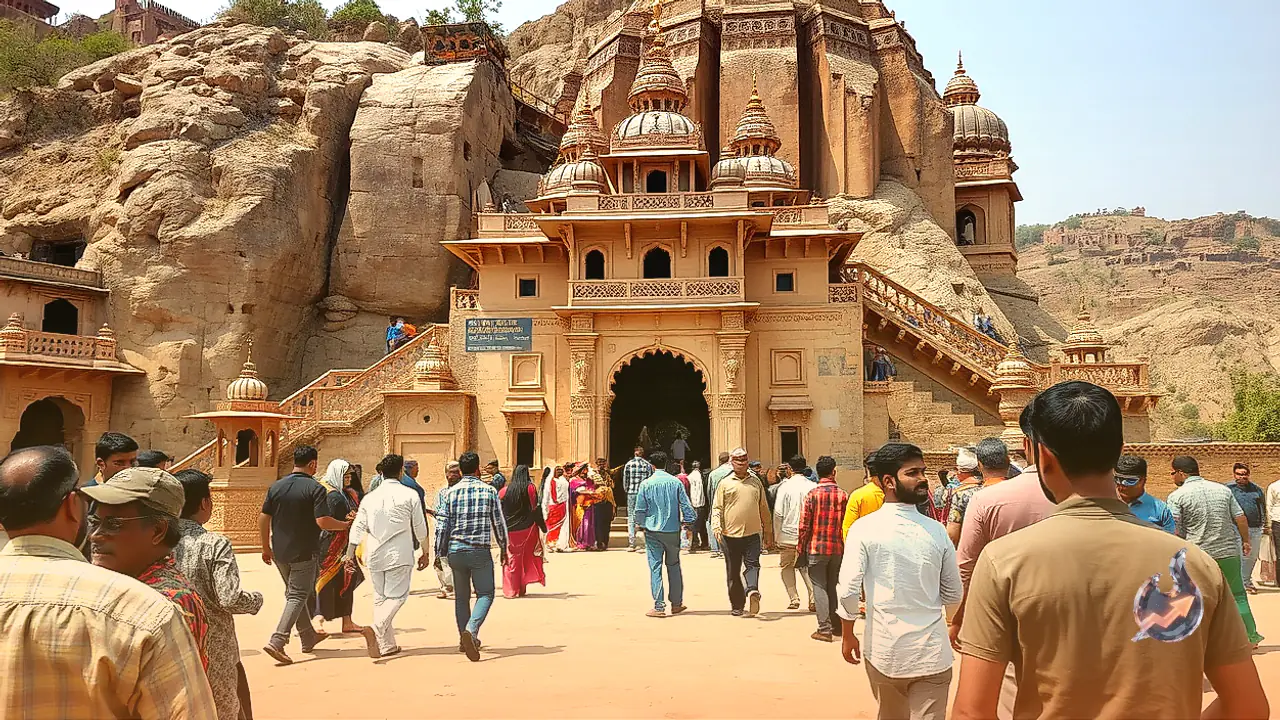

Nestled amid the scenic valleys of the Aravalli range in Rajasthan's Sikar district, the revered Jeenmata temple stands as a major center of cultural heritage, spiritual devotion, and living folklore. For centuries, this sacred pilgrimage site has represented the unshakeable faith of millions of devotees across the country. Beyond its spiritual significance, the temple is steeped in remarkable regional traditions and historical episodes, particularly during the medieval period, that distinguish it from other shrines across northern India.
The Mughal Offensive and the Legend of the Swarming Bees
Among the various historical legends surrounding Jeenmata, the most prominent narrative dates back to the reign of Mughal Emperor Aurangzeb. Historical folklore recounts that during a phase when temples across different territories faced destruction under imperial campaigns, a detachment of Mughal troops marched toward the remote hills of Sikar with the objective of razing the Jeenmata shrine. As the advancing soldiers reached the immediate vicinity of the sanctum and attempted to desecrate the structure, alarm and fear gripped the local priests and gathering worshipers.
Confronted with imminent danger, the devotees gathered within the temple courtyard and fervently prayed to Jagdamba Maa Jeenmata for divine intervention and protection. According to long-standing local traditions, their appeals coincided with an extraordinary natural phenomenon: swarms of innumerable bees emerged suddenly from the temple precincts and the adjoining caverns of the surrounding Aravalli hills. The aggressive bees launched an unrelenting assault on the approaching troops, inflicting intense pain and triggering absolute disarray among the ranks. Unable to withstand the stings, the soldiers fled the mountainous terrain to save their lives, forcing the imperial expedition to retreat. Following this dramatic turn of events, the deity became widely revered across the region as the Goddess of Bees, or Bhanwaron Ki Devi. Traditional accounts further record that, deeply moved by the incident, Aurangzeb subsequently arranged a regular supply of oil to sustain the eternal flame kept burning inside the temple sanctuary.
Stone Inscriptions Documenting a Millennium of Architectural History
The antiquity of the Jeenmata shrine is supported by robust epigraphic evidence rather than oral tradition alone. Researchers studying the site have documented approximately eight major stone inscriptions across the temple grounds that testify to its deep past. The oldest among these epigraphs dates to Vikram Samvat 1029, corresponding roughly to 972 AD. Subsequent inscriptions found at the complex date back to Vikram Samvat 1132 and Vikram Samvat 1162.
The inscription from Samvat 1162, corresponding to the year 1105 AD, specifically mentions the reign of the renowned Chauhan monarch Prithviraj I. Additional historical documentation notes that an individual named Hattad, alternatively recorded as Hand and affiliated with the Mohil clan, was instrumental in constructing or renovating this grand stone edifice. These engraved records provide clear archaeological proof that the sacred complex has stood firm for more than one thousand years, witnessing major shifts in regional dynasties and religious patronage.
Sharadiya Navratri Festivities and Fragrant Adornment Rituals
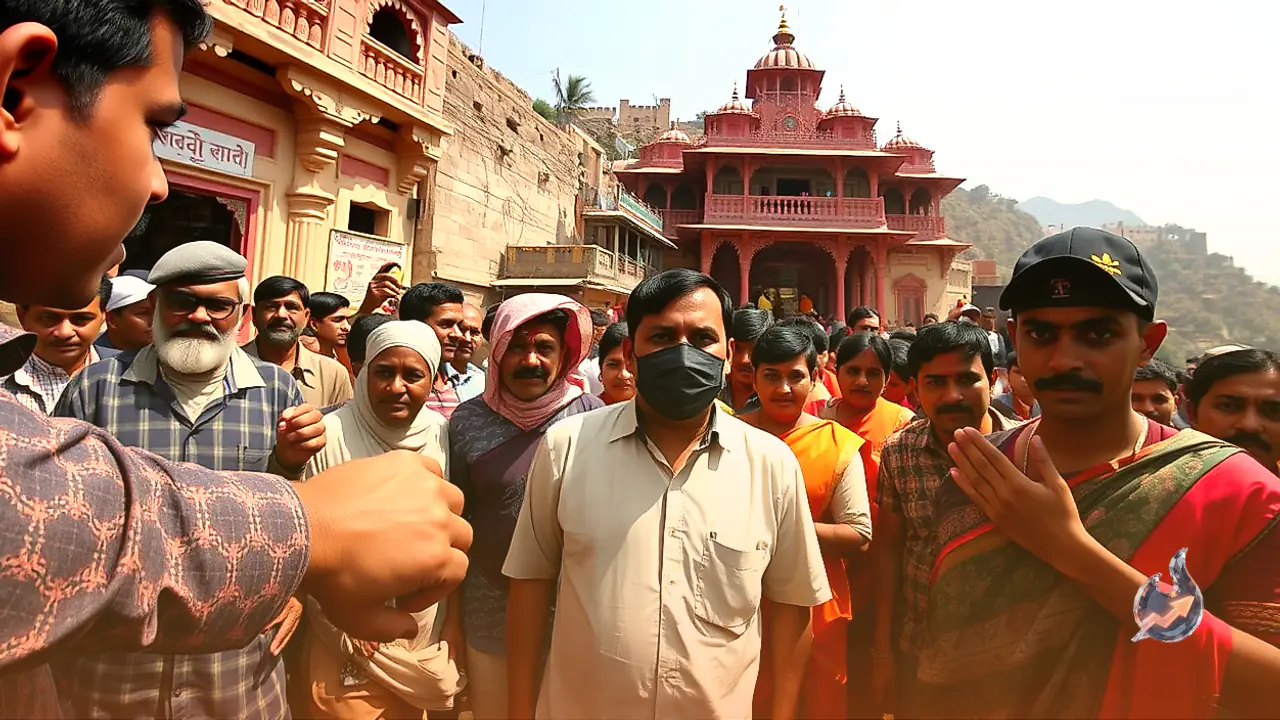
The temple is currently hosting its grand nine-day Sharadiya Navratri fair, drawing hundreds of thousands of pilgrims from across India who arrive in Sikar to offer prayers and fulfill vows. On the festival's second day, the presiding deity was ceremonially adorned in the divine representation of Maa Brahmacharini, the second form of Goddess Durga. Explaining the spiritual importance of this ritual, head priest Bhawani Shankar Sharma highlighted that this specific manifestation guides devotees toward self-control, spiritual discipline, austerity, and moral strength.
To mark this year's Navratri celebrations, a specialized saffron perfume was sourced directly from Kannauj in Uttar Pradesh to adorn the deity. The sanctum sanctorum has been further embellished with natural aromatic flowers also procured from Kannauj, alongside five distinct ornate traditional attires prepared for the ceremonies. Temple administrators presented extensive offerings of fresh fruits and dry nuts to the deity, while local authorities and shrine personnel enforced strict security measures across the crowded valley as chants echoed through the hills.