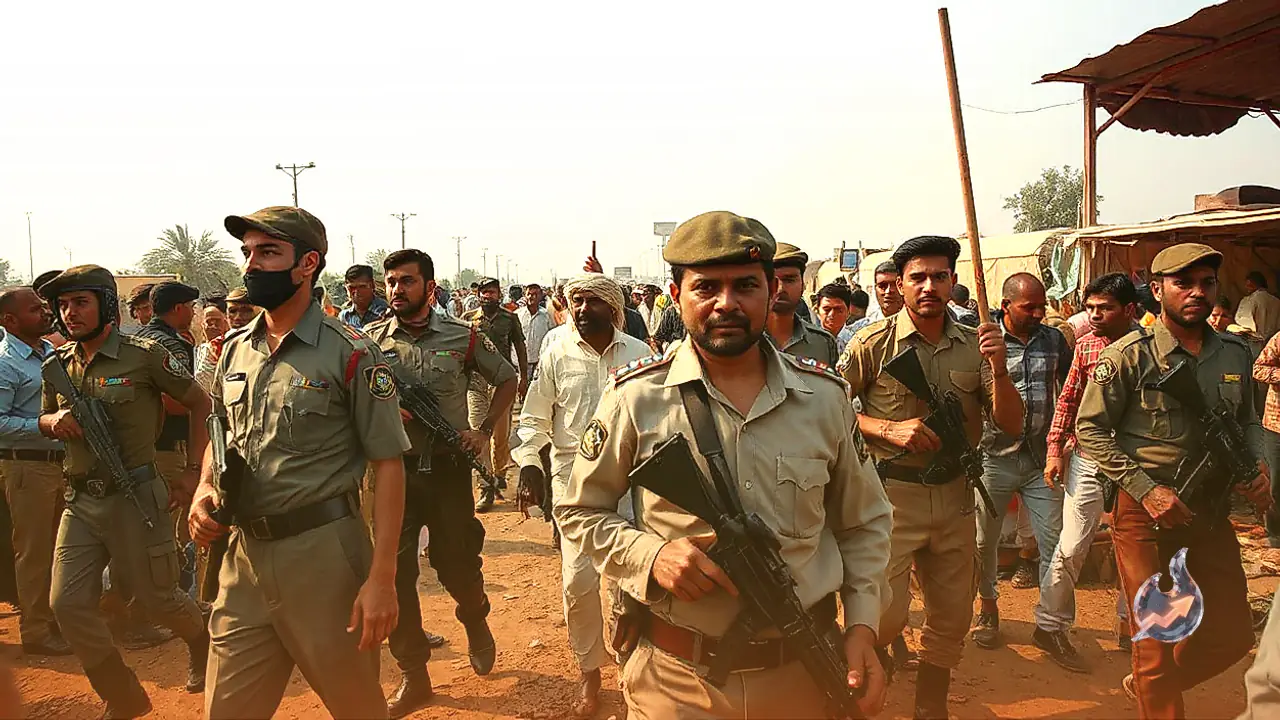
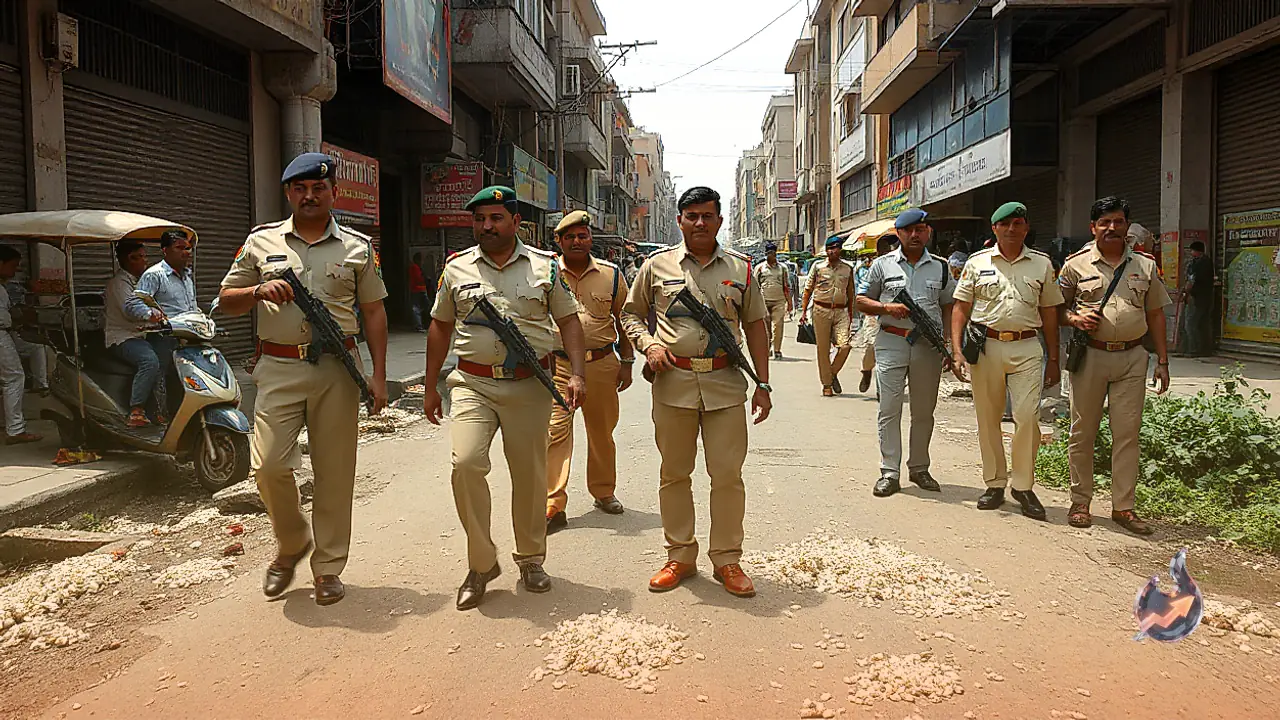
















Political activities across Rajasthan have reached a peak as the first phase of polling for the Panchayati Raj elections gets underway today. Voters across the state are exercising their franchise to elect members for 16 district councils and 104 panchayat committees in this opening phase. The political fortunes of candidates from the Bharatiya Janata Party, Congress, and various other political groups are being sealed inside electronic voting machines as the democratic process unfolds.
Breakdown of the First Phase Statistics
A substantial electorate of approximately 85.7 million voters is eligible to participate in this initial phase across the designated 16 district councils and 104 panchayat committees. Official records indicate that 1,693 candidates are in the fray for 586 district council seats, translating to an average of about 2.88 contenders per seat. Meanwhile, 5,233 candidates are testing their electoral fortunes for 1,806 panchayat committee seats, where the average stands at roughly 2.89 contenders per seat. Most of these contests feature triangular or multi-cornered electoral battles. Voters are casting ballots for both district council and panchayat committee positions, utilizing two separate electronic voting machines at polling booths.
The Growing Discourse Around Post-Poll Badaebandi
Alongside the voting process, intense discussions have emerged within political circles regarding the strategy of confining candidates in isolated camps, commonly referred to as badaebandi. Political parties face the continuous challenge of keeping their victorious or prospective candidates united and insulated from potential poaching attempts. Speculation is rife that both the Bharatiya Janata Party and Congress may resort to moving their candidates into secure enclosures immediately after voting concludes to safeguard their numbers. According to unconfirmed accounts, the Bharatiya Janata Party has reportedly instructed its candidates to keep their bags packed and ready. Congress and other political formations are similarly anticipated to weigh parallel strategies to prevent any cross-voting or horse-trading. However, official confirmation regarding whether candidates will be housed collectively in single locations or split into separate groups remains pending from the respective party leaderships.
Extended Timeline and Potential Festive Disruption
The panchayati raj elections in Rajasthan are scheduled across four distinct phases, with polling operations continuing until November 14. Following the completion of voting, the counting of votes for all district council and panchayat committee seats is scheduled for November 20. This prolonged gap between the conclusion of voting and the counting date forms a critical window for political parties and their candidates. Should the major political outfits decide to keep their candidates confined in camps throughout this interval, it would mark one of the most prolonged periods of isolation seen during local body polls in the region. Such an extended schedule means candidates could find themselves away from their homes and families for many days. With the electoral timeline overlapping with the festive season, discussions have naturally turned to whether the candidates might end up celebrating Diwali inside these secured camps rather than with their loved ones. Ultimately, the exact duration and venue of any such arrangements depend entirely on the final decisions made by the party leaderships, leaving everyone awaiting the official outcome on counting day.