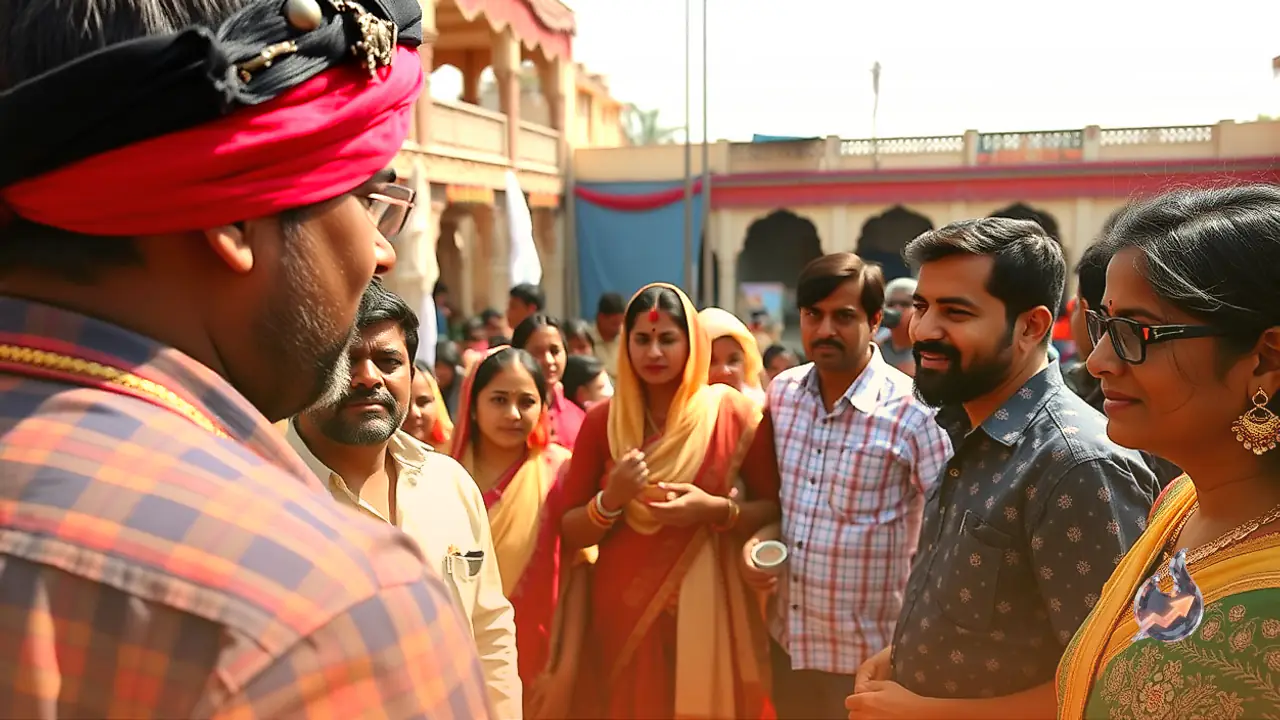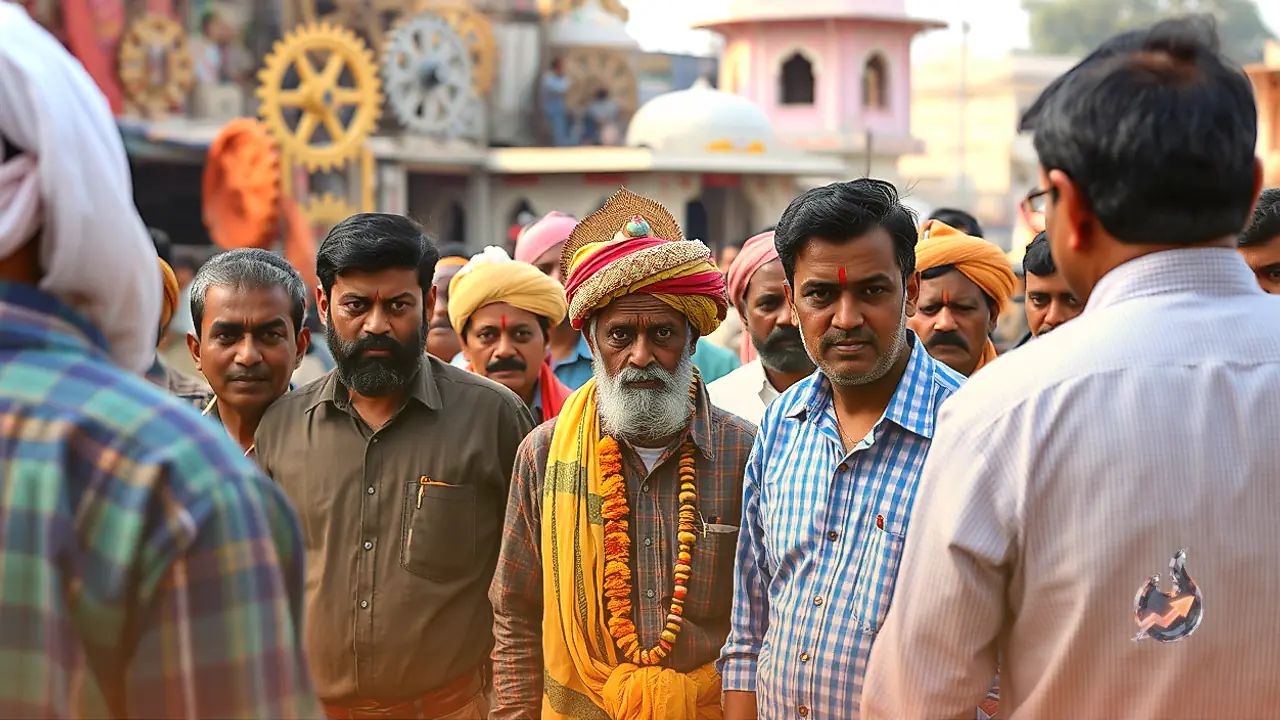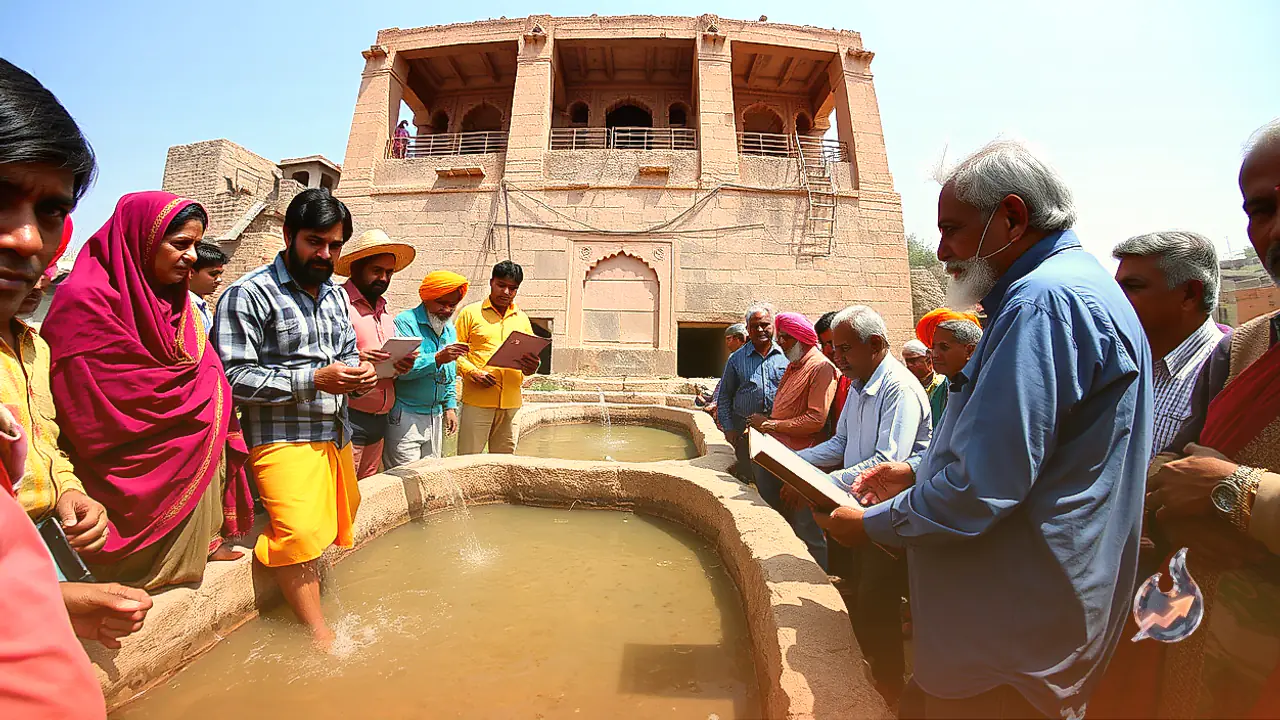




















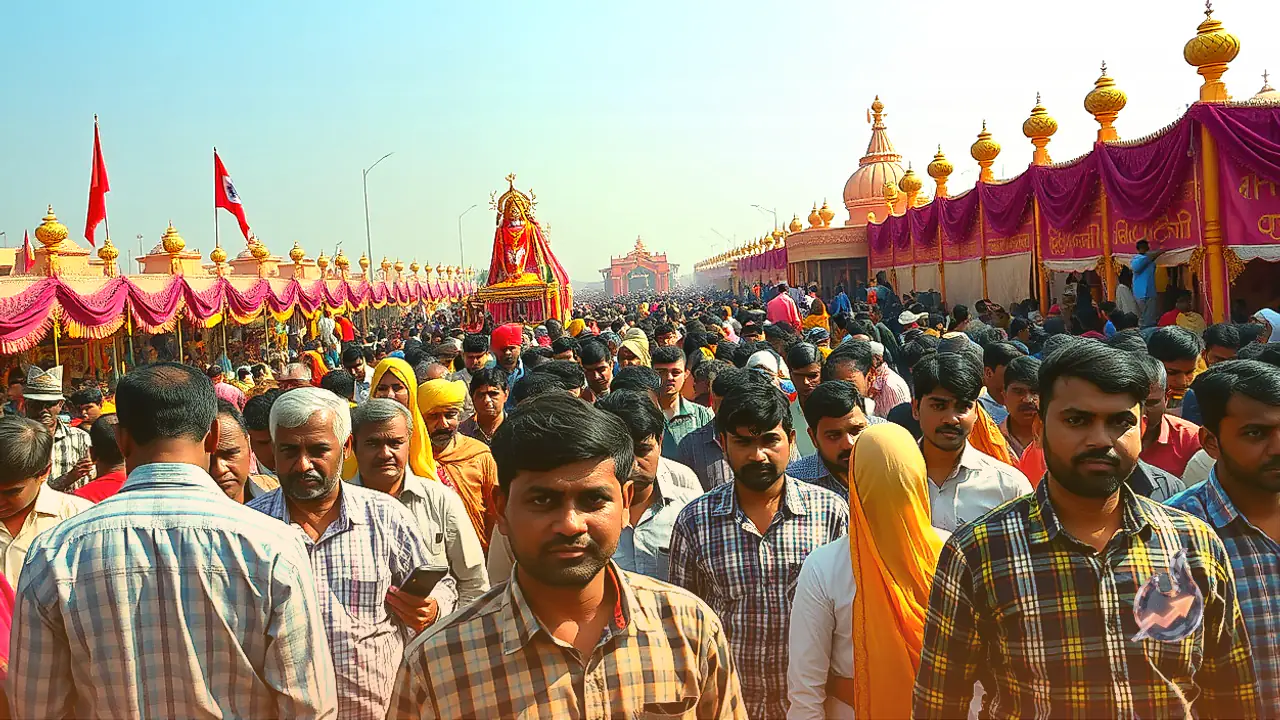

Preparations have reached their final stages in the picturesque Aravalli range of Sikar district, Rajasthan, ahead of the renowned annual religious congregation at the Jeen Mata shrine. Commencing on October 11 to coincide with the sacred Ghatasthapana ceremony of Sharad Navratri, this nine-day spiritual festival draws hundreds of thousands of pilgrims from across Rajasthan and numerous neighboring states. To handle the tremendous influx of devotees, both the temple management committee and regional authorities have put extensive administrative measures into place.
Strict Administrative Measures and Regulations Across the Fairgrounds
In an effort to uphold public safety, order, and seamless logistics throughout the festival, the sub-divisional magistrate of Dantaramgarh conducted an on-site review of the grounds. The administration has issued firm instructions demanding continuous sanitation maintenance, reliable supplies of clean drinking water, and sufficient night lighting across all main approaches. Security personnel will maintain round-the-clock vigilance, with strict directives to penalize any individuals attempting to disrupt communal harmony. To preserve environmental cleanliness and temple sanctity, local authorities have enacted complete prohibitions on single-use polythene, alcohol consumption or sale, and animal sacrifice. Additionally, vendors are strictly banned from selling sharp weapons anywhere in the vicinity of the festival.
Lavish Embellishments and Attire Sourced from Six Major Cities
Throughout the nine days of Navratri, the deity is adorned in distinct ritual vestments each morning and evening. Temple authorities shared that master craftsmen across various parts of the country prepare custom garments specifically for this holy period. While every ritual day holds sanctity, the opening day of Pratipada and the pivotal observance of Maha Ashtami carry paramount religious significance. On the eighth day, the goddess receives a grand royal ornamentation ceremony. Approximately 20 specialized designer outfits are transported in from six prominent industrial centers, including Delhi, Mumbai, Kolkata, Jaipur, Surat, and Bhopal. During this special ceremony, a priceless, handcrafted gold necklace adorns the sacred idol, while fresh floral decorations are flown in by air cargo to drape the inner sanctuary.
Decorated Camels and Burning Coal Stoves: The Ancient Battisi Sangh Tradition
A central spectacle of the annual congregation centers around the time-honored rituals practiced by the Battisi Sangh. Arriving in majestic style, male members of this group ride elaborately adorned camels through the approaches to the hill shrine. Concurrently, women belonging to the group undertake an extraordinarily demanding pilgrimage on foot, carrying ignited coal stoves on their heads directly from their homes to the deity's doorstep. As midnight arrives on the night of Ashtami, exactly at 12:00 AM, the members of the Battisi Sangh gather inside the sanctum sanctorum to conduct their deeply revered traditional rites, honoring an unbroken lineage of devotional heritage.
The Legend of Chauhan Lineage, Sibling Devotion, and Kajal Shikhar
Local lore traces the origins of Jeen Mata to the Chauhan dynasty, highlighting an affectionate relationship between the goddess and her brother Harsh. Traditional accounts describe an incident when Jeen Mata and her sister-in-law walked together to the village pond to fetch water, sparking a debate over whether Harsh held greater affection for his sister or his wife. They agreed that upon reaching home, whichever woman Harsh assisted first by lifting the earthen pitcher from her head would be recognized as his favorite. Unwittingly, Harsh lifted the pitcher from his wife's head first. Deeply crestfallen by the gesture, Jeen Mata withdrew from household life and traveled to the isolated Kajal Shikhar in the Aravalli hills to undertake intense spiritual penance. Realizing his sister's distress, Harsh journeyed up the mountain to bring her back, but she firmly declined to return. Struck by remorse, Harsh settled on an adjacent ridge and dedicated himself to the worship of Bhairav. Today, the Harsh Bhairav Nath temple continues to stand atop Harsh mountain as a tribute to that devotion.
The Legendary Bee Swarm Encounter and the Eternal Flame Tradition
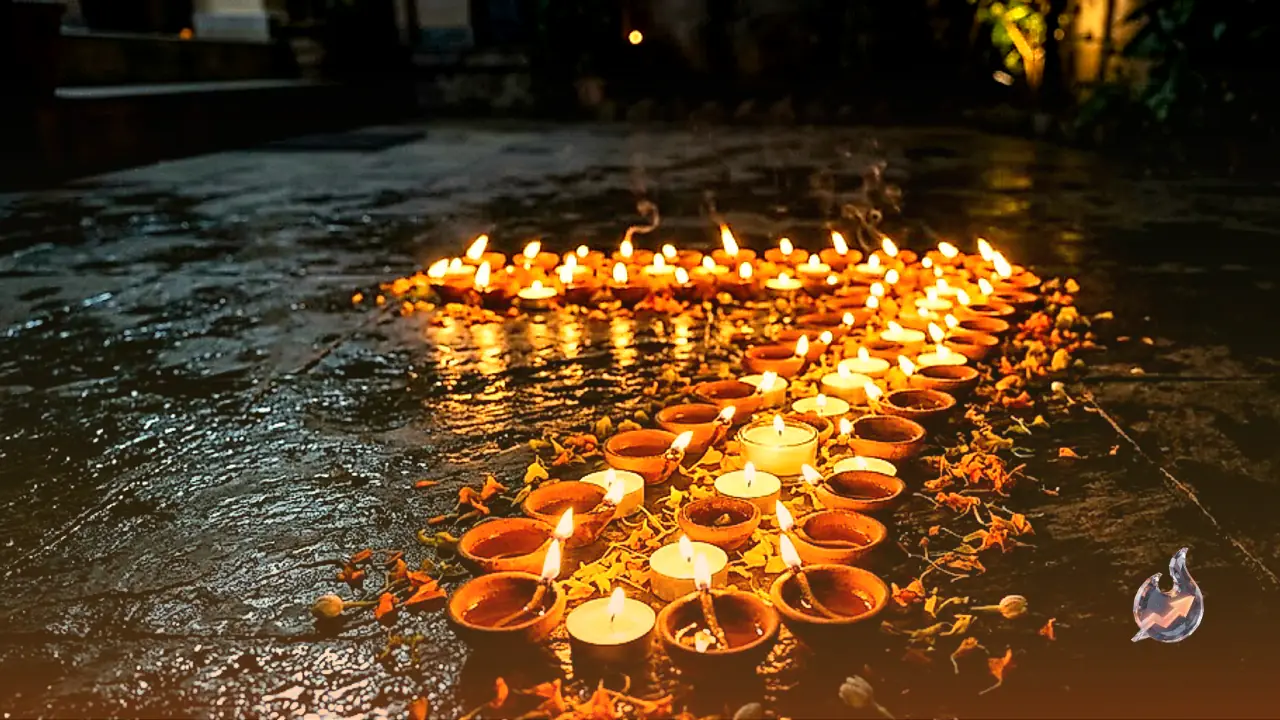
Another prominent chapter in the history of the Jeen Mata shrine dates back to the Mughal era during the reign of Aurangzeb. Historical folklore recounts that while marching through the Shekhawati region, Mughal imperial forces vandalized several regional shrines, including the Harshnath Bhairav temple. As the invading military subsequently advanced toward the Jeen Mata shrine, distressed residents pleaded before the goddess for protection. According to religious tradition, an enormous swarm of ferocious bees miraculously descended upon the imperial troops, stinging the soldiers severely and throwing the army into total disarray. Faced with sudden affliction, Aurangzeb conceded defeat before the divine presence and vowed to supply oil to ensure an eternal flame would burn perpetually within the shrine. For generations afterward, supplies of oil were routinely dispatched from the imperial court in Delhi. Following the decline of Mughal authority, the royal house of Jaipur adopted the sacred obligation, sending oil shipments twice annually during Navratri to maintain the sacred flame that continues to burn today.