


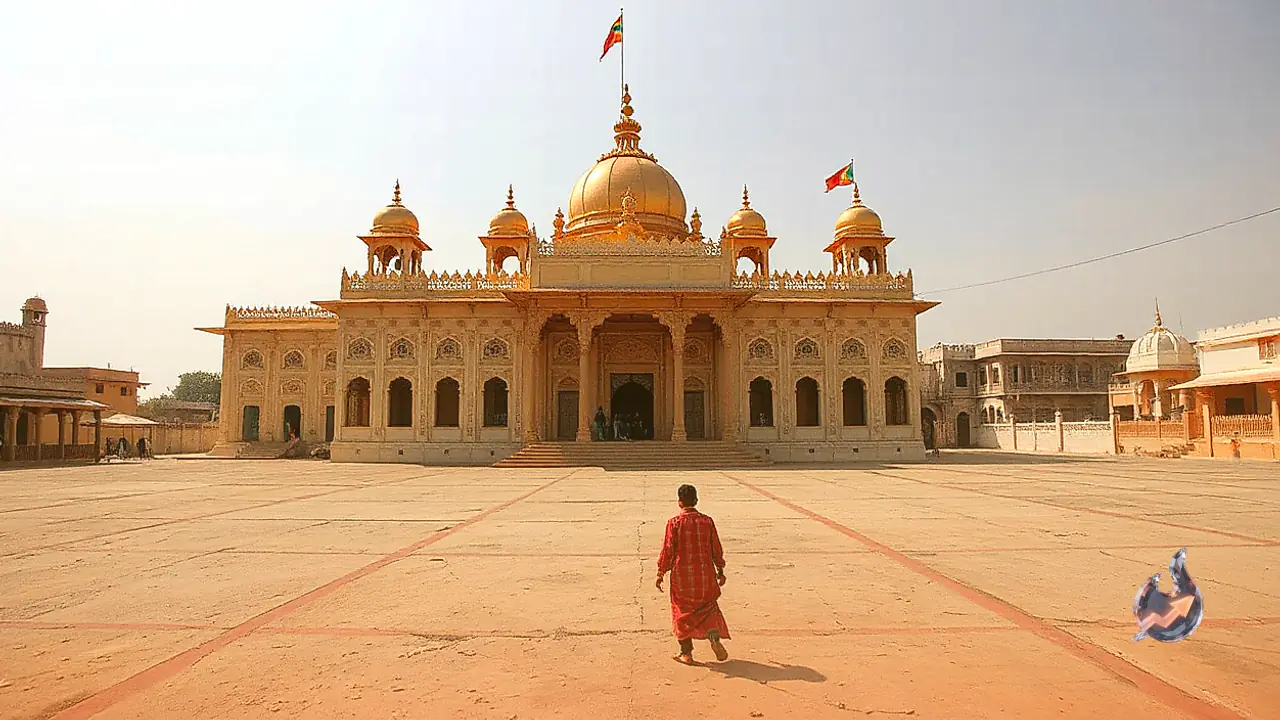
















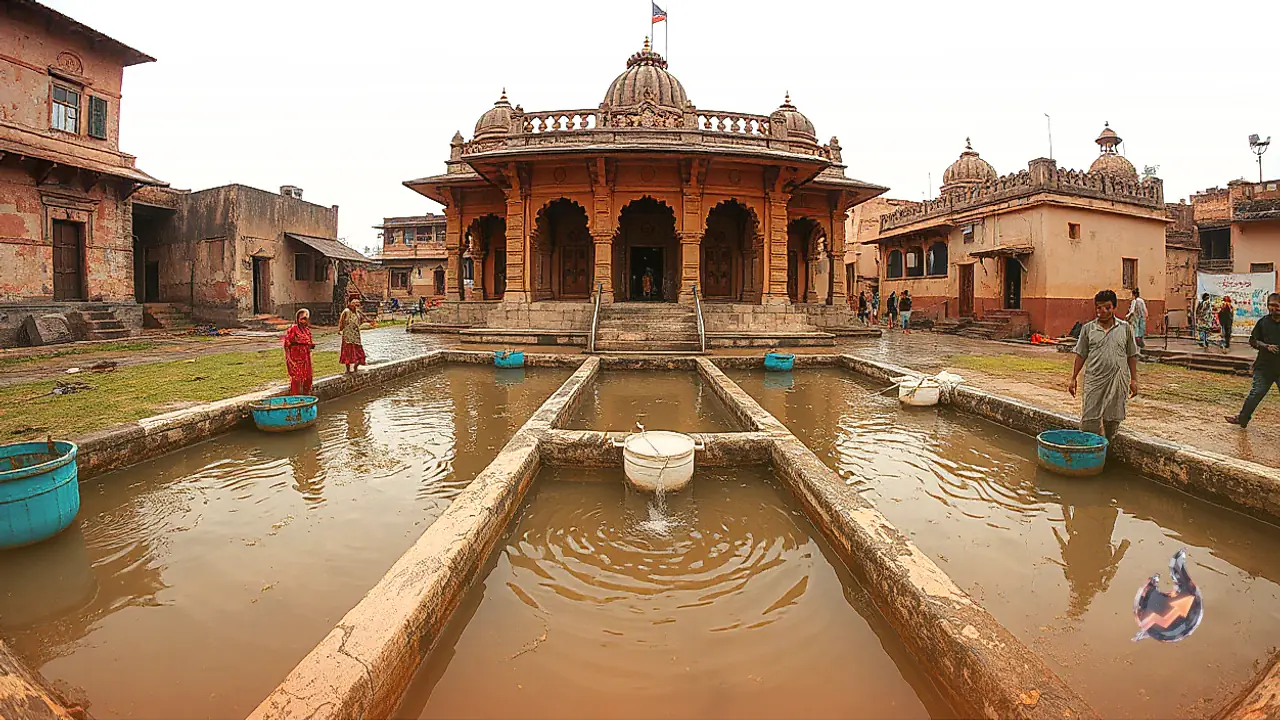

Located near the old post office in Rajasthan's Jhunjhunu city, the historic Laxminath temple stands as an enduring testament to traditional water conservation integrated with spiritual devotion. At a time when urban areas routinely see vast amounts of monsoon runoff vanish into stormwater drains, this heritage shrine has maintained an unbroken 106-year tradition of harvesting every single raindrop. Conceived over a century ago by farsighted ancestors, the ingenious infrastructure remains fully functional, offering a practical lesson in sustainable resource management.
Rooftop Harvesting and the Underground Reservoir Network
The architectural layout of the temple was intentionally engineered to ensure that monsoon downpours hitting the expansive rooftop are channeled with zero wastage. A network of dedicated channels and drainpipes directs the rainwater straight into a large underground tank constructed directly beneath the temple premises. Kept covered and shielded from contamination, this water remains clean and usable throughout the entire year, supplying the shrine's daily spiritual needs without disruption.
The preserved rainwater serves as the primary water source for the daily sacred baths of the presiding deities, including Lord Lakshminarayan along with the Rama family and Shiva family idols seated within the sanctum. Furthermore, the temple priests rely on this harvested water to cook the sacred food offerings for the deities, conduct religious ceremonies, maintain temple cleanliness, and nurture the grounds' botanical garden.
Twenty-Thousand-Liter Capacity Built in 1919
Explaining the heritage and engineering milestones of the shrine, temple administrator Raghunath Prasad Sharma stated that the foundation stone of the temple was laid in 1915. The complete construction process spanned roughly four years. Upon the structural completion of the shrine in 1919, an underground reservoir holding an estimated capacity of 20,000 liters was constructed specifically to harvest and store rainfall.
The construction was commissioned and financed by Seth Ramkarandas Rambilas Rai Khetan, who recognized the enduring necessity of water security during that era. The rooftop collection and subterranean storage design proved so remarkably durable and efficient that it continues to function as an indispensable daily utility more than a century after its inception.
Ancestral Wisdom of Shekhawati as a Modern Guide
In the arid terrain of Rajasthan's Shekhawati region, early settlers intimately understood the critical worth of water and embedded conservation directly into their civic and temple architecture. The 106-year-old reservoir at Laxminath temple demonstrates that safeguarding freshwater resources does not always require high-tech interventions or complex machinery. True conservation stems from an appreciation of water's value, proving that traditional regional knowledge can reliably sustain communities across generations.