







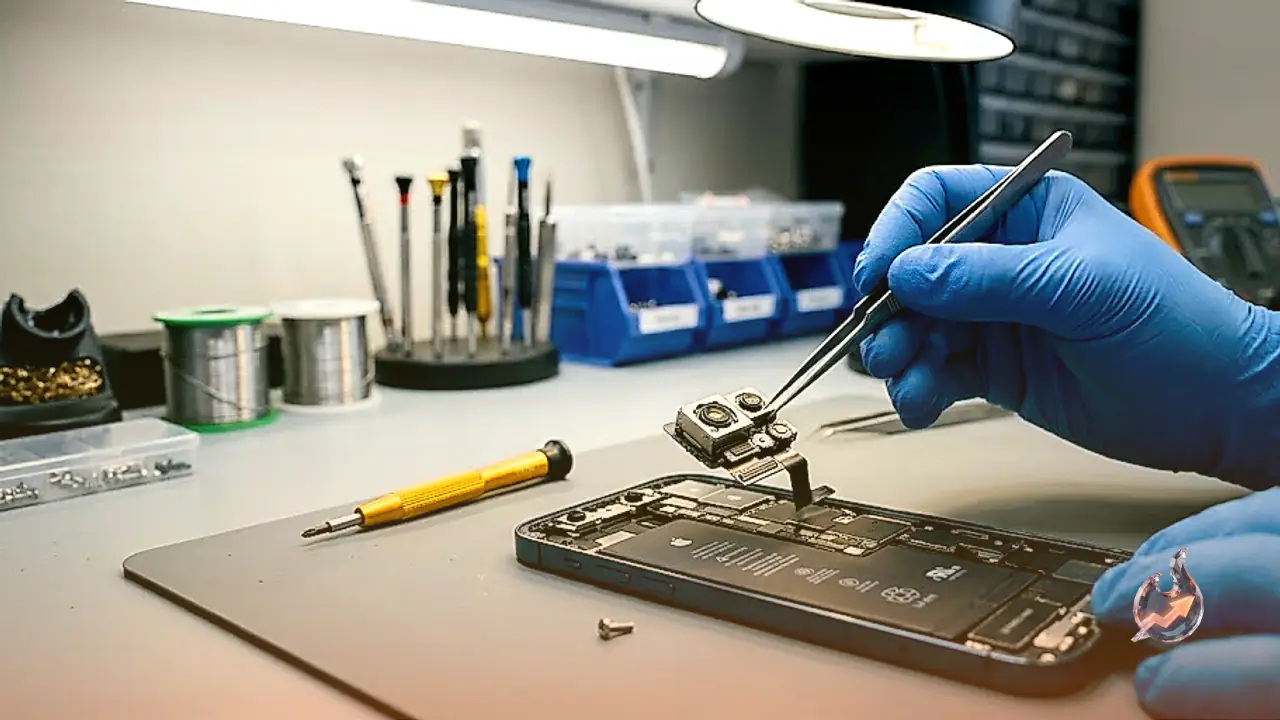















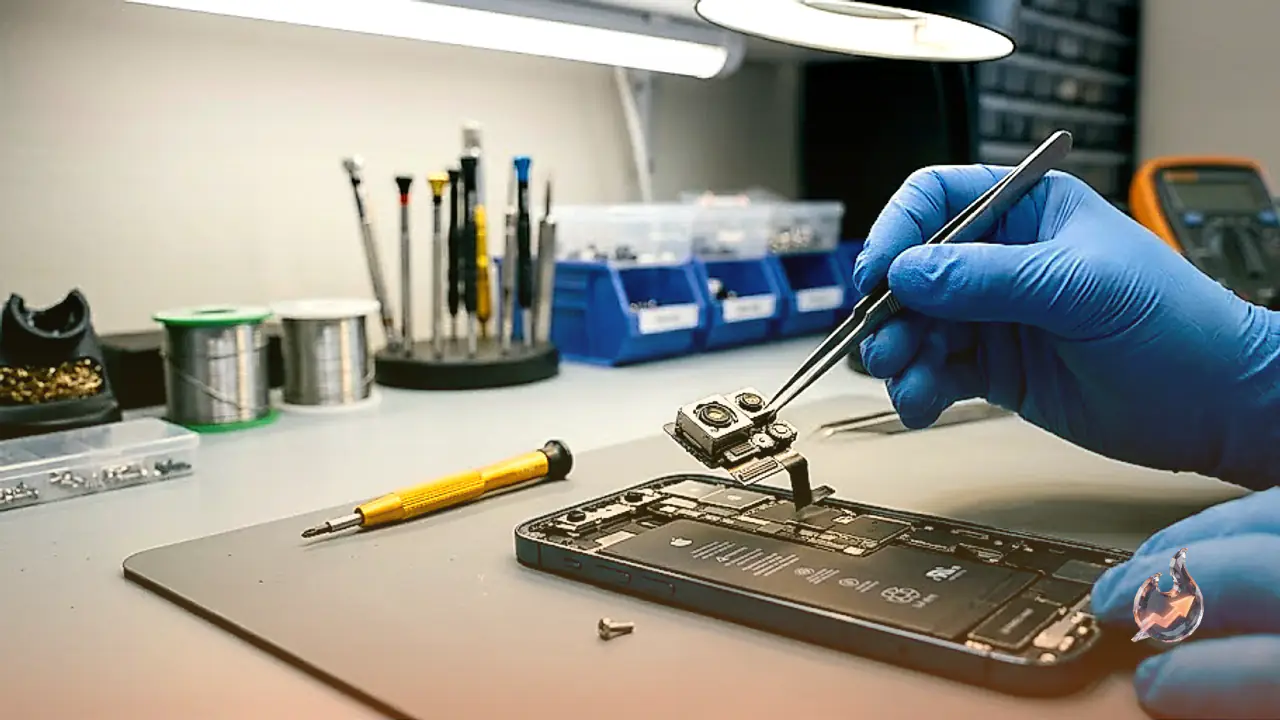

A comprehensive disassembly of Apple's flagship iPhone 18 Pro has laid bare its internal architecture, evaluating how smoothly its components can be serviced if damaged. The hardware evaluation yielded a repairability score of 7/10, matching the benchmark set by the iPhone 17 Pro in 2025. While the score suggests solid modularity, the internal redesign introduces both key conveniences and notable engineering complexities.
The Variable Aperture Dilemma: Moving Parts Increase Risk
The primary 48-megapixel camera on the iPhone 18 Pro features Apple's first variable aperture lens system on an iPhone. To dynamically adjust lighting for photography and video recording, the assembly relies on six rotating blades, each roughly the width of a human strand of hair. While variable aperture technology has previously appeared in other handsets, its introduction here marks a significant functional shift.
The inclusion of mechanical moving components naturally increases the likelihood of long-term wear and physical damage. Given the extreme miniaturization and precise alignment of these six aperture blades, repairing individual elements within the module is practically impossible. Consequently, any mechanical failure inside the lens will require replacing the entire camera assembly rather than a single component. This will inevitably increase out-of-warranty service expenses, although technicians will find the full camera unit itself relatively simple to unseat and swap.
Battery Replacement: Sticky Screen, Screwed-Down Cell
Accessing the phone's battery presents a familiar hurdle. Technicians must first heat and unseal the glued-down front display panel to reach the chassis interior. Once past the screen adhesive, however, the process becomes significantly more straightforward. Instead of relying on heavy adhesives beneath the power cell, Apple has secured the battery using dedicated screws, making extraction far less hazardous and notably faster.
Regulatory Scrutiny and the Evolution of Apple Self-Repair
The overall serviceability of the iPhone 18 Pro reflects years of gradual mechanical adjustments driven by consumer advocacy and European Union regulations mandating easier product repair. Apple initially launched its self-service repair initiative in 2021, though early efforts drew criticism over restricted tool availability and cumbersome logistics.
Sustained pressure from US state lawmakers pushed the company to gradually streamline parts access and introduce a dedicated repair assistant to walk users through setup and calibration. Despite those adjustments, consumer groups have remained skeptical, with ownership advocacy organization PIRG assigning the iPhone 17 a D-rating for repairability earlier this year. The 7/10 teardown score for the iPhone 18 Pro shows that while internal modularity is progressing, delicate internal hardware still poses steep service hurdles.