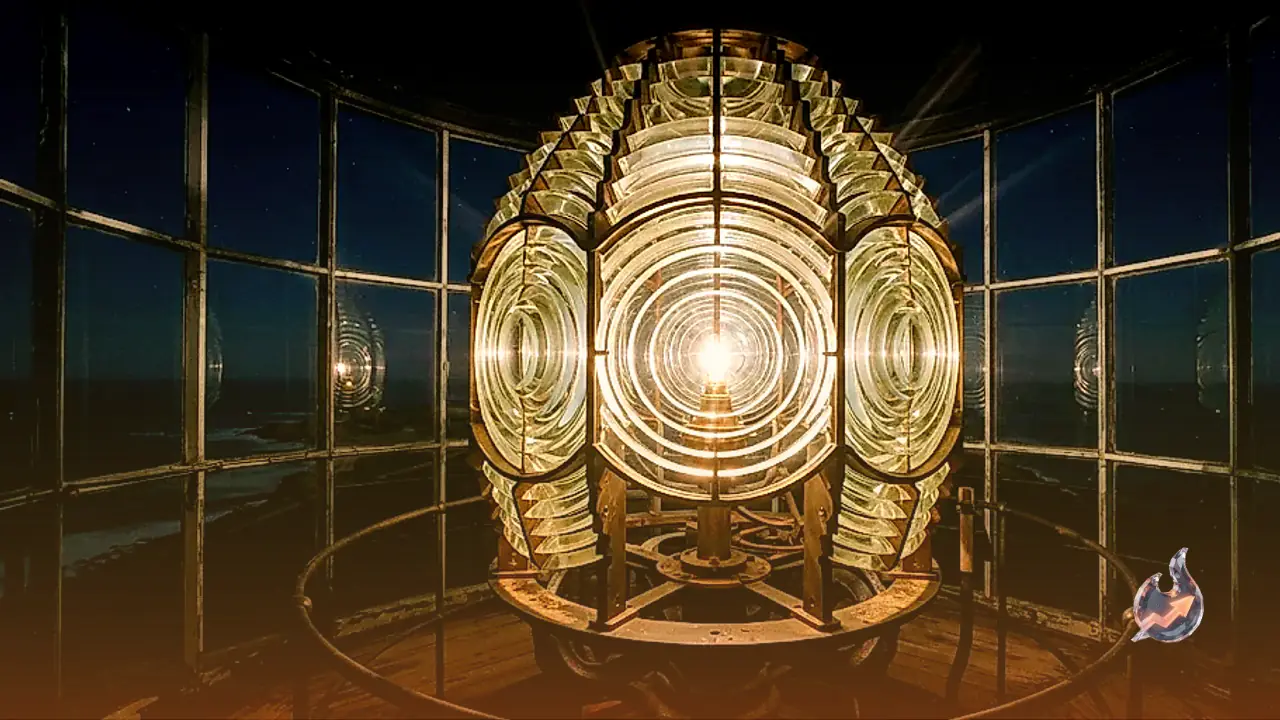

Among the historical and cultural landmarks of Rajasthan, certain structures stand out not because their beauty fades with time, but because they transform into living chapters of history. The Sheesh Mahal, situated within the historic Sikar Fort, serves as a priceless heritage of this exact nature. Constructed approximately 181 years ago, the grand palace possessed a defining characteristic where igniting a single lamp inside was enough to scatter illumination across thousands of mirrors. Small and large mirrors meticulously fixed across the walls, ceilings, and pillars would magnify the flame of an oil lamp manifold, lighting up the entire interior. During an era devoid of electricity, the skilled artisans of Shekhawati engineered such a mesmerizing realm of light that visitors remain astounded by it even today.
The Unique Craftsmanship and Architecture
The foremost distinction of the Sheesh Mahal lies in its intricate layout and the specialized technique employed to install the mirrors. From the walls of the palace up to its grand ceiling and structural pillars, glass pieces were embedded with extreme precision. These mirrors were positioned at calculated angles so that even a tiny flame from a candle or lamp could generate numerous reflections and disperse brightness in all directions. The glowing radiance bouncing off thousands of mirrors created a spectacle resembling stars descending from the night sky onto the ground. Furthermore, the gold polish applied alongside the mirrors and the golden carvings adorning the walls continue to showcase the royal splendor and the unmatched expertise of the artisans of that era.
Construction in 1845 and the Legacy of the Fort
The construction of the Sheesh Mahal within the Sikar Fort complex was executed in the year 1845. According to historical records, the foundation of the Sikar Fort itself was laid around 1744 by Rao Daulat Singh. Subsequently, various structures were built within the fort premises to accommodate the needs and amenities of the royal household, and the Sheesh Mahal emerged as a prominent component of this royal architecture. Encompassing a history spanning nearly two centuries, this palace continues to serve as a vivid reminder of the architectural brilliance and construction mastery of that period.
Based on historical insights, the Sheesh Mahal was primarily utilized as residential quarters and dressing chambers for the queens of the royal family. Surrounded by mirrors on all sides, anyone standing inside could view their reflection in multiple directions simultaneously. Undertaking such detailed craftsmanship amidst the limited resources of that time was a remarkable feat. The precise cutting of glass, its accurate placement, and the accompanying gold polish highlight the exceptional talent possessed by the traditional artisans.
A Living Symbol of Shekhawati Art and Heritage
At present, the Sheesh Mahal is a property managed by the Agrawal Samaj Trust, which looks after its upkeep and preservation. Suresh Agarwal, a former trustee of the organization, points out that anyone wishing to comprehend the skill of Shekhawati artisans and the construction techniques of that epoch must visit the Sheesh Mahal. The craftsmanship preserved on every single wall and ceiling encapsulates a rich history of its own. In modern times, when numerous advanced lighting solutions are readily accessible, the structure of this 181-year-old palace demonstrates the incredible synthesis of science, art, and imagination mastered by ancestors. It is not merely a palace adorned with glass, but a true symbol of Shekhawati heritage that possessed the art of turning a single lamp's flame into a thousand radiant lights.