



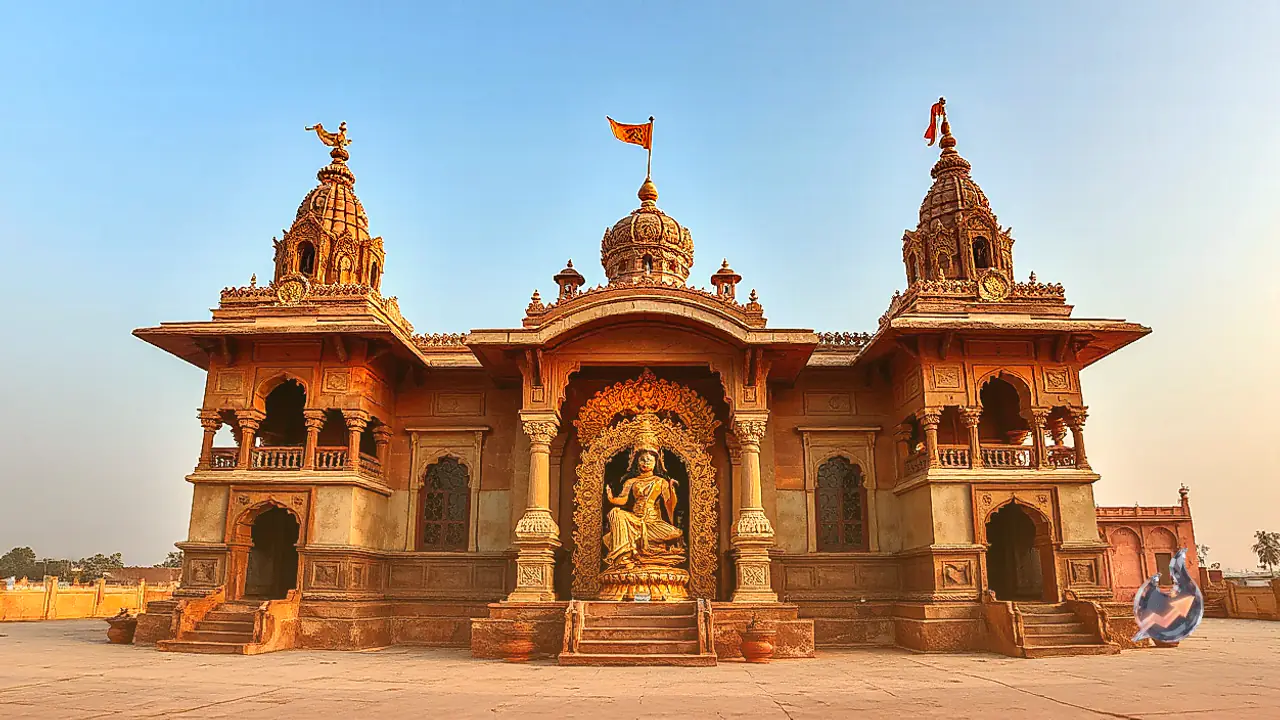














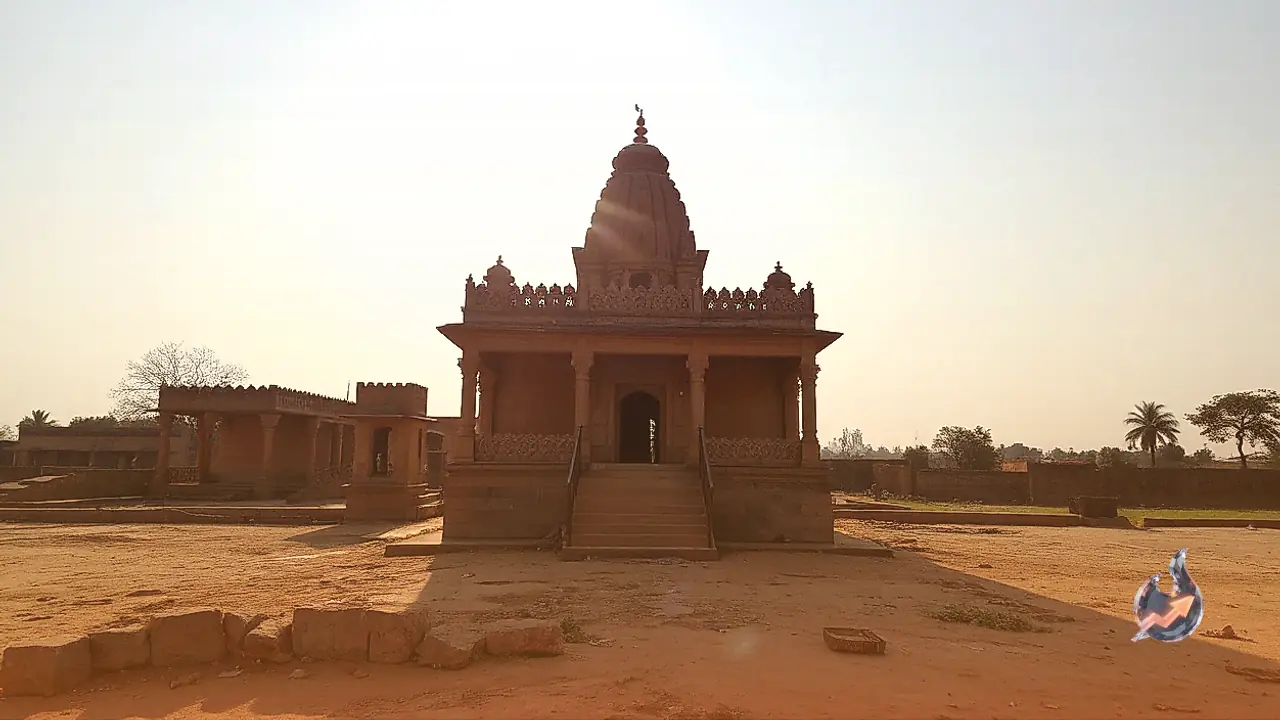

Nestled in the Basantgarh village of Rajasthan's Sirohi district, the ancient Sun Temple stands as one of the state's oldest surviving sun shrines. Constructed following the seventh-century Sun Temple located in Varman within the same district, this site yielded an ancient inscription dating back to 625 CE that offers critical insights into the regional history and religious practices of that era.
Pindwara Proximity and the Legacy of Ancient Vatpur
Situated roughly 13 kilometers away from the Pindwara town, the sun temple in Basantgarh represents one of the oldest sacred structures in the locality. According to local villagers, the history of the temple traces back approximately two thousand years. The 625 CE inscription discovered in Basantgarh was linked to the reign of King Varmalata, detailing the administration of feudatory rajas of the Arbuda region along with contemporary religious observances. In antiquity, Basantgarh was known by the name Vatpur. This epigraph assists researchers in deciphering the political and spiritual dynamics of the territory. The surrounding area also hosts the remnants of Achalgarh fort, the Lahini stepwell, and a Brahma temple.
The Earliest Reference to the Term Rajasthani in Inscriptions
According to historian Dr. Udaisingh Dingar, the inscription found in Basantgarh contains a reference to the term 'Rajasthanıyaditya'. This is regarded as one of the earliest recorded uses of a root resembling the word 'Rajasthan' in ancient times. In the year 625 CE, the entire region was governed by the Chapavamsa king Varmalata, whose feudatory Rajjila administered the Aburoad territory. Later on, Maharana Kumbha conquered Basantgarh and commissioned the construction of the Basanti fort here. The area subsequently derived its name, Basantgarh, from this very fortress. Even today, remnants of the fort walls remain visible across the distant hills.
Ruins and Ravages of Time at Basantgarh
As centuries passed, the ancient heritage of Basantgarh gradually slipped into obscurity. Local traditions and accounts suggest that foreign invasions inflicted severe damage and pillage upon the temples of this area. Historical narratives indicate that the raids led by Mahmud of Ghazni and Alauddin Khilji damaged the temples, fracturing the dome and idols of the Sun Temple. According to local elder Kishan Singh, the identity of the Basantgarh Sun Temple is rooted in its traditional stone architecture and craftsmanship. These remnants offer a glimpse into ancient temple-building techniques. While time has severely degraded the structure, the surviving architectural remains continue to hold immense value for history enthusiasts. At present, the temple is protected under the Department of Archaeology.