

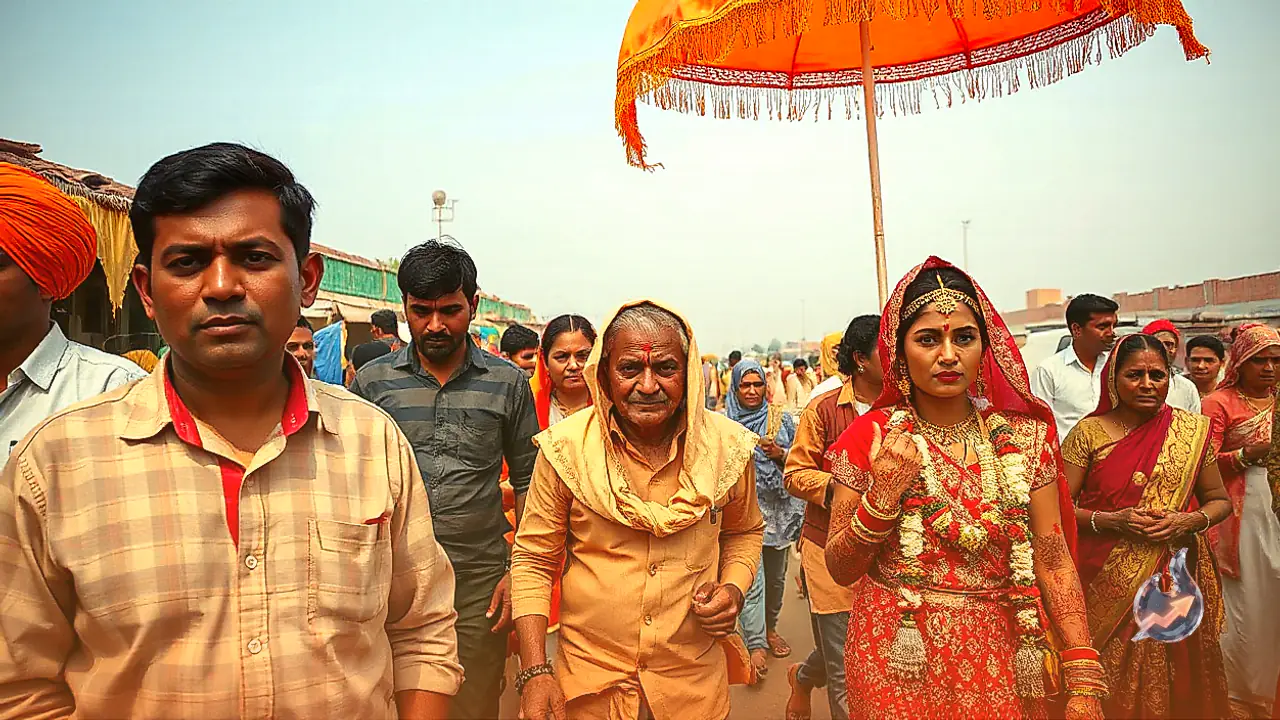














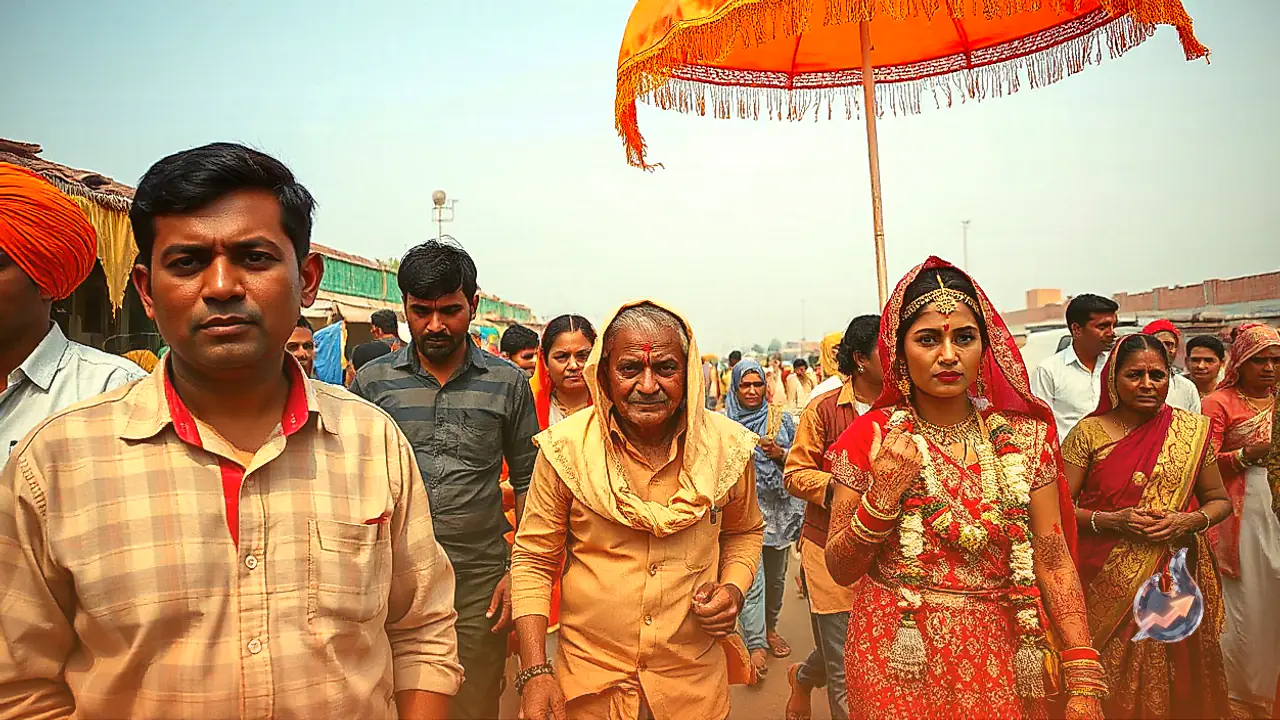

Humanity has long searched for the true meaning of devotion and sacrifice in relationships, yet few tales resonate as deeply as the folklore found in the deserts of Rajasthan. In the regions of Pali and Marwar, the revered folk deity Iloji is remembered not for a triumphant union, but for an eternal saga of profound love and unrelenting grief. The moment he had dreamed of for years, the culmination of quiet glances and familial blessings, was shattered in a single fleeting moment by a cruel twist of fate. Just as the wedding procession was fully assembled and on the verge of stepping across the threshold to welcome his bride, devastating news arrived that completely upended his world. The profound shock of losing his beloved before the wedding could take place left Iloji broken, compelling him to remain unmarried for the rest of his life and to never seek another companion. To this day, the ancient shrine dedicated to Iloji in Pali stands as a silent testament to that undying romance, drawing countless couples and hopeful worshippers from far and wide who come to offer their prayers.
Festivals like Karwa Chauth are traditionally celebrated as symbols of unwavering devotion, sacrifice, and the eternal bond between husbands and wives, with married women fasting for the long life of their partners. Yet, history and folklore occasionally unveil romances that transcend conventional boundaries, telling stories of devotion so absolute that they echo across centuries. Such is the enduring legend of Iloji, a folk deity worshipped intensely across Rajasthan during the vibrant celebrations of Holi and Holika Dahan, representing the purest form of love and renunciation. According to regional beliefs and oral traditions, Iloji was deeply and unconditionally in love with Holika, the sister of the powerful demon king Hiranyakashyap. As their affection blossomed and mutual consent was established, grand preparations for their wedding were initiated with much fanfare and joy. On one side, preparations were underway to assemble the wedding party and ride out with festive celebrations, while on the other, Hiranyakashyap was plotting a dark scheme to eliminate his own son Prahlad, a devout follower of Lord Vishnu. When all ordinary attempts failed to bend the young devotee's faith, the tyrant turned to his sister Holika for assistance, drawing her directly into his malicious plot.
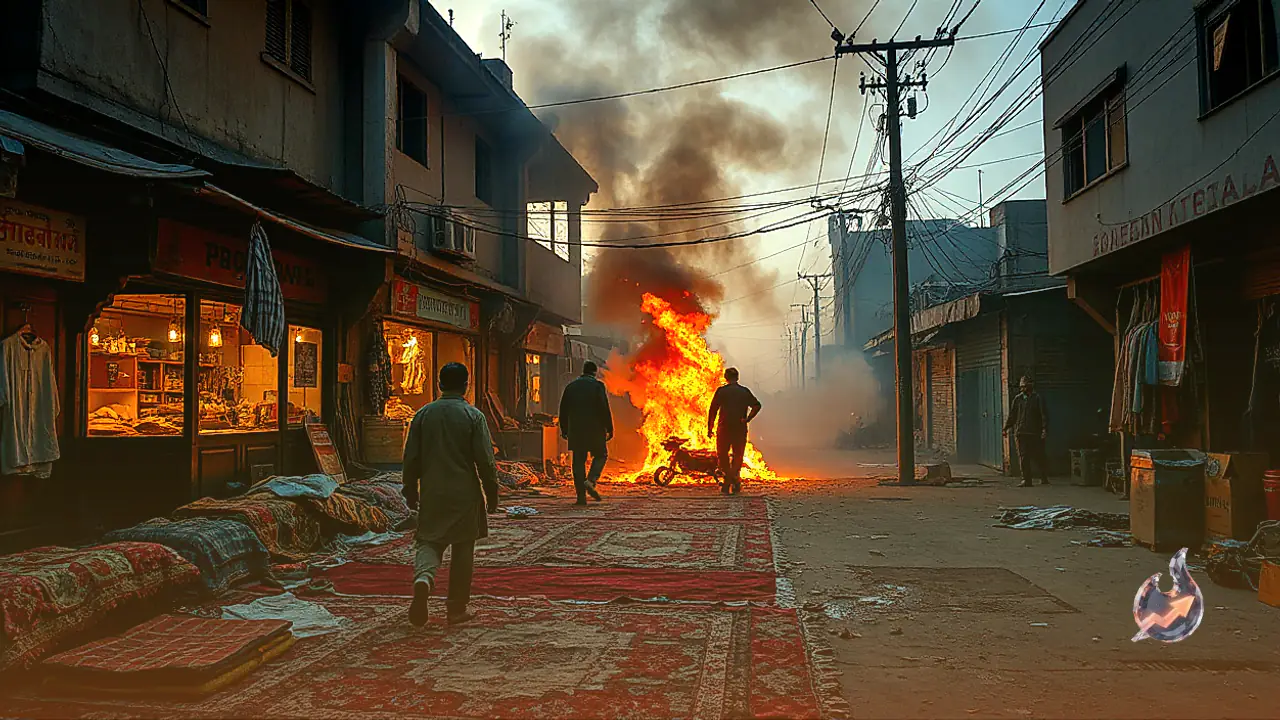
Prompted by her brother's persistent requests and relying on a divine boon that supposedly protected her from fire, Holika seated herself firmly amidst a blazing inferno with young Prahlad cradled in her lap. However, the supernatural protection failed in the face of absolute righteousness, and Holika was completely consumed by the raging flames, while Prahlad emerged from the fire entirely unharmed. Meanwhile, Iloji was fully prepared to lead his exuberant wedding procession to claim his bride, completely unaware of the tragedy unfolding miles away, until word of Holika's sudden death reached him along the journey. The agonizing realization that his beloved had perished in the fire shattered his spirit completely, plunging him into an abyss of inconsolable grief. According to regional folklore, upon seeing the charred remains of Holika, Iloji wept bitterly and broke down in uncontrollable sorrow. In a gesture of supreme devotion and ultimate renunciation, he smeared the sacred ashes of Holika's funeral pyre across his own body and took a solemn, lifelong vow never to marry anyone else.
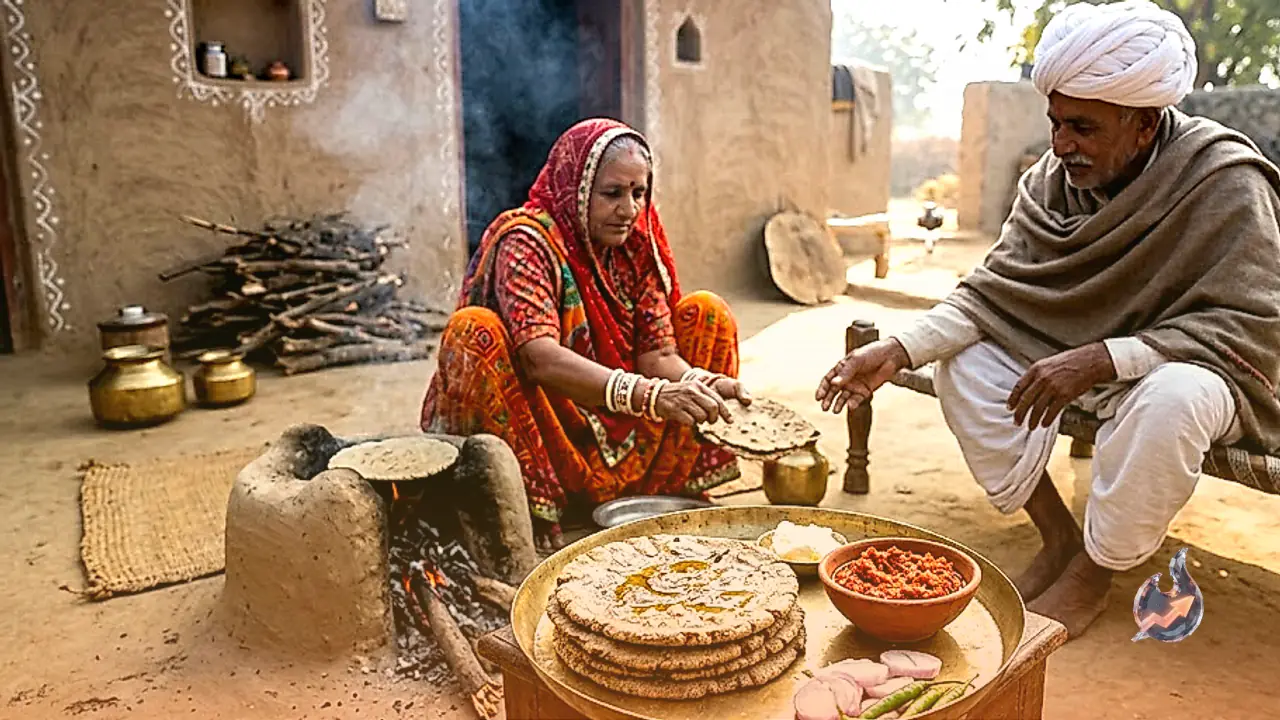
Even in contemporary times, though societal structures have transformed immensely, Iloji continues to be revered as an important folk deity across numerous towns and villages in Rajasthan. In the Marwar landscape, he is affectionately recognized as a carefree, unique, and unconventional deity, and in several localities, he is worshipped as an emanation of Bhairunath, an avatar associated with Lord Shiva. The idols of Iloji crafted for worship are distinctively adorned, featuring traditional groom's attire including a brightly colored turban and a decorative plume perched on his head. A garland of fresh flowers resting around his neck and traditional bangles adorning his wrists give his statues a strikingly unique identity. According to longstanding local customs and beliefs, women who yearn for the blessing of progeny visit Iloji's shrines to offer sincere prayers and seek divine intervention. Furthermore, local merchants and business owners frequently pay homage to the deity with the aspiration of achieving rapid financial growth, commercial prosperity, and abundance, which ensures a steady and continuous stream of devotees visiting the temples throughout the year.
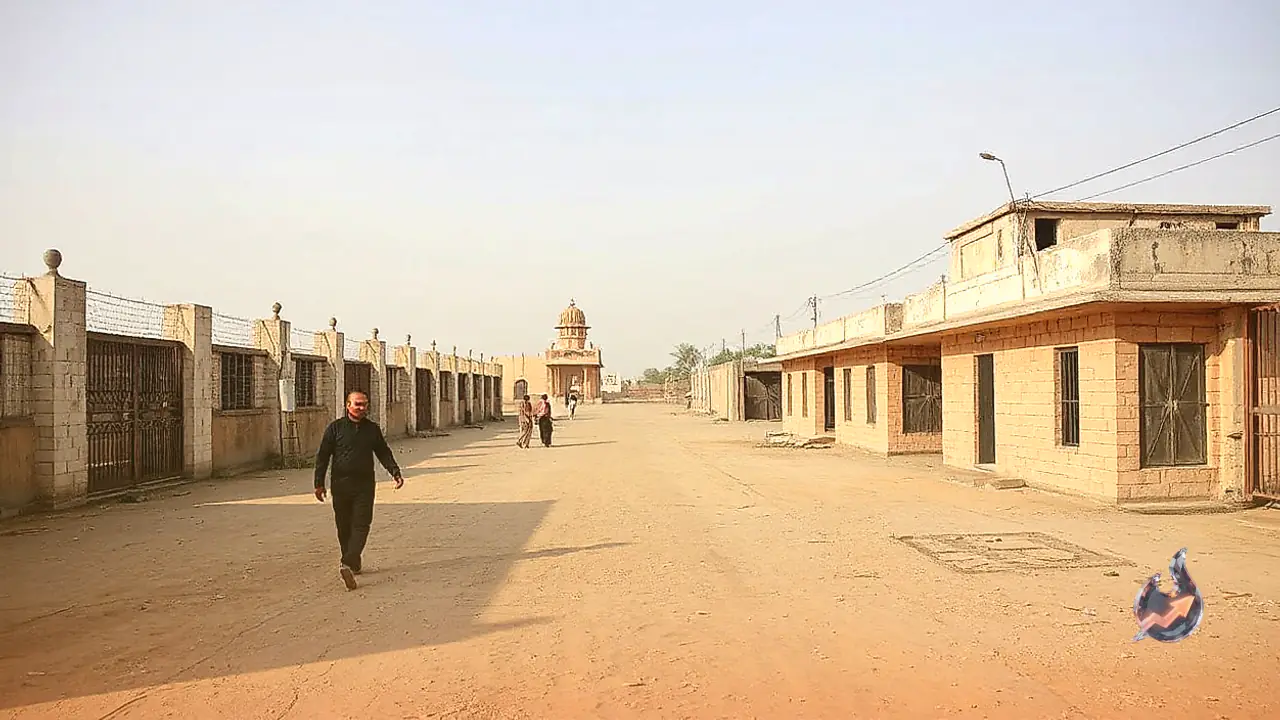
The ancient tradition of worshipping Iloji remains as vibrant today in Pali and several neighboring areas of Marwar as it was roughly a century and a half ago. According to local residents and prominent traders, special religious rituals and observances are meticulously conducted at the historic Iloji shrines situated in the busy commercial hubs of Dhanmandi and Sarafa Bazaar, which date back about 150 years. During the festive fairs held on the occasions of Holi and Dhulandi, the surrounding areas come alive with a vivid display of indigenous folk culture and age-old traditions that captivate every observer. This timeless folk tale of Iloji imparts a profound philosophical lesson that true love is never restricted merely to acquiring a formal relationship or fulfilling societal expectations, but is rather found in absolute surrender and the lifelong preservation of a cherished memory. This enduring sentiment is precisely why the story of Iloji continues to be narrated with deep reverence from generation to generation across the households of Rajasthan.