



















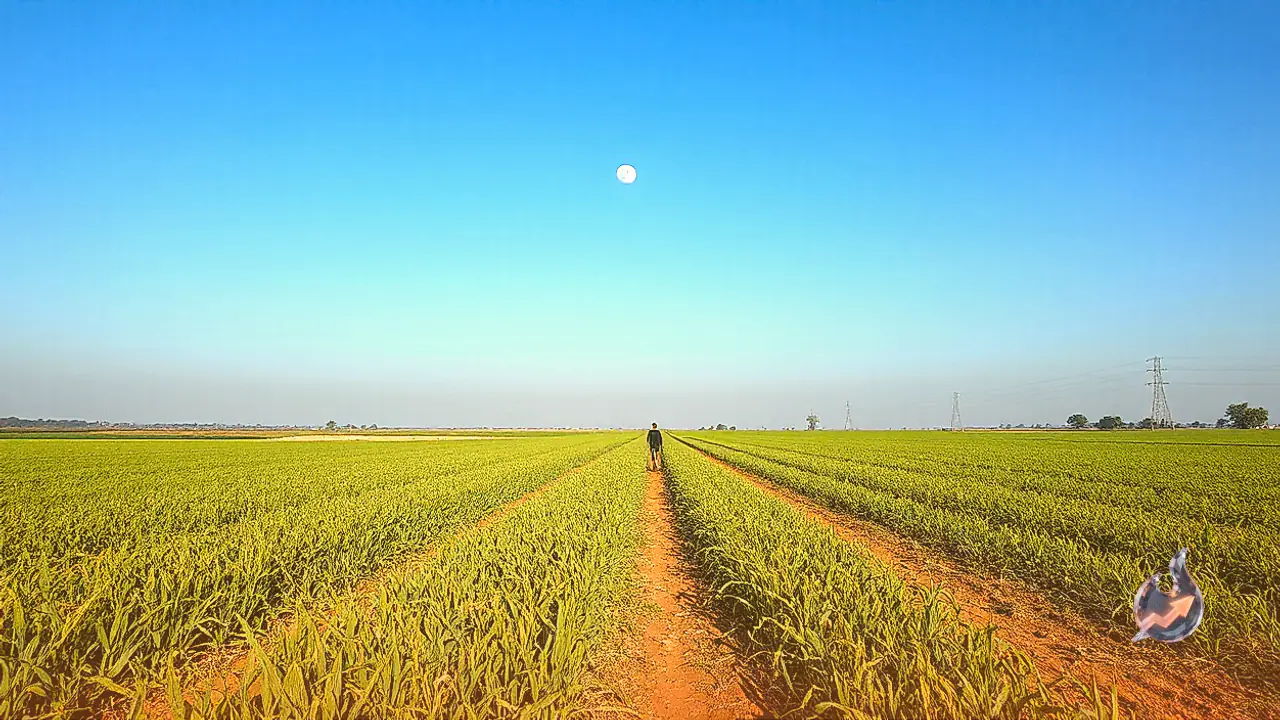

With the arrival of October, moong crops across the fields of Jalore have fully ripened and are now ready for harvesting. Farmers in various parts of Jalore are deeply engaged in cutting down the crop, transforming the landscape as fields take on green and golden hues. As the crop reaches full maturity, the attention of farmers has shifted entirely toward completing timely harvests and securing favorable market prices afterward. Agricultural activity in the fields has naturally accelerated, with cultivators rushing to finish harvesting operations on schedule while closely monitoring changing weather conditions.
A Vital Pulse Crop Requiring Minimal Water
Moong stands out as a prominent pulse crop capable of maturing within a short duration and with very little water. This characteristic makes it an exceptionally useful kharif season crop for regions with limited water resources. Once the crop is ready, harvesting it at the exact right time becomes crucial to minimize potential losses caused by over-ripening, which can cause seeds to drop from the pods directly onto the ground. Following the harvest, farmers thoroughly dry the crop before initiating the process of separating the grains from the pods.
Farmers Hopeful For Bountiful Yields and Better Rates
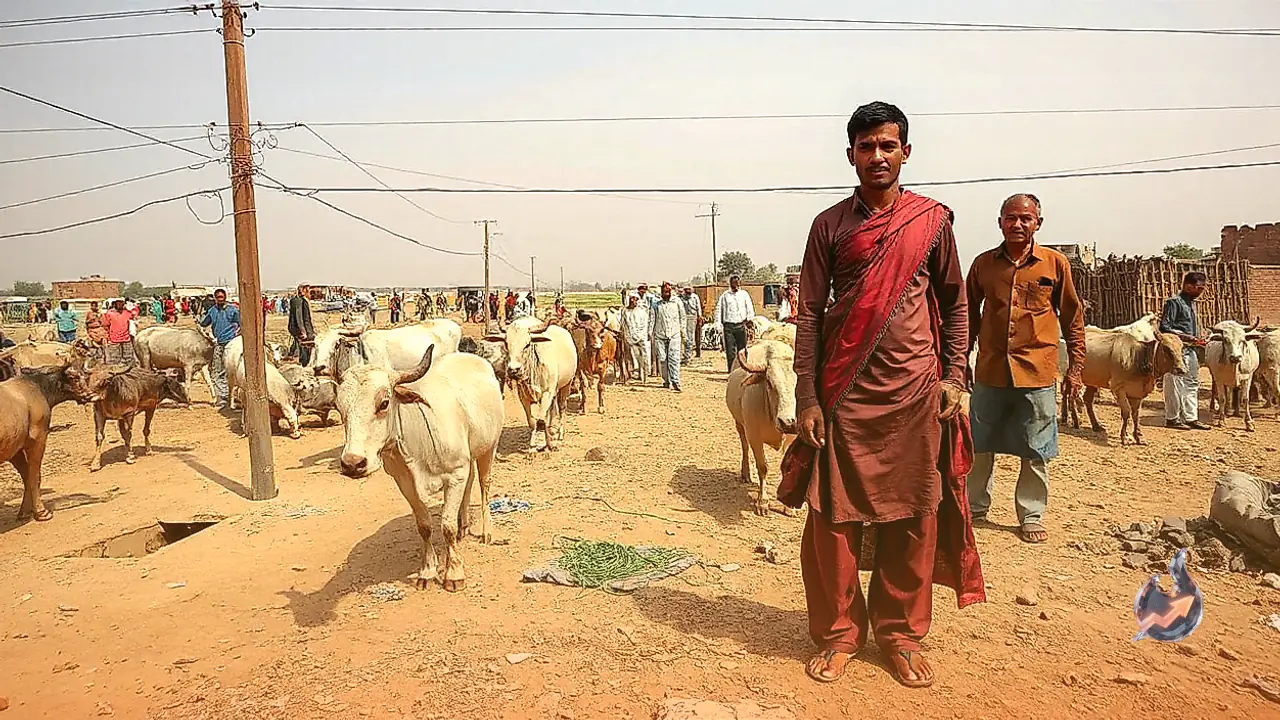
A local farmer named Manaram shared that he had sown moong in his fields this season, and the crop has now matured, making way for active harvesting work. According to him, moong requires significantly less water compared to several other crops, which is why farmers in the region prefer cultivating it. Farmers are now pinning their hopes on achieving a strong yield alongside receiving better pricing conditions inside the marketplace.
How Market Prices Are Determined for Farmers
Manaram explained that clear weather during the harvesting period makes managing the crop much easier and ensures that work finishes on time. After the harvest concludes, farmers complete the drying and threshing process, following which the prepared moong is transported to the local market. The price that farmers receive in the mandi depends directly on the quality of the moong, its moisture content, and prevailing market conditions. Because of this, farmers pay close attention not just to harvesting, but also to cleaning the crop and storing it safely. Moong that is thoroughly dried and properly cleaned is regarded as high-quality produce in the market.
The Challenge of Protecting Crops from Moisture and Rain
The month of October frequently brings sudden shifts in weather patterns. Under such circumstances, protecting the harvested crop from moisture and unexpected rainfall becomes an essential challenge for farmers. Rather than leaving the harvested moong out in the open for extended periods, cultivators strive to store it in dry and secure locations. Timely harvesting combined with correct storage methods drastically reduces the likelihood of crop spoilage.