


















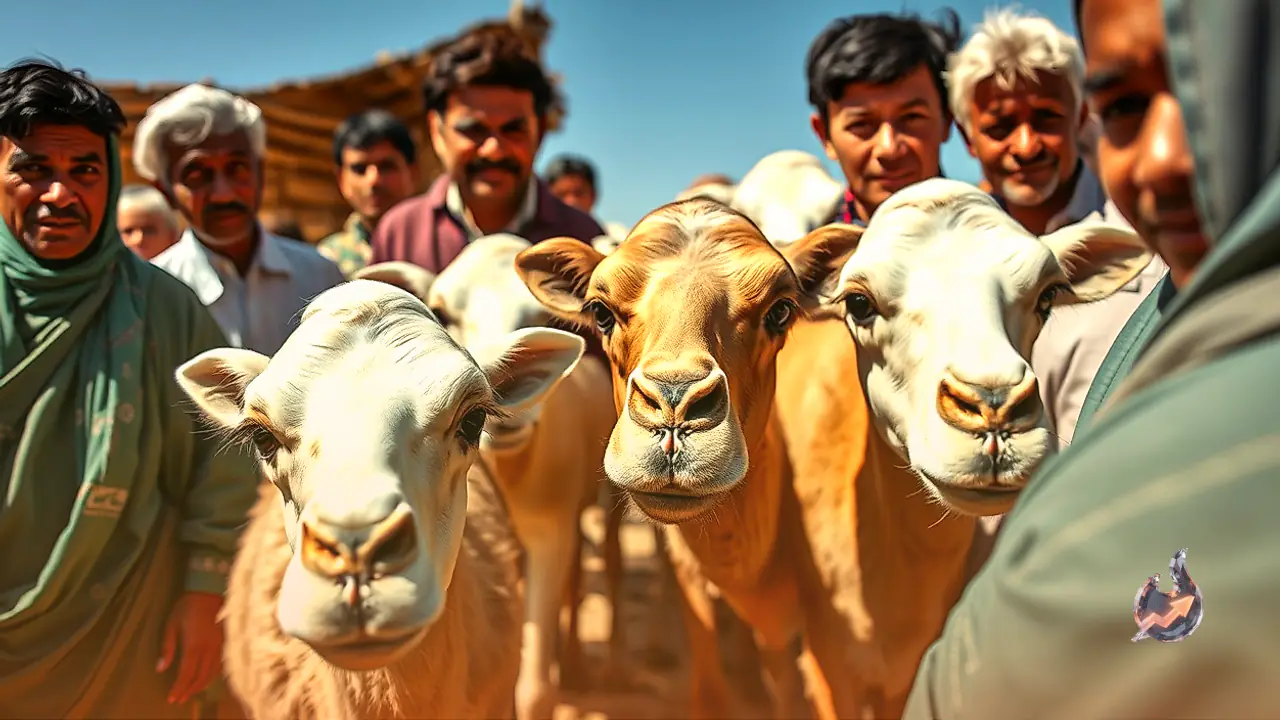

For generations, cow and buffalo milk have remained the standard choice for morning tea and daily nutrition in households. However, in the arid stretches of the desert, camel milk is steadily transforming the health and wellness landscape, surpassing many conventional superfoods. Acknowledging its dense nutritional profile and health advantages, nutritionists and medical experts have increasingly begun referring to it as white gold. What was once purely a subsistence staple for pastoral communities has now transitioned into a focal point of modern scientific research and retail wellness markets.
A Pastoral Staple Gaining Widespread Health Appeal
Throughout the sandy landscapes of the Thar Desert, camel milk has long been treasured as an extraordinary reservoir of vitality. In districts such as Barmer, Jaisalmer, Balotra, Bikaner, and Jalore, where camels are found in abundance, the milk is readily accessible to local populations. Comprehensive nutritional evaluations indicate that it supplies a well-balanced combination of proteins, fats, lactose, calcium, potassium, and various vital vitamins, elevating it far beyond a regular dairy product.
Immune Defense Driven by Bioactive Proteins
Explaining the biological potency of camel milk, Dr Ramesh Dhande, Deputy Director of the Ayurveda Department, pointed out that it is packed with crucial bioactive proteins including lactoferrin, lysozyme, and immunoglobulins. These active compounds function together inside the human body to effectively double its resistance and defense against invading pathogens. Consequently, medical observers view this milk not merely as customary nourishment, but as a critical therapeutic addition to the daily diet.
Natural Support for Diabetes Management
Beyond functioning as a versatile restorative tonic for everyone from young children to the elderly, camel milk has earned considerable attention for metabolic care. It contains natural properties remarkably similar to insulin. Because of these unique components, regular consumption offers substantial support in regulating blood sugar spikes, making it an effective nutritional aid for individuals working to manage diabetes.
Lighter Texture, Higher Vitamin C, and Skincare Value
In physical composition, camel milk is noticeably thinner and far less viscous than milk obtained from cows, buffaloes, sheep, or goats. It is inherently low in fat while containing significantly higher levels of vitamin C compared to standard bovine milk. The presence of rich antioxidants also helps nourish the skin and sustain a youthful appearance, which explains its rising integration into premium cosmetic formulas and beauty items.
Strengthening Digestion, Bones, and Cardiovascular Health
According to Dr Ramesh Kumar Dhande of the Barmer Ayurveda Department, camel milk delivers wide-ranging physiological benefits that extend to fortifying the digestive tract, reinforcing bone density and joint integrity, and supporting heart function. In local markets across Barmer, fresh camel milk is currently retailing at 100 rupees per litre, reflecting steady consumer interest and offering promising economic opportunities for regional camel breeders.