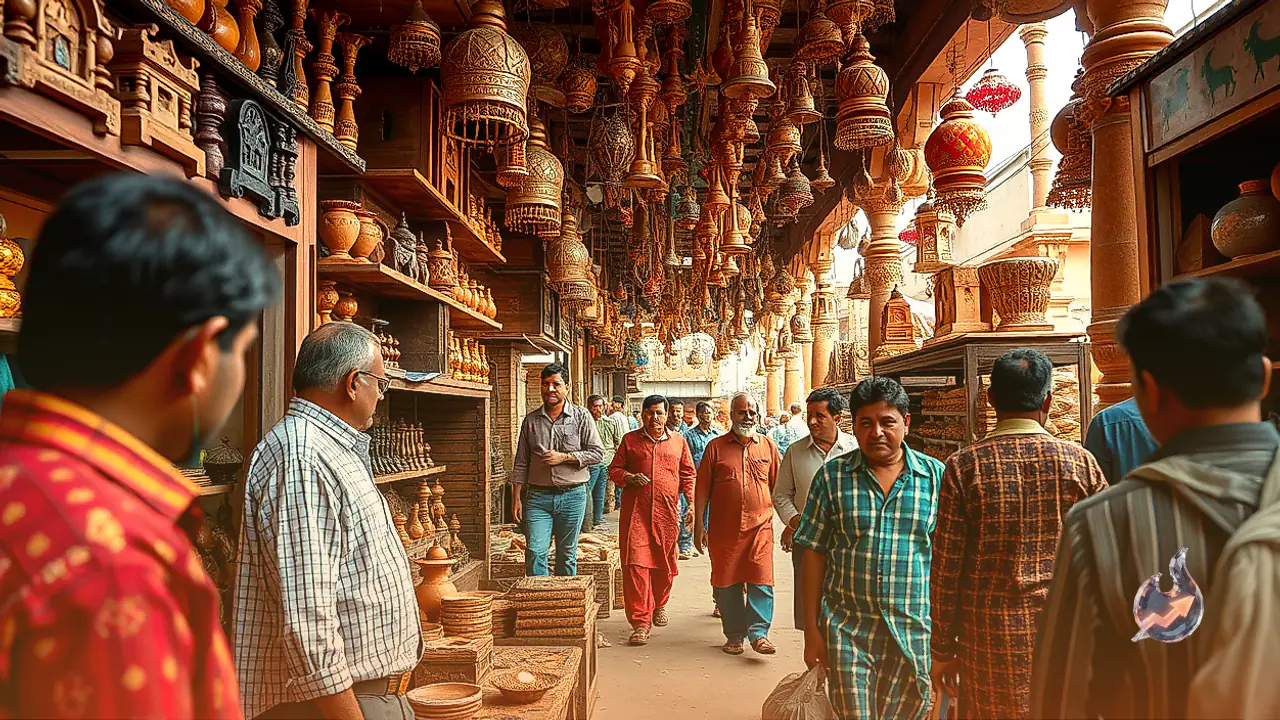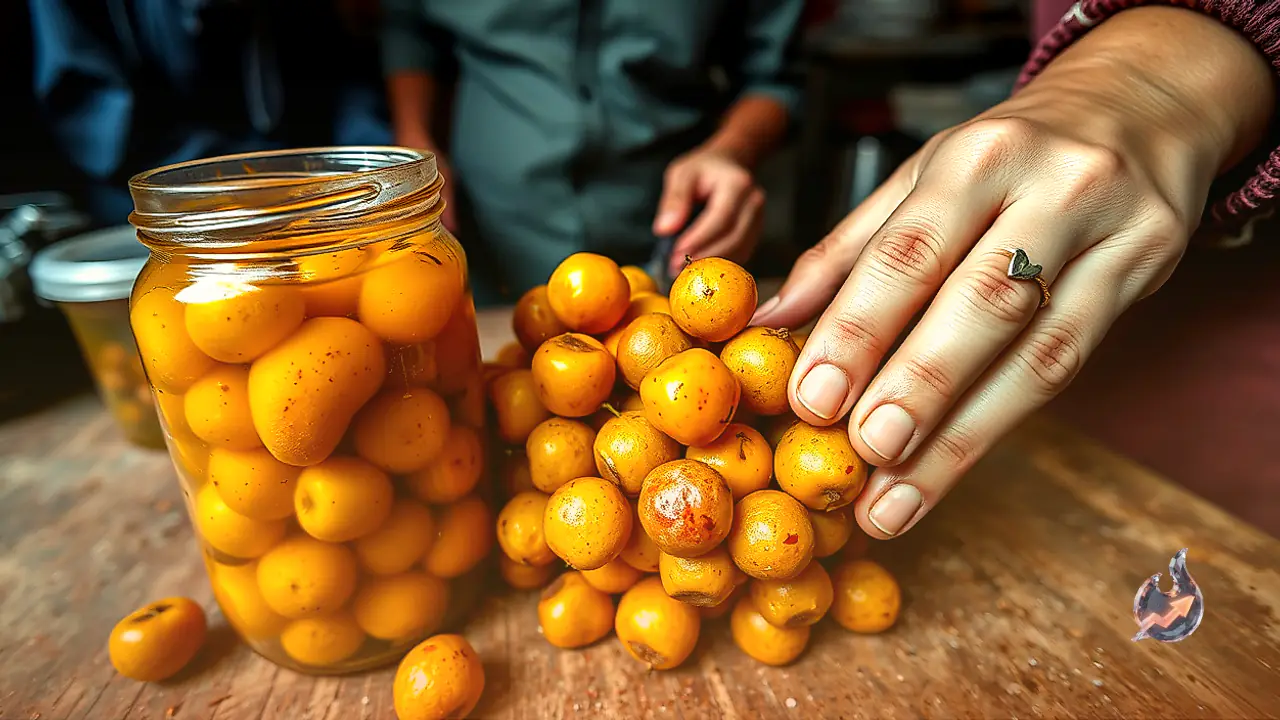


















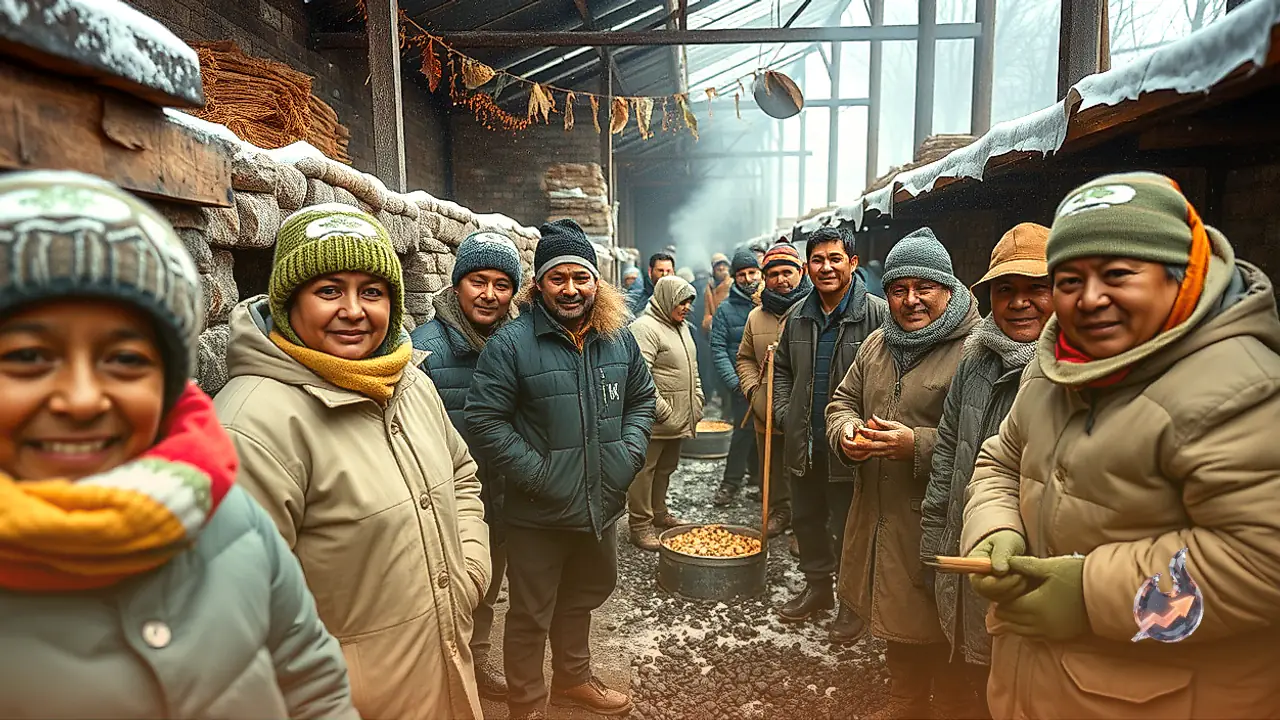

With the arrival of mild autumn chill in October, culinary traditions across Rajasthan's Marwar region undergo a distinct seasonal shift. While Pali district is internationally renowned for the fragrance of its henna, the arrival of winter brings its traditional sweets to center stage. As cooler weather sets in, the celebrated local delicacy known as 'Teelot Mawa' in Sojat town has once again begun simmering over open cooking hearths. Crafted notably by Bhanwar Ba, widely known through the local establishment Bhanwar Chakki, this regional preparation enjoys immense acclaim. Rather than serving merely as a festive dessert, Sojat's Teelot Mawa acts as a nutrient-dense winter staple that delivers sustained energy. Right from the beginning of October, sweetmakers across Sojat set up massive iron cauldrons to boil pure milk down into rich, concentrated mawa.
Slow-Roasting Technique and Wholesome Dry Fruit Infusion
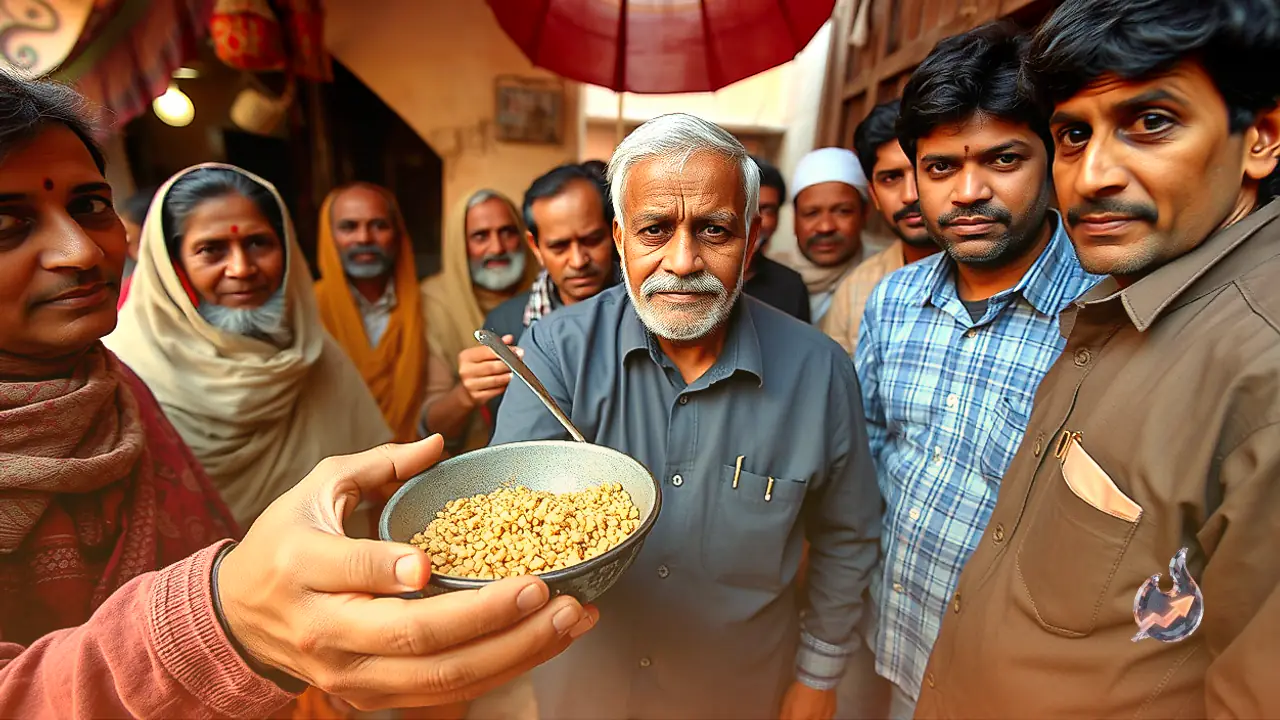
The defining element of this preparation lies in its authentic rustic methodology. The khoya, derived entirely from pure milk, is roasted over a gentle flame until it releases an unmistakable earthy aroma. Sweetmakers then introduce a generous combination of sesame seeds alongside dry fruits, including almonds, cashews, pistachios, and cardamom. This combination elevates the flavor profile while transforming the sweet into a nourishing, stamina-boosting food designed specifically for cold weather.
Boosting Body Warmth and Seasonal Resilience
During the cooler months, Sojat's Teelot Mawa is regarded as an effective dietary aid for sustaining internal warmth and strengthening immune resilience. Winter consumption of sesame seeds and nuts is traditionally viewed as highly therapeutic, as their natural fats provide steady heating to the body. Consequently, residents of Pali, visitors from neighboring districts, and travelers from outside the state make it a point to purchase freshly packaged boxes of Teelot Mawa to take home. Visitors heading toward Sojat during this seasonal transition frequently stop by the active hearths to savor this steaming delicacy fresh from the cauldron.
Step-by-Step Heritage Preparation Over Coal Hearths
Instead of relying on modern industrial appliances, sweetmakers in Sojat continue to prepare this dish over traditional wood and coal hearths. Cooking over slow, measured heat allows the roasted aroma and taste to linger for extended periods. The preparation process involves three careful stages
- Boiling the Milk: Large quantities of pure milk are boiled in heavy iron vats for several hours until reduced to thick, granular khoya.
- Blending Seeds and Nuts: Once the mawa reaches the desired texture, roasted white sesame seeds, cashews, almonds, pistachios, and green cardamom powder are folded into the mix.
- Gentle Final Roasting: All components are cooked together over low heat, ensuring that the natural oils and distinct flavors of the sesame and nuts permeate the milk base completely.
A Winter Favorite Alongside Pali's Renowned Gulab Halwa
As pleasant October temperatures settle in, consumers regularly enjoy this preparation both as a morning breakfast accompaniment and as a daily sweet treat. To keep pace with this surging local and regional appetite, sweetmakers ramp up production across town markets, turning out large daily batches. Within the regional confectionery landscape, local food enthusiasts note that after Pali's iconic Gulab Halwa, this wintertime specialty from Sojat ranks as the area's most sought-after sweet.