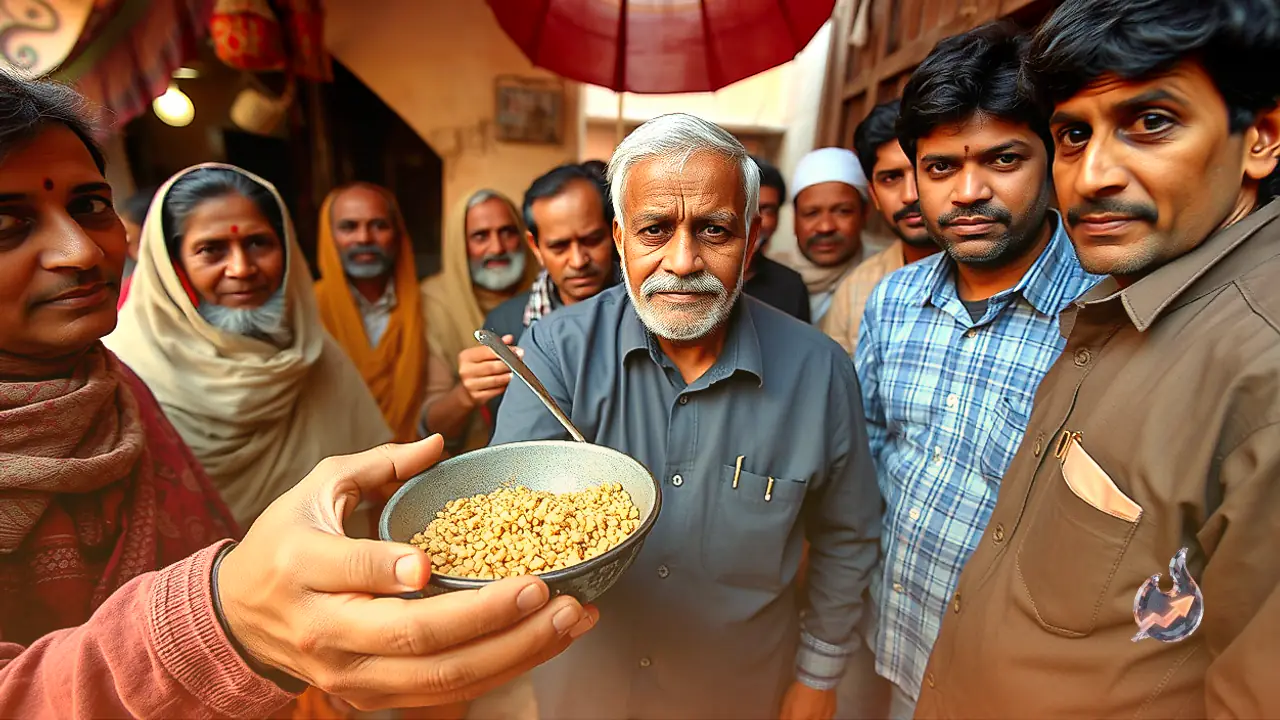
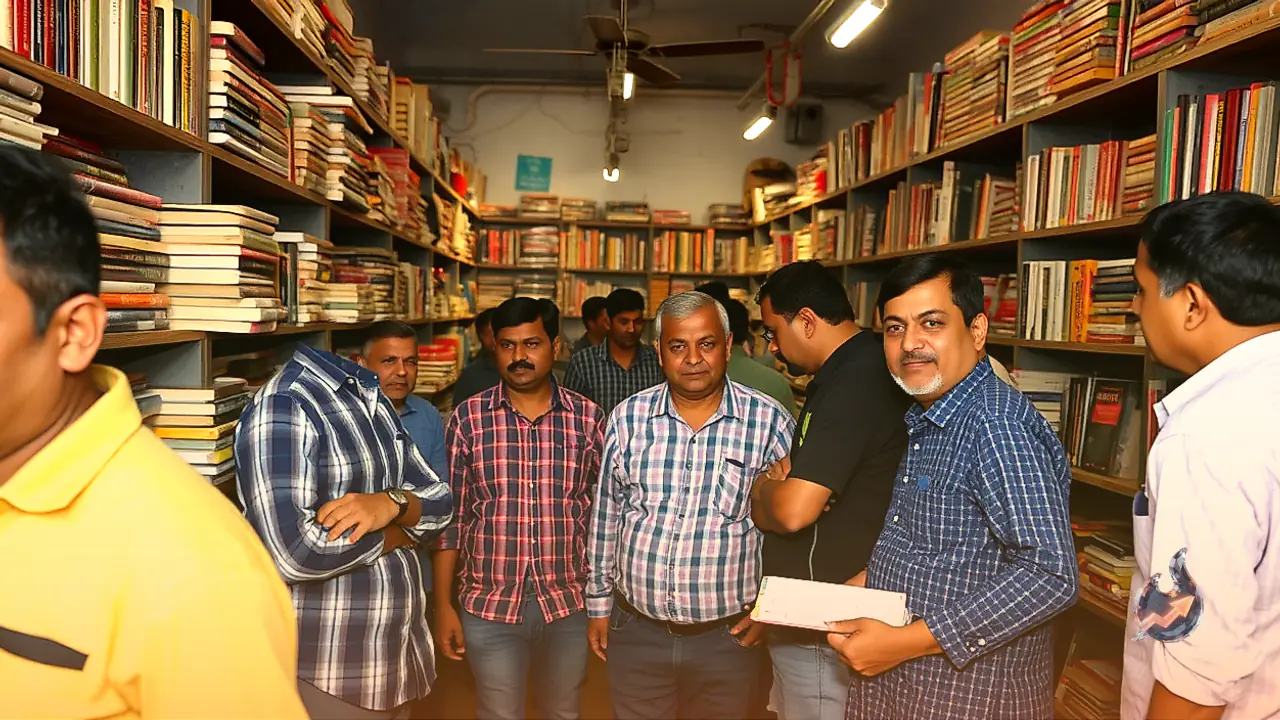
















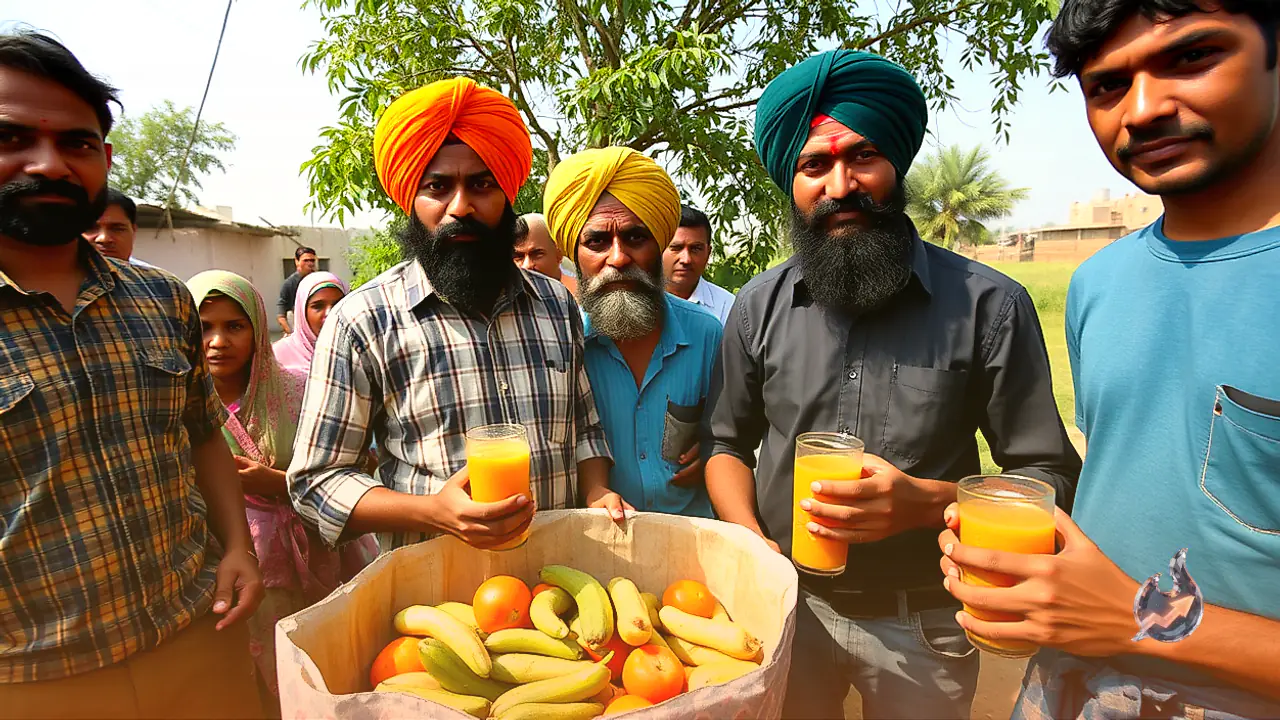

A notable realignment appears to be taking shape in Rajasthan as independent and combative young leaders begin consolidating their grassroots influence against the state's traditional political parties. In a significant move on Sunday, Ravindra Singh Bhati, the independent Member of the Legislative Assembly representing Sheo in western Rajasthan, arrived in Baran to meet farmer leader Naresh Meena, who had been observing an indefinite hunger strike over agricultural grievances. Bhati offered Meena a glass of juice to formally break his fast, immediately triggering intense speculation across state political circles about the revival of a viable third front.
The Strategic Significance of the Joint Stage
The convergence of these two high-profile agitators on a single platform in Baran extends well beyond a routine show of solidarity. Although neither leader explicitly proclaimed the establishment of a formal political coalition during the event, observers interpret the gesture as a strategic coordination of distinct voter bases. Meena has been actively courting rural support by championing farming and youth issues, while Bhati has been spearheading a statewide mobilization demanding the procedural simplification of Economically Weaker Section (EWS) reservation criteria. By presenting a united front, the duo has signaled an appetite among younger voters for street-level mobilization outside established party apparatuses.
Naresh Meena Trajectory from Samrawata to Jhalawar
Meena rose to widespread prominence following a volatile confrontation during the Deoli-Uniara assembly constituency by-election in Tonk district. At the village of Samrawata, disputes over administrative polling arrangements culminated in Meena publicly slapping the Sub-Divisional Magistrate (SDM), an altercation that instantly triggered widespread unrest, police intervention, and his subsequent arrest. During his prolonged eight-month incarceration, his support base continued to swell as various community councils and caste panchayats threw their weight behind him. Upon securing release, Meena promptly visited Samrawata before mobilizing major farmer protests in Jhalawar, cementing his persona as an uncompromising grassroots campaigner who operates on the mantra of walking alone until a caravan forms.
The Pre-Existing Alliance with Rajendra Singh Gudha
Bhati is not the first heavyweight to align with Meena in recent months. Senior Shekhawati politician and former minister Rajendra Singh Gudha had previously extended full backing to Meena when the latter launched a sustained farmer agitation on October 2. Gudha has a long history of independent and Bahujan Samaj Party (BSP) victories, having twice served as a cabinet minister while supporting the former Ashok Gehlot-led government. However, escalating grievances with the administration led Gudha to turn sharply combative, culminating in his dramatic expulsion from the cabinet after he publicized the controversial 'Red Diary' allegations. Gudha's consistent history of defiance against ruling dispensations makes his partnership with Meena a key component in this emerging regional faction.
Ravindra Singh Bhati Growing Foothold Across the State
Ravindra Singh Bhati secured his legislative seat from Sheo as an independent contender despite a strong Bharatiya Janata Party (BJP) wave, making him the sole Gen Z lawmaker in the 200-member Rajasthan Legislative Assembly. After drawing massive youth participation through his 'Save Oran' environmental campaign across western Rajasthan, Bhati took his political ambitions to the national stage during the 2024 Lok Sabha elections. Contesting the Barmer-Jaisalmer parliamentary seat as an independent, he transformed the contest into one of the country's most fiercely contested triangular battles. Backed by massive social media engagement, Bhati pushed former Union Minister of State Kailash Choudhary to third place, stunning major political strategists despite ultimately falling short of victory.
Can an Alternative Youth Front Break the Traditional Duopoly?
Historically, third-front initiatives in Rajasthan have struggled to maintain momentum against the entrenched two-party system. Yet the current dynamic is distinct because the impetus comes from younger, combative figures who command organic digital following and are willing to take their demands directly to the streets. The political landscape is also being altered by organizations like the Bharat Adivasi Party (BAP), which has rapidly expanded in tribal pockets by leveraging dissatisfied young voters. Whether the coordination between Naresh Meena, Ravindra Singh Bhati, and Rajendra Singh Gudha evolves into a structured electoral alliance remains to be seen, but their deepening rapport has clearly forced senior political strategists to pay close attention.