























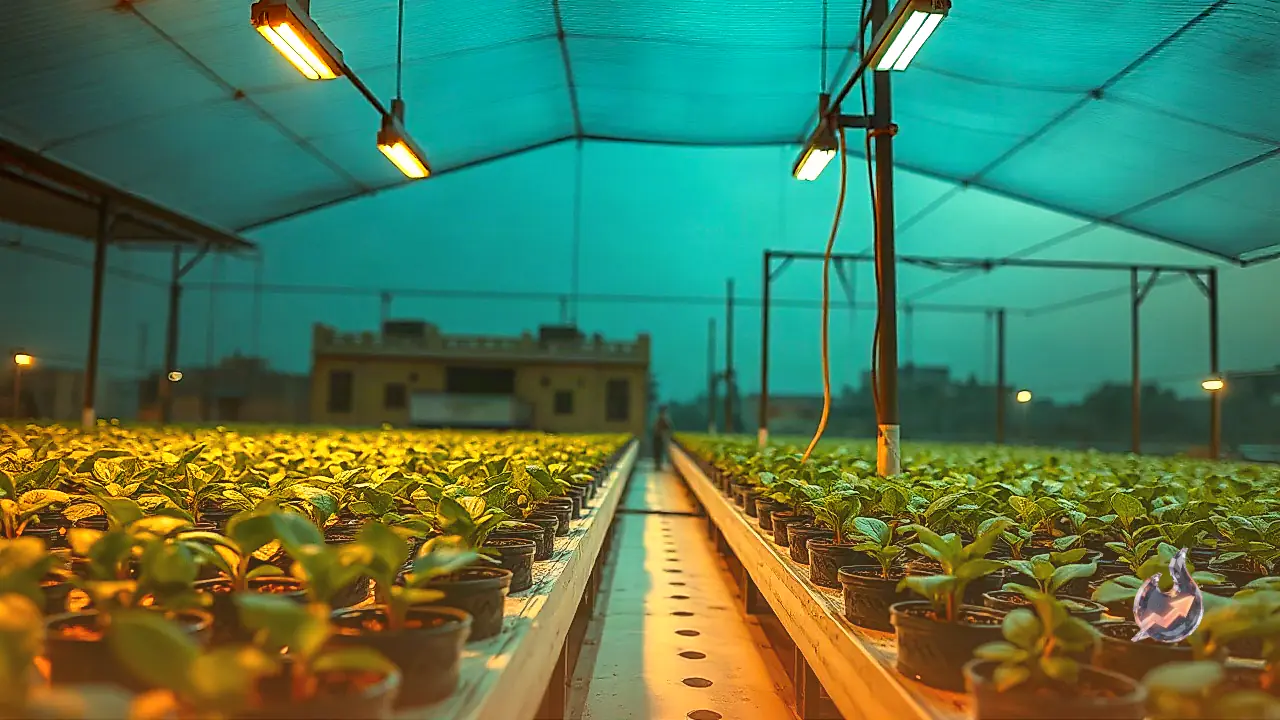

A new agricultural initiative in Udaipur, Rajasthan, is set to make vegetable cultivation significantly cheaper and more efficient for local farmers. The College of Agriculture has started cultivating ready-to-plant vegetable seedlings at extremely low costs. This development eliminates the traditional wait for seeds to germinate, allowing farmers to bypass the initial nursery stage and transplant healthy saplings directly into their fields, saving both labor and valuable time.
High-Quality Seedlings for Pennies
The College of Agriculture is currently preparing saplings for a wide variety of essential vegetables. The lineup includes everyday produce such as tomatoes, chillies, eggplants, and ladyfingers, along with cash crops like capsicum, cucumbers, and bitter gourds. The standout feature of this program is its affordability, with each healthy seedling priced at less than 25 paise. This ultra-low price point makes large-scale procurement highly feasible for small and marginal farmers, drastically lowering their initial capital expenditure at the start of the planting season.
Saving Up to 20 Days of Crucial Farm Work
Traditionally, farmers sow seeds directly in the soil or in small nursery beds, waiting anxiously for germination while managing risks like pests, erratic weather, and water scarcity. According to Dr. Kapil Dev Ameta of the Horticulture Department, utilizing these pre-grown saplings can save farmers approximately 15 to 20 days of strenuous field labor and waiting time. By immediately transplanting these ready seedlings, growers can fast-track the crop cycle and redirect their energy toward plant care, soil nourishment, and secondary farming activities. This early start is particularly beneficial during seasonal transitions, where even a delay of a few days can expose crops to unfavorable climate conditions later in their life cycle.
Empowering Farmers with Accessible Innovations
The fundamental goal of the Horticulture Department is to equip farmers with practical, cost-effective solutions that boost productivity. Dr. Kapil Dev Ameta emphasized that the department is dedicated to simplifying agricultural processes so that farmers can maximize their returns with minimal upfront investment. Looking ahead, this initiative will expand beyond seasonal vegetables. The college is actively drafting plans to develop high-yield fruit saplings, ensuring that farmers can soon source a diverse range of both fruit and vegetable plants from a single trusted institution.
Transforming the Initial Stages of Cultivation
This initiative by the Udaipur-based institution represents a highly pragmatic step toward modernizing Indian farming. By offering robust, pre-germinated saplings, the college reduces the risks of seed mortality and poor germination rates. As agriculture faces ongoing challenges of rising input costs and labor shortages, localized innovations like these play a vital role in keeping farming sustainable and attractive for the next generation of food producers. For smallholders operating on tight margins, access to such low-cost agricultural inputs provides crucial financial relief, paving the way for a more resilient and profitable harvest season.