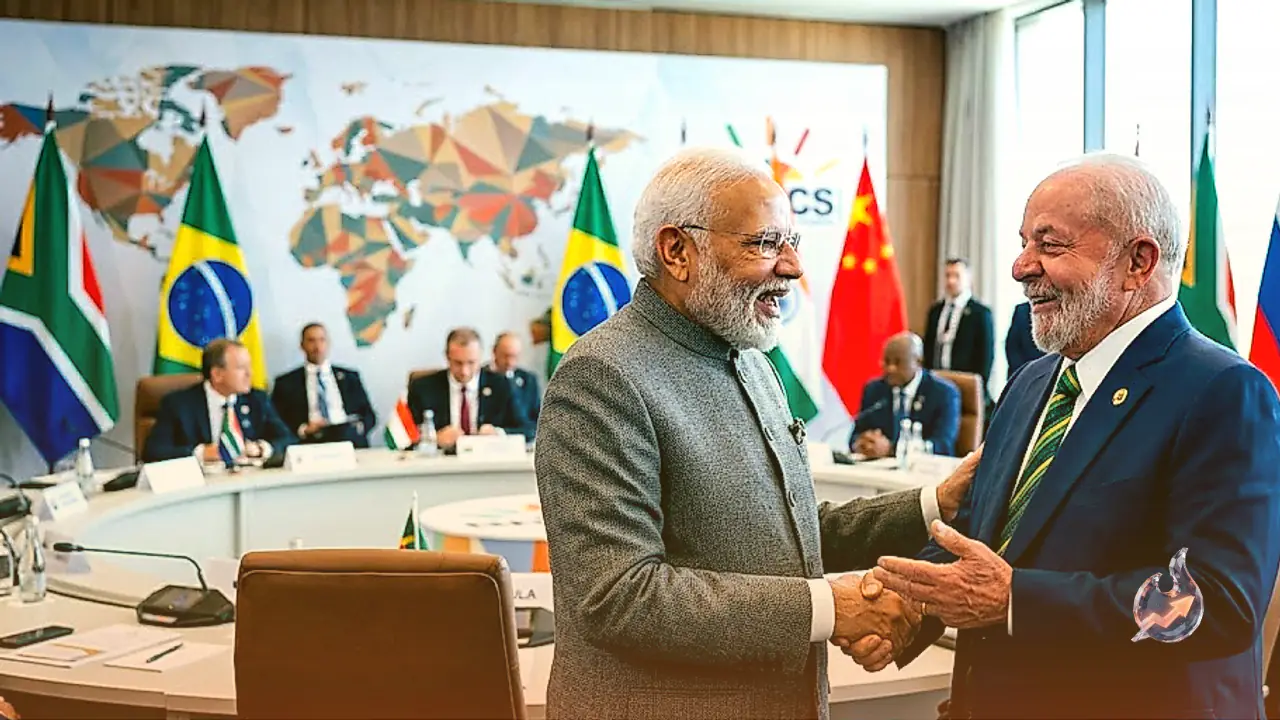





















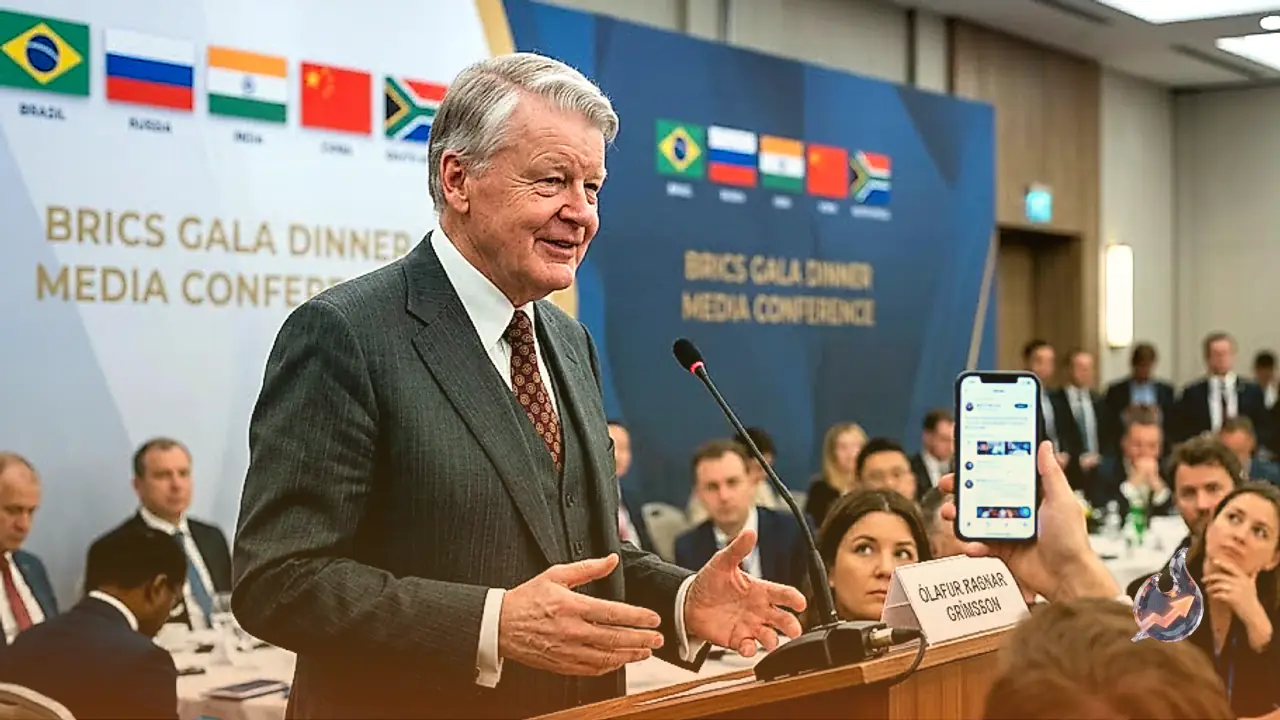

The gala dinner of the recent BRICS summit became the battleground for an intense online controversy when a completely vegetarian menu was laid out for the visiting world leaders. Almost immediately, a polarized debate erupted across various social media platforms, with opposition parties and critics launching a political offensive. They questioned the rationale behind serving an exclusively vegetarian feast to international dignitaries, arguing that because a vast majority of the Indian population consumes meat and fish, an all-vegetarian menu failed to represent the actual culinary diversity of the nation. Critics asked why the global platform was being used to project a singular culinary narrative, suggesting that the government was trying to hide India's diverse food habits.
The Unexpected Intervention from Iceland
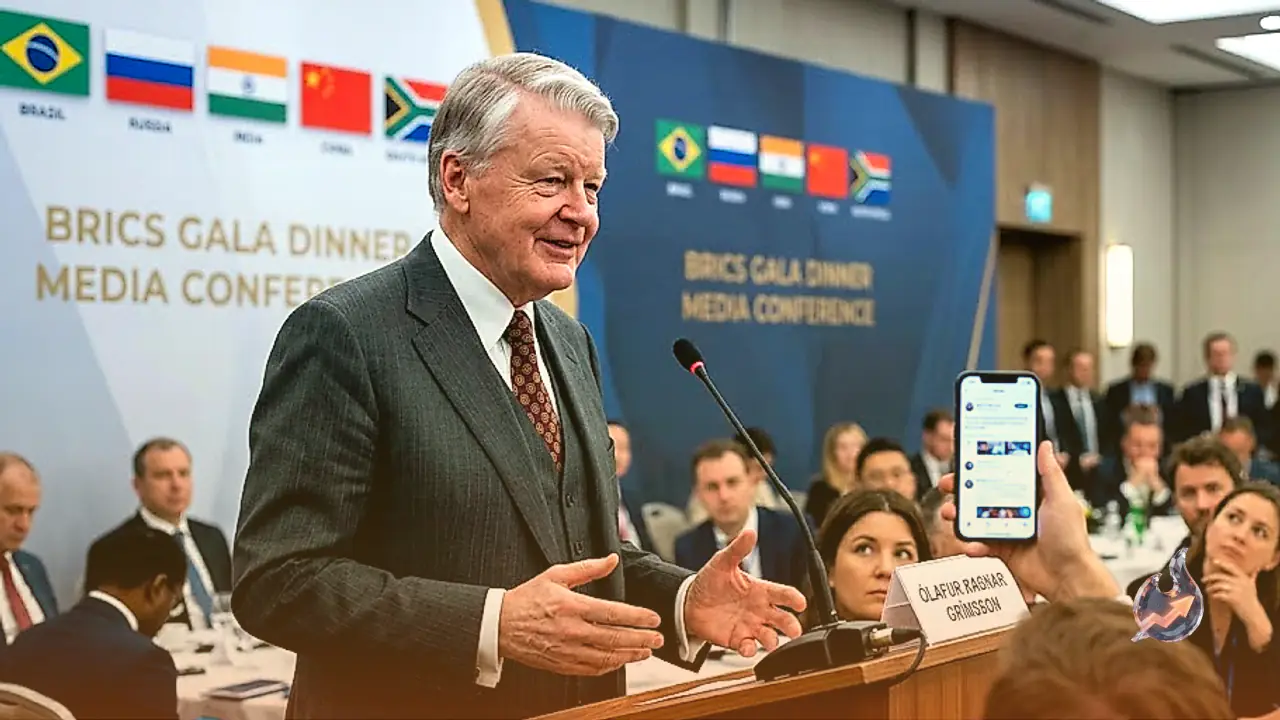
Just as the political temperature was rising, the debate was suddenly silenced by an unexpected historical lesson from northern Europe. Olafur Ragnar Grimsson, the former President of Iceland, stepped into the discussion with a powerful anecdote from 2005. Grimsson recalled the official state visit of India's celebrated scientist and then-President, Dr. APJ Abdul Kalam, to Iceland. He revealed that despite Iceland being a nation deeply rooted in a seafood-dominant and meat-heavy diet, the hosts decided to completely reformulate their state menu. To show respect to the simple, vegetarian lifestyle of the visiting Indian President, the Icelandic government served an entirely vegetarian dinner. Grimsson's memory of the event demonstrated that culinary choices in high diplomacy are driven by respect and symbolic values rather than domestic diet charts.
The Two Pillars of Culinary Diplomacy
This historical recollection underlines a fundamental truth about international relations: food is a sophisticated diplomatic instrument. The choices made on a state menu are rarely accidental, instead, they are designed to send clear geopolitical and cultural messages. Grimsson's post highlighted the contrast between two distinct diplomatic strategies
- Guest-centric diplomacy: This approach is centered on adapting to the visitor's comfort. Iceland's decision in 2005 to offer an all-vegetarian meal to Dr. Kalam is a prime example. For a country whose economy and culture revolve around marine life and meat, transforming a state dinner into a vegetarian event was a profound gesture of cultural sensitivity and high regard for the guest.
- Host-centric diplomacy: This format is exemplified by India's curation of the BRICS dinner. Here, the host nation acts as an ambassador of its own ancient heritage. Rather than catering to the individual daily diets of the delegates, the host presents its own historical traditions. India utilized the BRICS platform to introduce world leaders to the philosophical concept of Vasudhaiva Kutumbakam, meaning the world is one family, through the medium of its traditional vegetarian heritage.
Projecting Soft Power and Eco-Friendly Practices
In the modern digital landscape, political debates frequently flare up over minor details. However, policy experts point out that India's decision to serve vegetarian food at the BRICS summit was a deliberate exercise in cultural soft power. Today, global discussions are heavily focused on environmental conservation and healthy living. Indian vegetarian cuisine, which highlights millets, seasonal vegetables, and Ayurvedic principles, aligns perfectly with global trends toward health and ecological sustainability. By offering these traditional dishes, India was not imposing a lifestyle but rather demonstrating a sustainable model of dining to the international community.
Ultimately, the former Icelandic President's intervention put a swift end to the political bickering. His words reminded everyone that the essence of hospitality lies in dignity, culture, and thoughtful representation. The controversy over the menu was proven to be a short-lived political dispute, dismantled by a single historical memory of how nations honor one another.