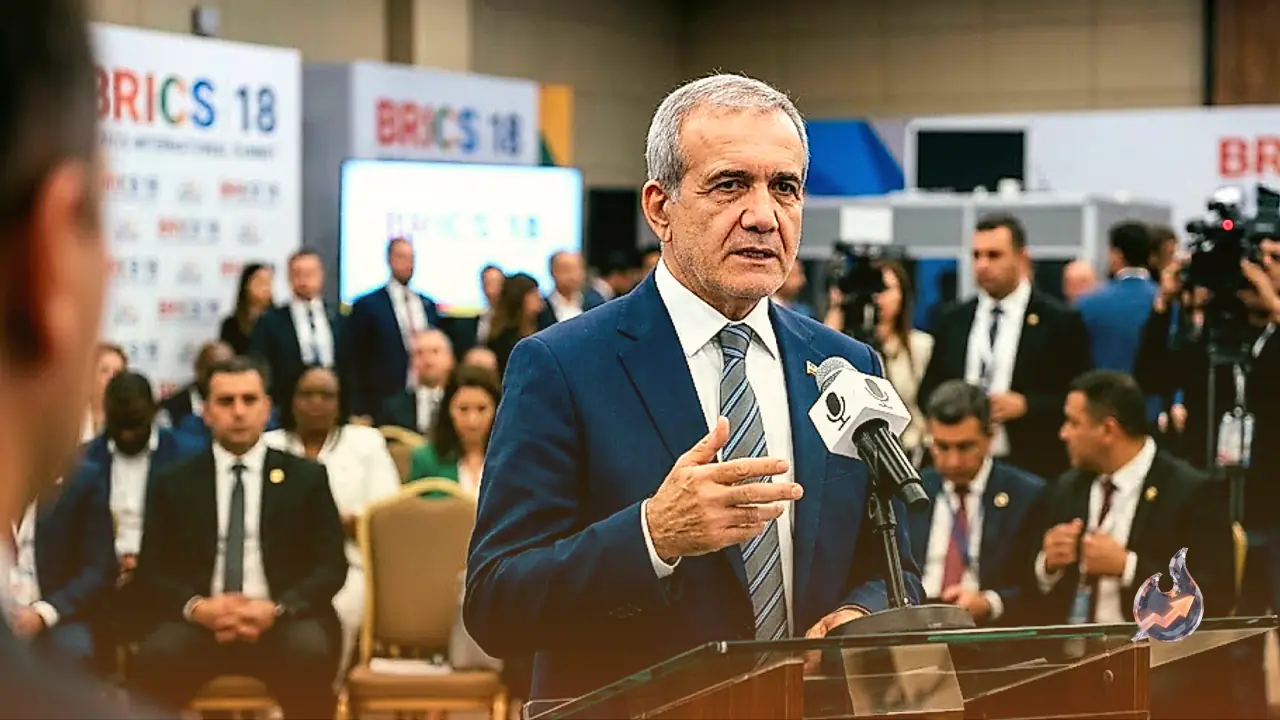

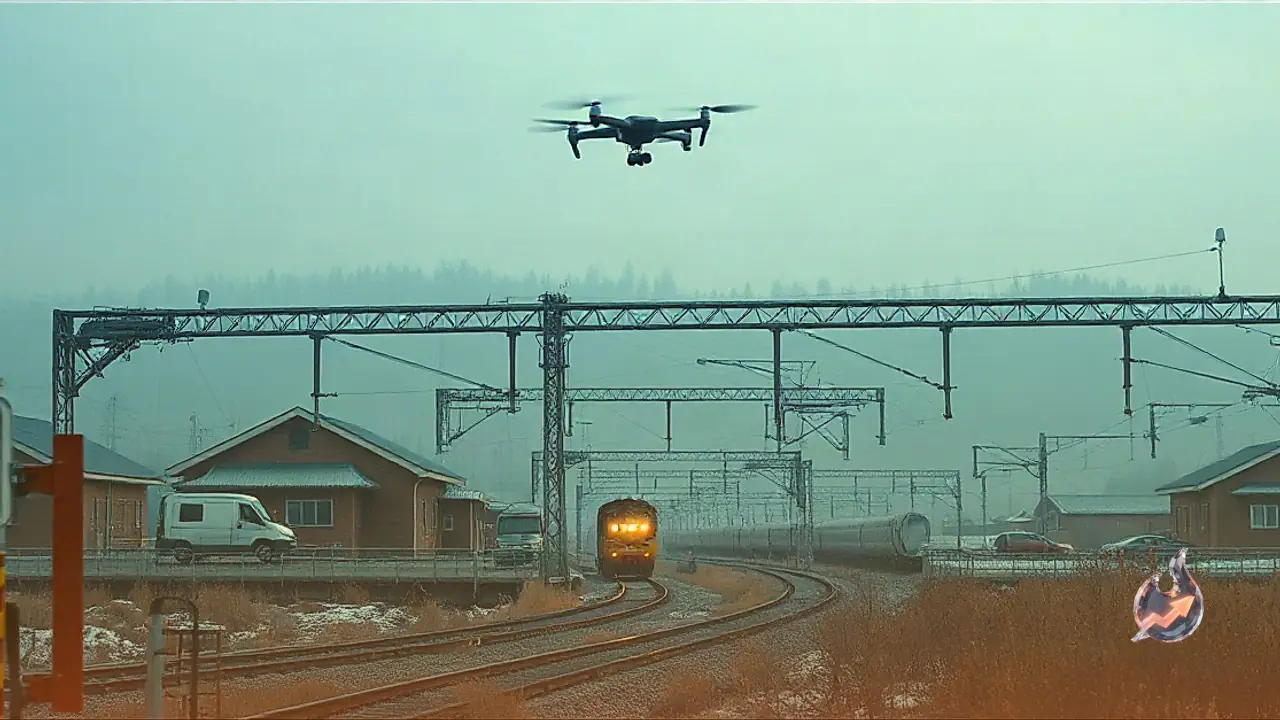






















Upon his return to Moscow following the BRICS summit in Delhi, Russian President Vladimir Putin immediately intensified offensive actions against Ukraine. In an alarming escalation near the Ukrainian-Polish border, a special train carrying former British Prime Minister Boris Johnson and several other prominent European dignitaries narrowly escaped a Russian drone strike. The strike targeted the exact same railway corridor just minutes after their carriage had cleared the area. This near-miss has sent shockwaves through European capitals, underscoring how dangerously close the conflict is coming to directly impacting top Western political figures.
The high-profile delegation was returning from the Yalta European Strategy (YES) security conference, which took place in Kyiv on September 11-12, 2026. Alongside the former British Prime Minister, the passengers included former Swedish Prime Minister Carl Bildt and Gunter Sautter, who serves as the security advisor to German Chancellor Friedrich Merz, among other diplomatic representatives. Having pledged ongoing Western support for Ukraine during the Kyiv summit, the leaders were making their way back to Poland when the security threat materialized.
The 5:00 AM Emergency Stop and Evacuation Threat
As the special train sped toward the Polish border, it was brought to an abrupt halt around 5:00 AM following urgent intelligence warnings of active Russian drone operations in the immediate vicinity. Sleeping passengers, including the VIP delegation, were suddenly woken by security personnel and instructed to prepare for an immediate evacuation of the carriages. Tensions mounted inside the train during the high-alert period as the threat of an imminent strike loomed. It was only after a thorough sweep of the airspace and an official all-clear signal that the train was allowed to resume its journey toward the border.
A Second Passenger Train Sustains Direct Hit
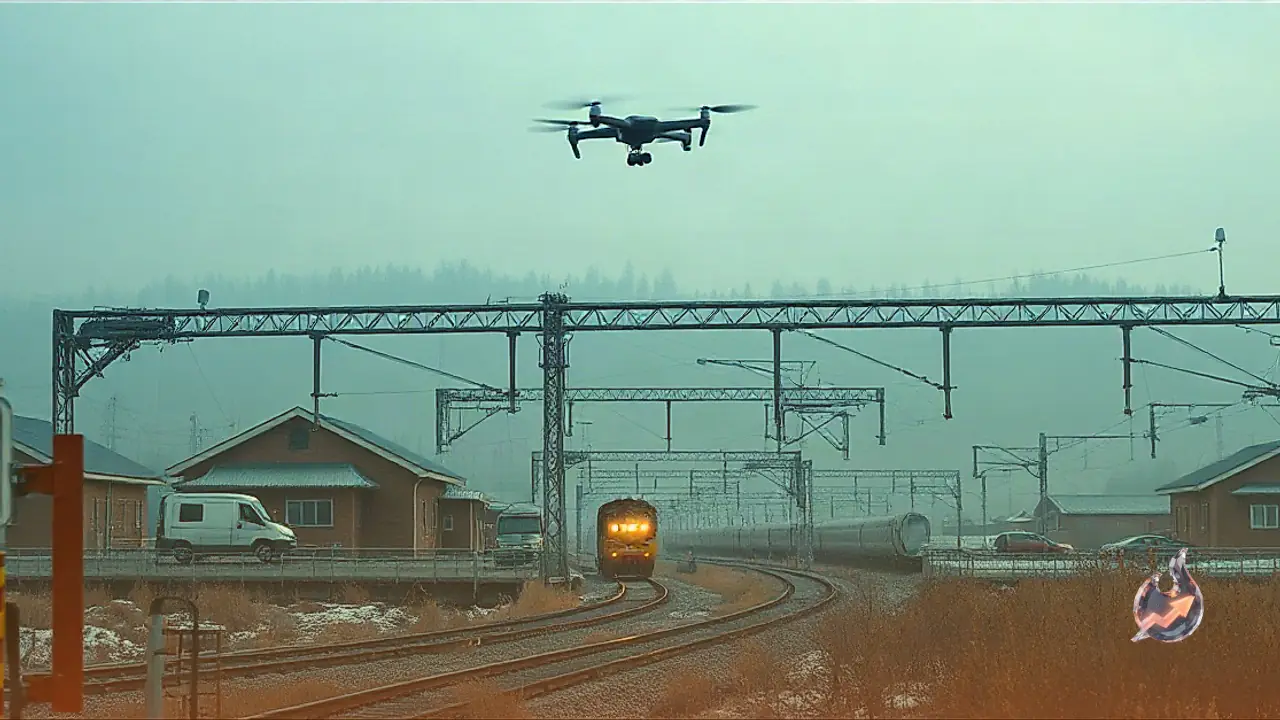
While the VIP convoy managed to escape safely, a second passenger train traveling on the exact same route just minutes behind them was not as fortunate. This train, bound from Kyiv to Warsaw with approximately 206 passengers on board, became the direct target of a Russian drone. The unmanned aerial vehicle struck the locomotive, causing severe structural damage to the engine. According to the Ukrainian railway administration, none of the passengers on board suffered injuries during the blast. The remarkably close timing between the passage of Boris Johnson’s train and the subsequent strike has elevated this incident from a routine border attack to a major geopolitical flashpoint.
Polish Fighter Jets Scrambled Amid Border Panic
Because the explosion occurred in Western Ukraine extremely close to the Polish frontier, it triggered immediate defense protocols within Poland, a NATO member nation. Polish military command raised the domestic airspace security alert and scrambled fighter jets to secure the border zone. Concurrently, additional drone strikes were recorded in the Yahodyn-Dorohusk border area. These strikes resulted in considerable damage to local commercial infrastructure, including a gas station and parked cargo trucks waiting at the border crossing.
Russia's Systematic Targeting of Western Logistics Corridors
This incident raises critical questions regarding Russia's current military strategy in Western Ukraine. Observers believe that Moscow is deliberately expanding its target list to include transport corridors that facilitate European diplomatic visits and military logistics. Ukraine’s extensive railway network has served as a lifeline throughout the conflict, making it a prime target for Russian missile and drone operations. Over the last few weeks, there has been a notable increase in strikes targeting rail depots, locomotive maintenance facilities, and tracks, signaling Russia's intent to disrupt the flow of Western aid at its key entry points.