






















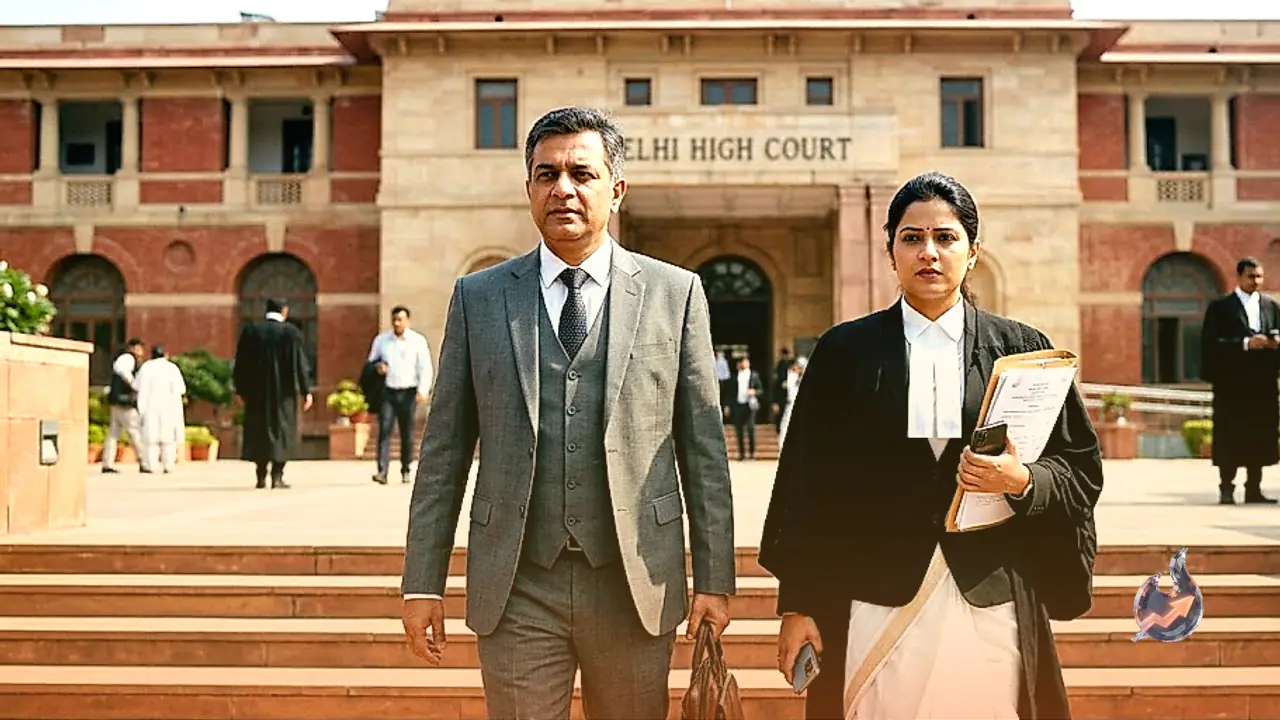

A significant public interest litigation has been filed in the Delhi High Court targeting the psychological and technical mechanisms employed by major social media platforms. Udaipur-based advocate Subhika Joshi has joined this legal initiative, partnering with advocate Kartika Sharma to present the petition on behalf of law professor Dr. Vikas Kathuria. The lawsuit fundamentally questions the engineering and layout of these digital platforms, which are specifically crafted to compel users to spend excessive amounts of time online.
The Mechanism of Addictive Technical Architecture
According to the petitioners, the soaring usage of social media is not merely a consequence of the content uploaded by users, but is driven by the deliberate design and technical architecture of the platforms. These applications feature sophisticated user-interface elements designed to hook human attention. By creating feedback loops that urge individuals to return repeatedly, these platforms keep users engaged for hours. The petition argues that this structural setup exploits psychological vulnerabilities, transforming routine screen-time into a compulsive habit.
Vulnerability of Adolescents and Children
The legal plea highlights a growing crisis regarding the mental health and well-being of the younger demographic, particularly teenagers and children. The constant exposure to these habit-forming digital interfaces is severely impacting their cognitive development, sleep cycles, and general social behavior. The petitioners argue that the psychological pressure exerted by these platform designs can lead to anxiety, diminished attention spans, and other mental health challenges among youth, shifting the conversation from what content they watch to how the technology itself is engineered.
Developments in the Delhi High Court
The case was originally scheduled for a crucial hearing on September 9, 2026, before a bench headed by the Chief Justice of the Delhi High Court. However, proceedings hit a temporary pause when one of the honorable judges on the bench recused themselves from the matter. Following this recusal, the petition is set to be reassigned and listed before an alternative bench in the upcoming week. Observers are keenly watching how the newly constituted bench will approach this complex intersection of technology, psychology, and public policy.
Demand for Immediate Regulatory Guidelines
To counter these digital harms, the petitioners have urged the High Court to issue directives aimed at restricting, controlling, or thoroughly regulating addictive design elements within India. Understanding that legislative processes can take time, the lawsuit requests the court to implement interim guidelines. These temporary regulations would remain active until formal laws are enacted, providing immediate protection to Indian citizens and preventing further degradation of youth mental health by unregulated tech architectures.