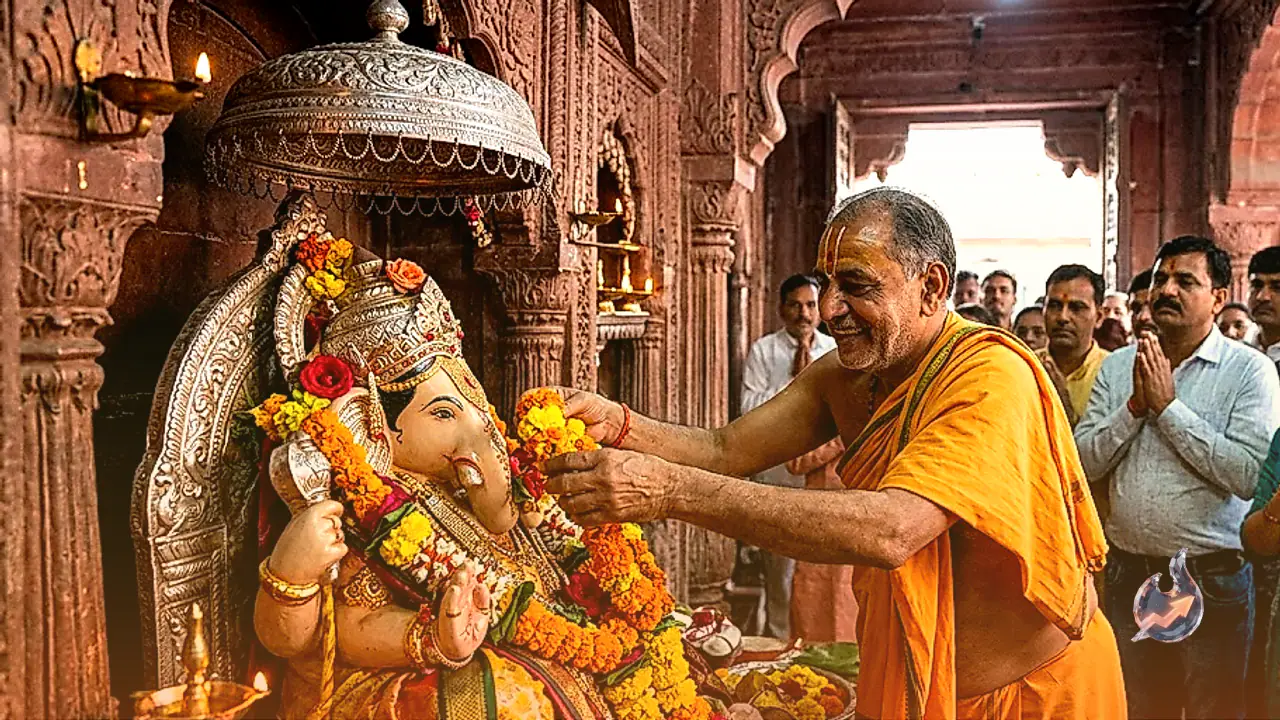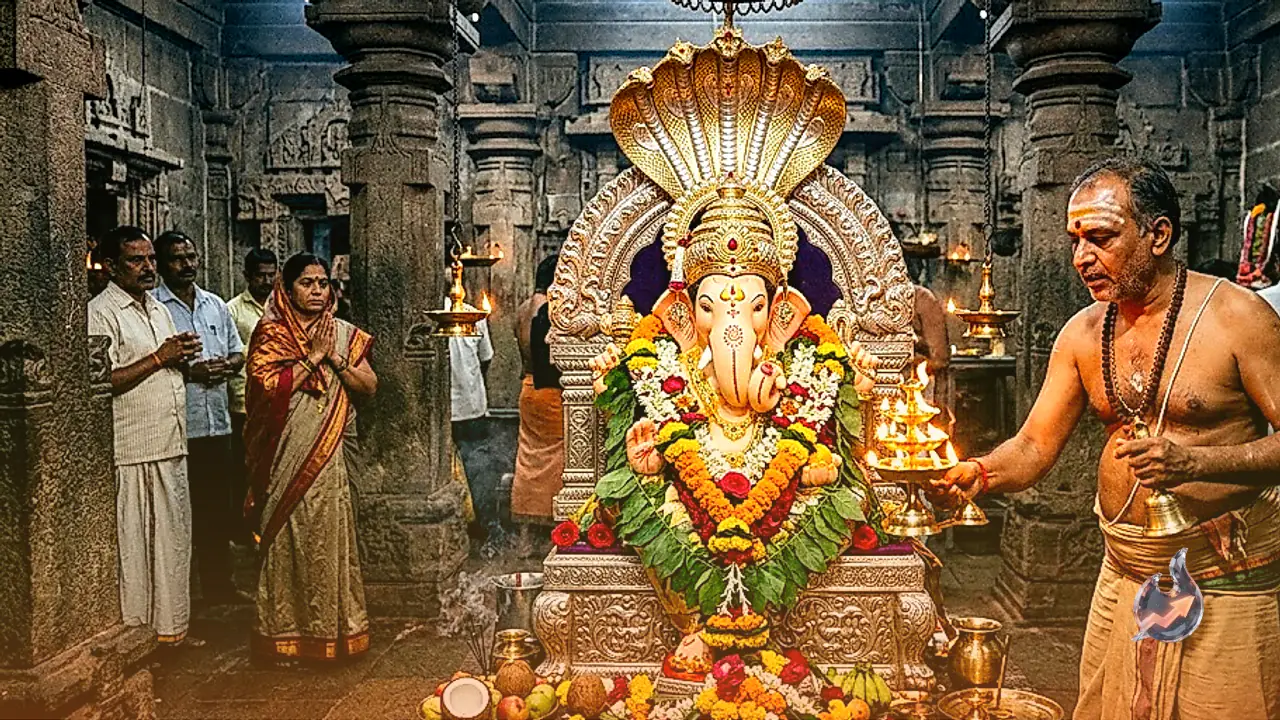

















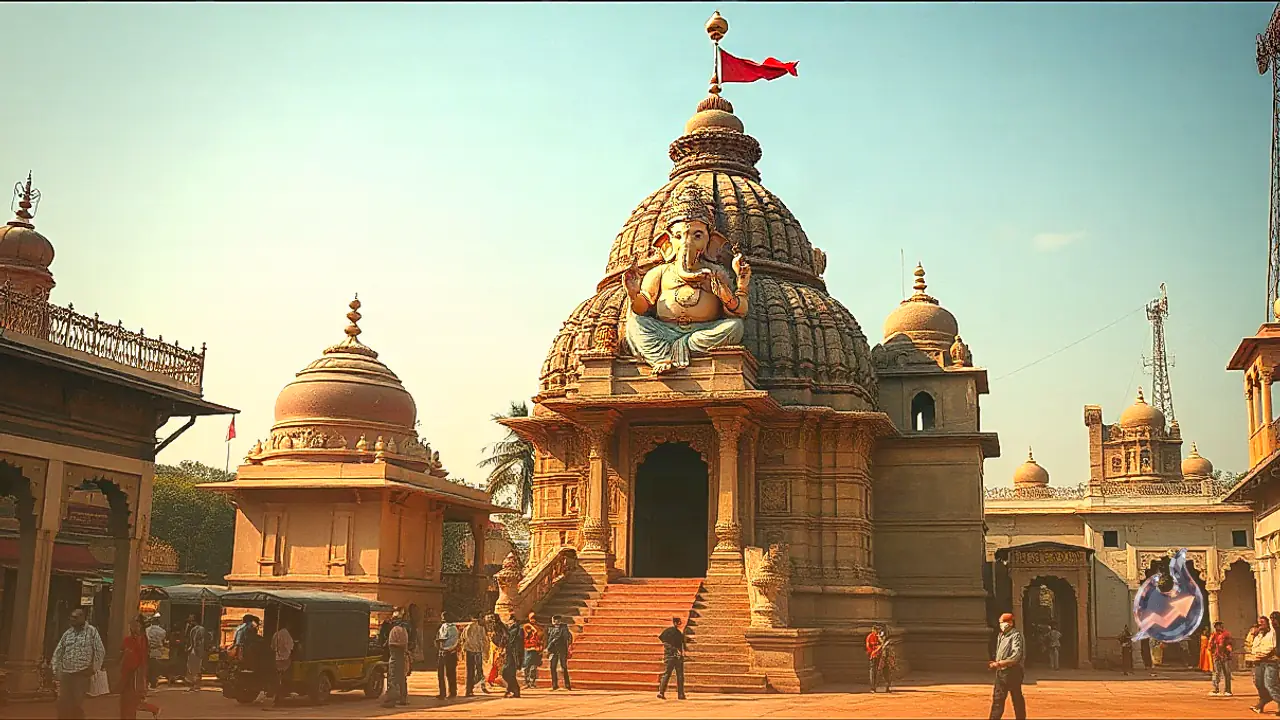

Although the city of Kota in Rajasthan is widely recognized across the country today as a major coaching and education hub, it also preserves a rich legacy of centuries-old religious traditions and deep-rooted faith. Situated in the Rangbari area of the city, the Khade Ganesha temple stands as a vital cornerstone of this cultural heritage. While Ganesha idols are traditionally depicted in a seated posture in most places of worship, this temple features a distinct and unique attraction where Lord Ganesha is enshrined in a standing posture, bestowing his blessings upon devotees.
An Ancient Idol with a Straight Trunk
According to custodians and local experts associated with the temple, the sacred idol is estimated to be more than 600 years old. Another striking feature of this statue is its straight trunk, which sets it apart from conventional Ganesha temples and gives it a unique identity. Long before Kota evolved into its current modern urban landscape, worship and rituals were already being conducted at this very site. As time progressed, the city expanded and the surrounding areas transformed completely, yet the unwavering devotion of the local populace toward Khade Ganesha has remained steadfast. For residents of the Hadoti region, this temple serves as an essential part of their cultural identity, with many families visiting across generations to pay their respects.
Situated in natural surroundings close to the flow of the Chambal river, the temple has long served as a focal point of spiritual devotion. Rajasthan Tourism has also acknowledged the temple as a symbol of ancient faith. Because of its unique religious significance and the extraordinary form of the deity, people travel not only from within Kota but also from neighboring districts to catch a glimpse of the idol.
Surcharged Devotion on Wednesdays and Festivals
Wednesday holds special significance at this temple dedicated to Lord Ganesha. From early morning, streams of devotees begin arriving within the temple premises. Visitors come with diverse prayers, some seeking prosperity and peace for their families, while others pray for the bright futures of their children or success in their professional endeavors. A widespread belief persists among followers that wishes made with a sincere heart before Khade Ganesha are invariably fulfilled. Driven by this strong faith, large crowds assemble every Wednesday, offering flowers, modaks, and other traditional offerings to the deity.
During the grand celebration of Ganesh Chaturthi, the atmosphere at the Khade Ganesha temple becomes even more spiritually vibrant. Special religious ceremonies are organized within the complex, drawing immense throngs of worshippers of all age groups, ranging from young children to the elderly. The entire premises resonates with devotional chants dedicated to Ganpati Bappa. While many attendees arrive to seek blessings for new beginnings, others return to express their gratitude after their heartfelt wishes have been granted.
A Vital Pillar of Kota's Identity
Kota's contemporary reputation may lean heavily toward being an education city, but religious landmarks like the Khade Ganesha temple highlight its enduring traditional roots. The standing posture of the deity, believed to be over 600 years old, combined with its straight trunk and associated legends, imbues the shrine with deep reverence. Centuries of unyielding faith continue to thrive here, ensuring that visitors arrive in steady streams not just on Wednesdays and festival days, but throughout the year as people place their trust in the belief that Lord Ganesha stands beside his devotees.