





















Across India, Krishna Janmashtami is celebrated with immense devotion and fervor, typically marking the birth of Lord Krishna at midnight. Standard rituals dictate that temple bells chime, conch shells blow, and grand midnight ceremonies take place at 12:00 AM, after which devotees offer prayers and break their day-long fasts. However, in the historic town of Karauli, Rajasthan, a 150-year-old temple breaks away from this conventional midnight schedule. At the revered Gopinath Ji temple, the birth of Lord Krishna is joyfully celebrated at 12:00 PM noon instead of midnight, drawing thousands of devotees who gather during the day to participate in the unique festivities.
Celebrating Janmashtami at Noon Instead of Midnight
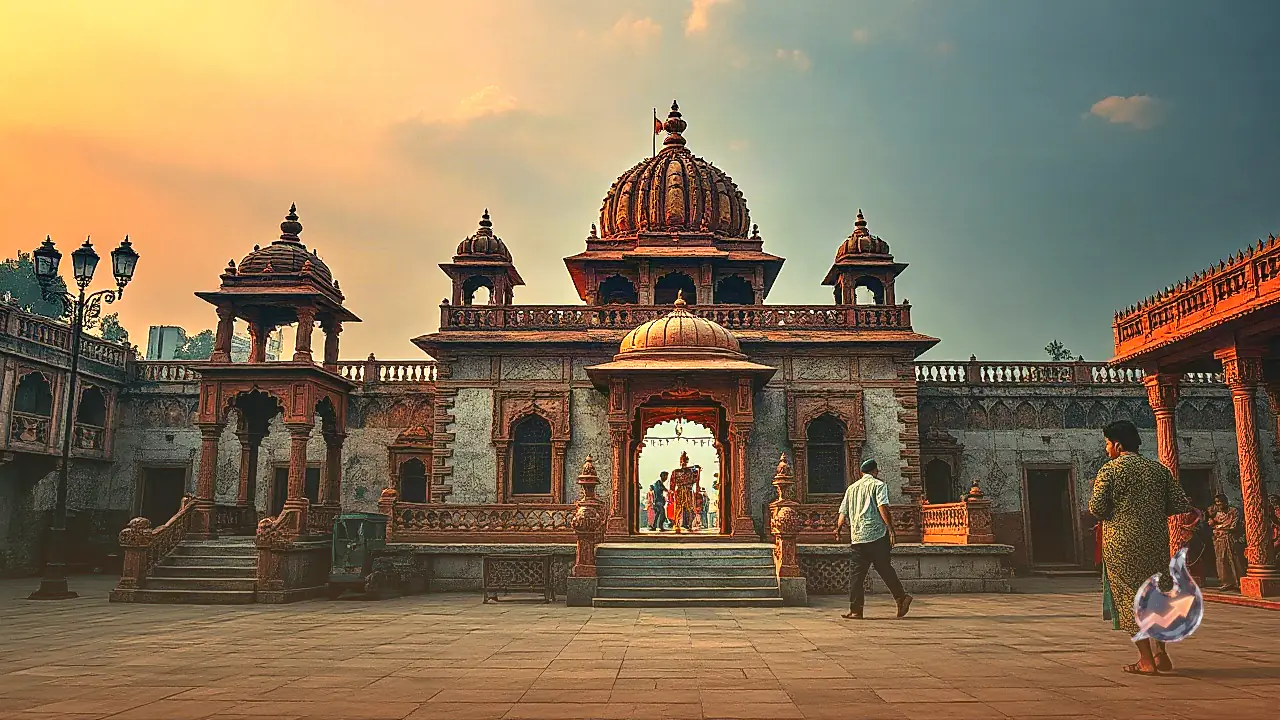
Karauli is globally renowned as the sacred abode of Lord Madanmohan Ji, housing numerous big and small shrines dedicated to various manifestations of Lord Krishna across its historic lanes. While almost every other temple in the city adheres to the traditional midnight timing of 12:00 AM for Janmashtami, the Gopinath Ji temple, located along the main path leading to the Madanmohan Ji temple, follows its own distinctive timeline. For generations, this temple has been holding the nativity rituals at midday. This rare scheduling allows pilgrims, local residents, and visitors from surrounding regions to experience the divine celebration under broad daylight.
Humanitarian Decision Behind the Daytime Tradition
The origin of this unusual daytime ceremony lies in a thoughtful accommodation for devotees. According to the temple priest, Ajay Mukherjee, observing a strict fast until midnight can be physically demanding, particularly for young children, elderly citizens, and individuals with health conditions. Recognizing these challenges decades ago, the temple elders and ancestral priests decided to shift the birth ceremony to 12:00 PM. This compassionate change ensured that vulnerable devotees could witness the sacred birth rituals, receive holy prasad, and conclude their fasts comfortably without waiting late into the night.
Royal Heritage and Three Idols on a Single Altar
Beyond its distinct festival timings, the Gopinath Ji temple boasts a rich history spanning more than a century and a half. The shrine's legacy is closely linked to the royal era of Karauli. Inside the sanctum sanctorum, visitors witness an uncommon iconographic arrangement where three holy idols are seated together on a single elevated pedestal. Lord Gopinath Ji occupies the central position, flanked by Radha Ji on his right and Lalita Ji on his left. This unified arrangement of the divine figures is considered spiritually significant and attracts devotees seeking blessings.
Generational Service and Daily Temple Rituals
The custodianship of the temple has remained within the same family for generations. Priest Ajay Mukherjee highlights that the royal rulers of Karauli originally granted the temple and its surrounding estate to his ancestors for religious service and daily upkeep. Since then, successive generations of his family have continuously performed the sacred duties. The deity is worshipped four times daily, beginning with the early morning Mangala Aarti to awaken the deity, followed by the afternoon Rajbhog Aarti where special food offerings are presented to Lord Gopinath Ji.
Vibrant Atmosphere and Daytime Fast-Breaking
On the day of Janmashtami, the atmosphere around the Gopinath Ji temple becomes exceptionally vibrant. Devotees start arriving early in the morning as devotional hymns resonate throughout the premises. As the clock strikes 12:00 PM noon, the sanctum erupts in joyous chants, shell blowing, and bell ringing to herald the birth of Lord Krishna. Devotees who cannot fast until midnight attend the noon ceremony to take darshan, accept the sacred prasad, and formally break their fast. This long-standing tradition continues to make the temple a unique pilgrimage stop during the festival.