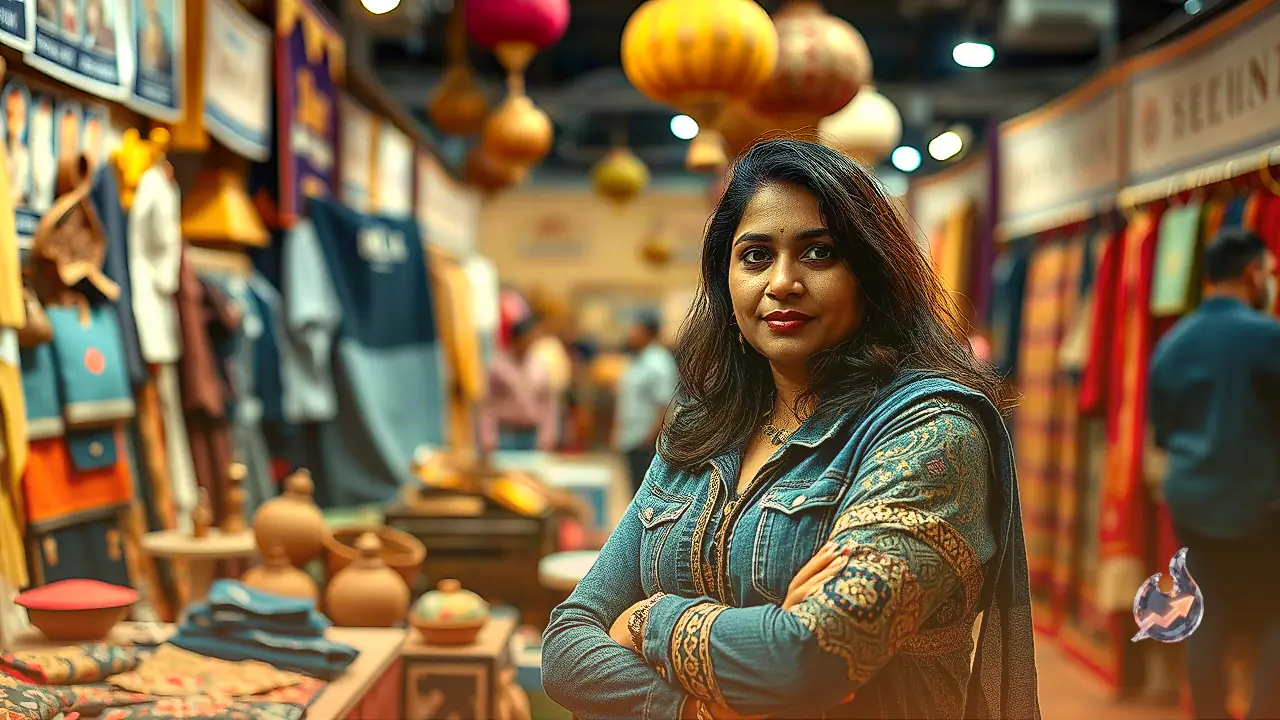




















At the bustling Dilli Haat complex in the national capital, a handmade and eco-friendly collection created by Shalini Malviya, a fashion researcher and designer from Udaipur, captured significant public attention. Associated with the Department of Fashion Technology and Designing at Mohanlal Sukhadia University, Malviya showcased her creative craftsmanship through sustainable products that combine traditional Indian hand embroidery with upcycled denim fabric. Her vibrant stall drew large crowds of craft enthusiasts from various states across India alongside numerous international tourists. Visitors to the display widely appreciated the imaginative repurposing of old jeans as well as the fine embroidery adorning cotton textiles. Many domestic and foreign shoppers purchased items directly from the venue, while several others placed custom advance orders for future deliveries based on their personal preferences. The exhibition served as an inspiring demonstration of preserving heritage handwork while promoting circular fashion within modern society.
A Seamless Fusion of Heritage Embroidery and Upcycled Denim
The collection displayed at Malviya's stall reflected a thoughtful synthesis between traditional needlework and contemporary lifestyle needs. Hand-embroidered handkerchiefs and napkins, which were historically a staple in Indian households and cultural traditions, were revitalized using fresh patterns, vibrant colors, and modern aesthetic designs. These embroidered pieces retained their authentic artisanal heritage while incorporating a distinct personal touch that appealed strongly to younger shoppers and global visitors. Alongside these textiles, Malviya gave discarded denim jeans a second life by crafting a wide array of utility items, including stylish carry bags, durable totes, home decor artifacts, and daily accessory items. Combining the strength of sturdy denim fabric with the delicate beauty of hand stitching made these items a primary highlight of the event.
Advocating Sustainable Fashion and Reducing Textile Waste
Beyond creating aesthetically pleasing lifestyle goods, Malviya's initiative conveys a broader message regarding environmental stewardship and waste management. Her design philosophy emphasizes that fashion should not be restricted to fabricating new products from newly manufactured raw materials. Instead, she demonstrates that creatively recycling post-consumer textiles can produce durable, functional, and visually appealing goods. The items developed from recycled denim exemplify this progressive approach. Initiatives of this nature play a vital role in reducing the volume of textile waste destined for municipal landfills, while simultaneously raising public awareness about resource efficiency and sustainable consumer habits.
Enthusiastic Visitor Response and Market Potential
Throughout the exhibition, Malviya's stall maintained a steady stream of shoppers, art collectors, and casual visitors. Domestic tourists from across India and international buyers praised the meticulous craftsmanship evident in the hand-stitched napkins and upcycled denim bags. Many attendees purchased the handcrafted goods for personal daily use or as unique gifts. Additionally, several design enthusiasts and retail buyers established contacts to place prospective custom orders for future supply. This successful reception underscored that adapting traditional handcrafting techniques to meet modern consumer preferences creates a commercially viable model that aligns economic opportunity with ecological responsibility.
Ministry Selection and National Platform Exposure
Expressing pride in the student's achievement, Dr. Dolly Mogra, In-charge Head of the Department of Fashion Technology and Designing at Mohanlal Sukhadia University, emphasized the strategic importance of such platforms. Dr. Mogra noted, "Dilli Haat provides an essential platform for young artisans to present their craftsmanship to visitors across India." She further explained that the participating students were selected through the Office of the Development Commissioner for Handicrafts under the Ministry of Textiles, with support from Commissioner Mahendra Singh Meena. Securing a spot at this prestigious national venue allowed young university creators to display their work on a large scale. Furthermore, the experience provided students with firsthand market exposure, allowing them to gauge consumer preferences, receive direct feedback, and better understand commercial retail trends.