






















Torrential rainfall recorded throughout the month of August in the Palamau district of Jharkhand has significantly impacted daily life and agricultural operations. Official meteorological records indicate that the district received a total of 570 millimeters of precipitation during this period, resulting in widespread waterlogging across several low-lying areas. However, agricultural experts emphasize that the phenomenon is not entirely detrimental to local farming. While heavy rains have presented notable advantages for water storage and staple grains, they have simultaneously escalated the risk of fungal infections and crop decay among delicate agricultural produce.
Recharging Water Resources and Boosting Kharif Cultivation
Analyzing the local agricultural scenario, agricultural scientist Dr. Pramod Kumar highlighted that the prolonged rainfall has provided a major boost to the district's hydrological storage. Traditional water bodies, including local reservoirs known as aahars and pokhars, alongside small ponds and other natural check points, have reached their full capacity. This substantial storage guarantees adequate moisture for the ongoing Kharif cropping season while significantly enhancing irrigation prospects for the forthcoming Rabi agricultural cycle. Furthermore, this large-scale water retention is anticipated to elevate the regional groundwater level. Farmers cultivating paddy and coarse grains are reaping substantial benefits from this abundant moisture availability.
Paddy Transplanting Extends Into September
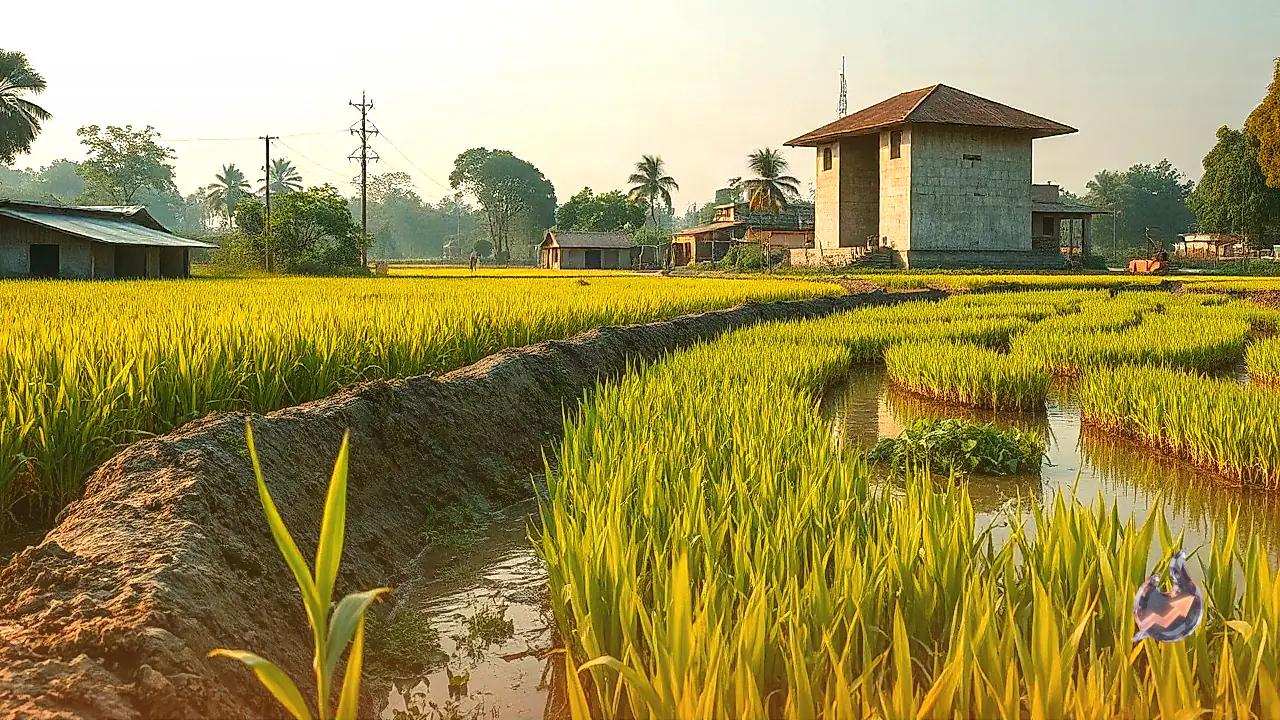
Due to delayed monsoon showers and erratic rainfall during the early months of the season, many farmers across Palamau were unable to execute paddy transplanting within the conventional timeline. The initial lack of rain had left field soil dry and uncultivable. Following the 570 millimeters of rainfall in August, fields have accumulated adequate water reserves, prompting farmers to carry out paddy transplanting even during September. Agricultural experts note that while delayed transplanting might yield slightly lower production compared to timely sowing, the presence of ample soil moisture encourages farmers to maximize their agricultural output for the season.
Escalated Fungal Disease Risks for Vegetables and Vine Crops
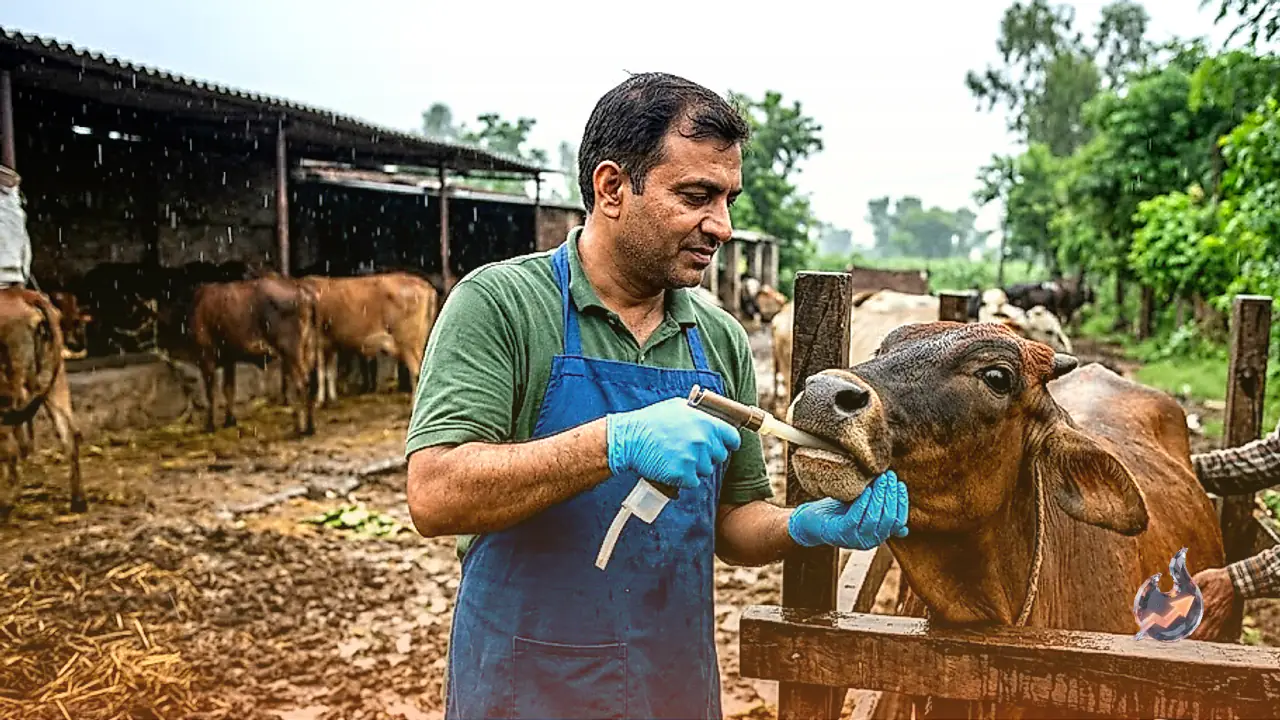
The excessive rainfall has posed the greatest threat to vegetable cultivation and vine crops. Persistent moisture and water accumulation in the fields create an ideal environment for the rapid outbreak of fungal diseases. To counter this threat, agricultural scientists advise farmers to strictly monitor their crops and implement chemical treatments once precipitation ceases. Following professional agricultural guidelines, farmers can apply a fungicide spray containing either Carbendazim at a concentration of 2 grams per liter of water or Mancozeb at 2 grams per liter of water. It is vital to avoid applying treatments during active rain showers, as spraying under clear skies ensures optimal chemical efficacy.
Crucial Need for Drainage in Maize, Arhar, and Horticulture
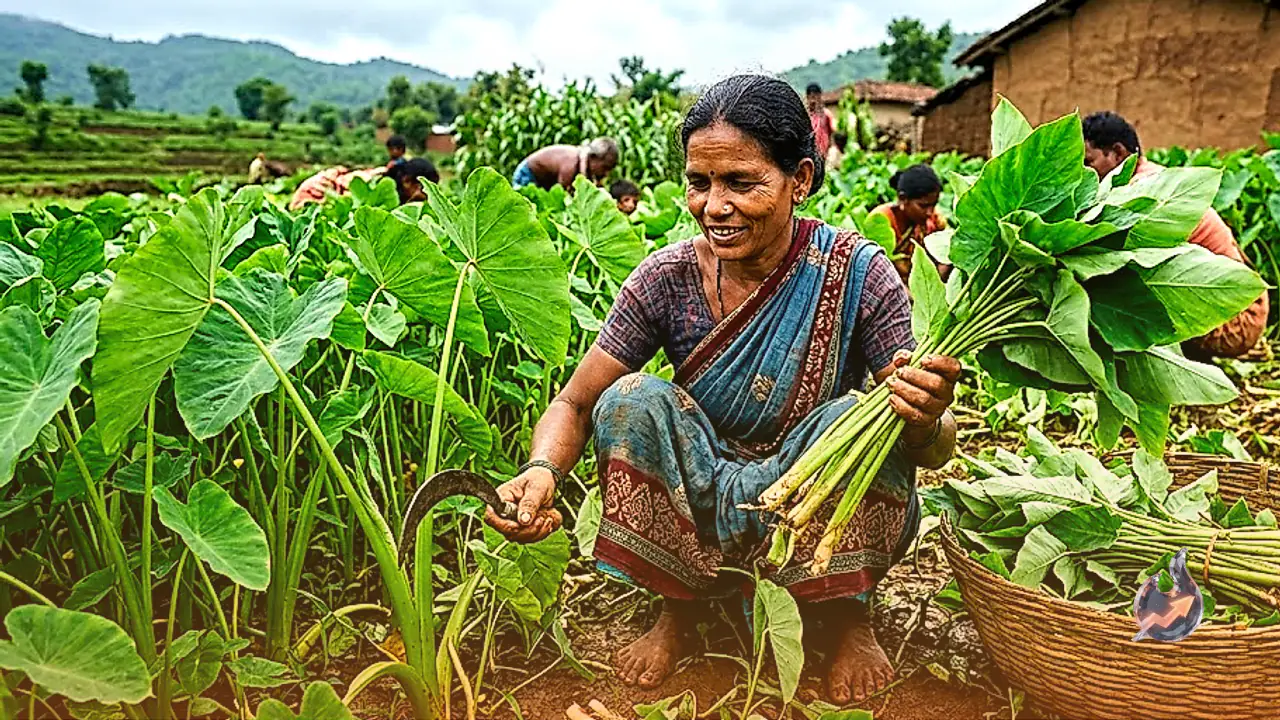
Elaborating on crop protection measures, Dr. Pramod Kumar stated that standing water in maize fields over an extended period can cause severe root damage and plant decay. Therefore, implementing efficient drainage channels to evacuate excess water from maize plots is critical. Similarly, Arhar, also known as pigeon pea, is highly sensitive to waterlogging, and prolonged inundation can ruin the crop completely. Farmers are urged to create immediate drainage pathways across field borders to clear standing water. Careful drainage management is equally imperative for horticultural crops to prevent root rot and safeguard plant health.
Unexpected Pest Control Benefits From Heavy Showers
An unexpected positive outcome of the intense rainfall is the natural reduction of certain agricultural pest populations. Agricultural specialists observed that continuous downpours disrupt pest lifecycles and reduce infestation levels across fields. In particular, the spread of Fall Armyworm, a destructive pest known to cause extensive damage to maize crops, has been effectively checked by the sustained rains. Ultimately, the 570 millimeters of rain in August has presented Palamau's agricultural sector with a dual scenario. While paddy, coarse grains, and water reserves have gained immensely, protecting vegetables, Arhar, maize, and horticultural crops now hinges on swift field drainage and scientific disease mitigation.