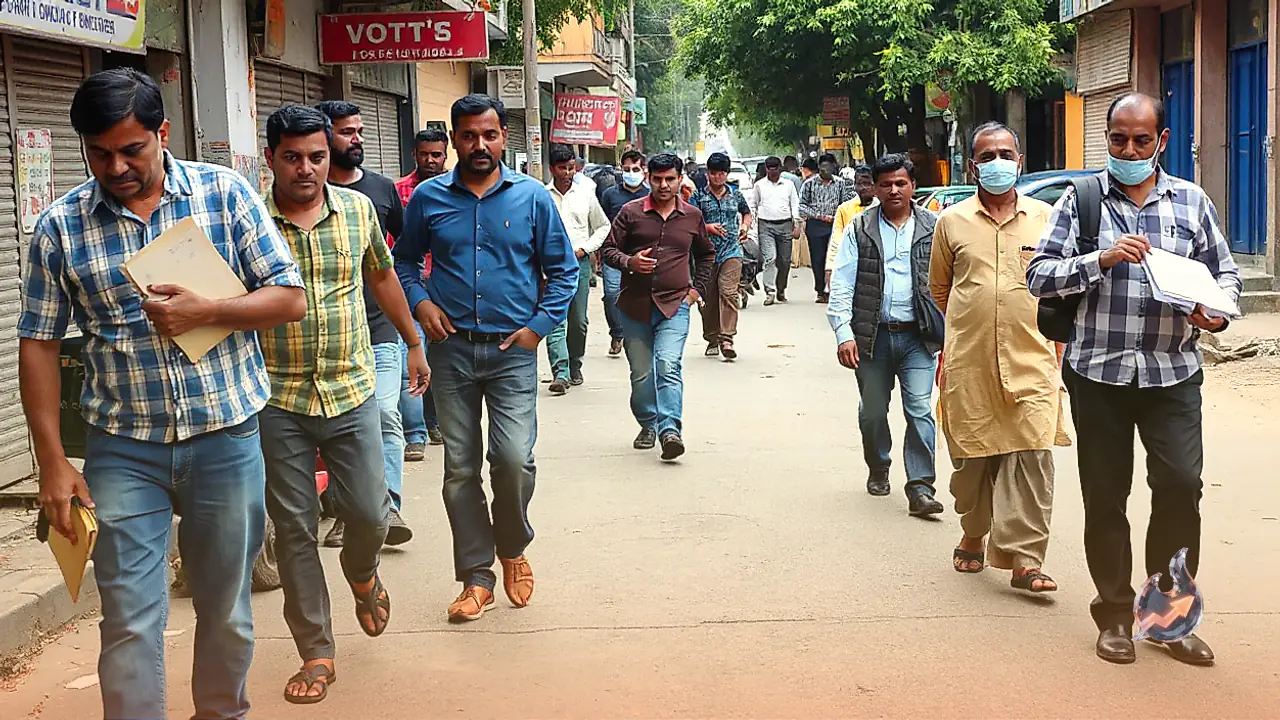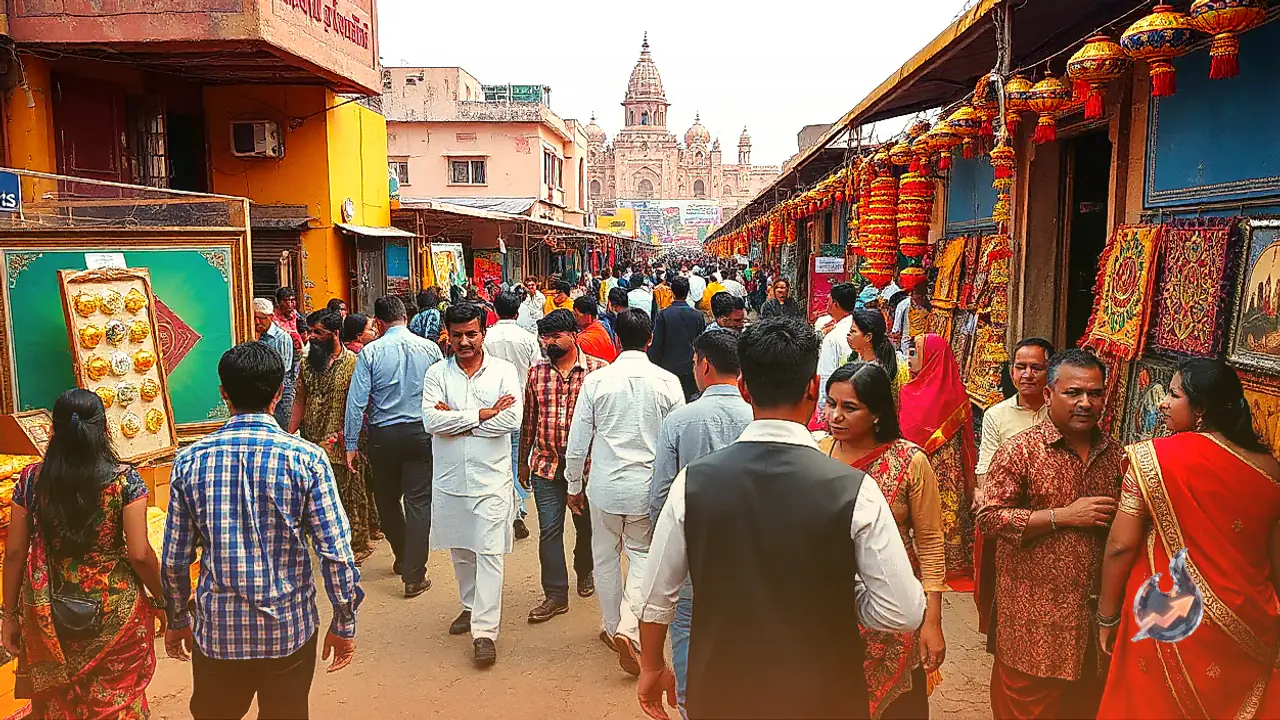



















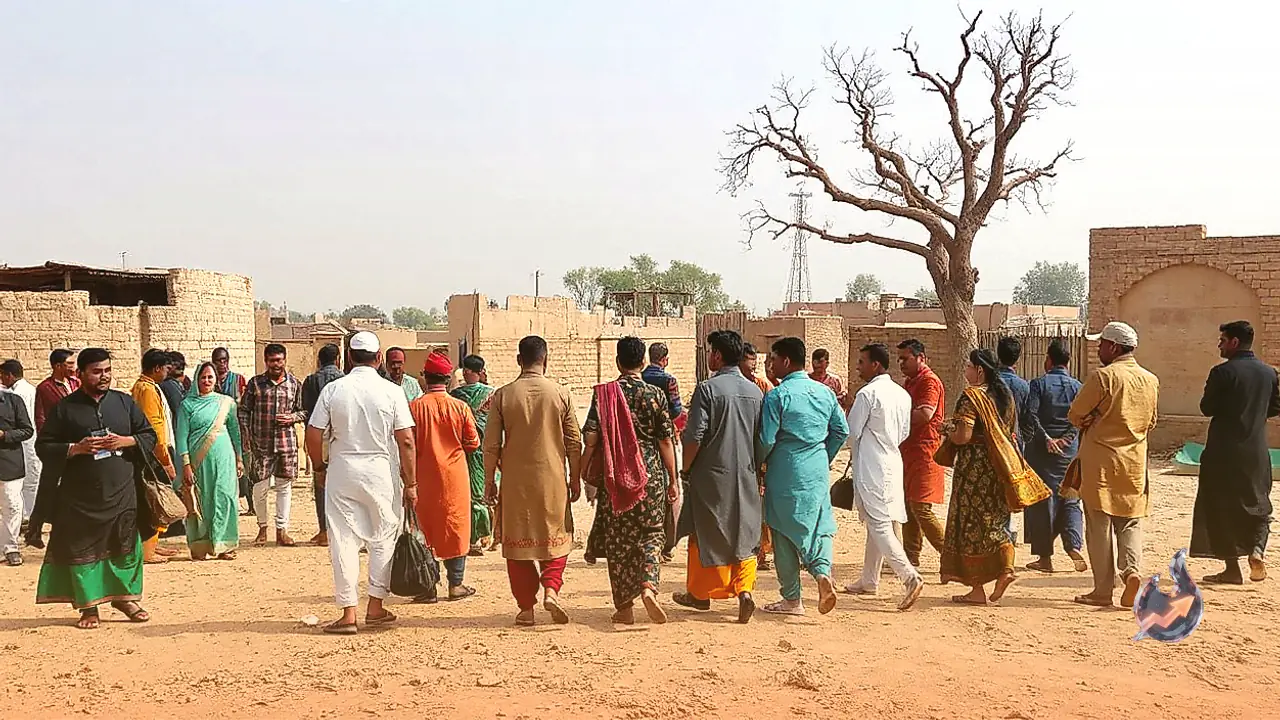

Amid the political buzz surrounding the Panchayati Raj elections 2026 across Rajasthan, a remarkable demonstration of collective harmony and democratic consensus has emerged from Bikaner district. While intense competition and factional rivalries are standard across various rural pockets where contenders vie aggressively for village leadership positions, Parvati Talai gram panchayat under Poogal panchayat samiti has taken a completely contrasting approach. Residents of this locality sat together, engaged in collective deliberations, and elected their entire local administration without resorting to the ballot box or political confrontations. Through this broad understanding, both the office of the sarpanch and the ward member seats across all seven wards were decided entirely unopposed.
Consensus Propels Mahendra Singh Bhati to the Sarpanch Office
The selection of the village chief in Parvati Talai followed extensive consultations among local elders and community members who gathered to deliberate on the future of the locality. With the collective aim of safeguarding communal amity and steering local development, the villagers united behind the candidature of Mahendra Singh Bhati. Following this universal backing, no competing nominations emerged, completely eliminating the necessity for polling booths or campaigning. Community elders and prominent figures, including former district general secretary Sawai Singh Tanwar, actively endorsed Bhati's appointment. The locals perceive this unanimous choice as a powerful foundation that will protect public peace while giving unhindered momentum to grassroots developmental programs.
All Seven Wards Secure Uncontested Representation
What makes this electoral milestone in Parvati Talai truly exceptional is that the spirit of consensus extended far beyond the top position. Each of the village's seven wards witnessed an identical display of unity, with residents picking their respective ward panchs without any contest. Typically, local ward elections witness intense interpersonal disputes and sharp factional divisions within rural communities. In this case, however, residents within every single ward reached mutual agreements on singular representatives. Consequently, all seven ward panch positions were filled unopposed, ensuring that the entire governing council of the gram panchayat took shape without a single voter having to stand in a queue.
Solidarity Across All 36 Communities Drives Historic Move
Following the smooth and uncontested formation of the village administration, a festive mood spread across Parvati Talai. Local residents highlighted that members across all 36 communities in the village chose mutual trust and social cohesion over electoral polarization. According to the villagers, competitive political campaigns often leave lingering grudges and social fractures in small hamlets, whereas prioritizing consensus ensures that public welfare remains at the center of governance. By rising above community divisions and putting collective village welfare first, the residents demonstrated how grassroots democracy can flourish through shared understanding and mutual compromise.
The Unanimous Mandate Becomes the Talk of the Poogal Region
The remarkable outcome in Parvati Talai has generated widespread discussion and admiration across the wider Poogal region. Residents of neighbouring hamlets and rural leaders are viewing the settlement as an inspiring template for conflict-free local self-governance. With the election process concluding in total harmony, expectations are high that the newly appointed representatives will dedicate their undivided attention to addressing core infrastructural necessities, including road connectivity, water availability, and civic amenities, completely free of partisan biases. Parvati Talai has sent a resounding message that democratic traditions find their deepest strength not merely in electoral conflict, but in dialogue, balance, and community cohesion.