



















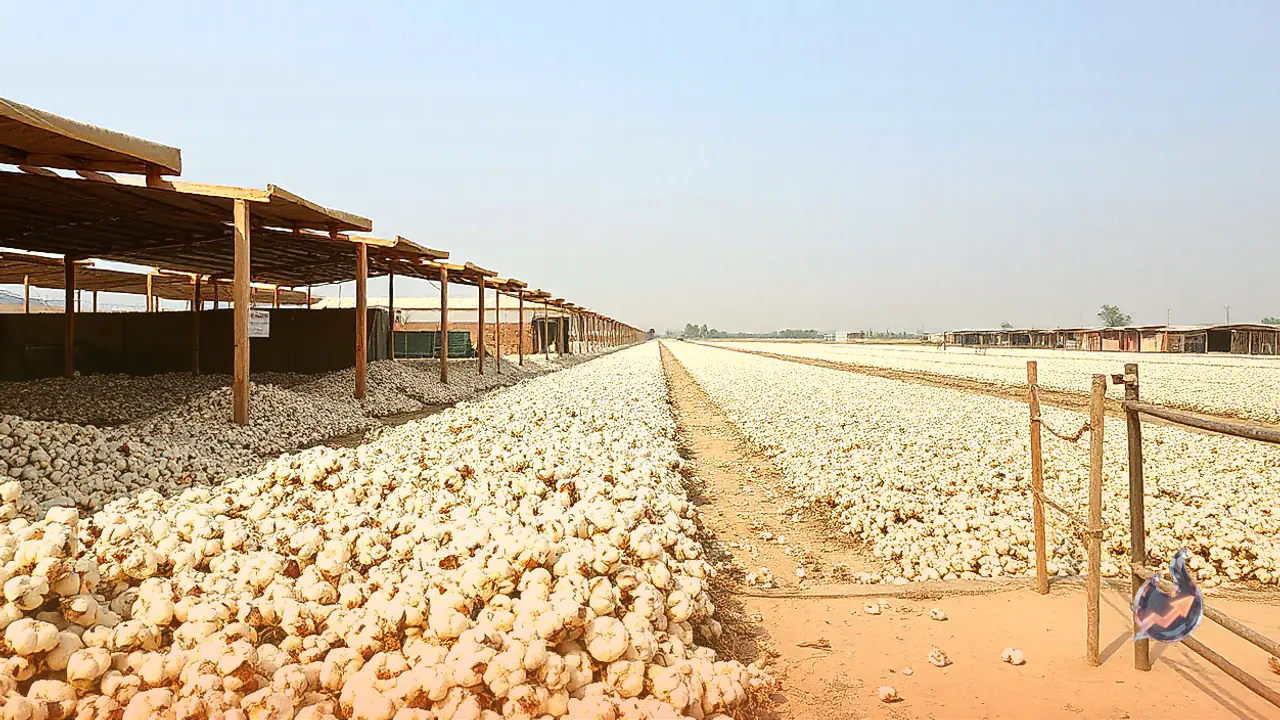

Cotton harvesting is currently in full swing across Bhilwara, a district widely recognized as an agricultural stronghold and a prominent cotton hub. Due to the presence of numerous textile and cotton mills in the region, raw cotton enjoys consistent and substantial commercial demand. However, gathering the harvest from the fields is only the first step. Preserving the harvested crop against environmental degradation remains a critical challenge for growers. Inadequate post-harvest handling often exposes cotton to excessive moisture, fungal infections, and foreign matter, which severely damages fiber quality and prevents farmers from securing fair market rates.
Crucial Steps for Moisture Control and Thorough Drying
Addressing these post-harvest challenges, Dr. Shankar Singh Rathore from the Horticulture wing of the Bhilwara Agriculture Department stressed that moisture is the primary threat to harvested cotton. Farmers must ensure that the fiber is completely dry before it is consolidated for storage. Cotton harvested during early mornings with heavy dew or affected by unseasonal rainfall should never be gathered directly into dense heaps. Stacking moist cotton creates internal heat, encouraging rapid fungal growth that stains the lint and ruins its natural white color. Damp cotton should immediately be spread out across a clean, well-ventilated area until all moisture has evaporated completely.
Selecting the Right Storage Facility and Ground Separation
The structural condition of the storage area directly impacts the preservation of the harvest. Dr. Shankar Singh Rathore advised that storage rooms must have completely leak-proof roofs and remain entirely free from wall seepage or floor moisture. Directly dumping cotton onto bare floors or unpaved ground must be avoided at all costs, as subterranean dampness quickly wicks into the fiber. Instead, farmers should lay down wooden planks or raised pallets on the floor before stacking the crop. This creates a protective barrier against floor moisture while facilitating passive air circulation beneath the pile.
Trash Removal and Batch-Wise Quality Grading
During the picking process, raw cotton frequently accumulates dried leaves, stem fragments, dirt, and plant debris. Growers should meticulously clean the picked cotton to extract these contaminants before final storage, as cleaner fiber commands significantly better valuation in the market. Furthermore, when harvesting is conducted across different stages or dates, the resulting cotton batches should be stored separately rather than blended together. Maintaining distinct batches based on picking cycles preserves individual quality grades, simplifying the sorting process during final sales and ensuring superior lots are not discounted.
Ventilation Management and Pest Surveillance
A frequent error during storage is sealing the cotton piles entirely, which traps internal moisture and accelerates spoilage. While waterproof tarpaulins can be placed on top to guard against dust or roof leaks, the stacks must never be made completely airtight. Maintaining adequate airflow is essential to prevent internal condensation. In addition, the storage perimeter must be kept secure against rodents and storage pests. Farmers storing their inventory for extended periods need to inspect their stockpiles regularly. Should any localized moisture, unpleasant odor, or mold development be detected, immediate corrective measures such as airing and sun-drying must be undertaken.