



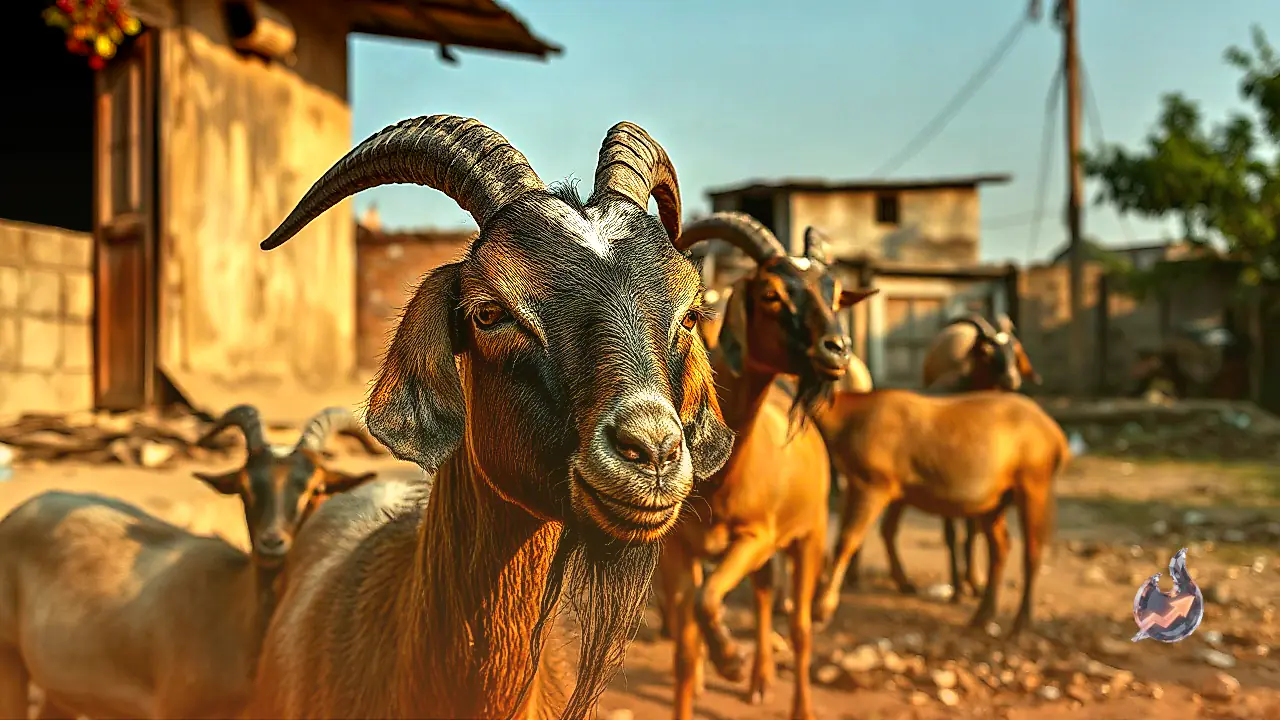















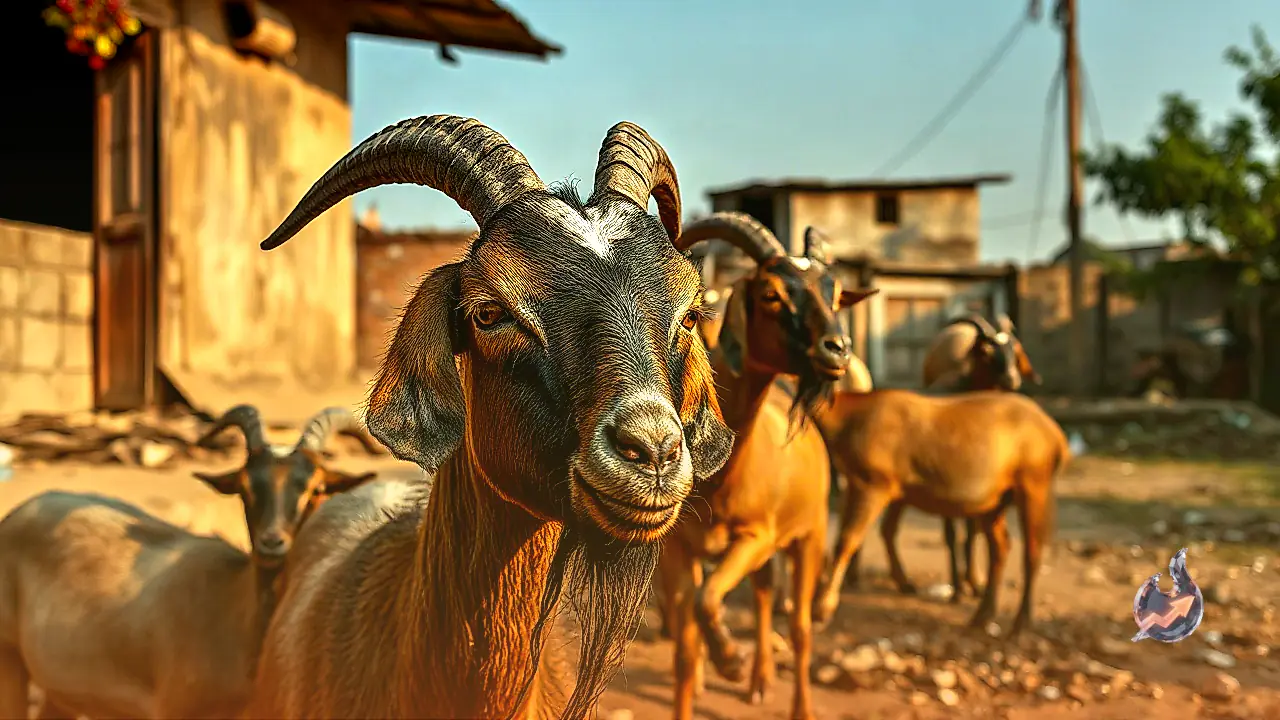

Animal husbandry has long served as a vital economic lifeline for residents across the Dang and Chambal belts of eastern Rajasthan. Amid this landscape, the indigenous Karauli goat breed is rapidly carving out a distinct reputation among local livestock keepers owing to several notable traits. The primary advantage of this particular breed lies in its dual-purpose utility, meaning it serves effectively for both dairy and meat production.
Low Upkeep and High Adaptability
Because it requires minimal investment and adjusts seamlessly to regional environmental conditions, the Karauli goat is widely regarded as an ideal asset for small and marginal livestock owners. Particularly for households possessing limited agricultural land or restricted alternate income sources, rearing these animals can easily transform into a reliable secondary revenue stream.
Yields in Milk and Meat
The utility of the breed extends far beyond milk output alone, as it proves equally valuable for meat yield. According to Dr. Brahm Prakash Pandey, a senior veterinary officer in Karauli, a healthy doe can produce roughly one and a half to two liters of milk daily when provided with proper nourishment and attentive care. Furthermore, male kids mature at a relatively rapid pace, reaching market readiness within approximately nine months of age.
Reproductive Cycle and Herd Growth
Another prominent characteristic of the breed is its favorable reproductive rhythm. Under normal conditions, these animals possess the capacity to produce offspring twice a year, and it is common for a single mother to deliver multiple kids at once. Consequently, maintaining optimal management and breeding practices allows owners to expand their livestock numbers within a relatively short timeframe.
Feeding Requirements and Management
The bulk of expenses in livestock rearing typically stems from fodder and maintenance costs, yet this breed thrives comfortably on locally available vegetation and flora. Herders throughout the Dang region frequently rely on open grazing lands and regional resources to feed their flocks. Nevertheless, commercial operations necessitate proper nutritional balance, clean water supplies, regular vaccinations, and periodic veterinary checkups.
A Stronger Financial Footing for Rural Households
Given its natural compatibility with the local terrain, livestock experts emphasize that this indigenous breed holds immense promise for families residing near the Dang and Chambal landscapes. Households constrained by small landholdings can successfully leverage this venture to bolster their overall household earnings.