


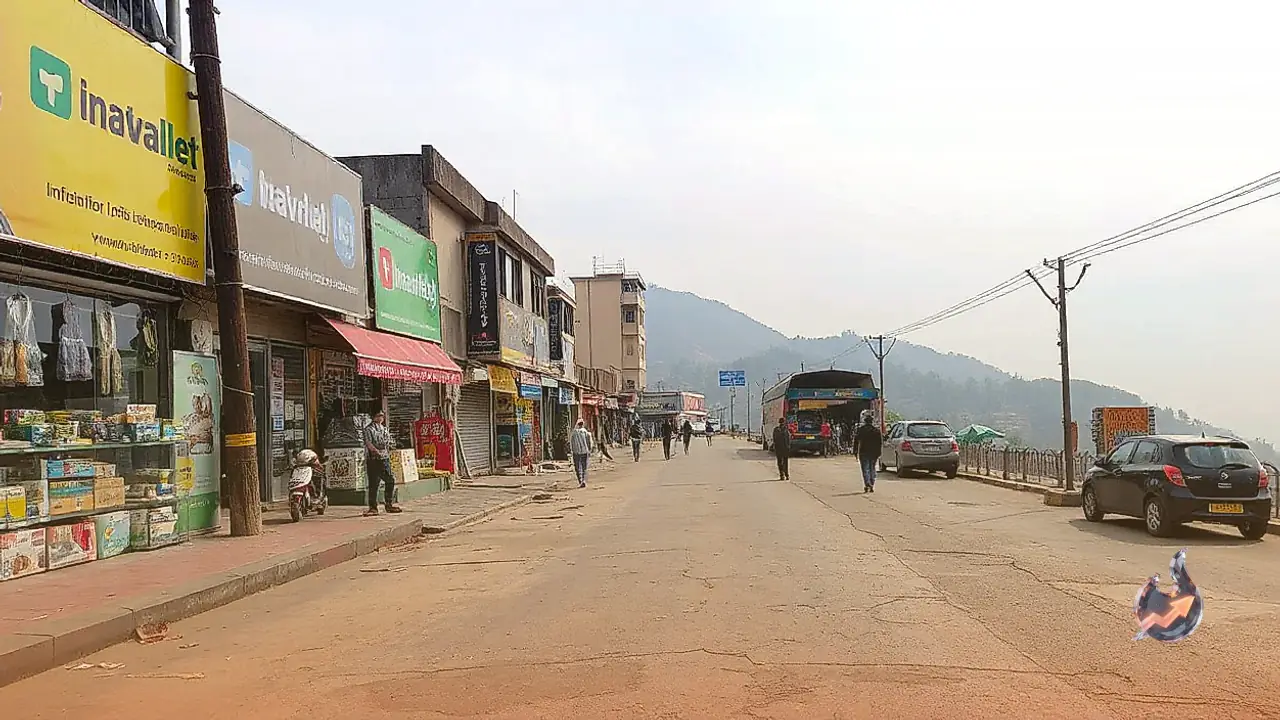














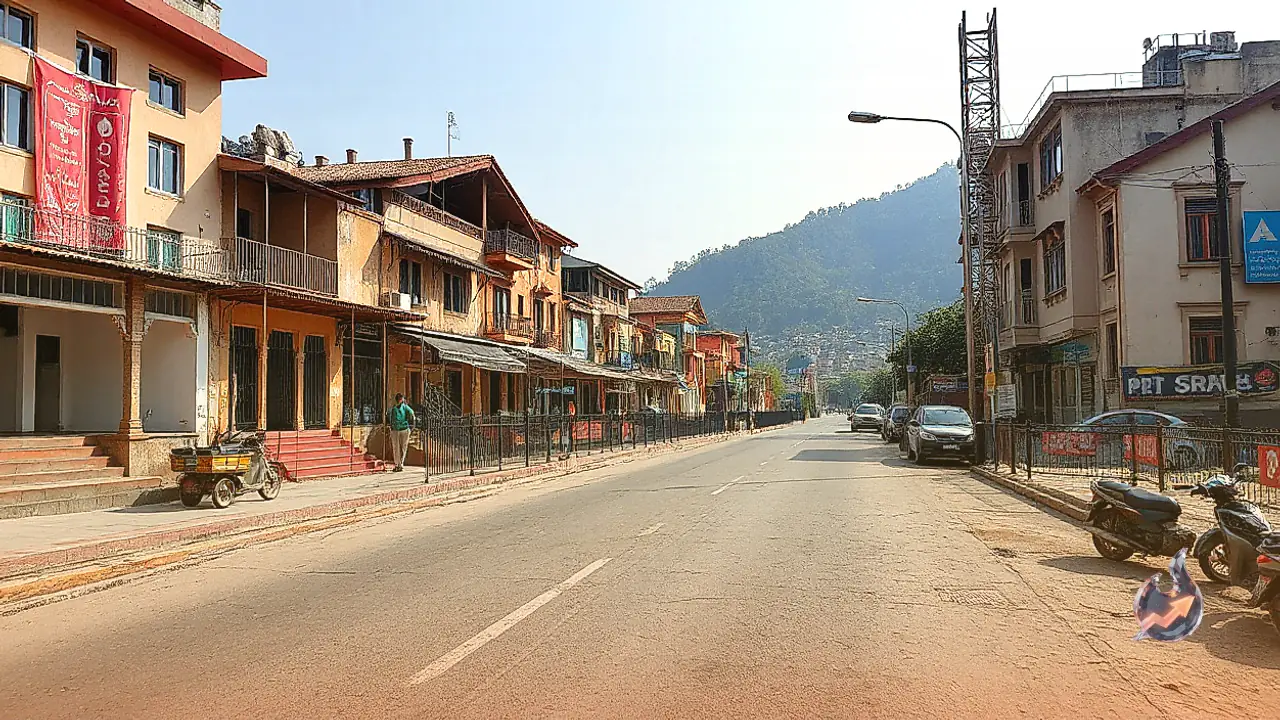

Nainital, the renowned lake city of Uttarakhand, is globally recognized for its mesmerizing Naini Lake and the historic Mall Road running right along its edge. The bustling promenade flanked by towering mountains on one side and the shimmering lake on the other creates a picturesque atmosphere that attracts countless tourists every year. However, maintaining the structural integrity and safety of this iconic Mall Road has consistently proven to be a formidable challenge for civil engineers. The primary driver behind this difficulty stems from the unique geographical terrain and complex soil composition of the region.
A significant portion of Nainital is built upon historical debris and loose, unstable soil layers. Under these challenging circumstances, ensuring ground stability and keeping the roadway secure is far from simple. Consequently, instead of opting for routine surface repairs, authorities have turned to advanced engineering techniques to treat the damaged segments of Mall Road. Specifically, the project incorporates 51 micro piles along with deep foundation methods to anchor the roadway securely.
Understanding Micro Pile Technology and Structure
To grasp the engineering behind the micro pile treatment used on Mall Road, examining its core structure is essential. Micro piles are specialized, small-diameter deep foundation elements that are drilled and installed deep into the earth. Their primary function is to transfer the heavy load of a roadway, building, or infrastructure away from weak upper soils down to much stronger strata located deeper underground. For the Mall Road stabilization project, a total of 51 micro piles have been installed, each featuring a diameter of 300 millimeters and extending to a depth of approximately 18 meters, establishing a robust sub-surface support network.
Extending the Road Foundation 18 Meters Deep
Given the difficult geographical reality of Mall Road, mere cosmetic or surface-level repairs were never going to be sufficient. Taking into account the loose subsurface soil and overall ground stability, engineers implemented deep foundation techniques. Under this method, the micro piles reach roughly 18 meters below the surface. This advanced approach ensures that the weight of the road and its traffic does not rely solely on the unstable topsoil, but is instead successfully transferred to stable deeper layers, keeping ground pressure under control.
The Scientific Principle of Friction in Micro Piles
The remarkable strength provided by micro piles relies heavily on a fundamental scientific principle known as skin friction. Once these micro piles are securely installed within the ground, a friction force develops along the outer surface of the pile and the surrounding soil mass. Through this friction, the structural weight is effectively transmitted into the deep layers of the earth. In simpler terms, these piles create a hidden subterranean framework that prevents the weight of the road from resting entirely on vulnerable surface soil, making it an ideal solution for sensitive mountainous terrains.
Application in Major Bridges and Infrastructure
The specialized technique utilized for Mall Road is not restricted to roadways alone. Micro pile and deep foundation systems are frequently deployed during the construction of major bridges, flyovers, and other vital infrastructure projects worldwide. Whenever surface soil conditions are poor and conventional foundations fail to deliver adequate load-bearing capacity, engineers turn to such robust methods. The design and Detailed Project Report for the Mall Road treatment were formulated according to standards set by THDC, marking it as a critical structural reinforcement initiative rather than a standard patch job.
Why Maintaining Nainital Mall Road is Extremely Challenging
The unique topography of Nainital sets it apart from conventional urban landscapes. Steep mountain slopes, the delicate shoreline surrounding the lake, and the presence of legacy dumping zones make civil engineering interventions highly demanding in this hill station. In such vulnerable zones, understanding subsurface soil behavior and engineering tailored foundations is paramount. This explains why modern interventions were deemed necessary to rescue the damaged sections of Mall Road, utilizing 51 micro piles to provide deep structural anchorage and enhance long-term slope stability.