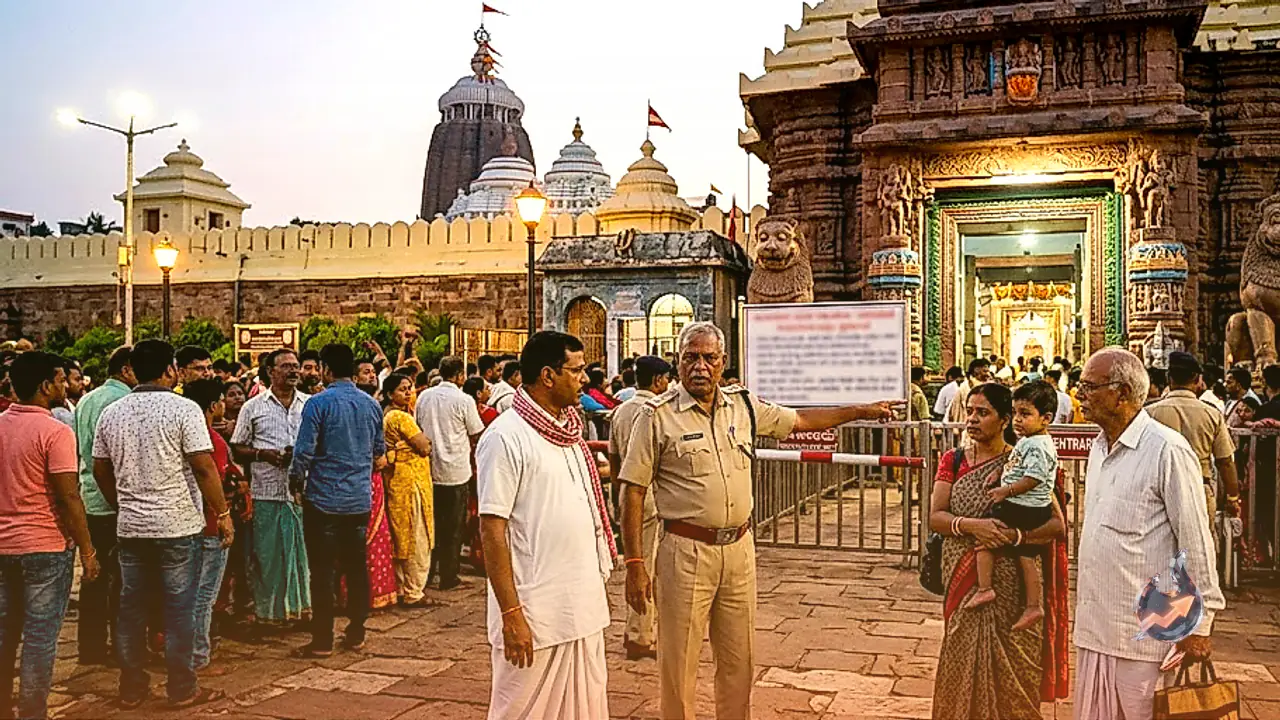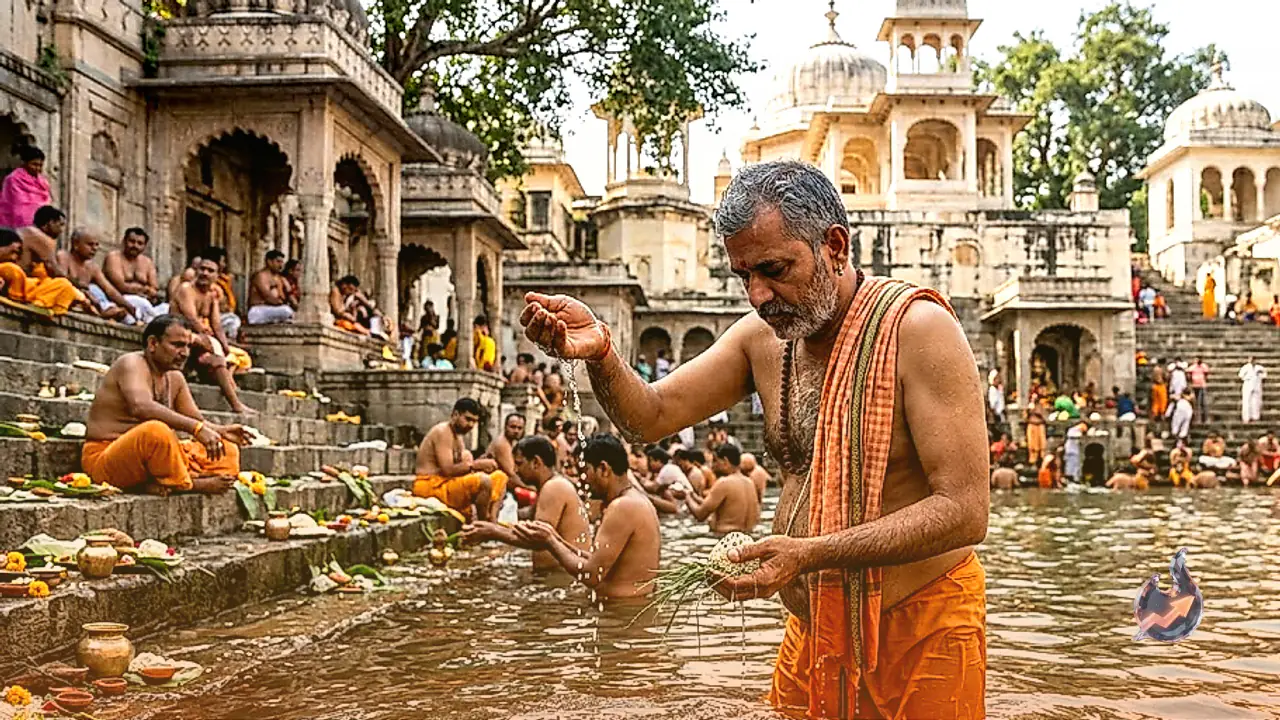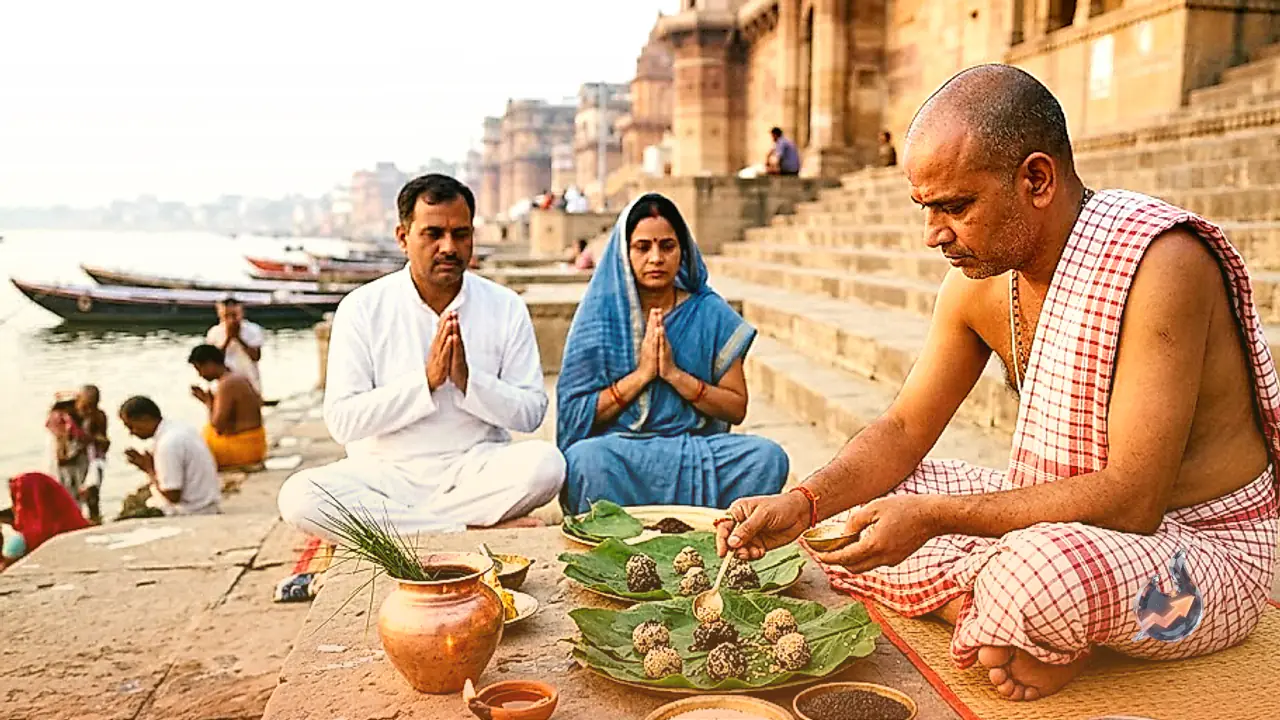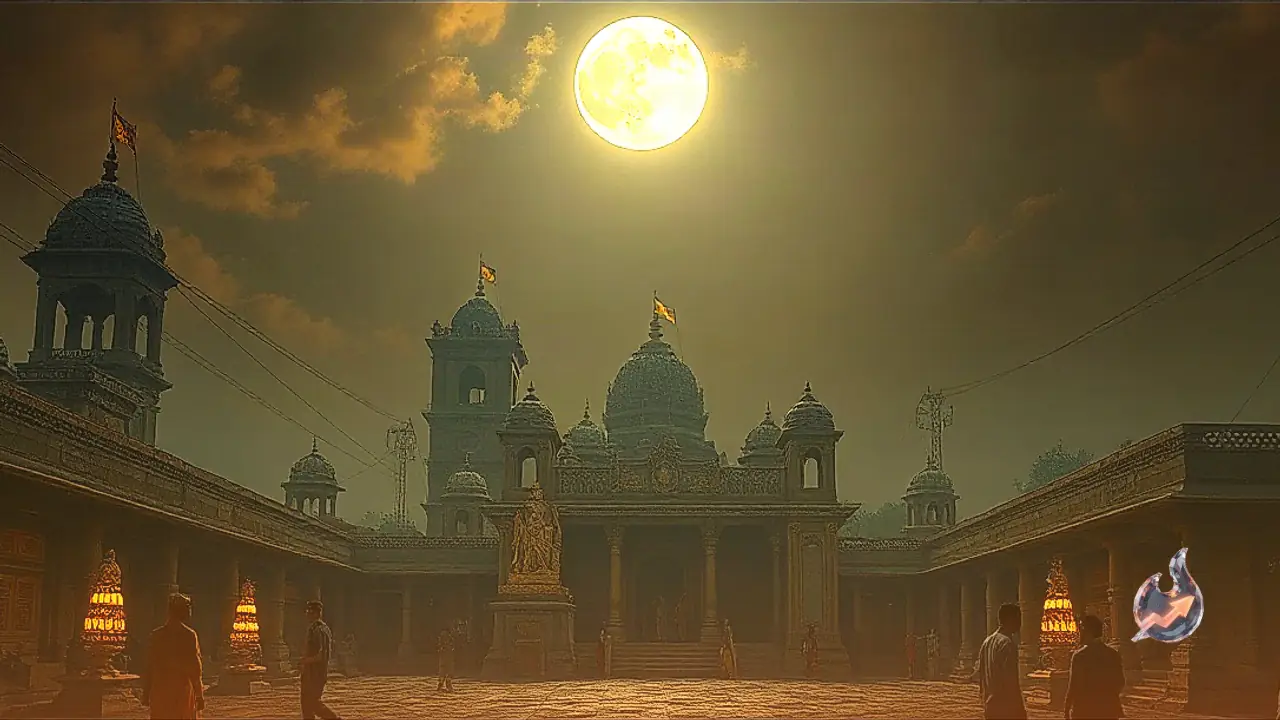















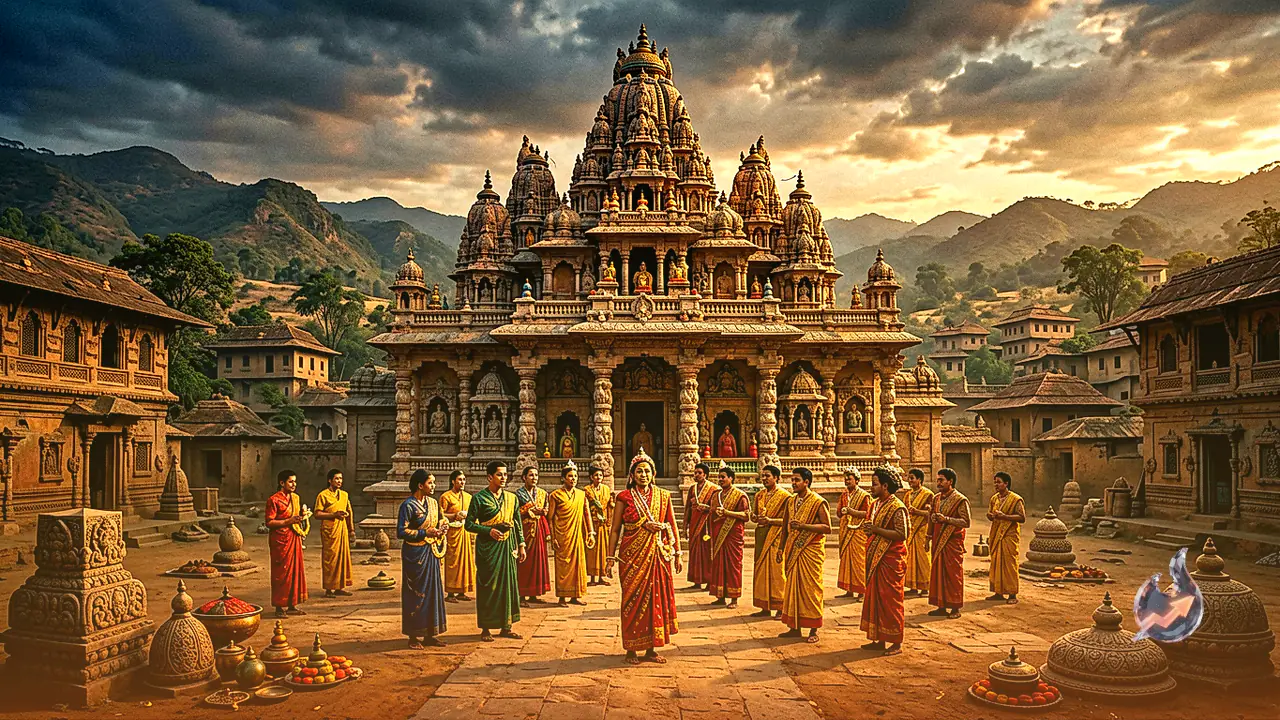

The historic Jagannath Temple located in Barhada Mahant village within the Siswa region of Maharajganj district, Uttar Pradesh, has stood as a revered sanctuary of faith for approximately 240 years. Considered an official branch of the world-famous Jagannath Temple in Puri, Odisha, this sacred shrine holds a distinctive position across the region due to its miraculous origin story, ancient architectural elements, and vibrant spiritual celebrations.
A Divine Vision in 1786 and Royal Patronage from Nepal
The chronicle of this sacred temple dates back to around 1786 AD. During this period, a group of revered saints under the guidance of Vaishnav Ramanuj Das was undertaking a religious pilgrimage on foot toward Muktinarayan. While resting at night in the village, the leader received a divine revelation in a dream, signalling that this particular plot of land was intensely holy and uniquely suited for spiritual practice. The dream instructed that the holy deities of Lord Jagannath should be enshrined at this site.
Upon learning about this miraculous dream, the King of Nepal assured Saint Vaishnav Ramanuj Das of complete support and cooperation for constructing the temple. Reassured by the royal pledge, Saint Vaishnav Ramanuj Das traveled to Jagannath Puri in Odisha to obtain the holy idols. He brought the consecrated idols to Barhada Mahant village and formally established the temple following traditional Vedic rites.
Puri Traditions and Major Festival Celebrations
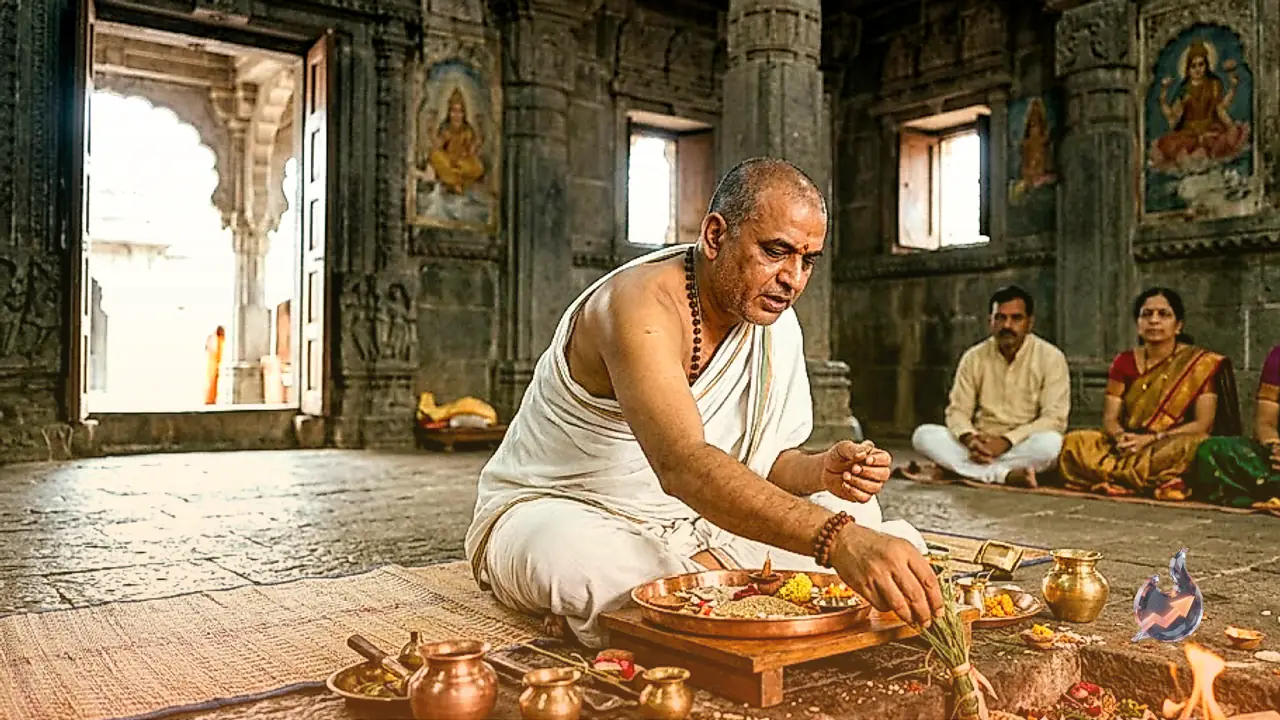
According to the present head priest Mahant Sankarshan Ramanuj Das, the temple strictly adheres to the sacred traditions of the Puri Jagannath Temple. All daily prayers, rituals, and complex religious ceremonies are conducted in exact accordance with the customs established at the main Puri shrine.
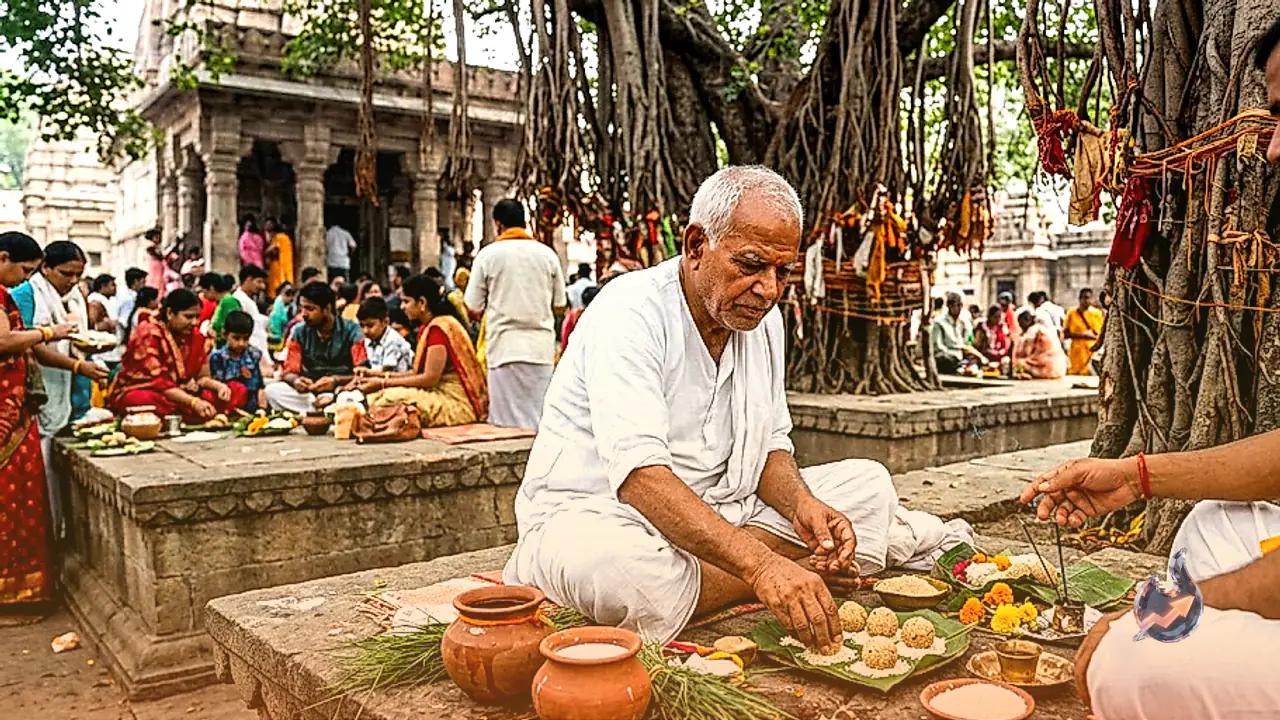
Throughout the year, the temple hosts grand religious events that draw large numbers of devotees. Major festivals celebrated here with great pomp include the annual Rath Yatra, Jhulotsav, Vijayadashami, and Annakut. During these occasions, thousands of pilgrims gather from near and far to participate in the traditional rituals and seek divine blessings.
Ancient Craftsmanship and the Perennial Well
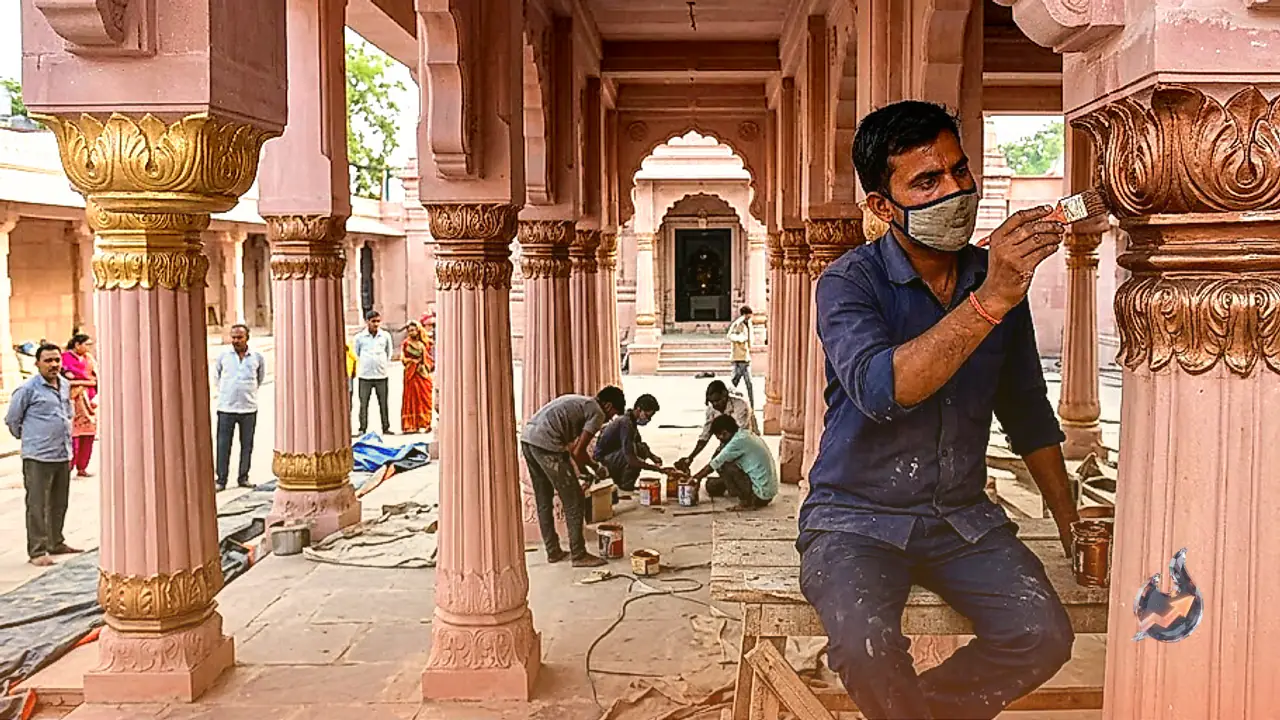
Standing for over two centuries, the outer and inner walls of the temple vividly reflect its rich antiquity. The intricate artwork and decorative carvings engraved on the walls remain remarkably well preserved, showcasing exceptional traditional craftsmanship.
Adding to the temple spiritual mystery is an ancient well located within the courtyard. Local residents note that the water level in this historic well has never dried up since its construction. To this day, devotees and local villagers continuously utilize water from this sacred well for daily needs and religious offerings.
Today, this iconic sanctuary attracts visitors not only from Maharajganj district but also from neighboring Bihar state and the border nation of Nepal, solidifying its reputation as the oldest and most significant pilgrimage destination in the district.