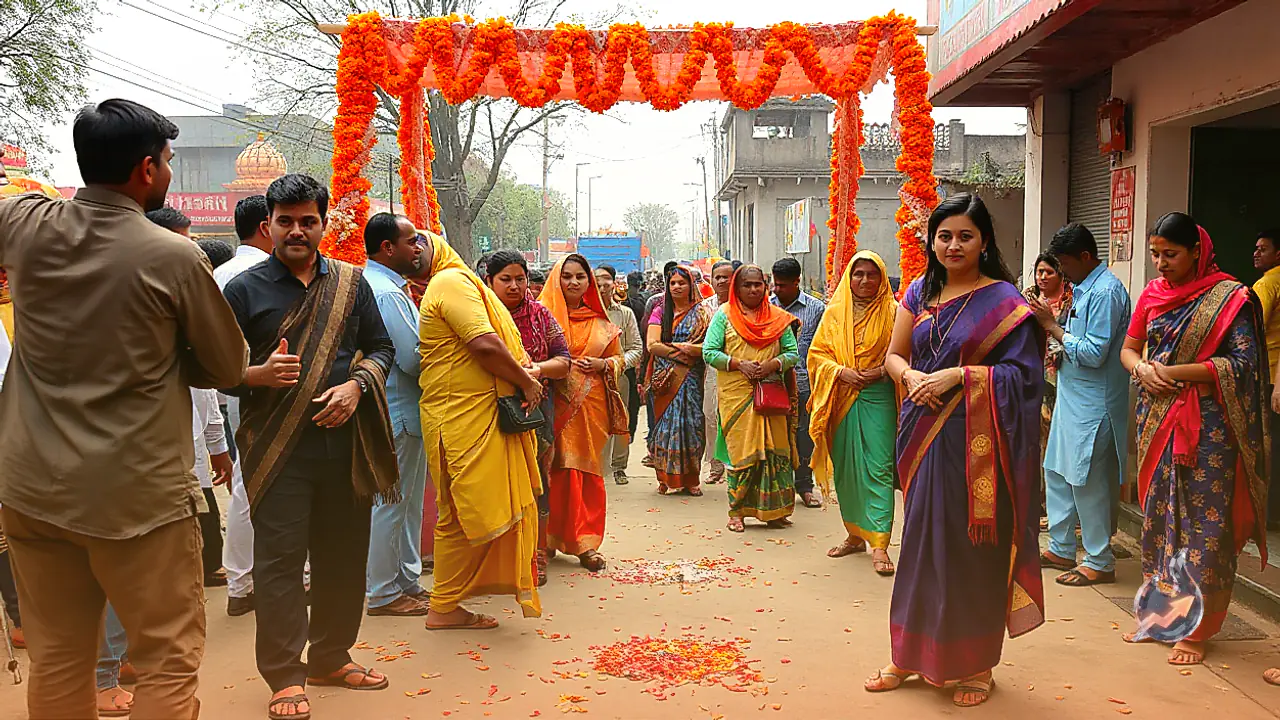




















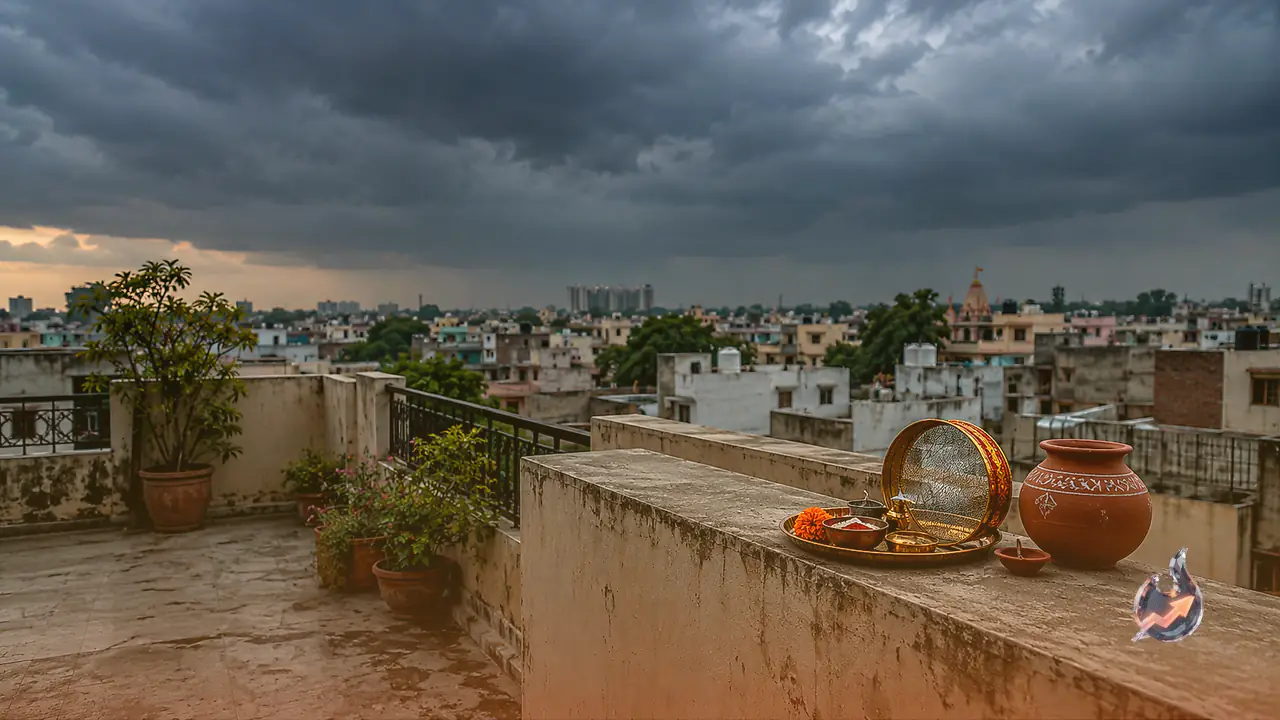

Karwa Chauth stands as one of the most sacred observances for married women across the country. On this meaningful occasion, wives observe an unbroken waterless fast throughout the day, dedicating their prayers to the longevity of their husbands, domestic harmony, and the enduring welfare of the household. Customarily, the fast reaches its fulfillment only after the moon ascends in the night sky, at which point women offer water and prayers to the celestial body before accepting water from their spouses. However, adverse weather triggered by Cyclone Arnab has brought relentless rainfall and cold winds to multiple regions. In Delhi-NCR, persistent cloud cover and steady showers since morning have cast serious doubt over whether the moon will be visible at night. For women observing the strict fast, traditional practices provide dependable, symbolic alternatives to conclude the religious rites seamlessly.
Revering Lord Shiva and the Crescent Moon
When heavy storm clouds block a direct view of the moon, devotees can direct their prayers toward Lord Shiva. Iconography and scriptures place the crescent moon upon the crown of Shiva, making devotion to him an accepted conduit for lunar worship. Believers can pray with pure devotion before an idol or picture of Shiva, offering reverence to the moon resting upon his head. In numerous households, offering symbolic water to Lord Shiva under these conditions fulfills the ritual requirement, enabling the devotee to break the fast with complete spiritual peace.
Facing the Direction of Moonrise for Offerings
Astronomically, the moon ascends in the east and journeys toward the west. Even when visibility is entirely obscured by overcast skies, the celestial rise occurs naturally at the appointed hour. Women can ascertain the expected direction and timing of the moonrise and turn toward that quarter. By invoking the presence of the moon toward the eastern horizon with devout intent, one can perform the traditional water offering and proceed with the conclusion of the fast.
Using Modern Video Calls Across Regions
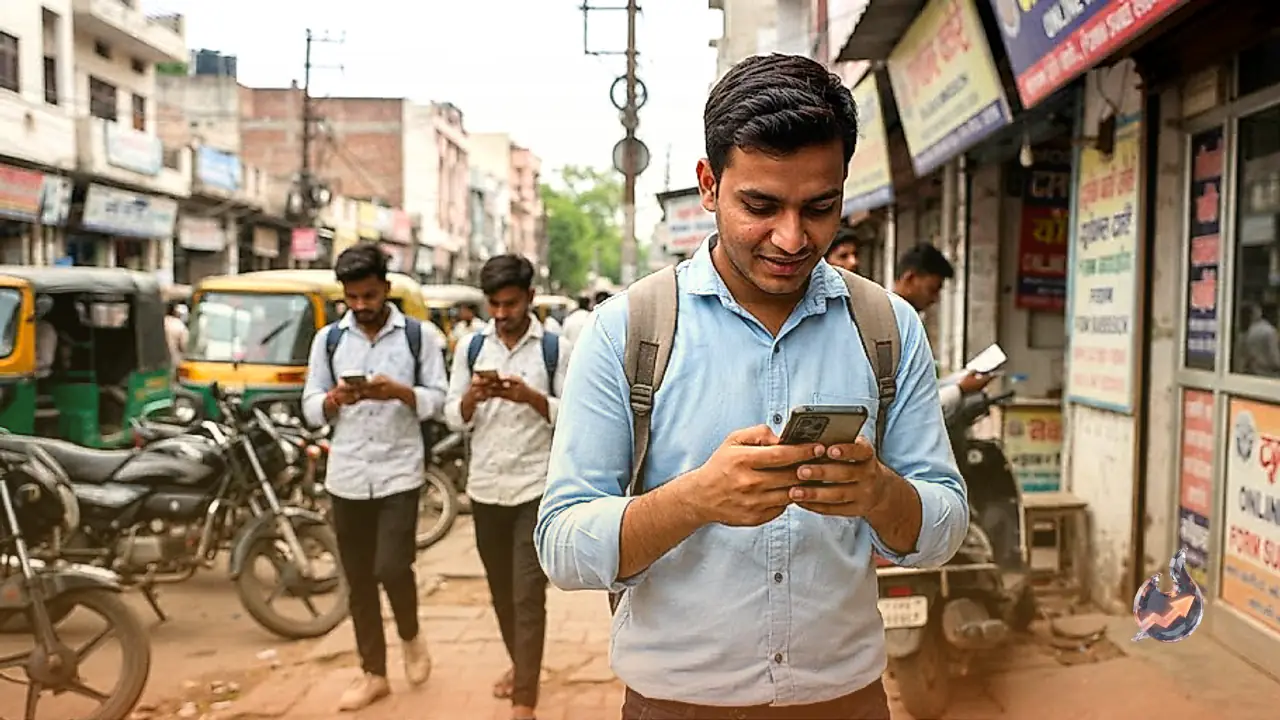
Contemporary communication tools offer a practical bridge when weather conditions turn unfavorable locally. If one city is experiencing heavy overcast while another location enjoys clear skies, family members can connect via a live video call. Observing the moon through a digital display from a relative situated in a clear zone has gained widespread acceptance among families managing unpredictable atmospheric conditions.
Crafting a Symbolic Lunar Image With Rice Grains
Another reverent alternative involves designing a circular lunar representation using clean, unbroken rice grains on a sanctified altar or prayer table. Devotees perform the traditional rites by treating this carefully shaped rice design as a sacred embodiment of the moon. After completing the ceremonial prayers and offering water before this consecrated figure, the observer can conclude the daylong fast.
Water Vessels and the Sacred Lamp Flame
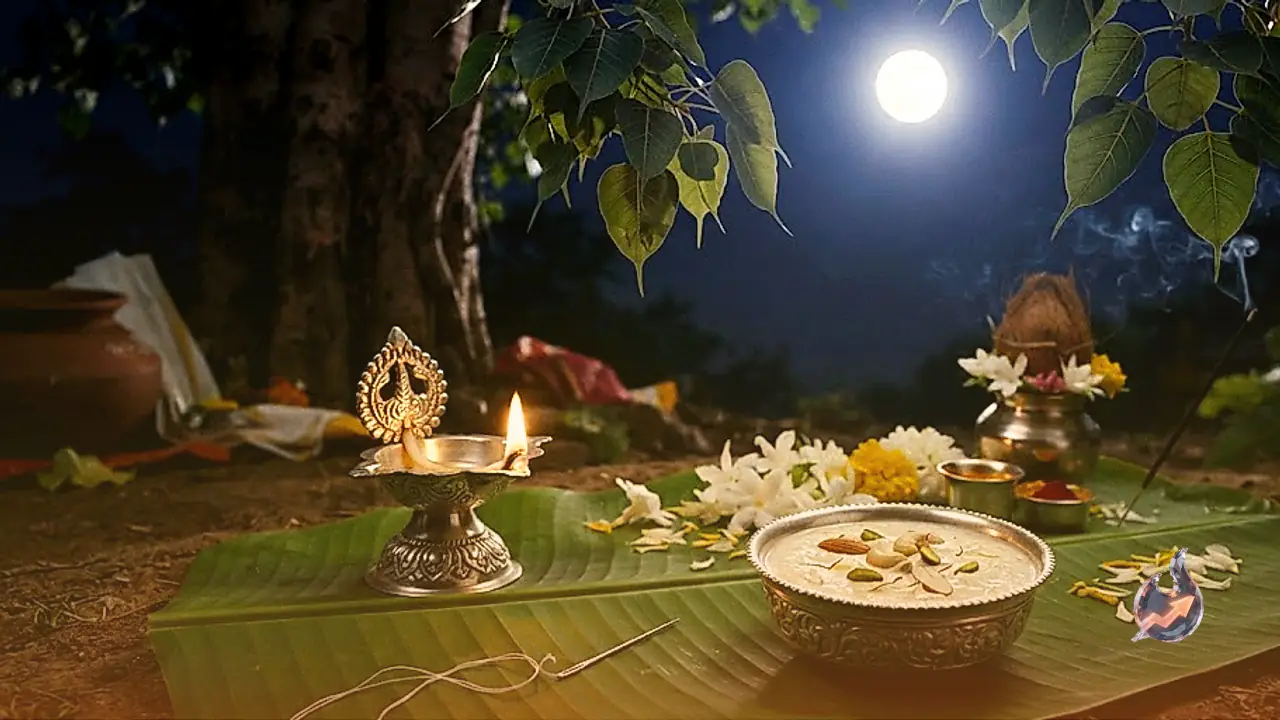
Filling a pristine vessel with clean water and placing it directly within the domestic shrine serves as another recognized substitute. Devotees meditate upon the divine attributes of the moon reflected in the purity of the water. In several homes, looking toward the steady flame of a consecrated prayer lamp with concentrated devotion is likewise embraced as a symbolic substitute for lunar light before proceeding to sip water.
Gazing at a Silver Coin in Water Through a Mirror
Devotees can also place a pure silver coin inside a shallow plate filled with clean water. By positioning a small mirror to observe the reflection of the silver piece, one invokes the energetic presence of the lunar deity, as silver is traditionally affiliated with the moon. Concluding the ceremonial gaze through this reflective method allows the fast to be completed smoothly.
Scheduled Moonrise Expected at 8:39 PM
According to astronomical calculations found in the traditional almanac, the moon is projected to rise at approximately 8:39 PM. Should atmospheric barriers persist past this hour, women observing the sacred vows can readily adopt any of these authentic alternative observances to break their fast with confidence and reverence.