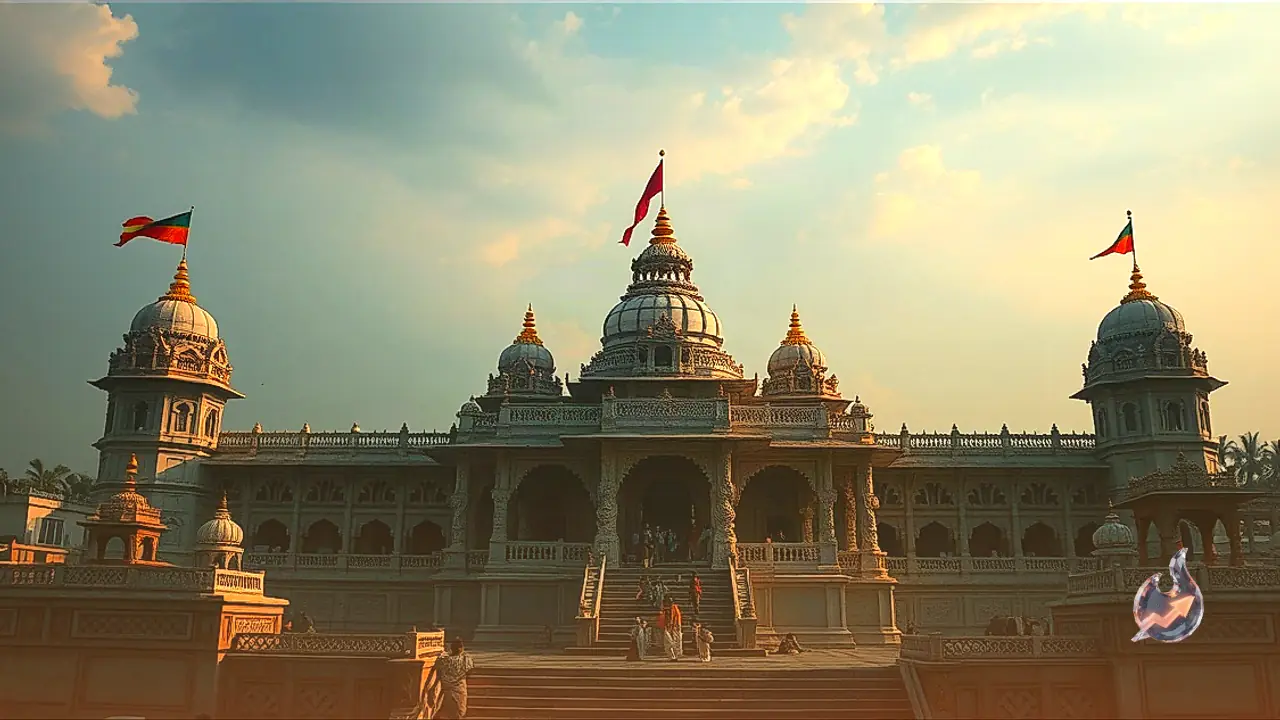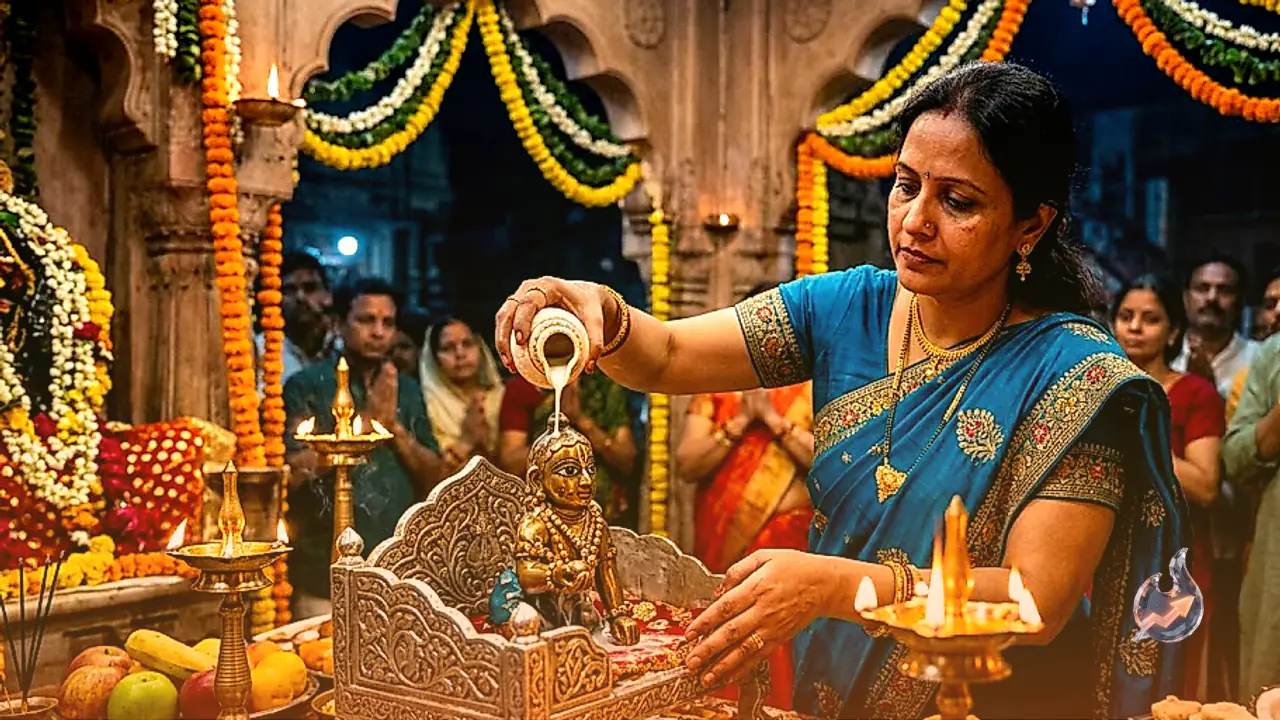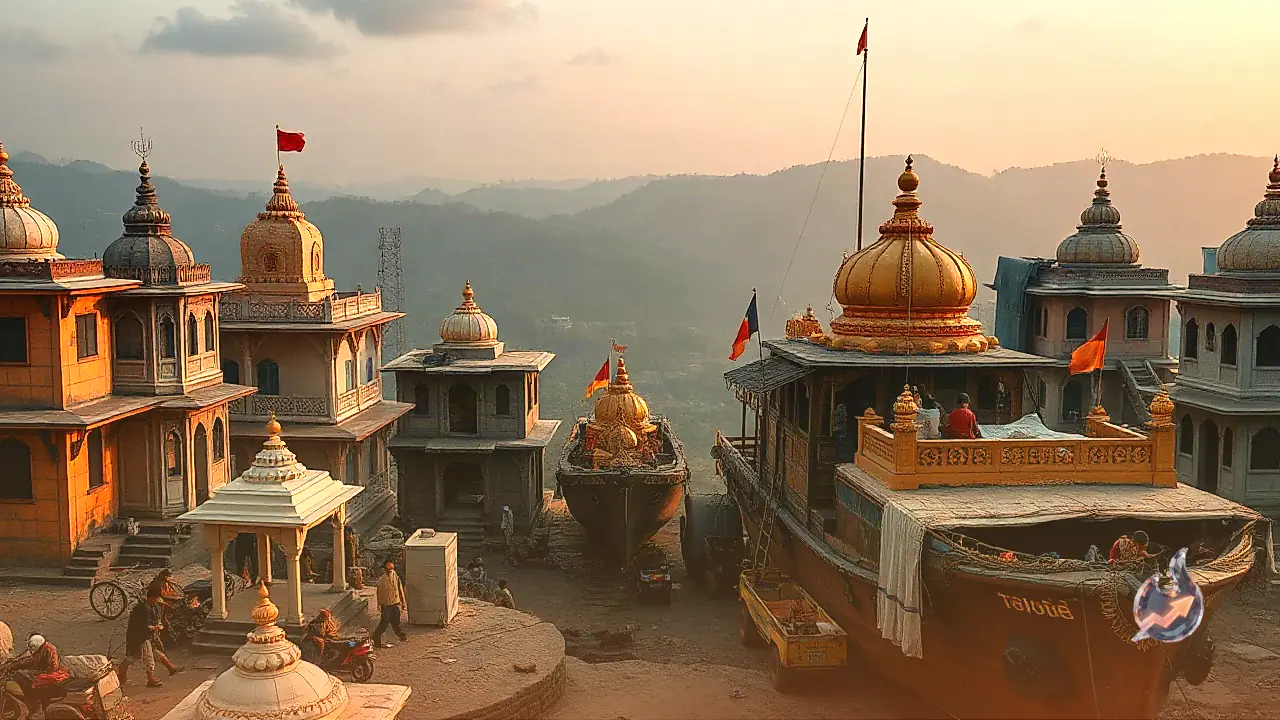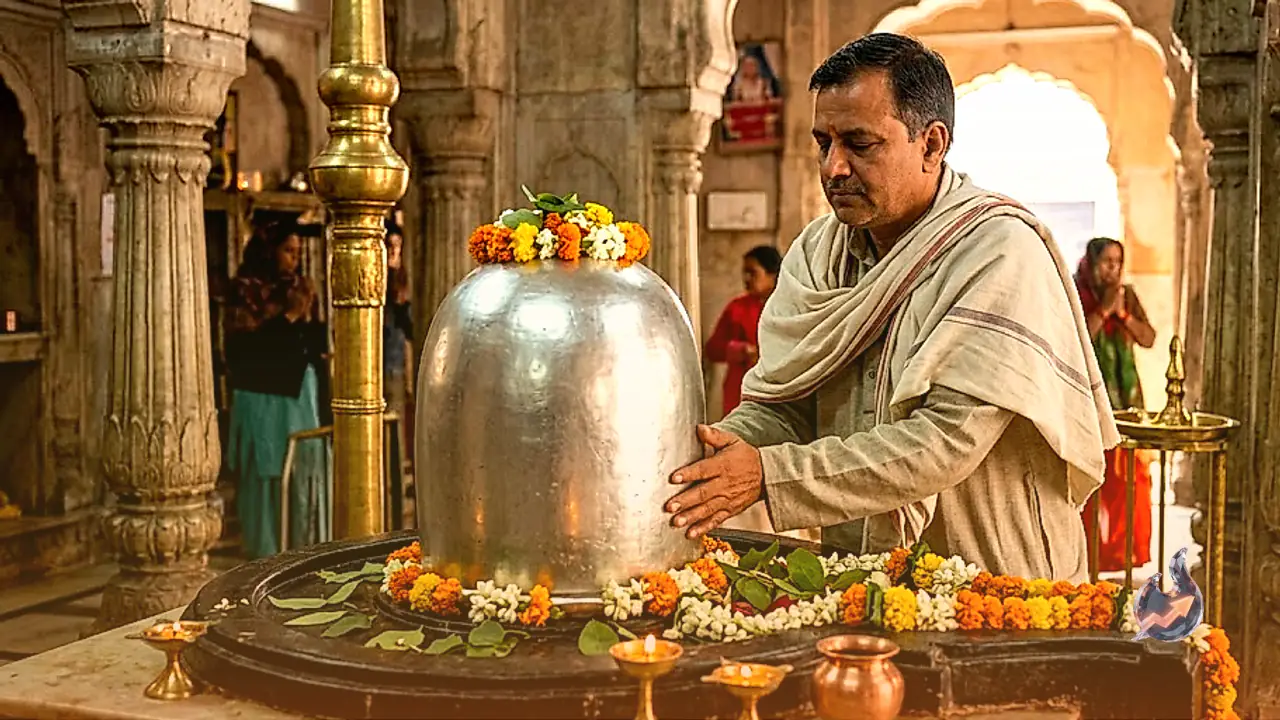

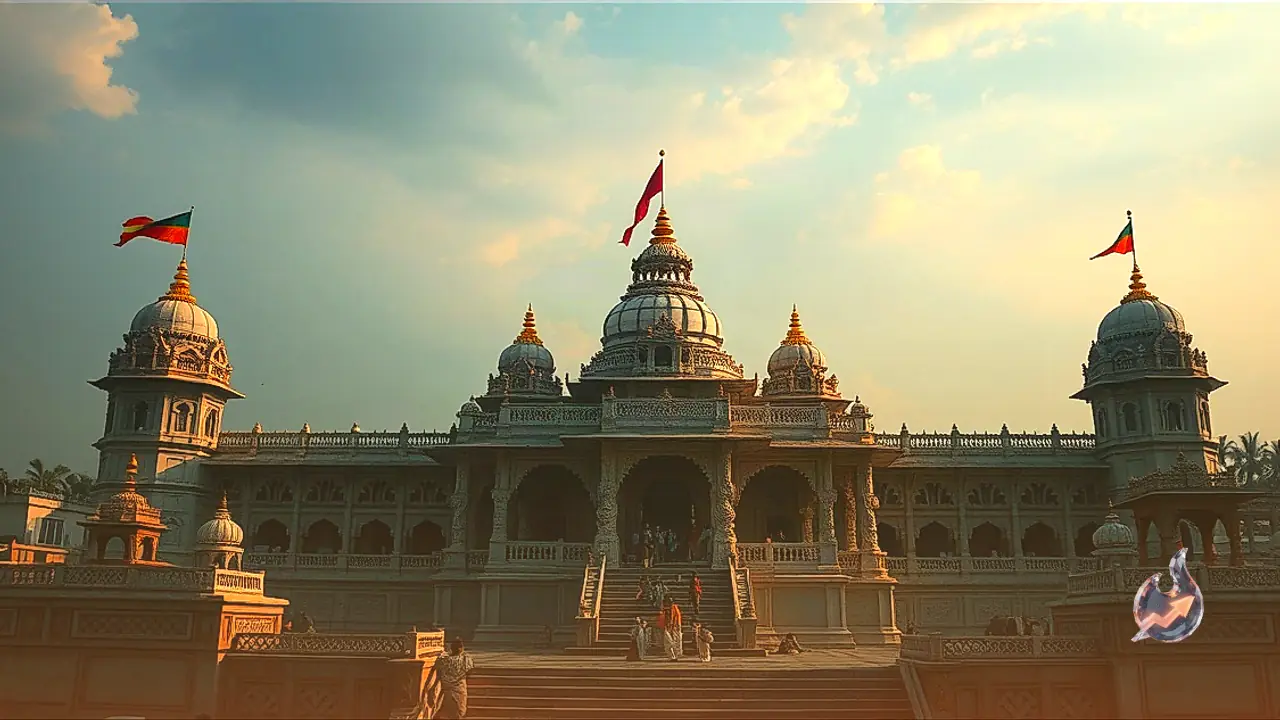















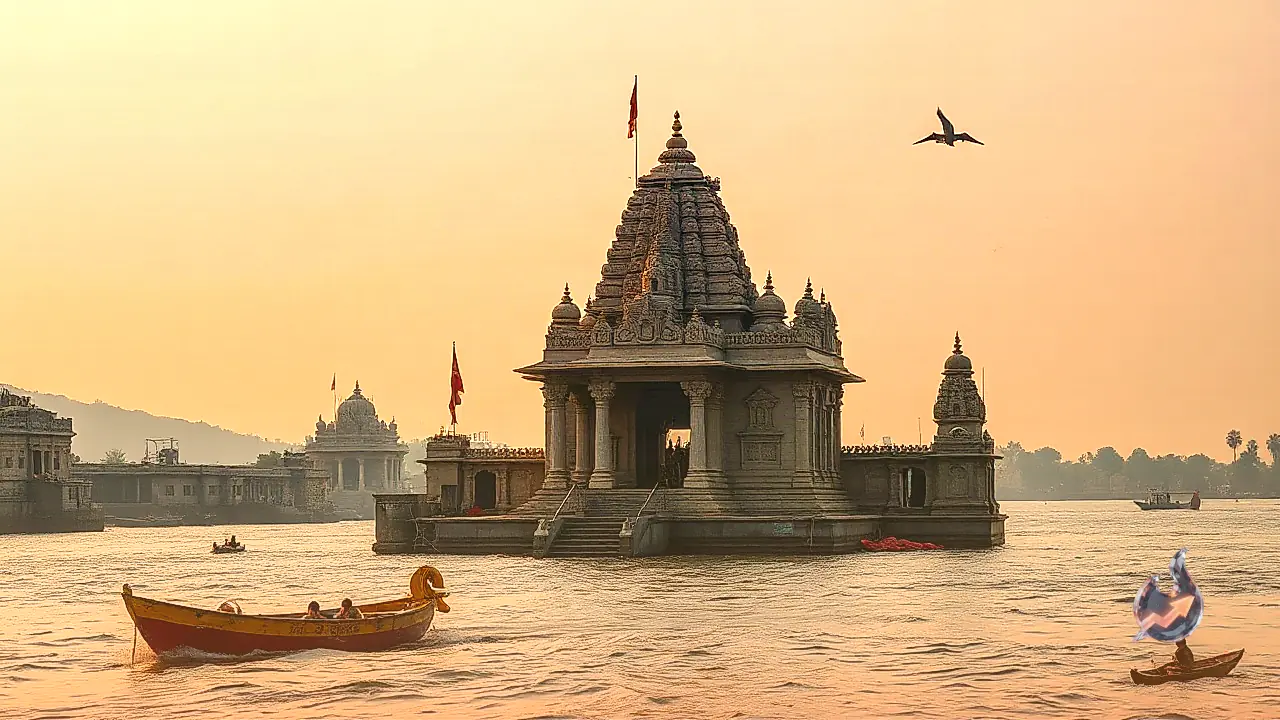

In the Palamu district of Jharkhand, right along the border with Bihar, lies an extraordinary holy site where Lord Shiva resides not inside a standard temple sanctum, but right in the middle of the flowing waters of the Son River. With the arrival of the auspicious month of Sawan, chants of Har Har Mahadev echo across the region as devotees travel from near and far to visit this ancient shrine. Known as Dashshishanath Mahadev, this revered destination is celebrated for both its spiritual devotion and its historical mysteries. During the monsoon season, when the river fills and surrounding greenery flourishes, pilgrims reach the midstream shrine by boat or by walking through the water to perform Jalabhishek.
The Treta Yuga Legend and Ravana's Connection
According to local folklore, the origins of this sacred spot trace back to an event from the Treta Yuga. According to the legend, Lankapati Ravana pleased Lord Shiva through intense penance and was granted a Shivling to carry back to Lanka. As he traveled through the area near the Son River, Ravana felt an urgent need to relieve himself. Unwilling to place the sacred Shivling on the ground, he handed it to a local cowherd to hold temporarily. Unable to bear its increasing weight, the cowherd set the Shivling down on the earth. When Ravana returned and attempted to lift it, the Shivling remained immovable. Accepting it as Lord Shiva's divine will, the deity has been worshiped at this exact riverbed location ever since.
How the Name Dashshishanath Originated
Local residents explain that the name Dashshishanath Mahadev is a combination derived from both Ravana and Lord Shiva. Ravana possessed ten heads, known as Dashshish, and was a devout follower of Lord Shiva. Because the Shivling was placed here by the ten-headed demon king, the prefix Dashshish became attached to the location. Meanwhile, Lord Shiva is revered as Bholenath and the supreme master, or Nath, of all creation. By joining Ravana's ten heads (Dashshish) with Shiva's title of Nath, the shrine earned its unique title of Dashshishanath Mahadev.
Confluence of Three Rivers and Unique Midstream Setting
The geographical setup of Dashshishanath Mahadev is notably unique. Near the temple site, the waters of the Koyal, Saraswati, and Sanha rivers come together. This sacred confluence flows directly into the larger stream of the Son River. The Shivling sits precisely in the center of the Son River's flow. Standing amidst the running waters to view the deity offers devotees a memorable spiritual experience, heightened during Sawan by the surrounding natural beauty and swollen river streams.
Natural Jalabhishek and Seasonal Monsoon Rains
Due to heavy monsoon rainfall this year, the Son River has experienced high water levels. For several months annually, the river waters completely submerge the Shivling, creating a scene where the river itself appears to perform continuous Jalabhishek over Lord Shiva. Once the rain subsides and water levels drop, the Shivling becomes directly visible to visiting pilgrims. Local believers hold that regardless of how fierce the river's flow or weather conditions become, Mahadev remains firmly established in his spot.
Historical Inscriptions and Lineage of King Pratap Dhaval Dev
Beyond its religious prominence, Dashshishanath Mahadev holds historical and archaeological value. Inscriptions and stone records from various historical periods have been documented around the temple complex. Among these are inscriptions detailing the genealogy of the Kharwar King Pratap Dhaval Dev. Evidence of worship by past rulers, dynasties, and travelers over centuries points to the long-standing heritage of this riverine pilgrimage site.
Pilgrimage During Sawan and Mahashivratri
Throughout Sawan and on the occasion of Mahashivratri, thousands of pilgrims from across Bihar and Jharkhand gather at Dashshishanath Mahadev. Visitors rely on boats or wade through shallow currents to reach the mid-river shrine and offer prayers. Many make religious vows, returning to offer gratitude once their wishes are fulfilled. Lakshman Choudhary, a local resident of Kabra Kala, notes that the site is an ancient religious center featuring inscriptions in multiple historic scripts, backed by a firm belief among locals that sincere prayers made here are answered.