



















Practical guidelines for leading a balanced, safe, and prosperous life have long been associated with the teachings of Acharya Chanakya. His ancient counsel covers vital aspects of economic stability, civic responsibility, and individual well-being. A central principle in his treatise concerns the physical and social environment in which an individual chooses to settle. According to the ancient strategist, taking up residence in a location devoid of fundamental civic resources and safety mechanisms, even for a single day, exposes a person to unnecessary hardship and peril.
The Core Shloka on Choosing a Settlement
Acharya Chanakya encapsulated the indispensable prerequisites of a healthy human settlement within a succinct Sanskrit verse
Dhanikah Shrotriyo Raja Nadi Vaidyastu Panchamah.
Pancha Yatra Na Vidyante Na Tatra Divase Vaset..
The verse instructs that one should not spend even twenty-four hours in an area where five critical pillars are missing: affluent patrons or business minds, scholarly teachers versed in sacred scriptures, a capable ruler or administrator, a reliable river or natural water reservoir, and a qualified physician. Lacking any of these elements undermines the basic security of human life.
Absence of Wealthy Individuals and Commerce
Economic survival forms the base of any stable household. Chanakya noted that regions inhabited by affluent people and active merchants naturally foster commercial exchange and generate widespread employment opportunities. When local commerce thrives, working individuals can secure stable earnings and build personal financial resilience. Conversely, residing where there is no concentration of capital or trade forces inhabitants into severe economic stagnation, eliminating pathways for professional growth and daily livelihood.
Lack of Scholars and Ethical Mentors
Material security alone cannot sustain a flourishing community; moral grounding and collective intellect are equally vital. In the framework of Chanakya Niti, an area with no learned thinkers or scriptural scholars inevitably suffers from a lack of moral direction and cultural refinement. Without intellectual mentors to resolve dilemmas and impart ethical values, societal standards degrade rapidly. Living among individuals disconnected from learning deprives children and adults alike of meaningful guidance.
Absence of Governance and Public Order
The presence of an authoritative administration is vital for personal safety and civil coexistence. Where there is no monarch, magistrate, or recognized administrative leadership, the rule of law completely collapses. Without regulatory oversight or consequences for wrongdoing, citizens become vulnerable to disorder, tyranny, and exploitation. Chanakya strongly cautioned against residing in ungoverned territories, as an individual's rights and assets cannot be safeguarded in an anarchic environment.
Deficit of Natural Water Sources
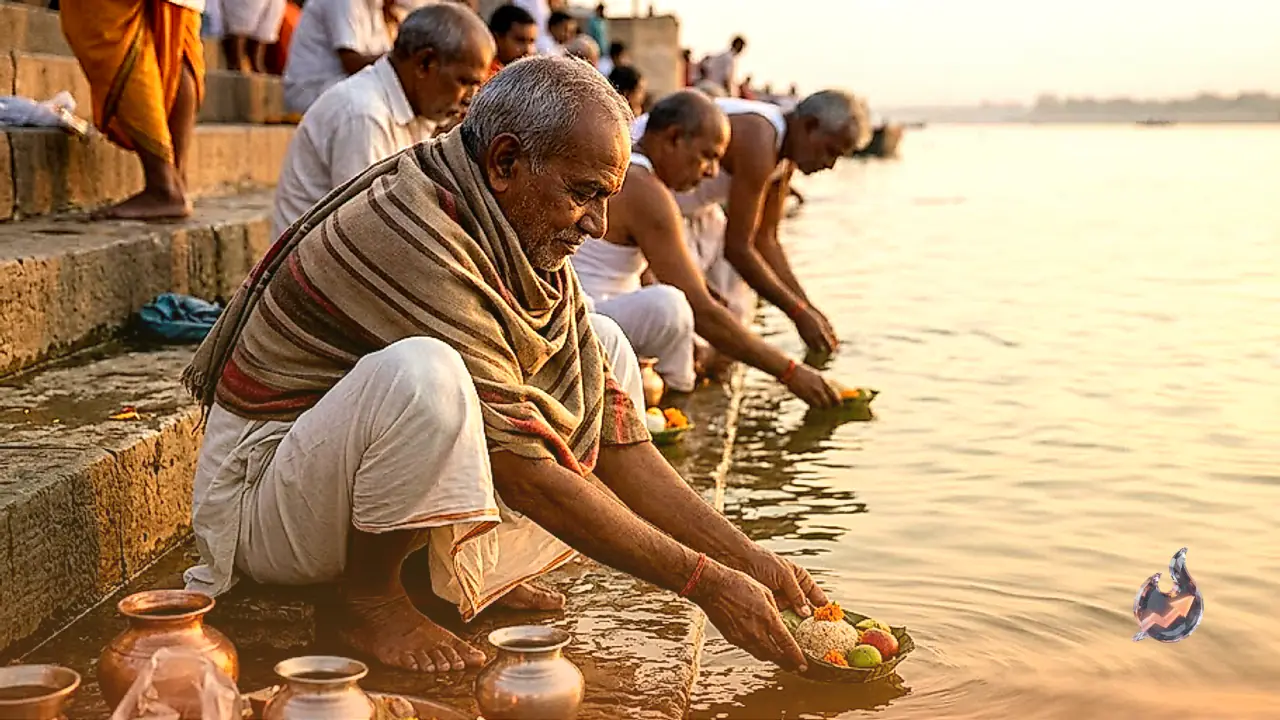
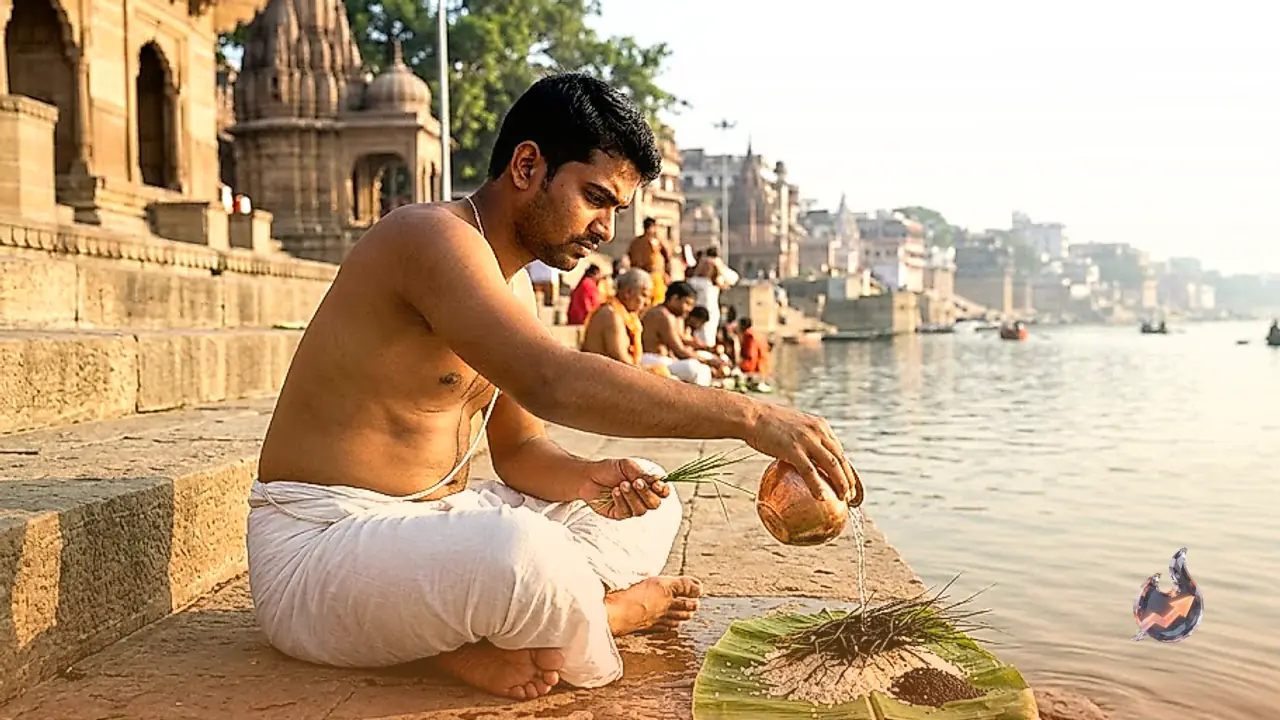
Physical survival directly depends on access to fresh water. Historically, perennial rivers served as the lifeline for domestic usage, livestock, irrigation, and transport. Chanakya pointed out that choosing an environment devoid of a river or dependable aquatic supply invites constant existential peril. Settling in water-scarce regions not only paralyzes daily chores and agricultural pursuits but also forces households to battle recurring distress.
Unavailability of Medical Practitioners
The human physique remains prone to sudden illnesses, accidental injuries, and biological vulnerabilities. Immediate access to a competent medical practitioner or traditional healer is crucial for survival. Acharya Chanakya emphasized that establishing a home far removed from medical expertise is inherently dangerous. Minor ailments can quickly escalate into fatal conditions when skilled treatment is unavailable, making proximity to healthcare an indispensable factor when selecting a place of residence.