





















Bach Baras, also known as Govatsa Dwadashi, falls in the Bhadrapada month and is being observed this year on September 7, 2026, that is today. At the heart of the day sits an old mother-in-law and daughter-in-law tale that shows how an honest, desperate prayer and devotion to a cow and her calves can undo even the gravest mistake. That story is retold in homes across the day, alongside the rituals for the festival.
Today's puja timing and temple celebrations
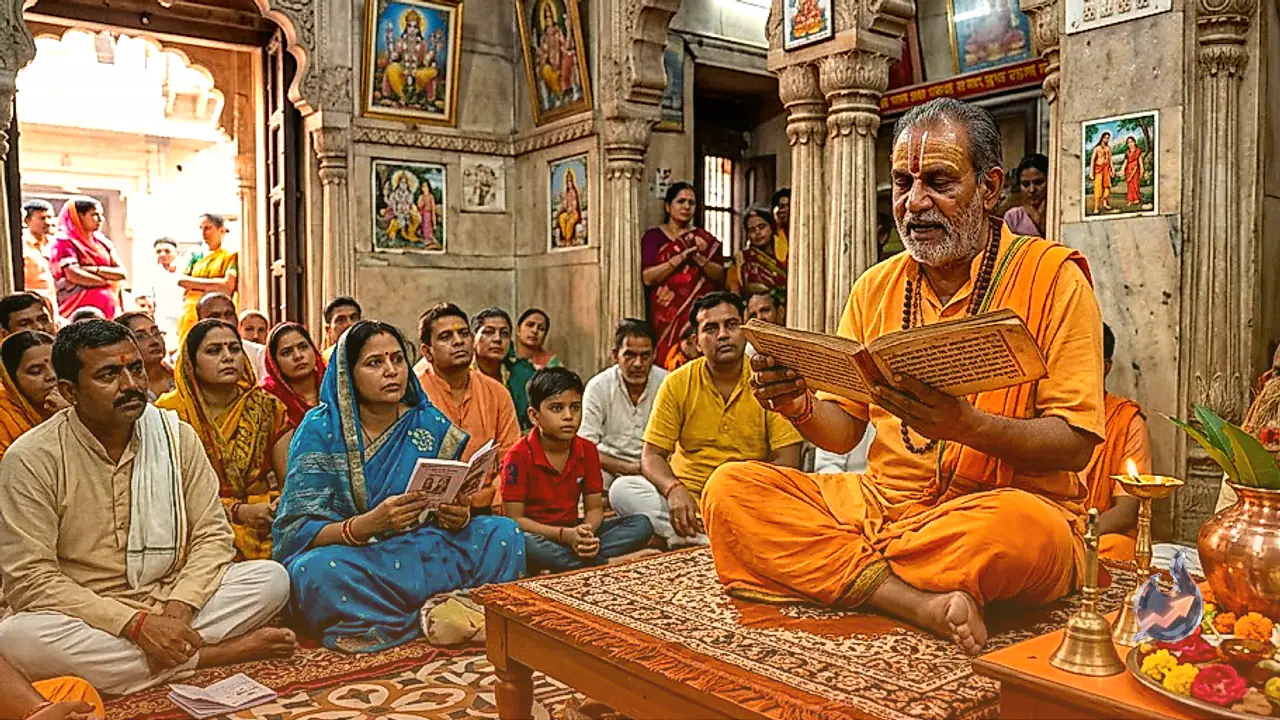
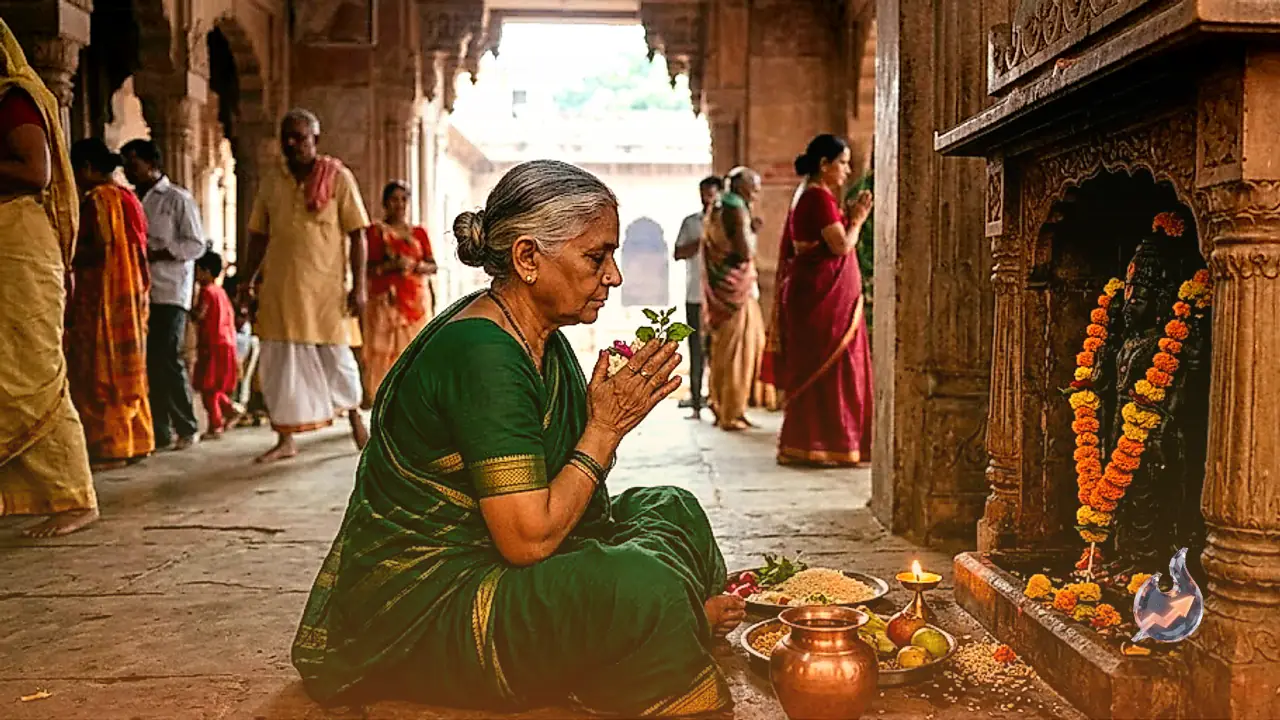
On Bach Baras, women observe a fast for the wellbeing of their children and worship Lord Krishna with full rituals. Temples dedicated to Krishna set up tableaux recreating his cow-grazing pastimes, showing the child Krishna leading cows through the forest. Worship of the cow and her calf holds special importance on this day. Tradition holds that the Govatsa Dwadashi puja should be performed during godhuli kaal, the twilight hour when cows return home after grazing. This year that auspicious window runs from 06:36 PM to 08:53 PM in the evening, meaning anyone planning the puja today needs to complete the rituals within that window.
A mother-in-law's instruction, a daughter-in-law's fatal mix-up
The folk tale tied to Bach Baras revolves around a mother-in-law and her daughter-in-law. One day the mother-in-law had to go into the forest to graze the family cow, and that same day happened to be Bach Baras in the month of Bhadrapada. Before leaving, she told her daughter-in-law that she was going to graze the cow, and that the daughter-in-law should boil the gehunle-jaule, meaning wheat and barley. The complication was that the family's two calves were also named Gehunle and Jaule. The daughter-in-law grew confused over why she had been asked to boil a calf. In reality her mother-in-law meant the grains, wheat and barley, but the daughter-in-law failed to catch the distinction. Obeying what she believed was the instruction, she boiled one of the calves instead of the grain.
The pot shattered and the calves walked out alive
When the mother-in-law returned home that evening after grazing the cow, she told her daughter-in-law that since it was Bach Baras, the wheat and barley could wait, they would first worship the cow and calf. Hearing this, the daughter-in-law's face fell and she began trembling with fear. Silently she prayed that her honour was in Bach Baras Mata's hands that day. Her sincere, innocent prayer is said to have moved Bach Baras Mata to mercy. The pot in which the calf had been boiled suddenly broke apart, and both calves emerged alive and well. Strangely, a shard of the broken pot remained hanging around the calves' necks as proof of what had happened. Startled, the mother-in-law asked what it was, and the daughter-in-law, in tears, confessed everything, telling her that Bach Baras Mata had saved her honour and that god had kept her truthful and given the calves a new life.
Why the day's food rules trace back to this story
Because of this episode, it is believed that wheat, cow's milk and anything made from cow's milk are avoided on Bach Baras. Fruits and vegetables cut with a knife or any sharp object are also considered forbidden on this day, since the tale itself turns on a pot breaking and the calves' lives being at risk. That is why people prefer to eat only whole, uncut fruit and vegetables on the day. The story traditionally closes with a prayer asking Bach Baras Mata to protect every household the way she protected both the mother-in-law and the daughter-in-law, followed by chants hailing Bach Baras Mata and the cow mother.