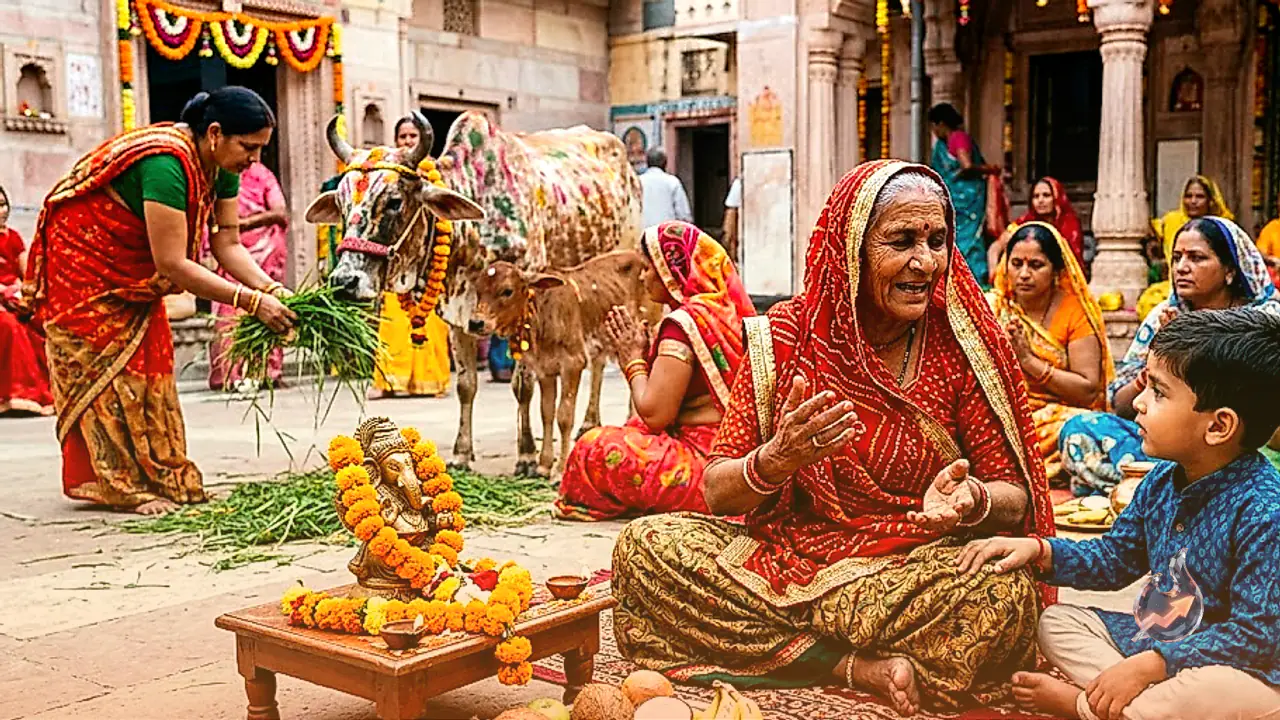























During the period of Pitru Paksh, followers of Hindu traditions perform Shradh, Pind Dan, and Tarpan to honor their ancestors. According to religious beliefs, remembering and offering prayers to departed souls helps individuals overcome ancestral afflictions while granting peace to the ancestors. However, a common question arises among families regarding whether they should perform these rituals for relatives whose death occurred less than a year ago and whose first annual death anniversary has not yet passed. Exploring scriptural guidelines clarifies this procedure completely.
Guidelines for Performers Before the First Anniversary
- According to the Garuda Purana, family members must complete the final rites, Pind Dan, and peace prayers within thirteen days following a person's passing.
- If a relative passed away less than a year ago and Pitru Paksh begins, family members should only offer water and black sesame seeds as Tarpan while remembering the departed soul.
- Scriptures mandate that proper Shradh and Pind Dan should ideally take place only after completing one full year since the passing. Relatives must perform the formal Shradh on the specific death date only after the first annual anniversary.
- Religious traditions state that a person officially joins the category of ancestors only after completing their first annual Shradh. Performing the rituals annually after the first anniversary brings continuous blessings from the lineage.
- Those observing these customs can note that Pitru Paksh in 2026 begins on September 26 and concludes on October 10. The complete schedule can be found through the पितृपक्ष का पूरा कैलेंडर reference.
Procedures for Untimely and Accidental Deaths
When an individual suffers an untimely death or loses their life in an accident, family members must perform the Narayana Bali ritual to bring peace to the wandering soul. Performing Narayana Bali offers solace to those who experienced unnatural passing. If the exact date of an accidental death remains unknown, families should perform the Shradh on Amavasya during Pitru Paksh. Religious teachings confirm that performing rituals on Amavasya pleases all ancestors associated with the family lineage.