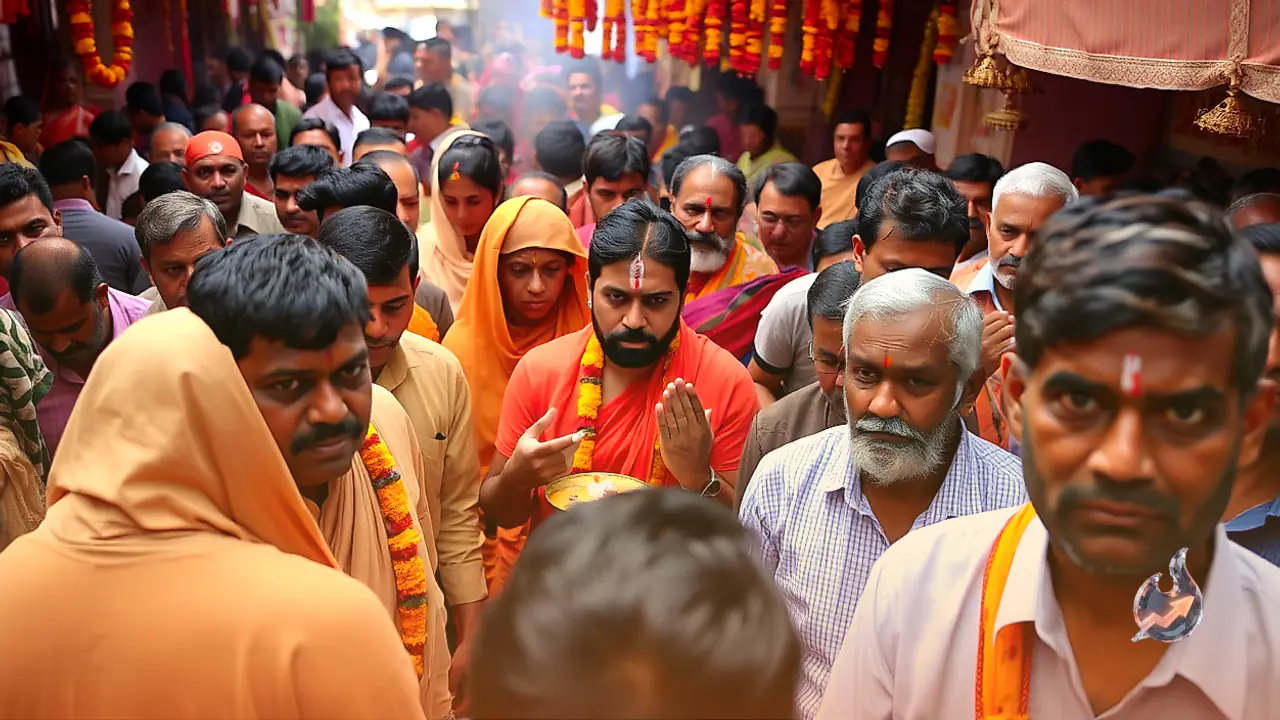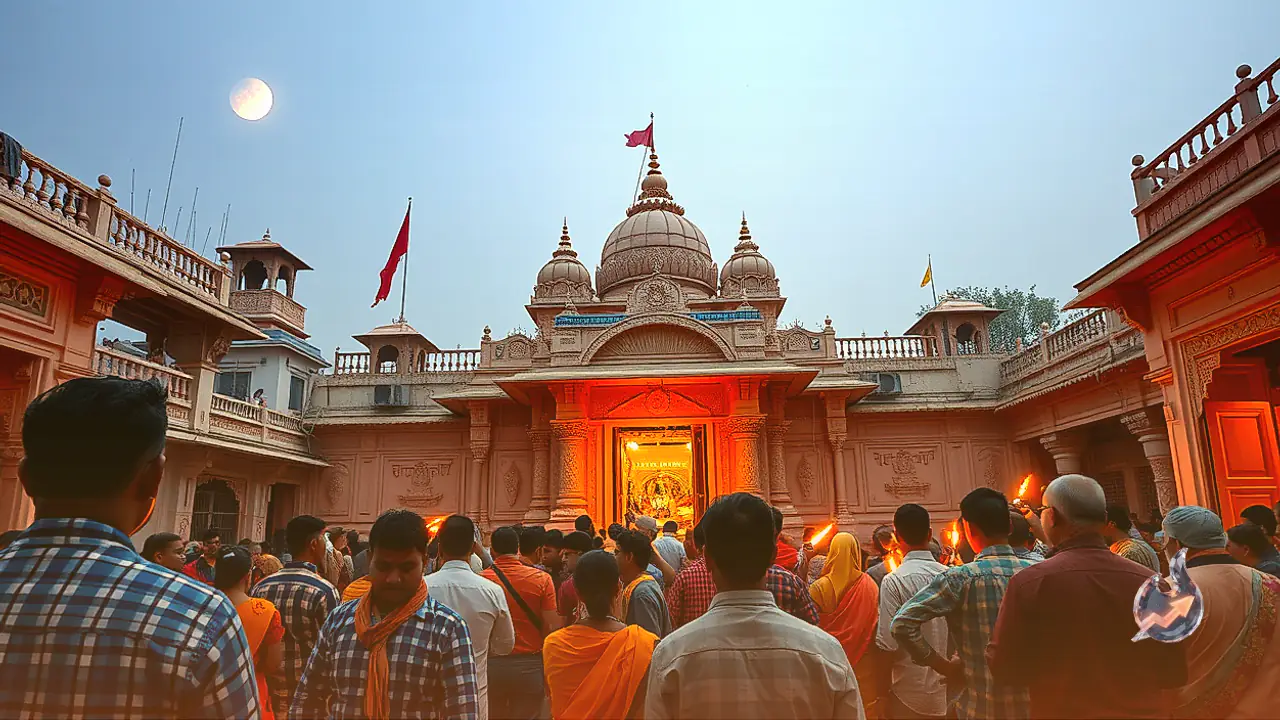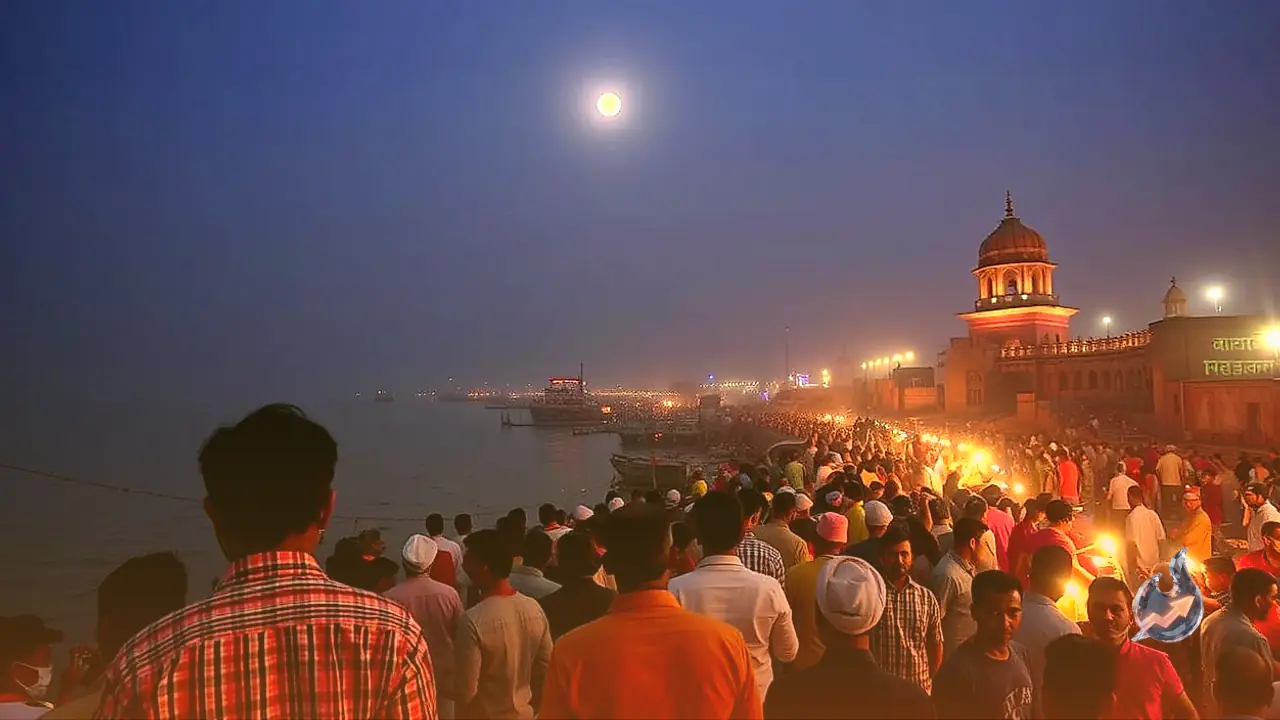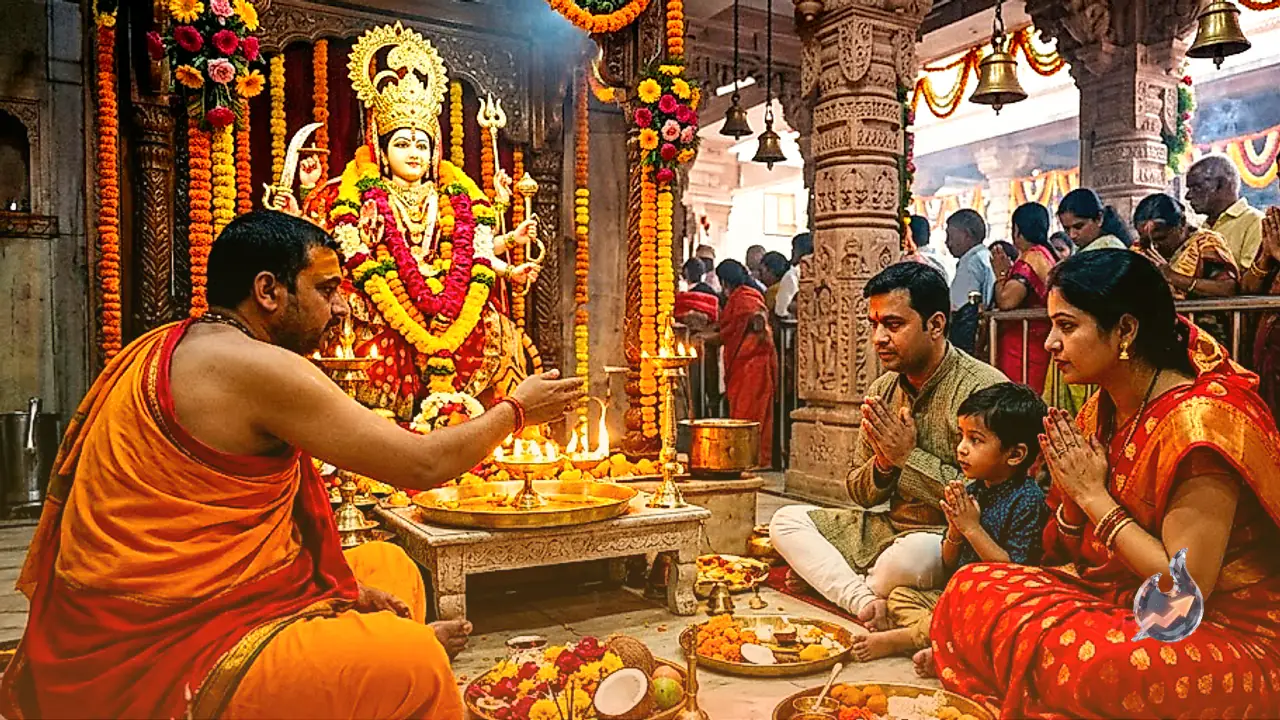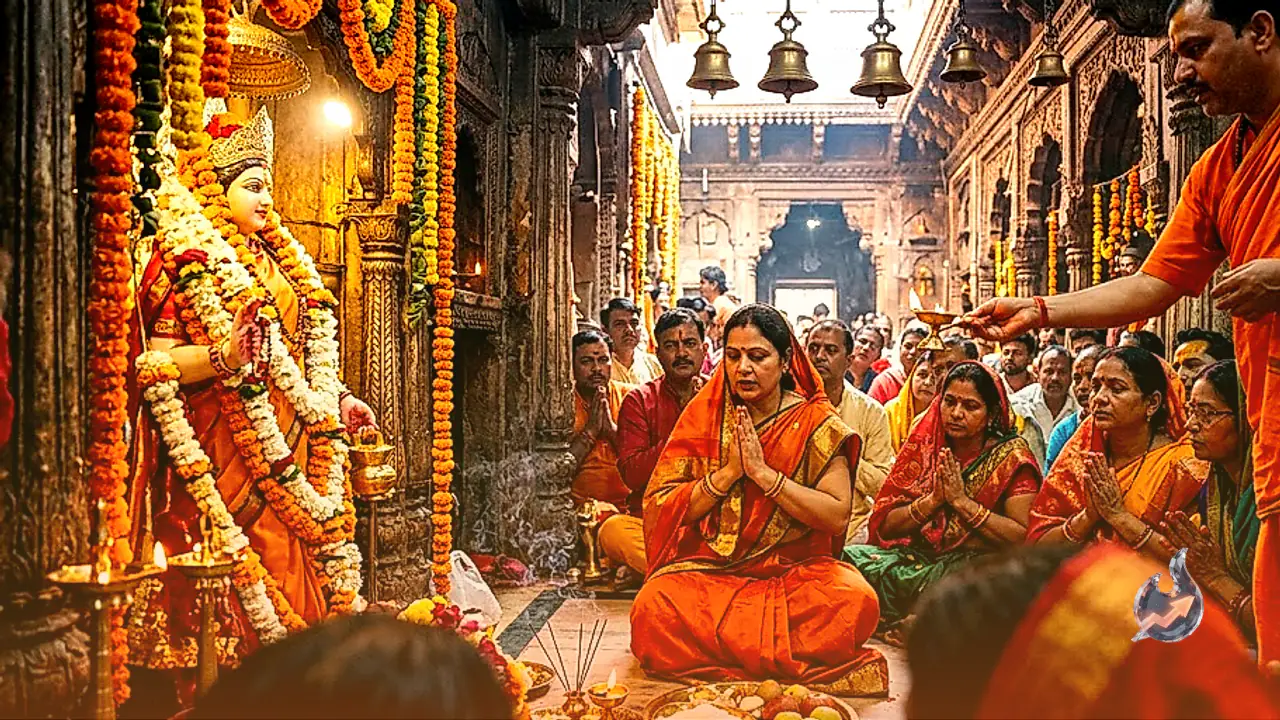



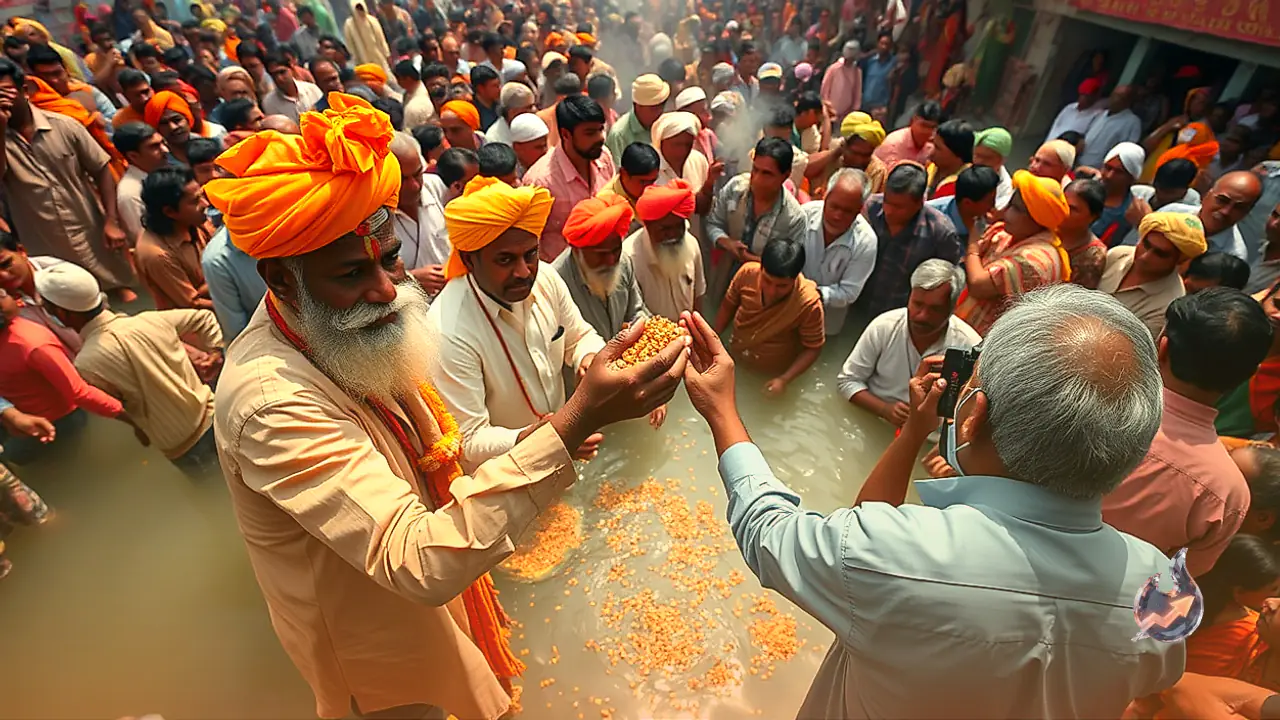


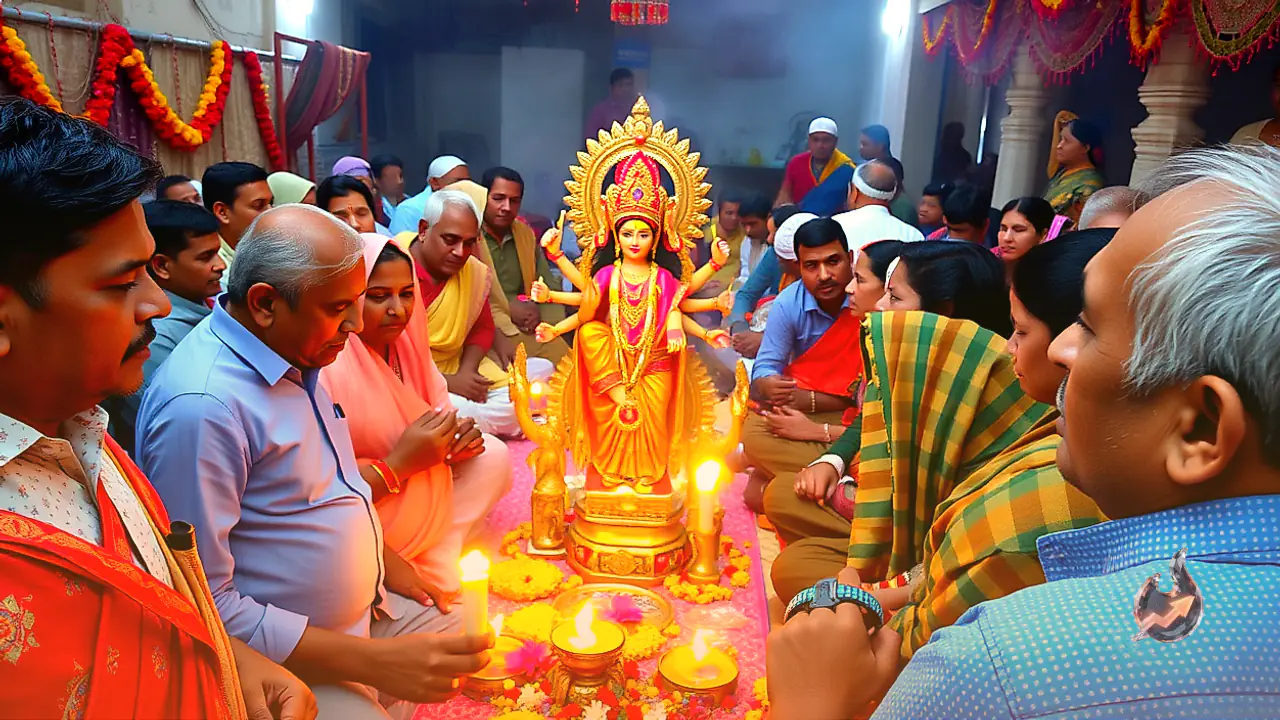
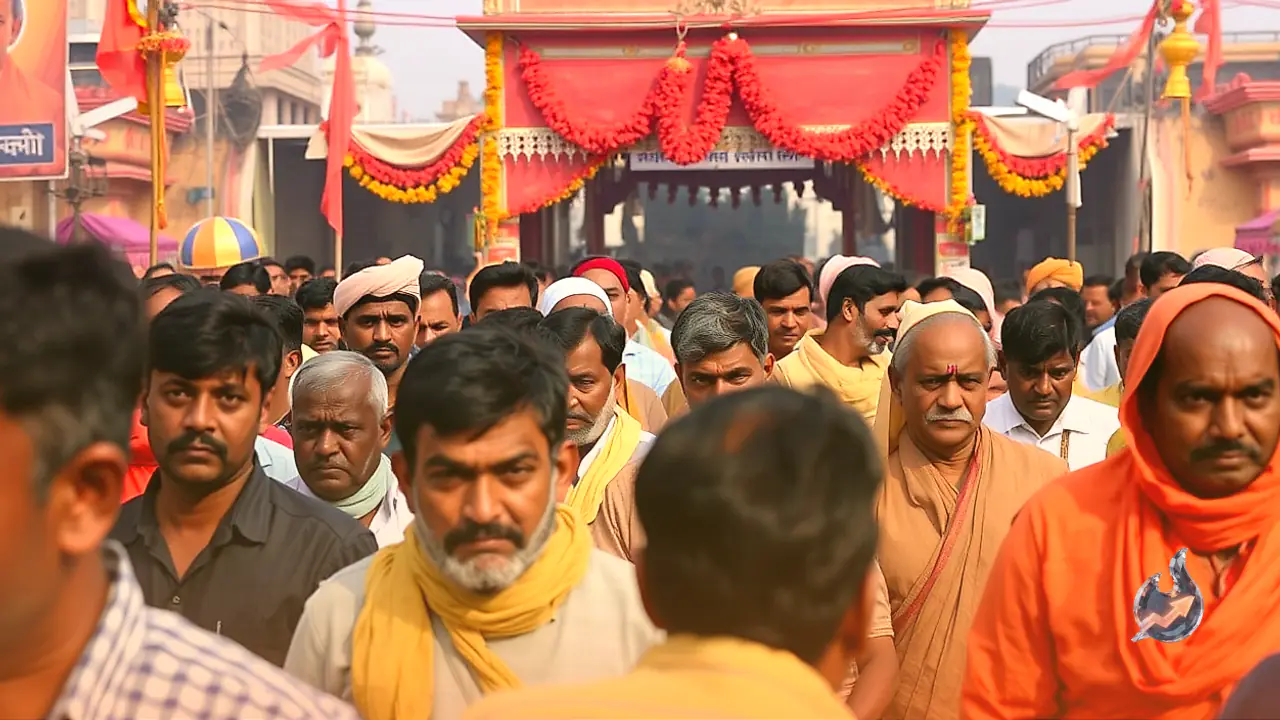















The annual Pitrapaksha Mela is scheduled to begin tomorrow in the holy city of Gayaji, Bihar. Pilgrims arriving to perform the traditional Traipakshik rituals will begin their journey by taking a holy dip and performing Tarpan in the Falgu River. As the first rays of the morning sun fall upon the river waters, devotees commence their sacred rites. On the very first day of Pitrapaksha, which falls on the Purnima Tithi, rituals dictate bathing at the Falguni river pilgrimage site and performing the Falgu Shradh using Pind made of Kheer on the riverbanks. Those family members who passed away on Purnima Tithi should have their Shradh performed on this specific day, which falls on September 7 this year.
The Salvation Offered by Kheer Pind Daan
According to sacred scriptures, offering Pind Daan made of Kheer along the banks of the Falgu River on Bhadrapada Purnima leads to the liberation of multiple generations of ancestors, granting them ultimate salvation. After completing the rituals by the river, visiting the Vishnupad Temple to seek the blessings of Lord Vishnu brings immense joy to the ancestors while bestowing various spiritual benefits upon the devotee. Individuals who are unable to complete the extended Traipakshik Shradh can instead perform Gaya Shradh and Pind Daan for eight days, five days, three days, or even just a single day to pray for the moksha of their forebears.
Releasing Ancestral Debts Through Tarpan and Tears
Performing Tarpan using the waters of the Falgu River along with black sesame seeds helps grant liberation to the departed souls. These moments often prove to be deeply emotional for descendants and family members. When tears shed by grieving relatives fall into the river, it is believed to help clear them of ancestral debts. The Falgu River is revered as a Panchatirtha river, formed by the confluence of five distinct streams. Pandit Raja Acharya of Mantralaya Vedic Pathshala noted that the Falgu River holds the highest sanctity among all rivers in the country. During the Satayuga era, the river flowed continuously, but a specific incident eventually cursed its waters.
The Legend of Mother Sita's Curse Upon the River
Historical and religious accounts recall that Lord Rama, Mother Sita, and Lakshmana visited Gayaji to perform Pind Daan following the passing of King Dasharatha. While the two brothers went into the town to procure ritual items, Mother Sita remained by the Falgu River. Amidst this, a celestial voice echoed that the auspicious time for Pind Daan had arrived and requested offerings. Mother Sita performed the Pind Daan for King Dasharatha using sand, keeping the Falgu River, a cow, a priest, and the Akshaya Vat tree as witnesses. Upon the return of Lord Rama and Lakshmana, Mother Sita recounted the entire event, though Lord Rama remained skeptical. When asked to testify, the cow, the priest, and the Falgu River falsely claimed that no Pind Daan had taken place, with only the Akshaya Vat speaking the truth. Enraged by this dishonesty, Mother Sita cursed the Falgu River to flow invisibly beneath the surface.