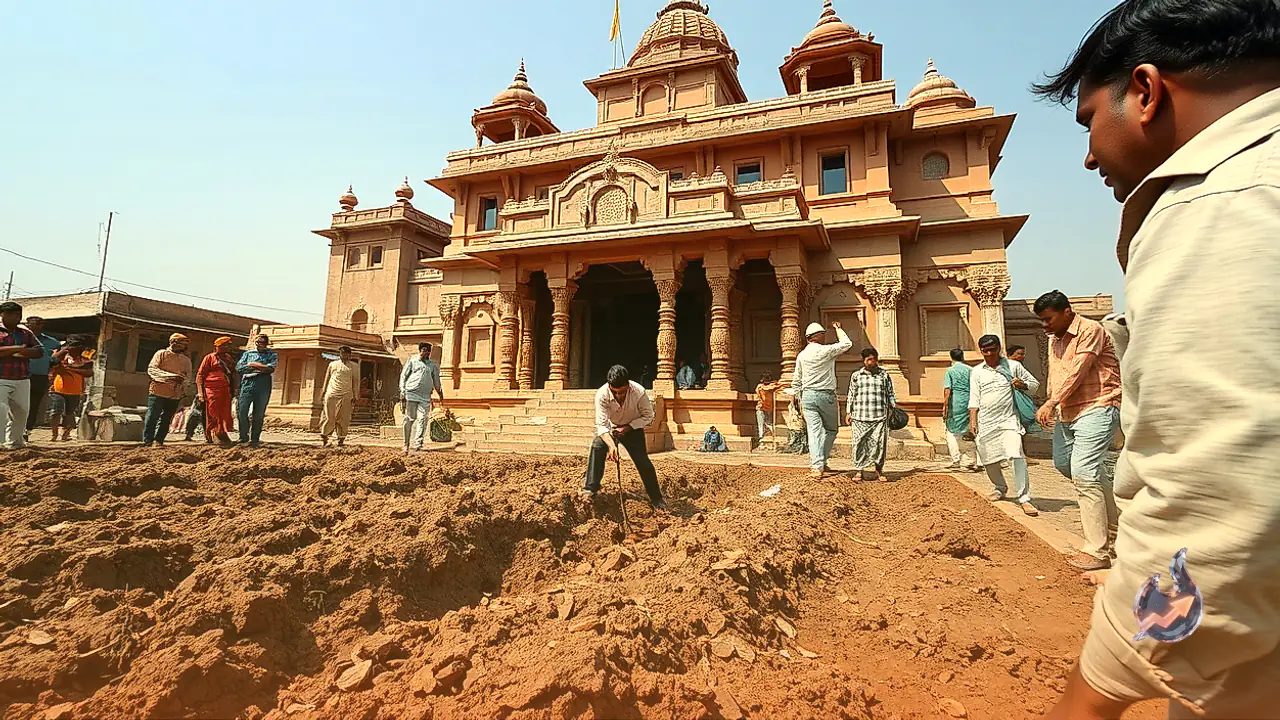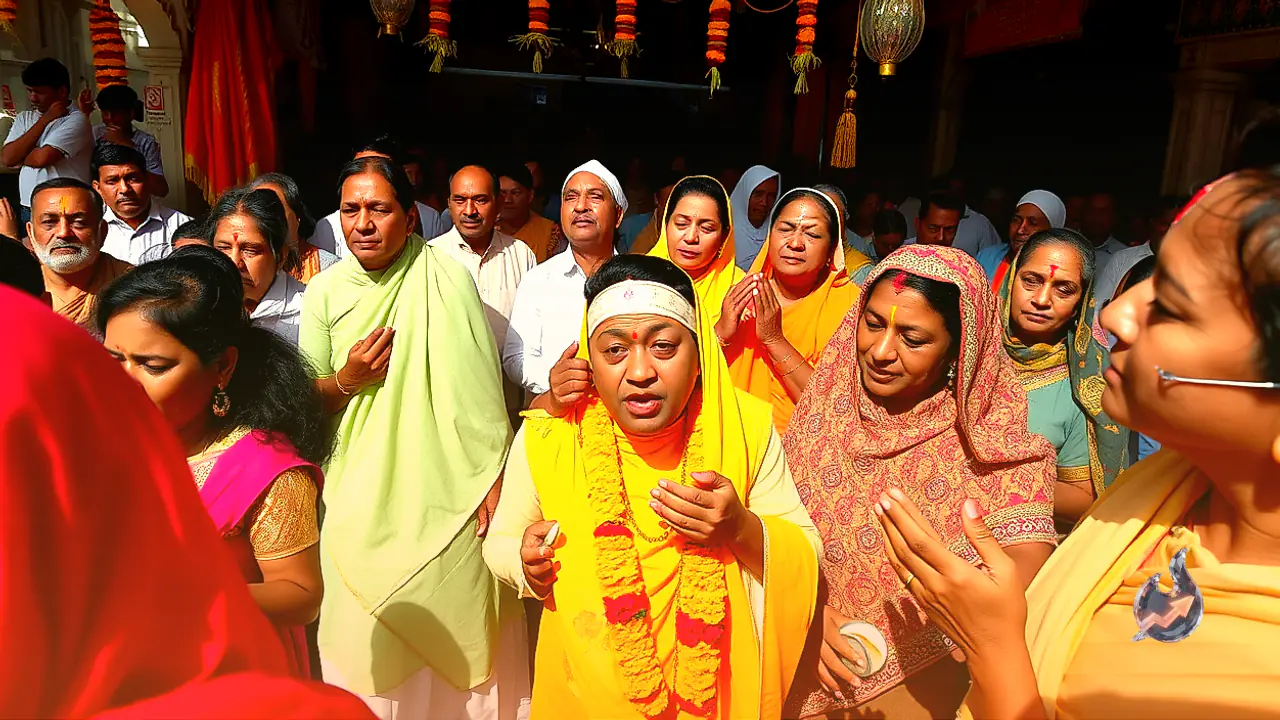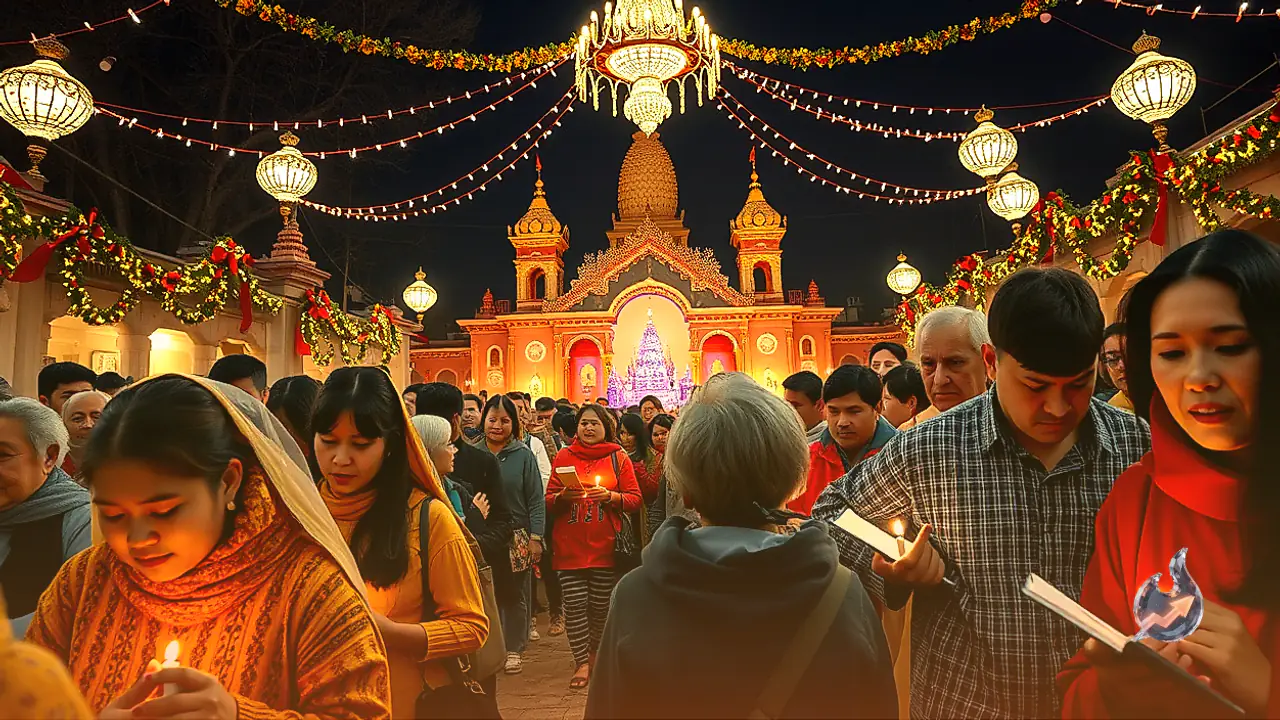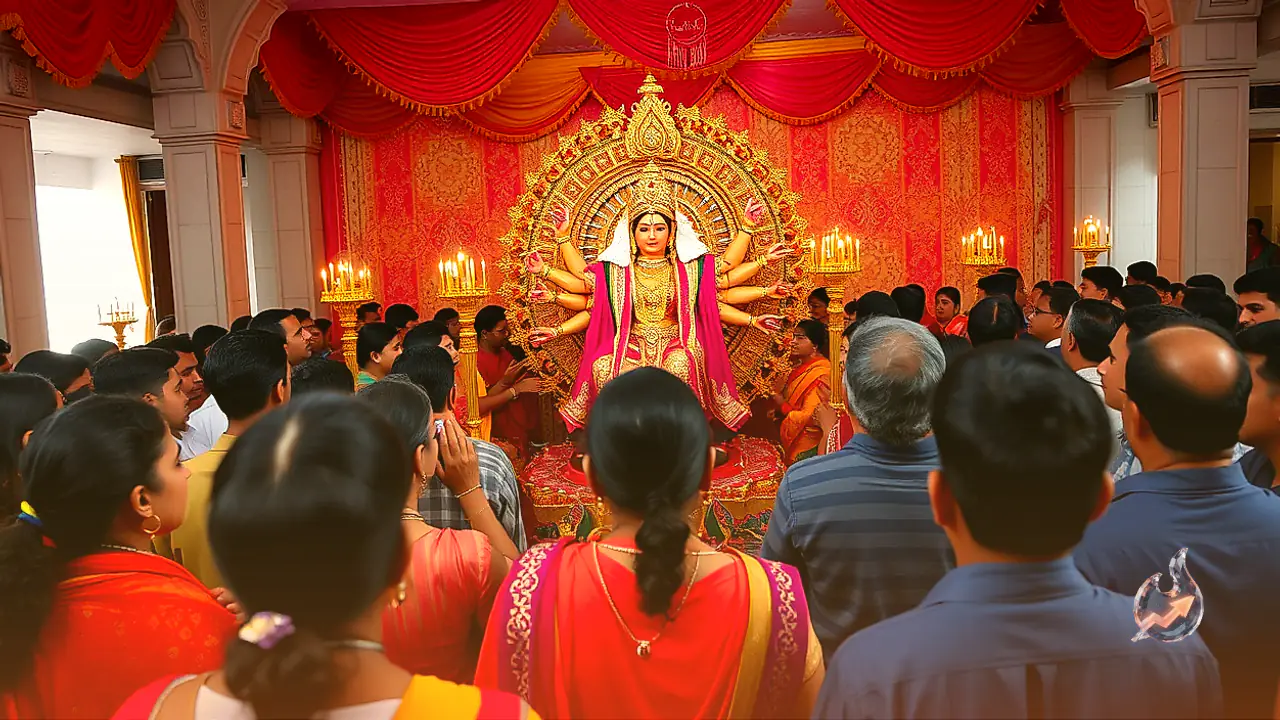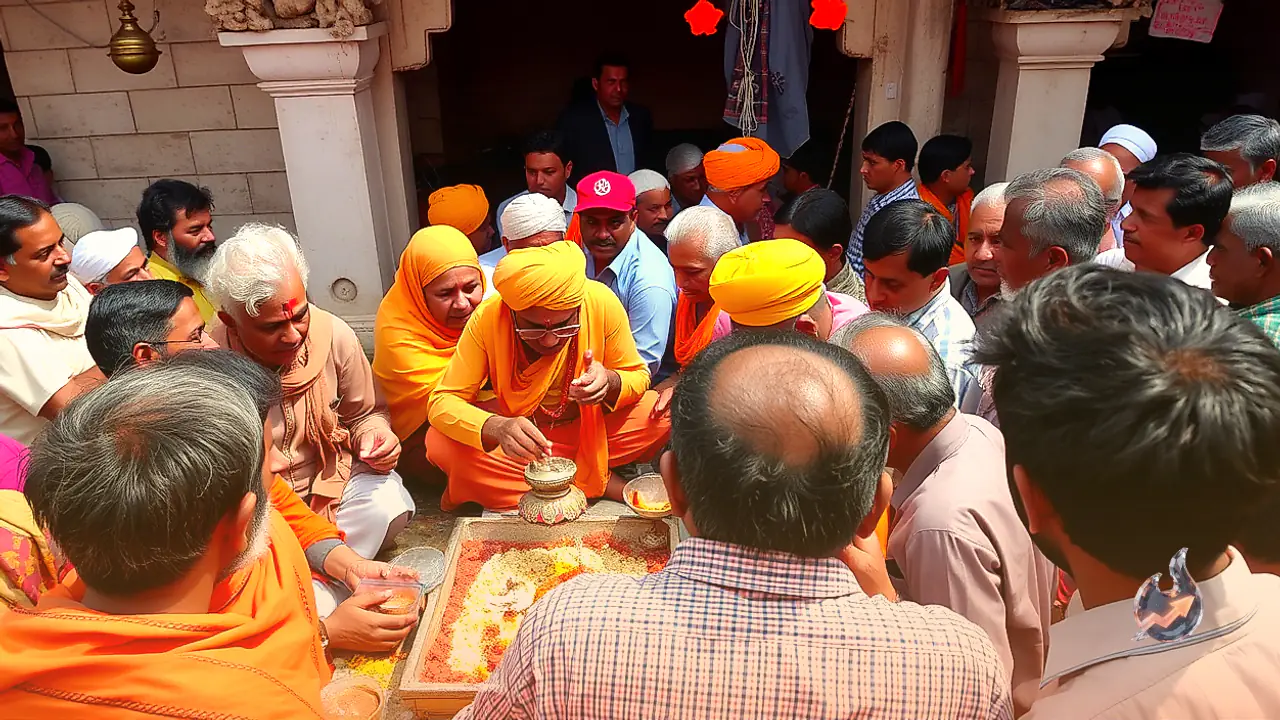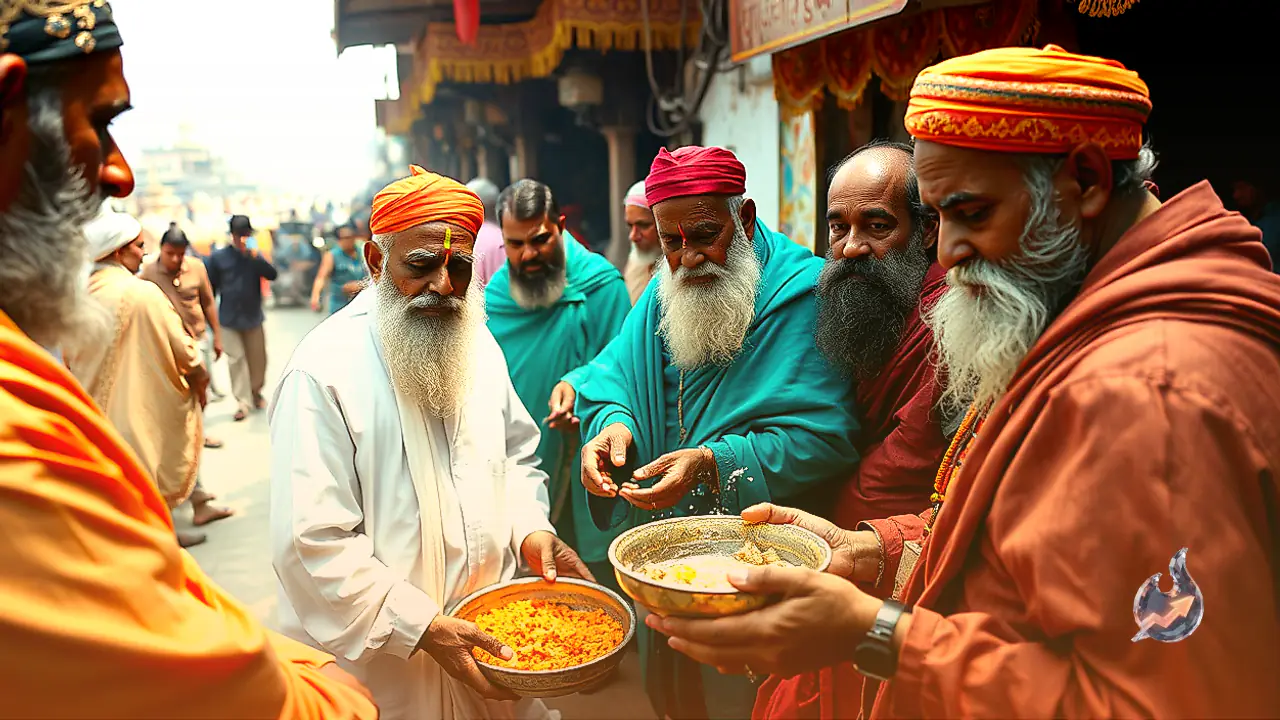






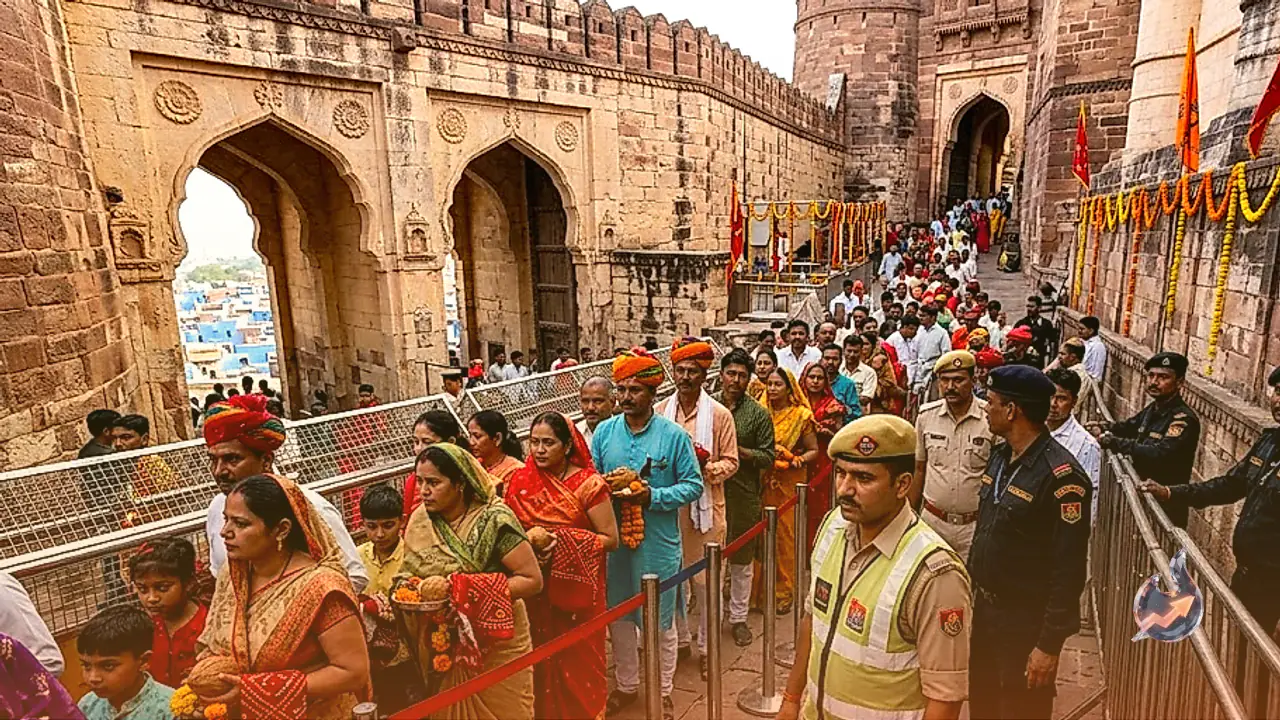
















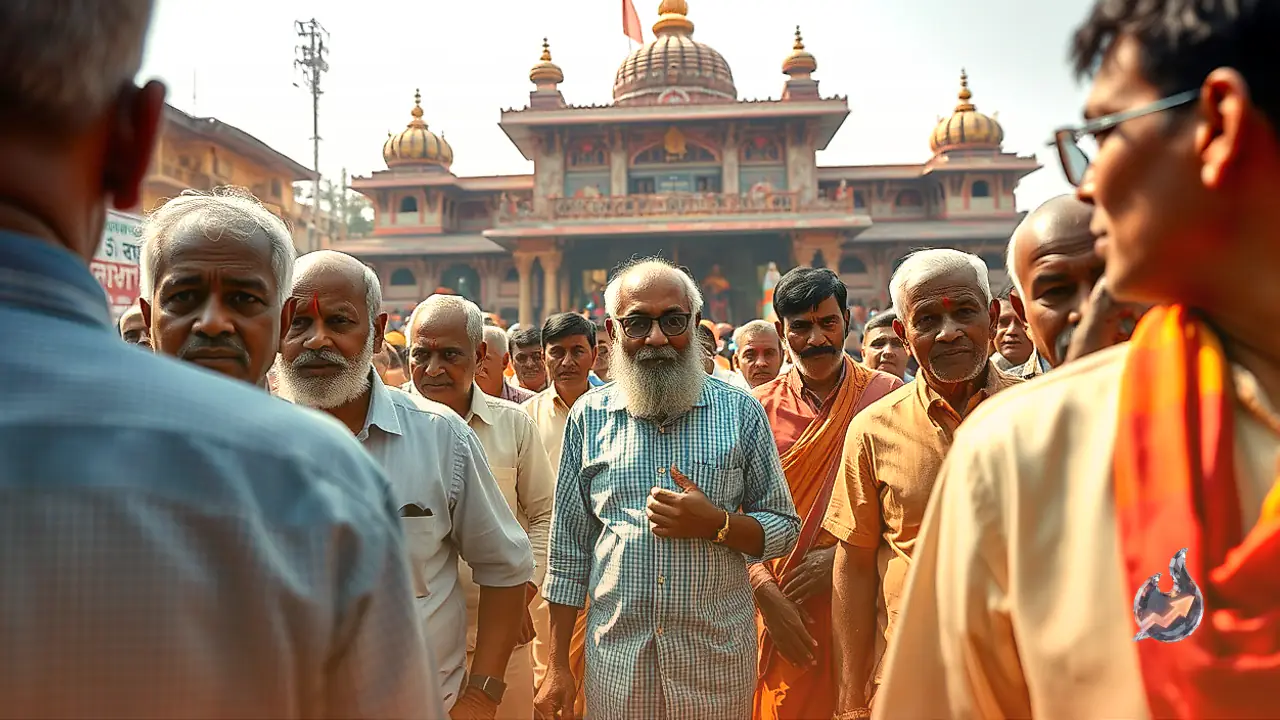

Nestled within Bhausinghpur village in the Sangrampur development block of Amethi district, the sacred shrine of Maa Kalika Dham represents a profound blend of religious devotion and ancient cultural heritage. Long revered as an influential spiritual sanctuary, this temple holds a rich history linked to Princess Sukanya of Ayodhya and the revered sage Chyavana Muni. At the heart of the complex lies the renowned Amrit Kund, a sacred water reservoir believed to alleviate suffering and sorrow with the mere touch of its tranquil waters. Throughout the calendar year, thousands of pilgrims travel across regions to offer prayers and experience the sanctity of this ancient seat of penance.
A Dense Forest Sanctuary of Sage Chyavana Penance
Historical and mythological traditions recount that roughly 2,000 years ago, this entire region was covered by thick, undisturbed forest. Far removed from human settlements, this secluded terrain served as the primary hermitage where Sage Chyavana engaged in deep ascetic penance. The sage became so absorbed in his spiritual absorption that he lost all consciousness of his physical vessel and the world around him. In time, termites constructed mounds over his stationary body. It was during this period that King Sharyati, also recorded as King Shariyad, arrived in the woodland with his entourage. His curious young daughter, Princess Sukanya, spotted two glowing specks shining through the mound and poked them with a straw, inadvertently piercing the sage's eyes and ending his meditation.
The Affliction, Royal Penance, and Princess Sukanya Dedication
Agonised by sudden physical trauma and the abrupt disturbance of his spiritual focus, the sage pronounced a severe curse upon the royal retinue. Soon afterwards, an aggressive epidemic afflicted the king's forces and subjects. When King Sharyati determined the true cause behind the widespread devastation, he sought the sage's shelter and humbly petitioned for mercy. In accordance with the collective wisdom and counsel of the assembly of sages, King Sharyati consented to wed his daughter Sukanya to the blinded ascetic, leaving her in the hermitage to attend to his everyday needs. Through her dedicated service, the illness among the soldiers and subjects dissolved, and an invocation to the goddess Kalika was formally performed at the spot.
Equidistant Placement Between the Holy Rivers Ganga and Saryu
Geographically and symbolically known as Kalikan, this revered destination occupies a distinctive placement within sacred geography. The hermitage sits directly mid-way between the Saryu river flowing to the north and the Ganga river coursing to the south. Being positioned at identical distances from both sacred currents, the forest was traditionally considered an ideal retreat for holy men seeking deep spiritual absorption. Comprehensive accounts of this sequence appear in the third chapter of the ninth canto of the Shrimad Bhagavata Mahapurana, which preserves the earliest detailed history of the goddess here. Prominent spiritual texts including the Devi Purana, Kalika Purana, and the Sukh Sagar similarly document the holiness of this site.
The Celestial Som Yajna and Ashwin Kumar Invocations
The sacred precinct was also the venue for a grand Som Yajna attended by the celestial physicians, the Ashwin Kumars. It was at this very altar that the divine healers were formally accorded their legitimate share and privileges within the sacrificial rituals. After the gods completed their duties, the Ashwin Kumars offered deep prayers to the mother goddess beside the sacred reservoir. Moved by their sincere worship, the divine mother chose to reside permanently at the Amrit Kund alongside her retinues, anchoring her presence in the form of a holy stone formation. Today, this self-manifested form of the goddess remains the central object of veneration for countless visitors.
The Healing Waters of Amrit Kund and Devotional Traditions
Recognised as an official heritage site by the archaeology department, the sanctuary attracts domestic pilgrims as well as visitors from abroad. Extraordinary restorative properties continue to be linked with the waters of the Amrit Kund. Devotees maintain that applying morning drops from the pool directly onto the eyes restores weakened eyesight, leading several visitors to discard their spectacles entirely. Furthermore, individuals troubled by skin eruptions and dermatological conditions regularly bathe in the waters at dawn to find relief from ailments. To express gratitude and seek divine grace, devotees follow enduring customs such as offering clay tikri tokens or tying bells across the temple grounds.