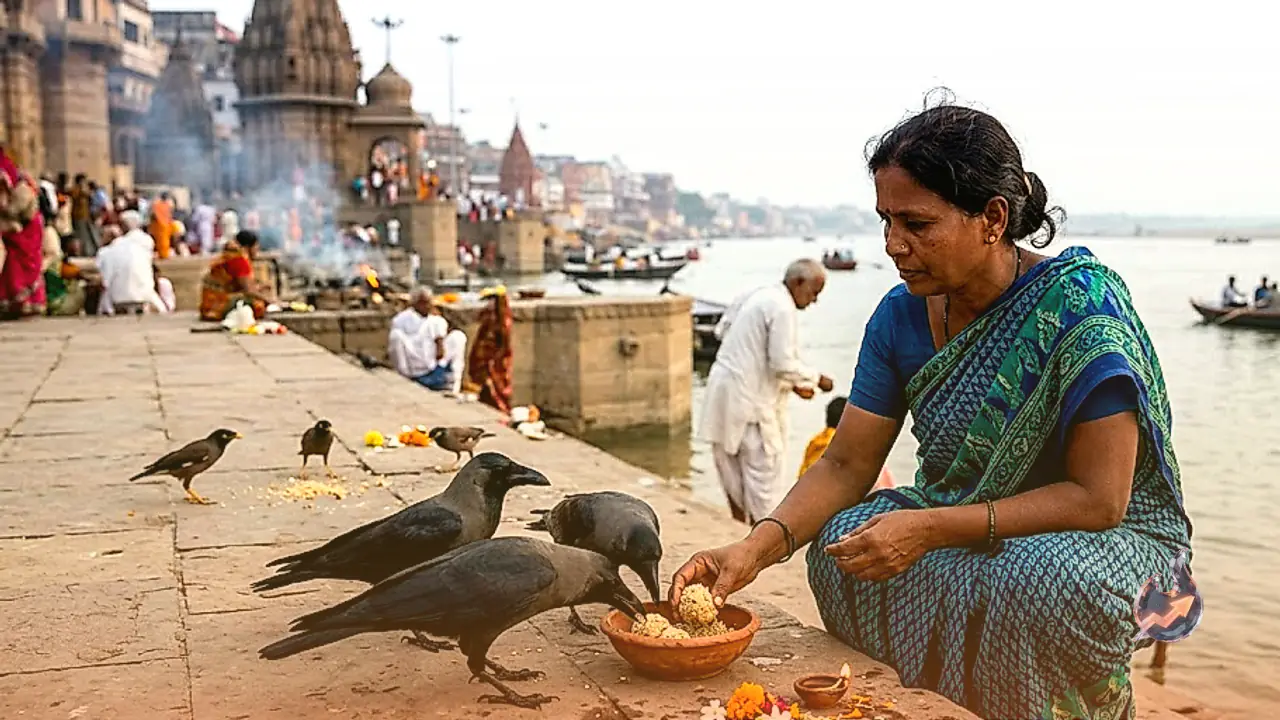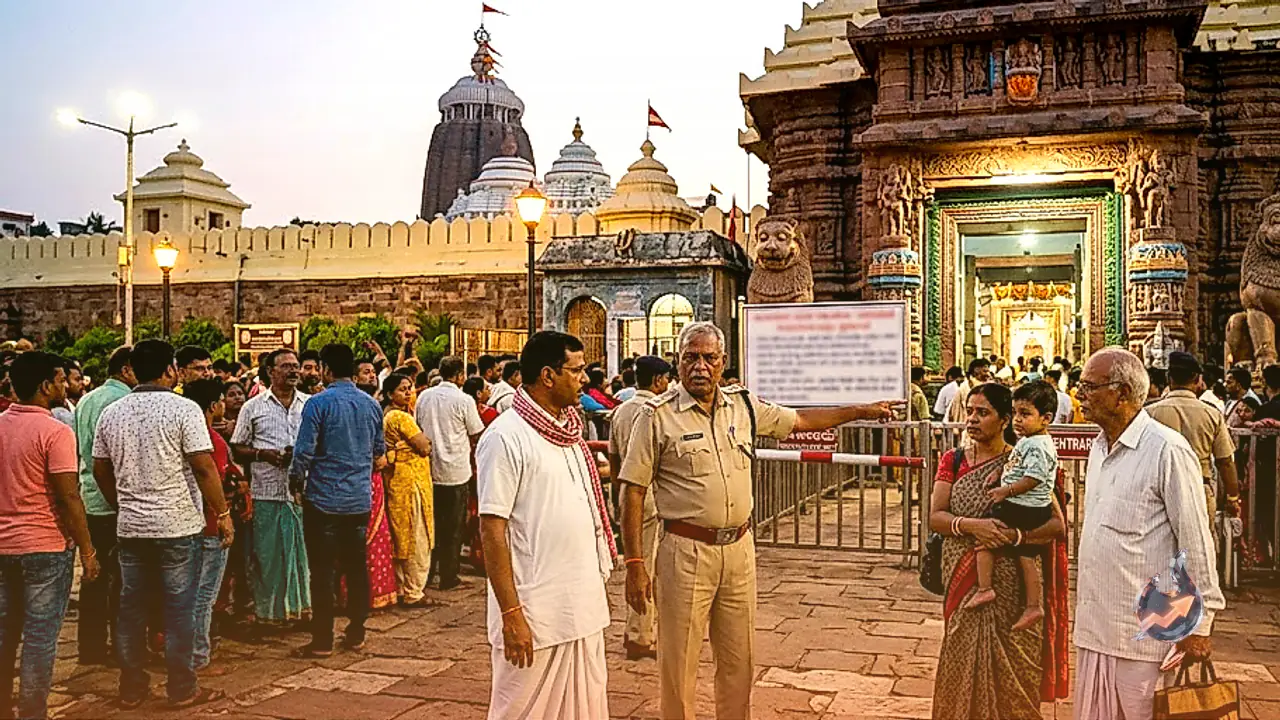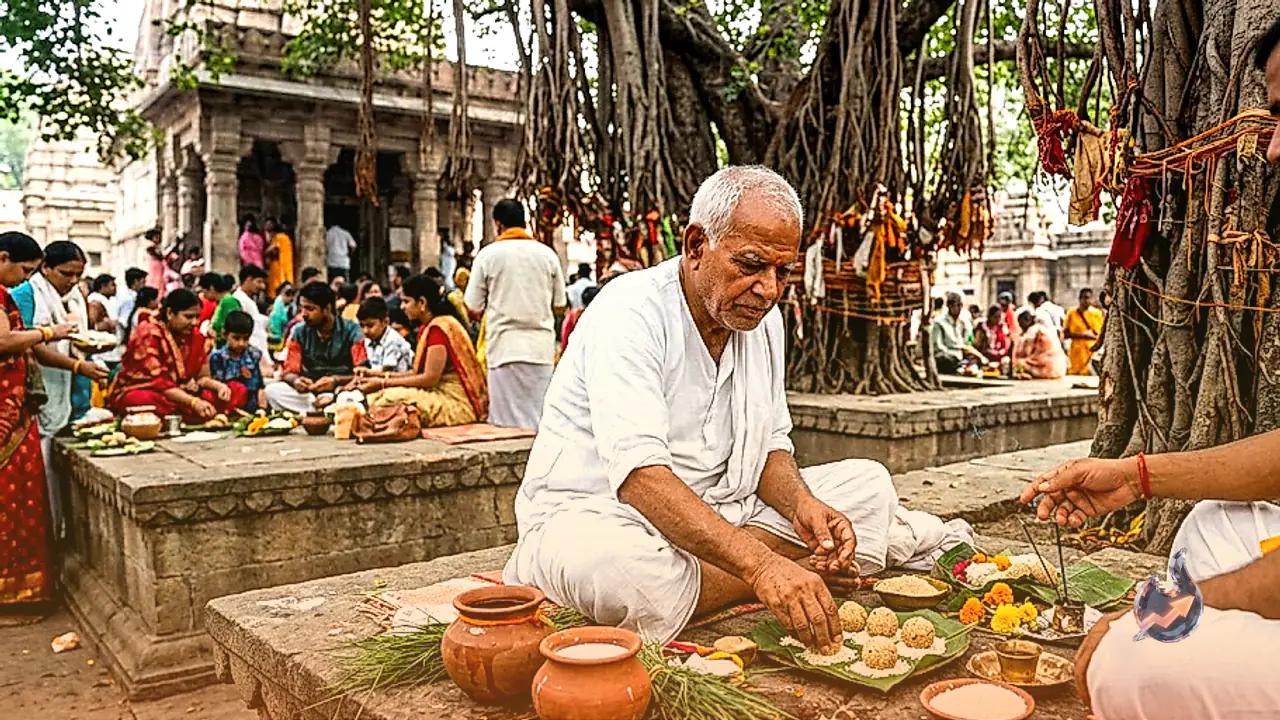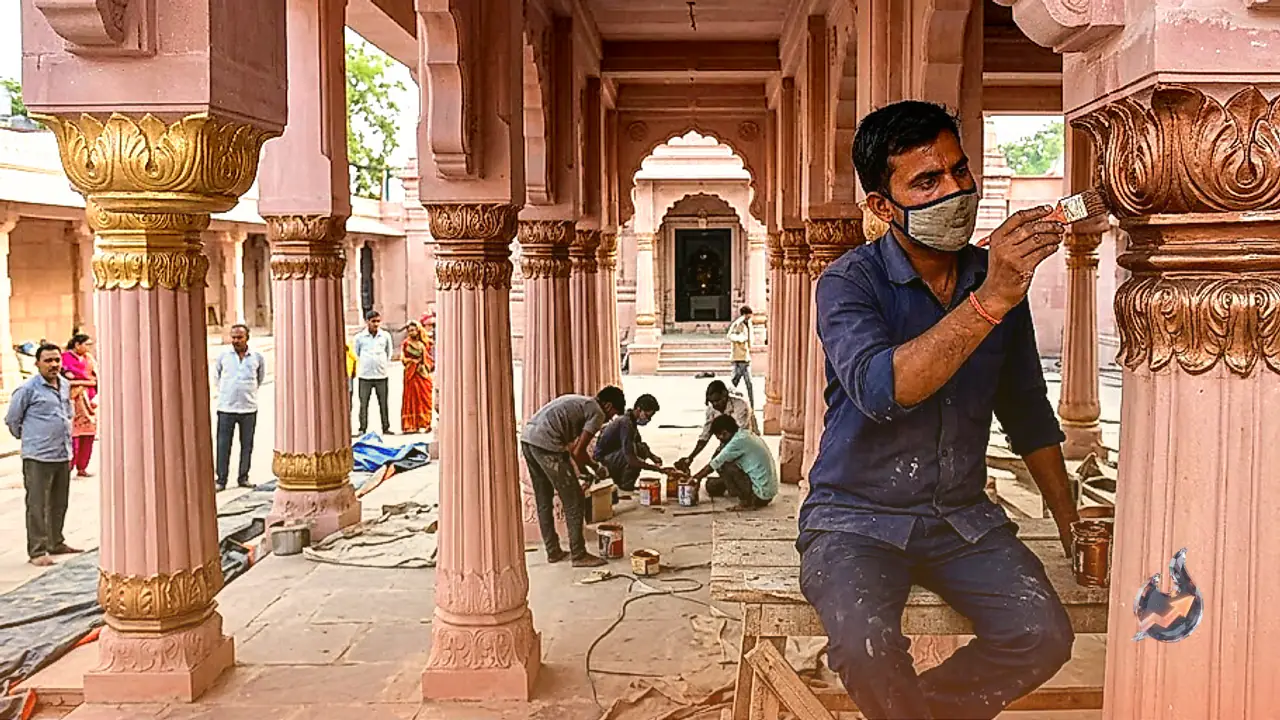



















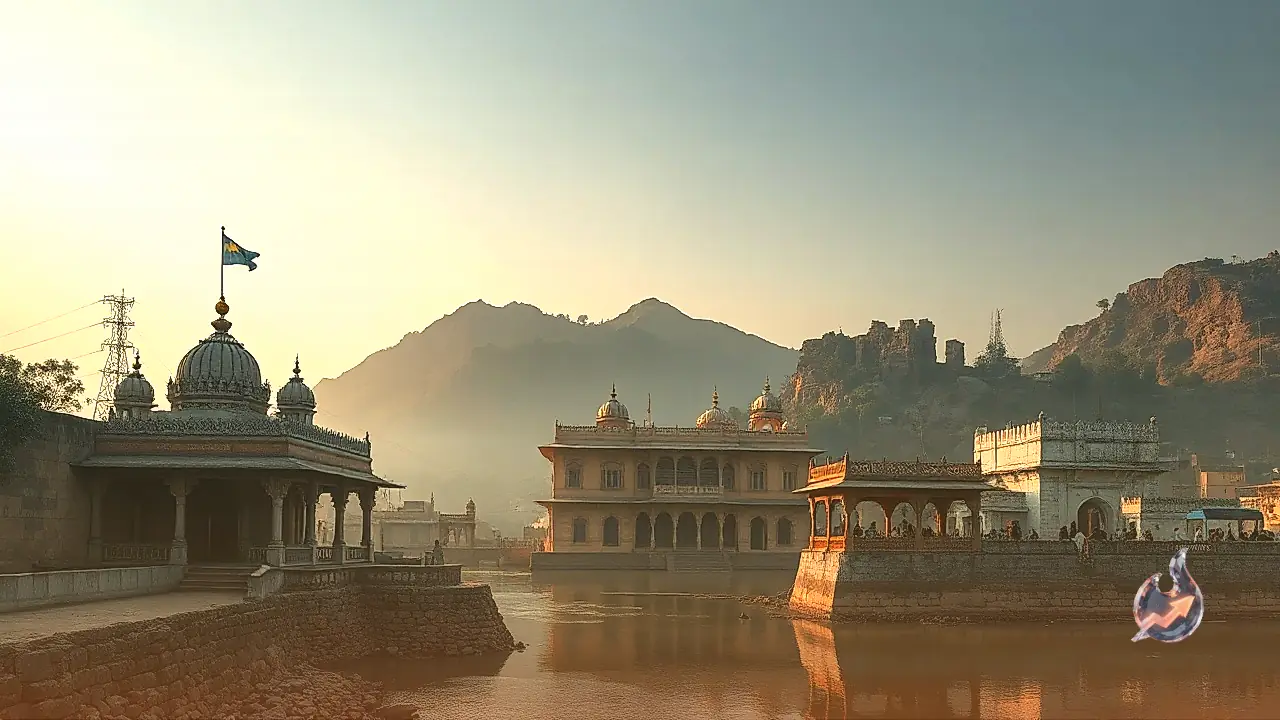

The sacred town of Chitrakoot holds immense spiritual prominence as the revered abode of Lord Ram during his period of exile. According to ancient religious traditions, Lord Ram spent approximately 11.5 years of his fourteen year exile in Chitrakoot alongside Mata Sita and his brother Lakshman. Consequently, every corner of this holy region is deeply linked with memories from the Ramayana era. Among its most prominent pilgrimage sites is Janki Kund, located along the peaceful banks of the Mandakini River, where devotees from across the country gather to pay homage to the sacred footprints of Mata Sita.
Sacred Footprints along the Mandakini River
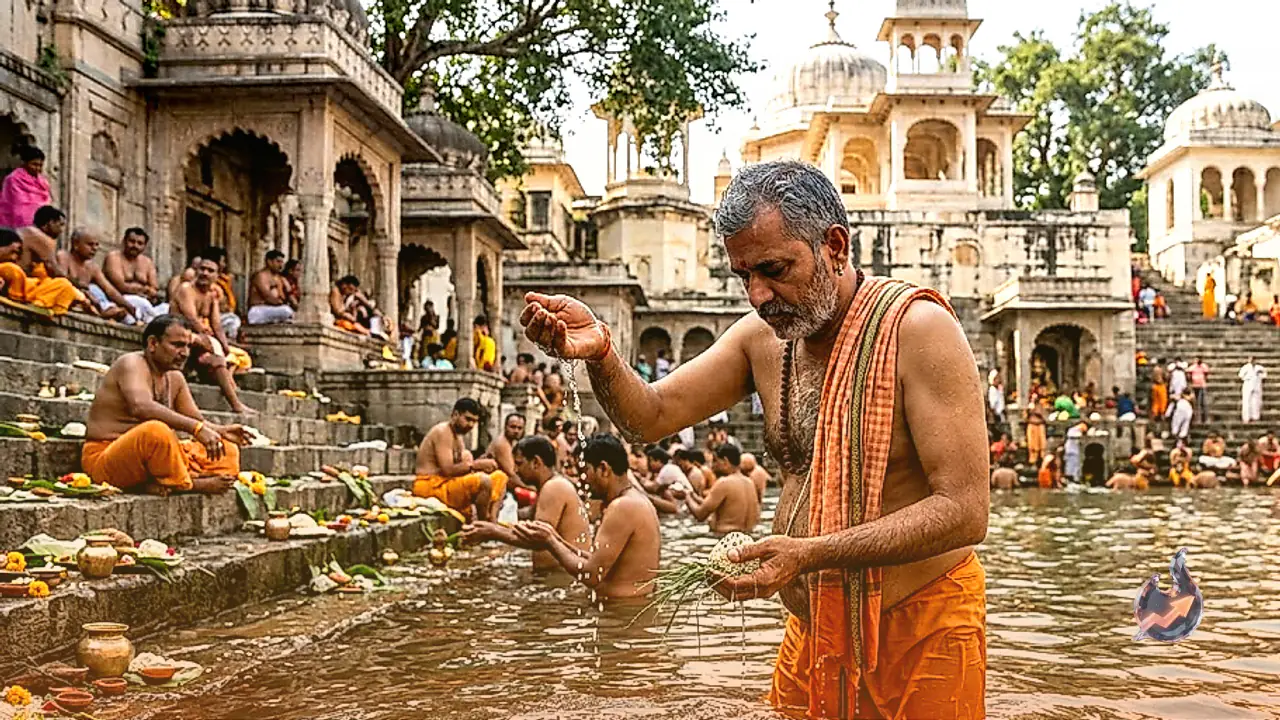
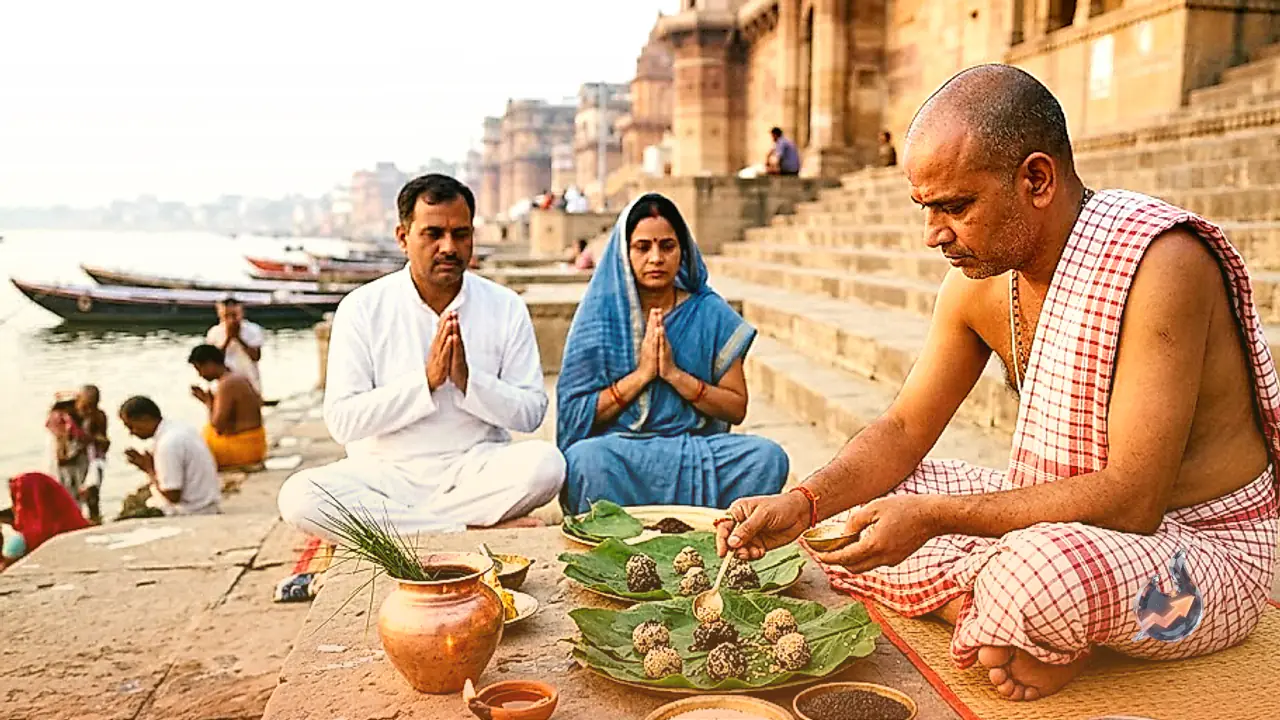
Situated on the shores of the Mandakini River, Janki Kund is considered exceptionally holy by pilgrims. Devotional traditions state that Mata Sita regularly bathed in the pristine waters of this pool throughout her stay in exile. According to local belief, her feet were so delicate that their impressions became permanently etched onto the hard stone rocks near the riverbank. Visitors arriving at Janki Kund begin their pilgrimage by reverently offering prayers at these sacred footprint marks before participating in traditional ritual worship to seek peace, health, and prosperity for their families.
Self Made Havan Kund and Chanting of Gayatri Mantra
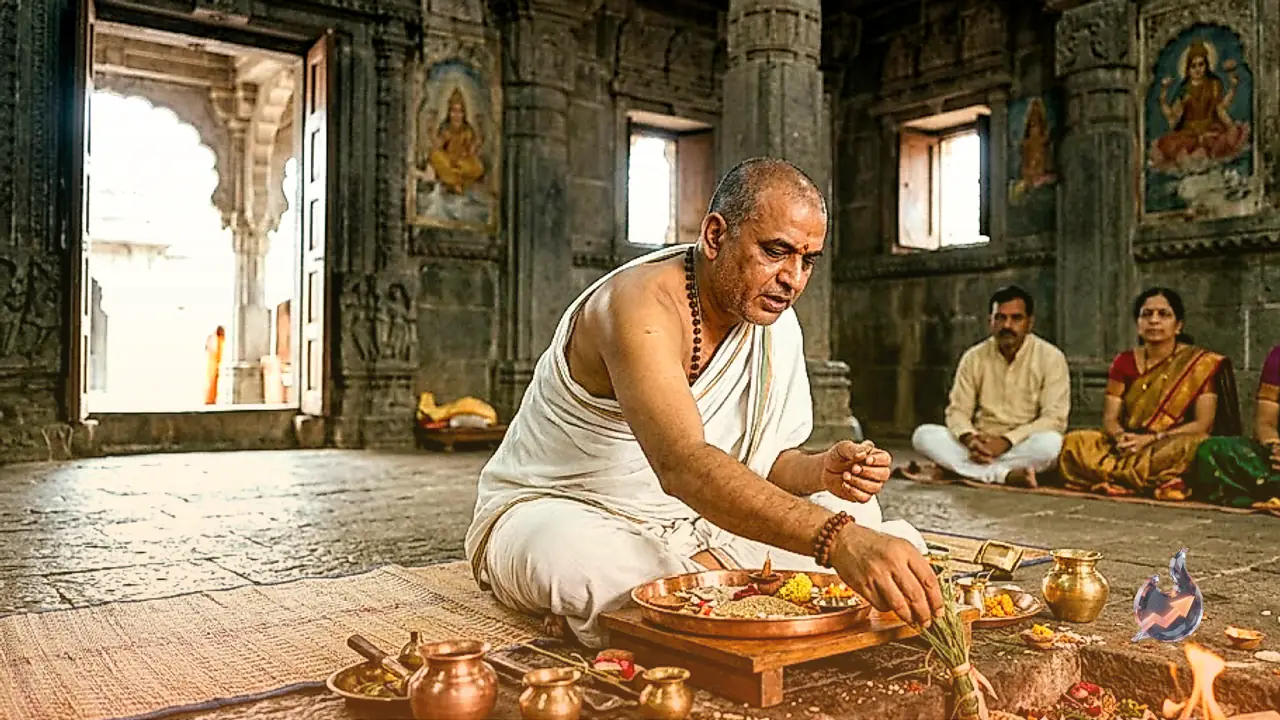
Sharing details regarding the spiritual history of the site, priest Ram Avtar explained that after taking her daily bath, Mata Sita engaged in solemn religious rituals at this location. She constructed a dedicated havan kund with her own hands on the riverbank to perform sacred fire ceremonies. Sitting before this hand-crafted altar, Mata Sita regularly conducted havan while chanting the sacred Gayatri Mantra. Today, pilgrims view this historic fire altar as a place of intense devotional energy and reflection.
The Shringar Spot and the Naming of Janki Kund
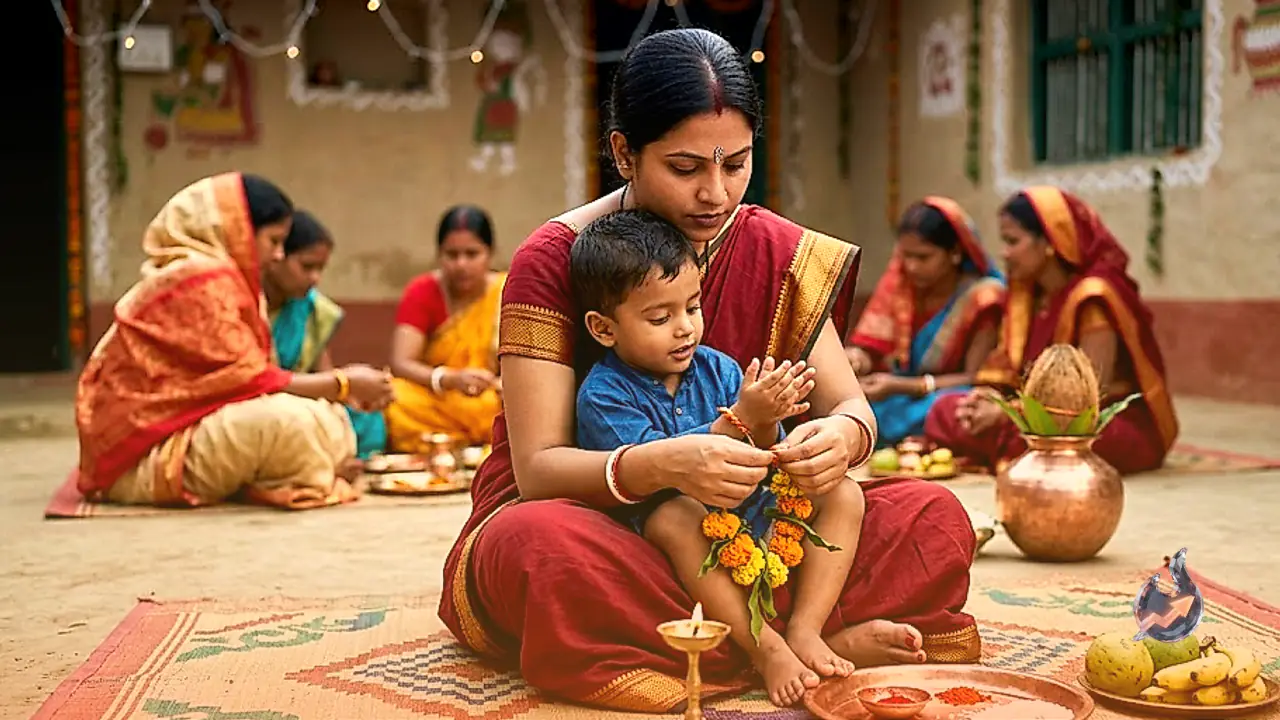
Following her bath and devotional rituals, Mata Sita would sit near the edge of the pool to complete her daily shringar or traditional adornment. Over centuries, this designated area has come to be recognized as Mata Sita's Shringar Sthal, where female devotees gather in large numbers to offer special prayers for marital harmony and family well-being. Because Mata Sita, also known as Janki, repeatedly visited this exact location for bathing and worship during the 11.5 years of exile in Chitrakoot, the pool earned its historic name of Janki Kund.