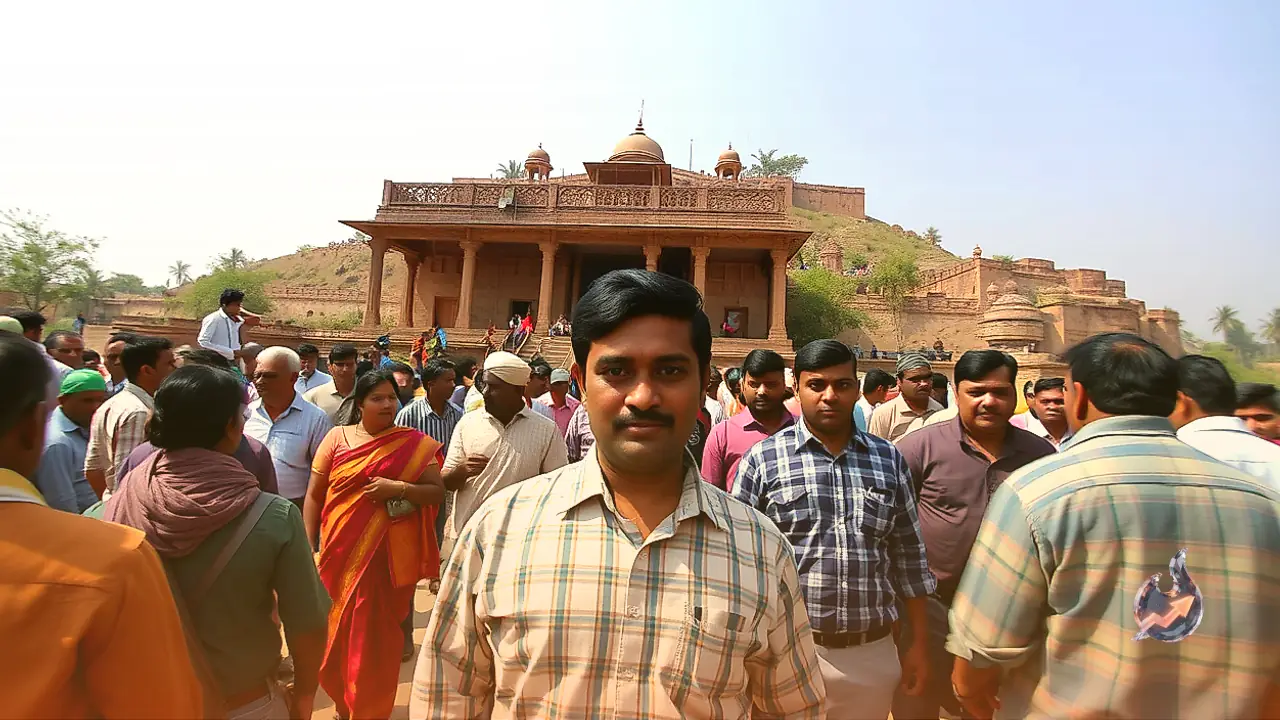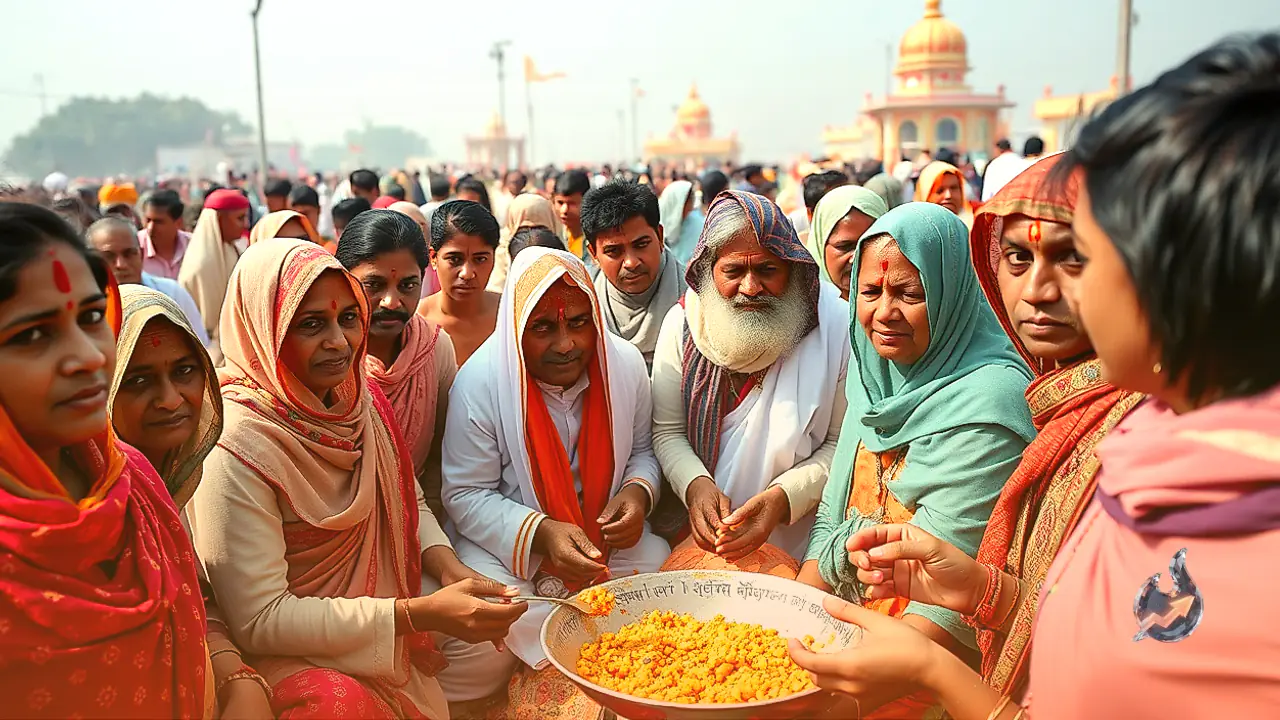


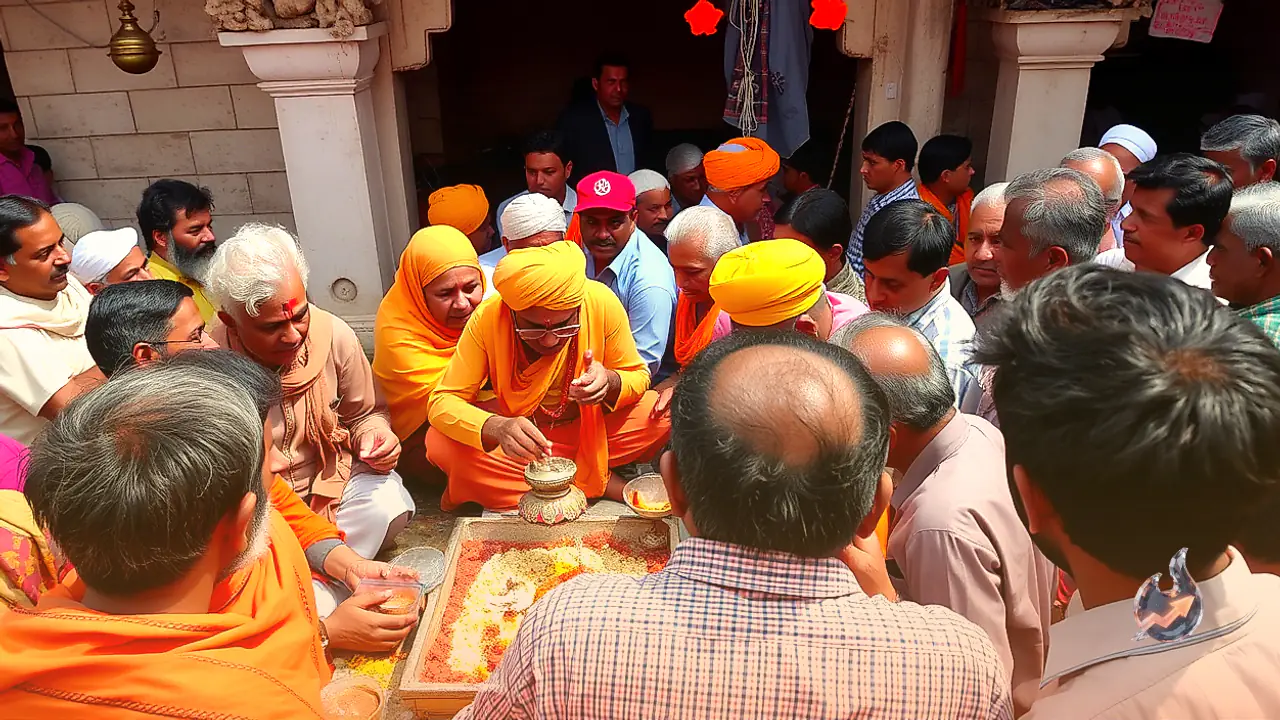















In ancient Indian society, offering water oblations to one's ancestors immediately after the morning bath was regarded as an essential daily practice. People historically began their daily routines only after satisfying their forebears with sacred water offerings. While the constraints of modern lifestyles have made daily ancestral oblations difficult for many households, devout individuals observe these obligations faithfully during the fortnight of Pitru Paksha. Over generations, numerous conflicting beliefs and procedural misconceptions have emerged around these memorial rites, compounded by widespread claims circulating on social media. To eliminate this confusion, authoritative Vedic scholars and traditional priests representing Kashi, Prayag, Darbhanga, and Delhi have articulated the canonical rules governing ancestral offerings.
The Core Significance of Water Oblations and Daily Obligation
Whether offering water to ancestors constitutes an everyday duty or applies strictly to special occasions has elicited nuanced perspectives among learned scholars. Pandit Sanjay Upadhyay of Kashi maintains that ancestors should receive water oblations on a regular, daily basis, and this responsibility becomes completely non-negotiable during Pitru Paksha. Conversely, Prof. Brindaban Das, who heads the Department of Paurahitya Karma at the Lal Bahadur Shastri Institute in Delhi, presents a more situational interpretation. In his assessment, offering water mixed with black sesame, known as Tilodak, is formally prescribed when one visits pilgrimage centers and bathes in holy rivers, rather than serving as a standard domestic requirement after ordinary home bathing.
Meanwhile, Prof. Dhruva Mishra, head of the Veda Department at Kameshwar Singh Darbhanga Sanskrit University, firmly supports the view that t規範 is part of one's regular daily duties. He asserts that offering water daily is vital and that neglecting it during Pitru Paksha is particularly serious. As he explains, departed ancestors expect this water and await offerings from their lineage during this sacred period. They patiently await these oblations up to the Amavasya of the month of Kartik. If their descendants fail to offer water by that time, the ancestors return disappointed and displeased, a situation traditionally believed to bring adverse spiritual consequences upon the family. Corroborating this stance, Dr. Shrikrishna Tripathi, Principal of the Saccha Adhyatma Sanskrit Mahavidyalaya in Prayag, also confirms that presenting water to one's ancestors remains an integral component of daily religious duty.
Responsibilities Across Multiple Sons and Property Divisions
When a family includes more than one son, questions often arise regarding who carries the obligation to offer water. Scholars are unanimous that if not every son is able to perform the ritual, at least one must step forward. Pandit Sanjay Upadhyay clarifies that if the sons have formally partitioned their father's property and live independently, each brother is obligated to offer water on his own behalf. If the family remains joint without any property division, an offering made by a single son suffices for the household, although ancestors are believed to be especially gratified if all brothers participate. Dr. Shrikrishna Tripathi suggests that while younger brothers are welcome to offer water, the ideal traditional procedure is for the eldest son to perform the water oblations and final Pind Daan while the remaining brothers provide support.
Required Ingredients and Directional Orientations
The practical execution of the ritual requires specific ingredients and facing particular directions. Prof. Brindaban Das explains that black sesame seeds must be mixed into the water offered to ancestors, which is why the offering is designated as Tilodak. Drawing on a lineage spanning 21 generations of priestly tradition in Kashi, Pandit Sanjay Upadhyay explains that descendants must face southward while offering water mixed with sesame seeds to their departed ancestors. In contrast, offerings directed toward the deities require water mixed with whole unbroken rice grains while facing east, whereas offerings dedicated to ancient sages require water mixed with unhusked rice while facing north.
Exemptions for Incapacitated Sons and Alternative Representatives
In circumstances where an only son is prevented from performing the rites due to severe physical illness or disability, scriptural provisions allow him an exemption. Under such conditions, another authorized member of the family lineage may step in to perform the ceremony. Prof. Das further observes that when no family representative can be found, the family priest retains full canonical authority to carry out any necessary ritual on behalf of the household, including the offering of water.
Participation Rights and Scriptural Exceptions for Daughters
The question of whether daughters are permitted to perform water oblations involves significant traditional nuance. Scholars from Kashi and Mithila point out that conventional texts do not generally assign this role to women, primarily because the potential onset of menstruation during the prolonged ritual period could break the continuity of the rites. However, Prof. Brindaban Das emphasizes that if a family line has no male heir whatsoever, a daughter is fully entitled to offer water to her departed parents. He adds that should she encounter physical impurity during the cycle, she can have the remaining water offered through the family priest.
Dr. Shrikrishna Tripathi of Prayag supports this provision, stating that if no other relatives exist and the daughter has assumed her father's lineage inheritance, she is obligated to carry out the rites. He further notes that even in households where brothers are present, if a daughter chooses to offer water out of deep personal devotion, there is no scriptural fault, as it reflects genuine filial piety. However, the final Pind Daan at the conclusion of Pitru Paksha must remain the responsibility of the eldest son. Crucially, the scholars note that under no circumstances is a son-in-law permitted to perform these ancestral rites for his wife's family.
Final Pind Daan, Sacred Thread Traditions, and Annual Rites
Regarding whether all sons must perform Pind Daan at the end of Pitru Paksha, scholars explain that if brothers live separately following a property division, each must perform it individually. In undivided families, the duty follows strict seniority, passing from the eldest brother down to the younger ones, with the eldest holding primary authority. Addressing whether t規範 is restricted to those wearing the sacred thread, the scholars uniformly reject any such exclusion. Communities and castes that do not traditionally wear the Janeu are nonetheless expected to offer water to their ancestors without one, adhering to their respective ancestral traditions. Dr. Tripathi recalls that individuals without sacred threads historically wore Tulsi beads, emphasizing that sincere remembrance satisfies the ancestral obligation. Finally, Prof. Dhruva Upadhyay underscores that water oblations must not be offered during Pitru Paksha for any deceased individual whose first annual Shraddha has not yet occurred. Until that ceremony is completed, the departed soul remains en route to Pitruloka, a journey traditionally described as taking 364 days, rendering premature Pitru Paksha water offerings invalid.