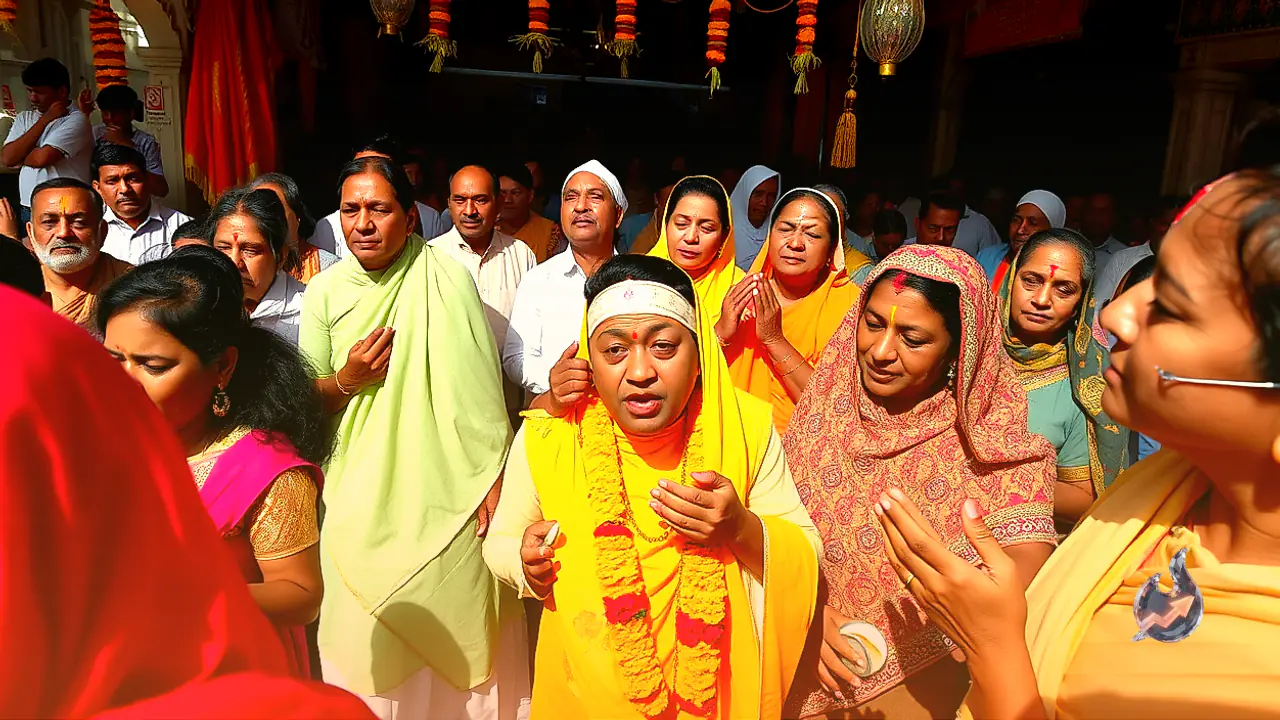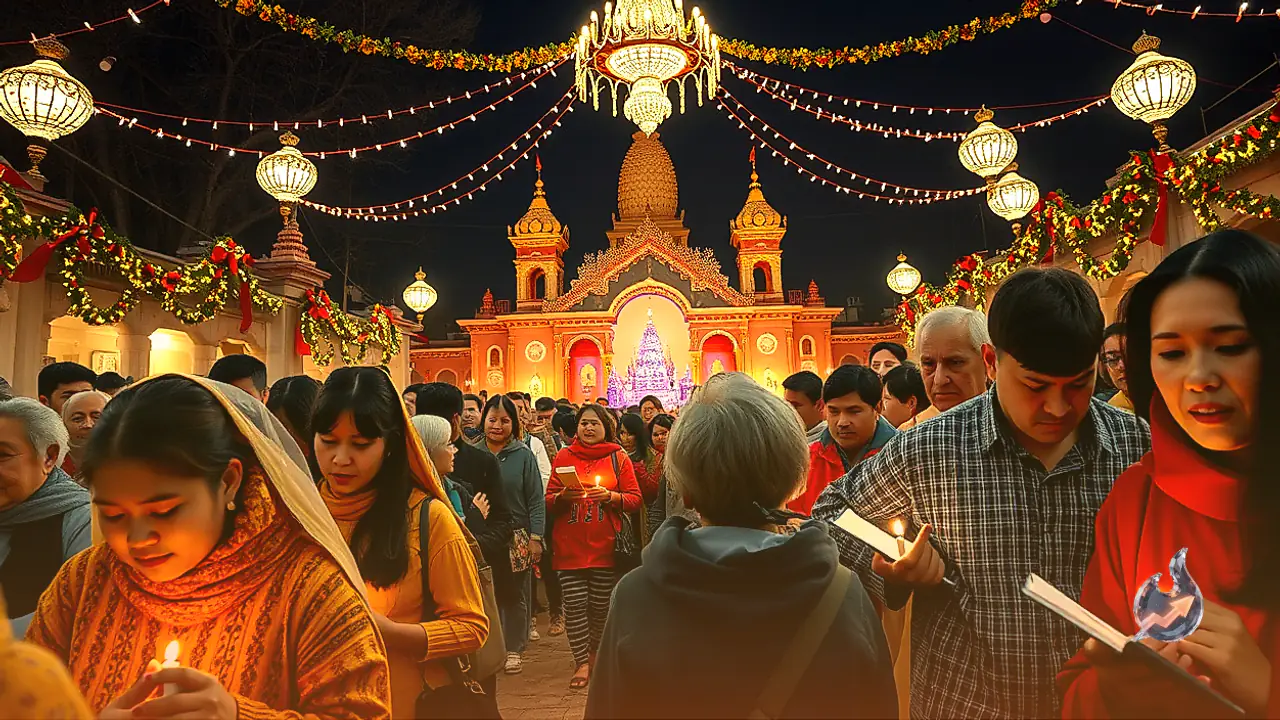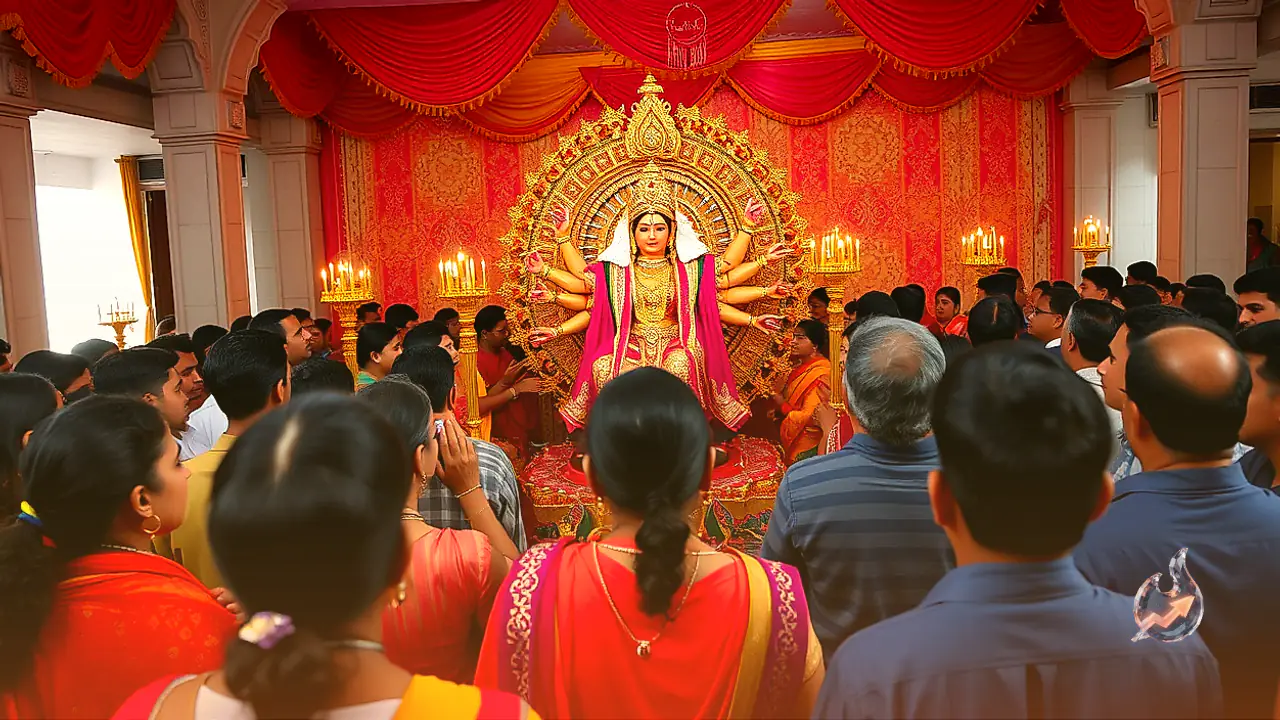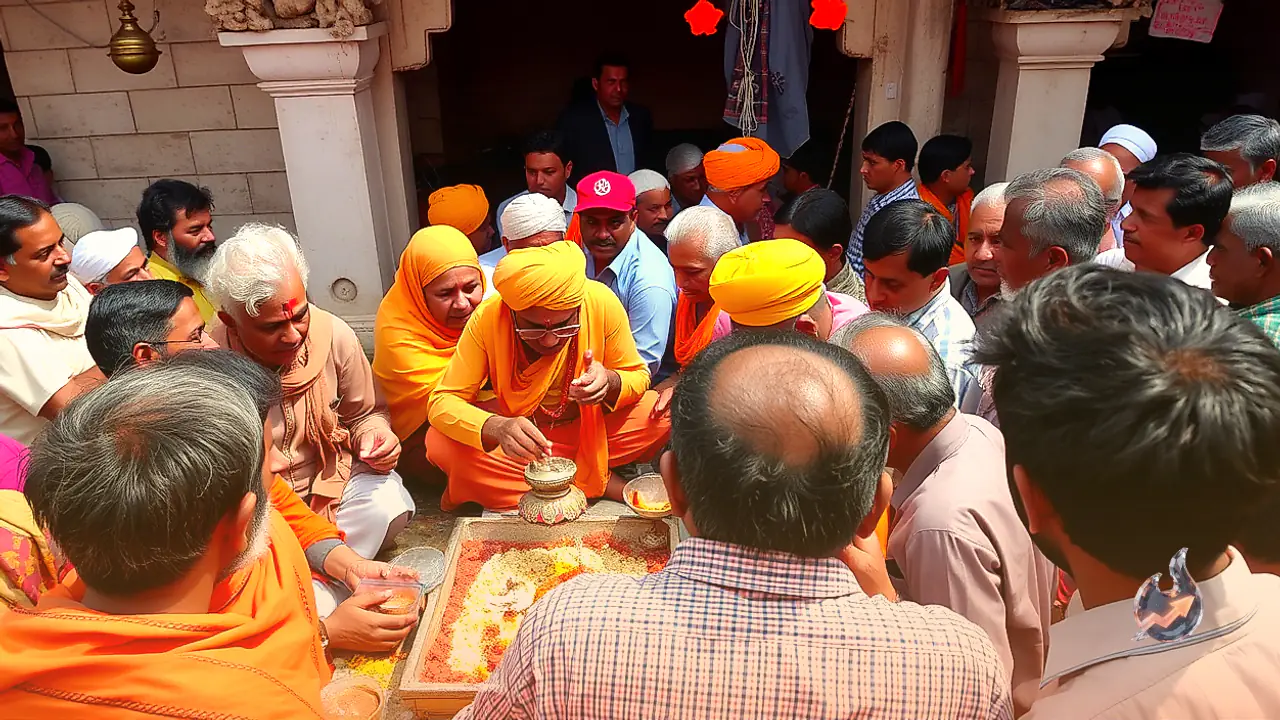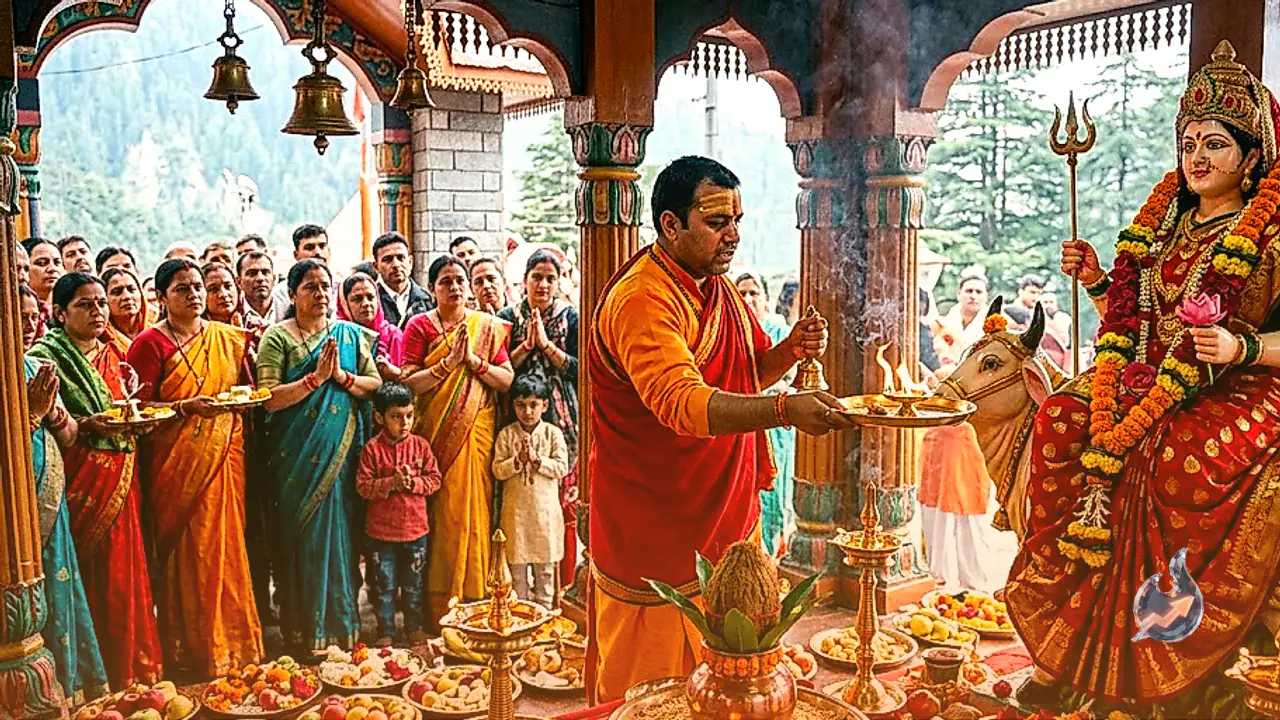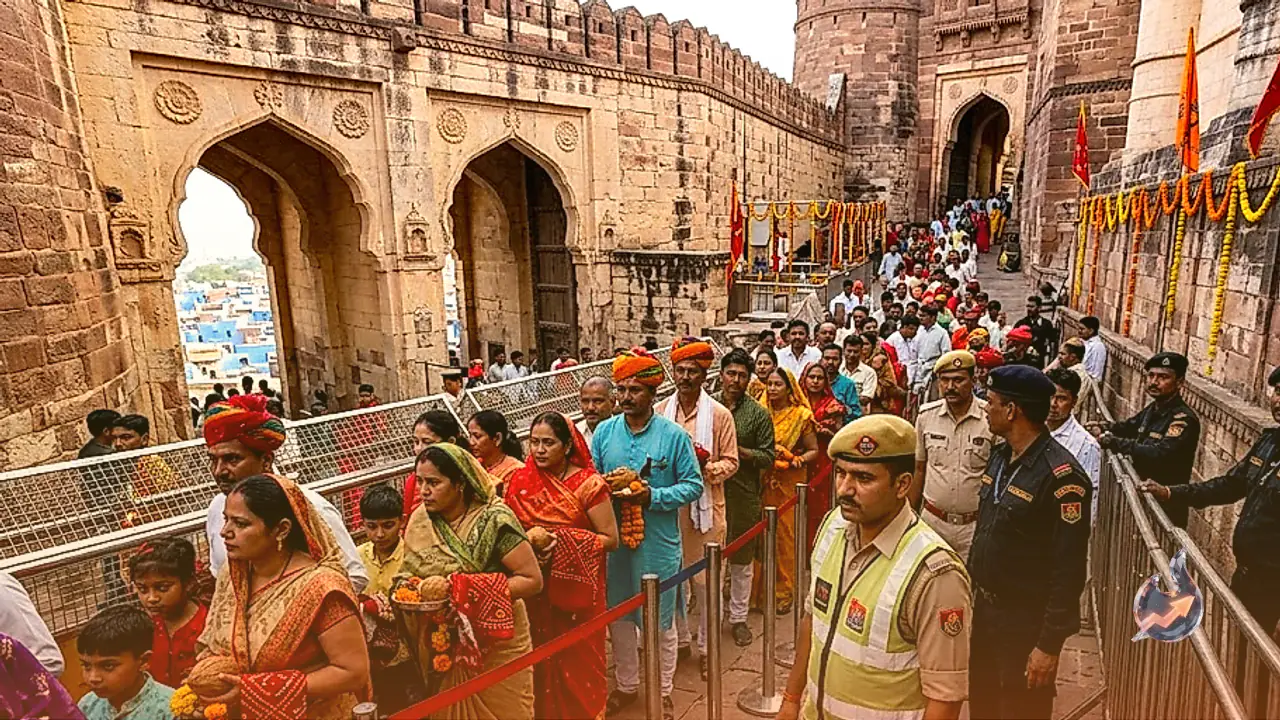



















A unique spiritual tradition lives on in Bakwa Patisa village under Bansdih in Uttar Pradesh's Ballia district, drawing generations of devotees to an ancient shrine revered as the Patishwar Nath temple. Estimated to be around 200 years old, the sacred site carries an origin story that residents often compare to the legendary emergence of Sita from the plowed earth. Over the past two centuries, the renown of this sanctuary has expanded well beyond the district boundaries, drawing pilgrims who believe the sacred ground possesses divine energy.
Unearthed by an Iron Plowshare in an Open Field
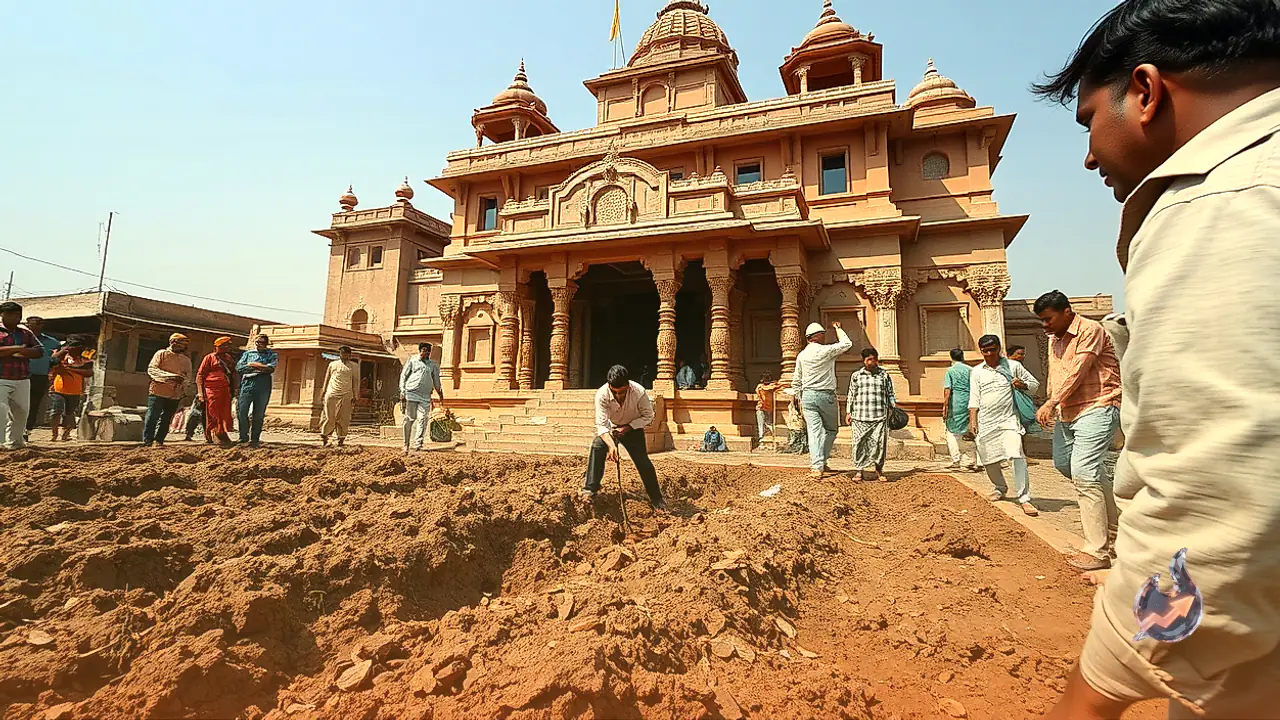
According to Swami Om Sant Maharaj, the holy Shivalinga enshrined in the inner sanctum is not a man-made sculpture consecrated by human hands, but a self-manifested Swayambhu emblem. Centuries ago, while a farmer was plowing the soil for cultivation, the iron blade of the plow struck a dense, unyielding object hidden beneath the surface. Intrigued by the sudden resistance, people excavated the ground around the spot, revealing a magnificent Shivalinga resting deep within the earth.
Remarkably, the sharp impact mark left by the striking plow remains clearly visible on the surface of the stone even today. In later years, a grateful worshiper whose prayers were answered covered the relic with a protective sheet of brass. Local accounts recount that immediately following the discovery, several vigorous attempts were made to dig out the Shivalinga and move it to another setting. However, not even the strongest efforts could displace or nudge the holy stone from its original position. Recognizing this as a divine decree, the local community erected a splendid stone shrine directly over the spot where it appeared.
Blessings of Progeny and Enduring Community Vows
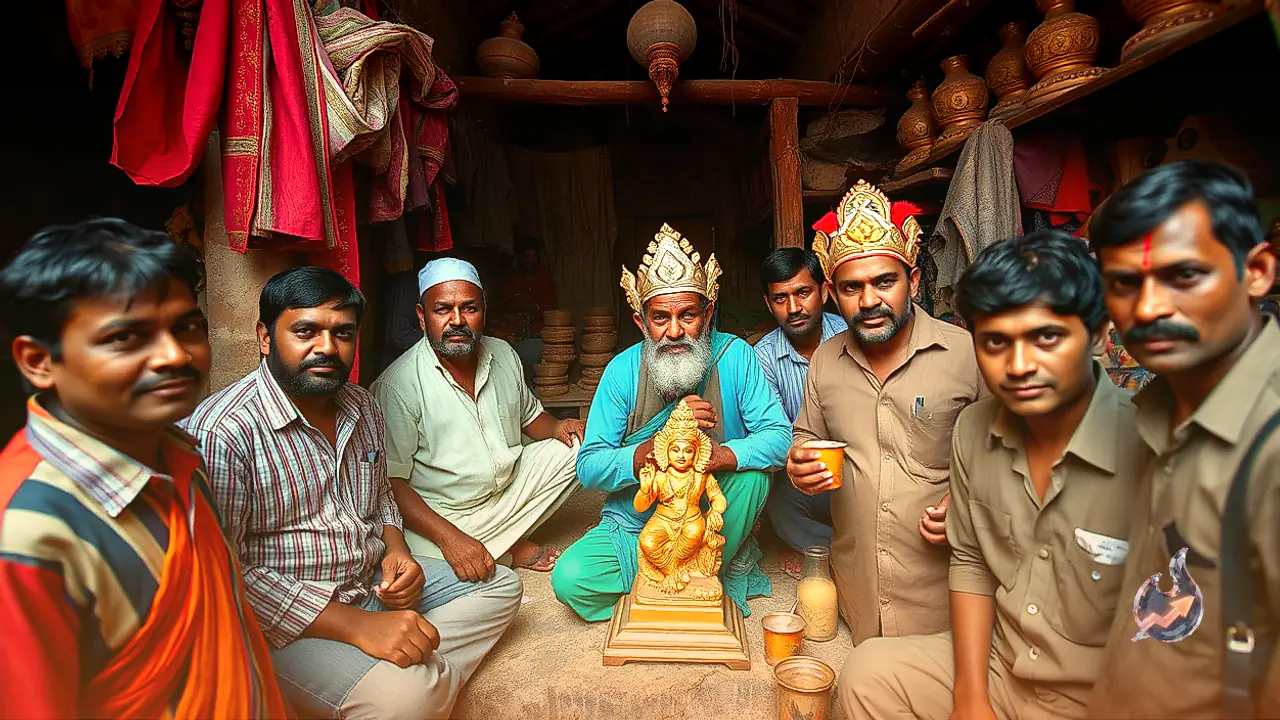
Mahant Hari Om, who has tended to the day-to-day rituals and upkeep of this holy ground since 2006, affirms that individuals who arrive with steadfast devotion rarely leave without having their wishes granted. One prominent narrative cherished by local residents involves an elder named Upadhyay from nearby Haldi village. Upadhyay was the father of three grown sons, yet the family was troubled by the absence of grandchildren across all three households. Upon learning of the miraculous reputation of the shrine, Upadhyay traveled to the village to pray before the deity.
Following his sincere prayers, blessings arrived in due course, allowing his lineage to flourish with the birth of children. Overwhelmed by gratitude for this divine favor, Upadhyay fulfilled a pledge by presenting a decorative brass covering along with a finely crafted silver serpent ornament to drape over the Shivalinga. These offerings remain revered symbols of devotion at the sanctum.
Associated Wonders and Unbroken Local Traditions
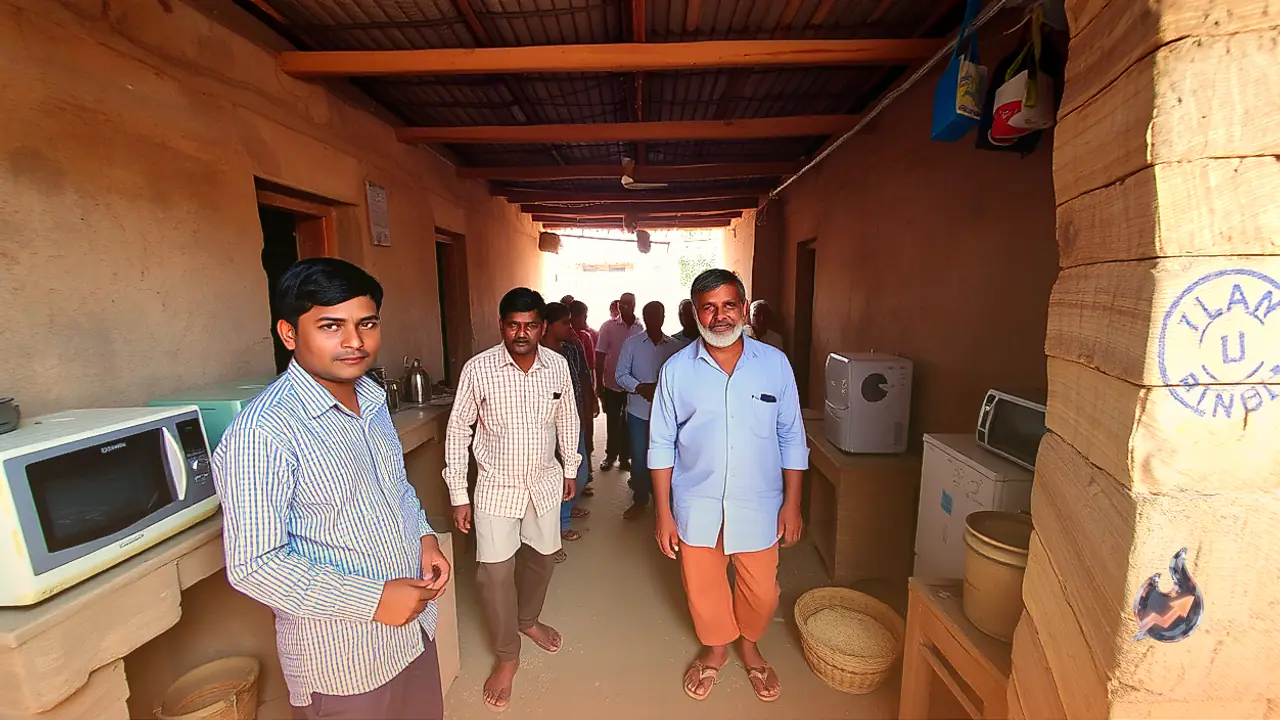
Akhilanand Pandey, a Bakwa resident who operates a flour mill just outside the temple gates, notes that reverence for this spot has been woven into everyday village life for generations. Residents perceive the ground as a living testament to divine grace rather than merely an antique landmark. According to Pandey, the spiritual occurrences connected to this soil extend beyond the Shivalinga itself to the Radha-Krishna temple established within the village.
Local lore relates that when the father of former village head Harendra Singh constructed the Radha-Krishna temple and consecrated its sacred idols, a ceremony was held to plant a traditional flag in the courtyard. During that ritual, an extraordinary occurrence took place involving kunkar from the bamboo pole, which was immediately followed by the birth of a male child in his household. The surrounding rural populace continues to interpret such happenings as clear manifestations of enduring grace. Because the hamlet is known as Bakwa Patisa, the guardian deity came to be revered as Patishwar Nath, remaining an enduring pilgrimage site for seekers seeking solace and fulfillment.