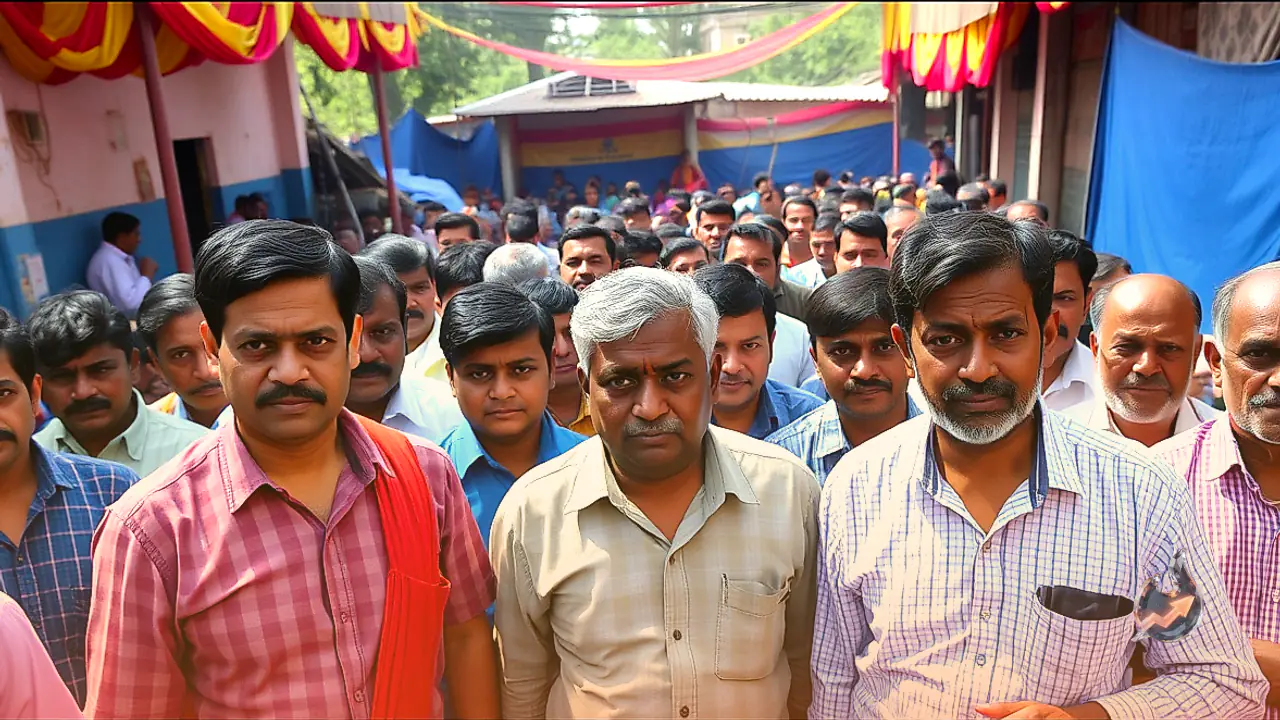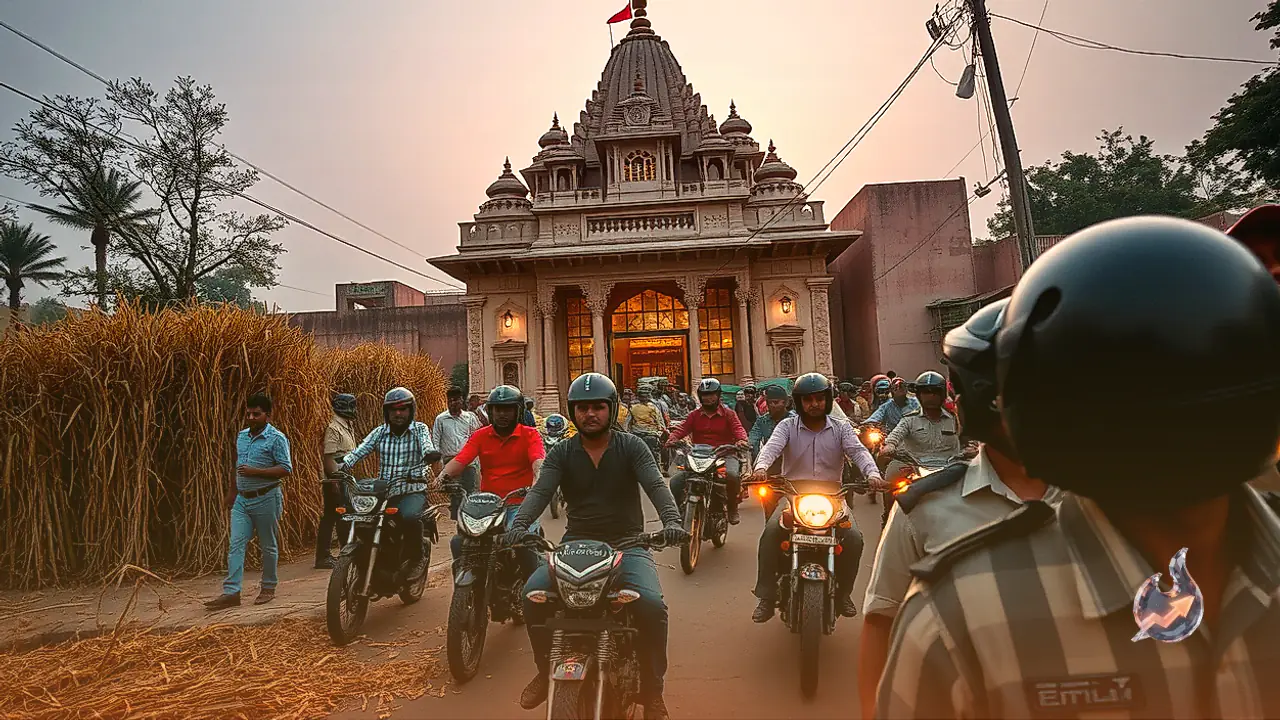
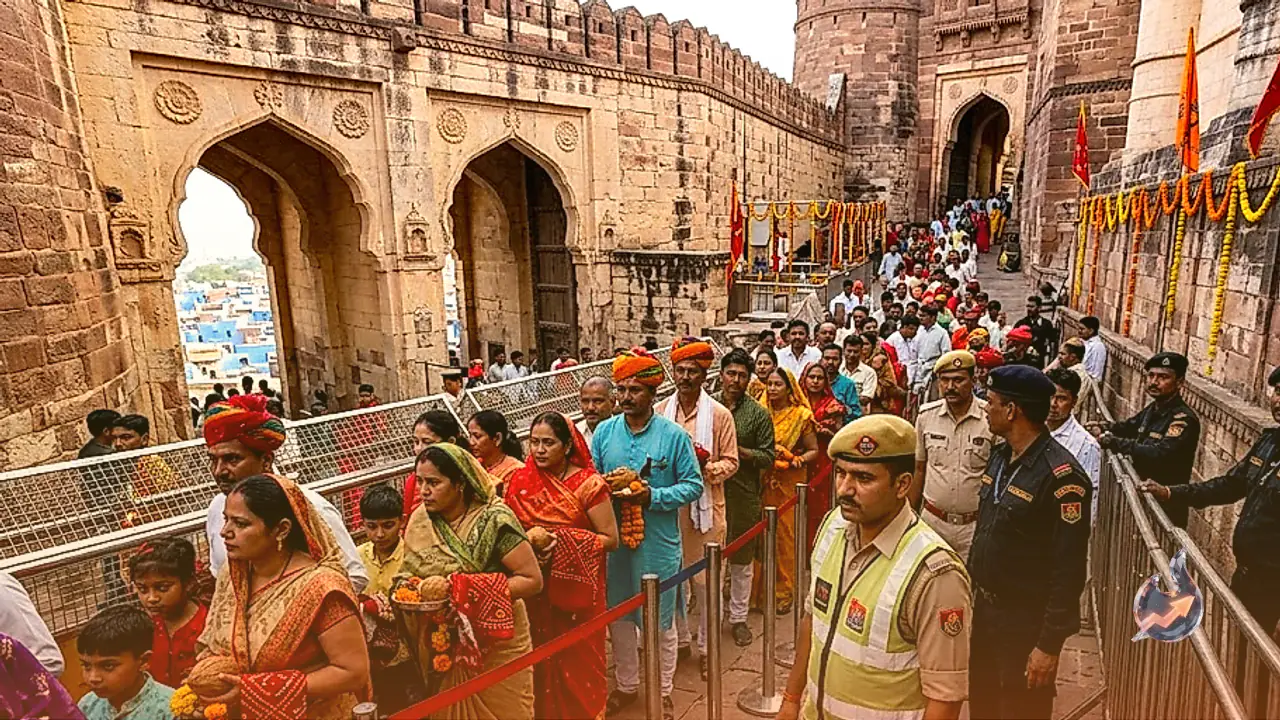
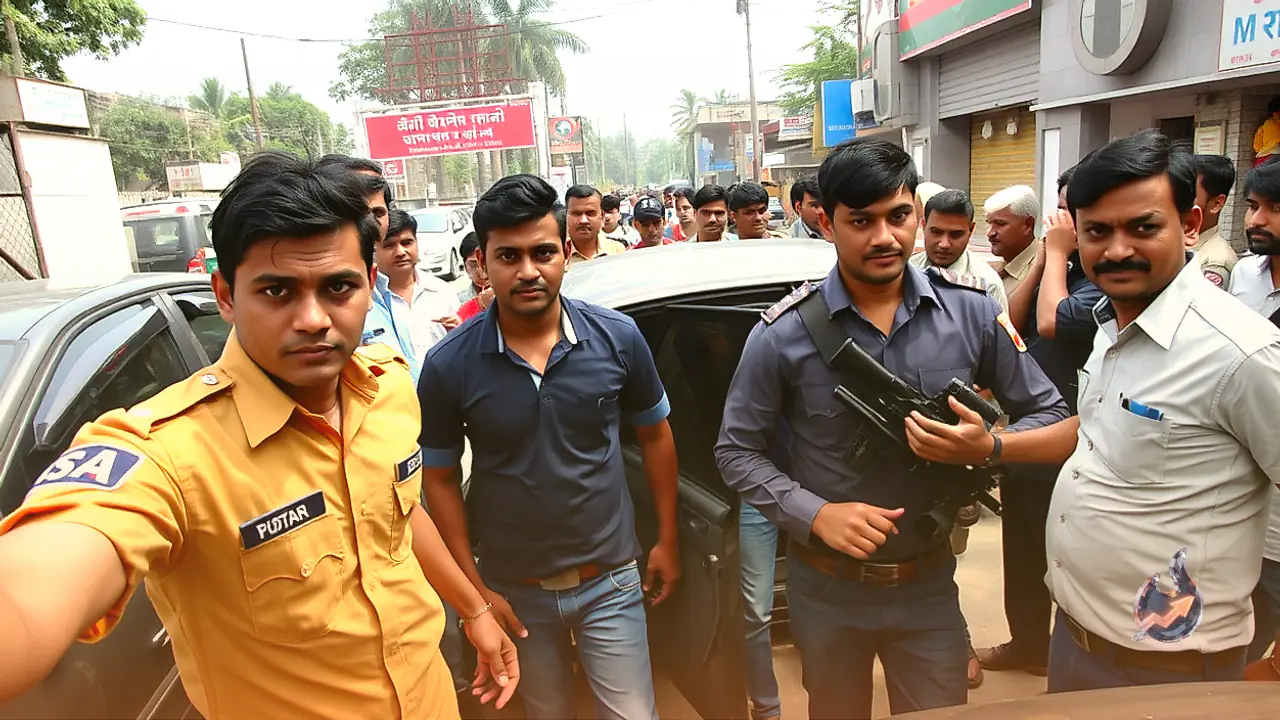

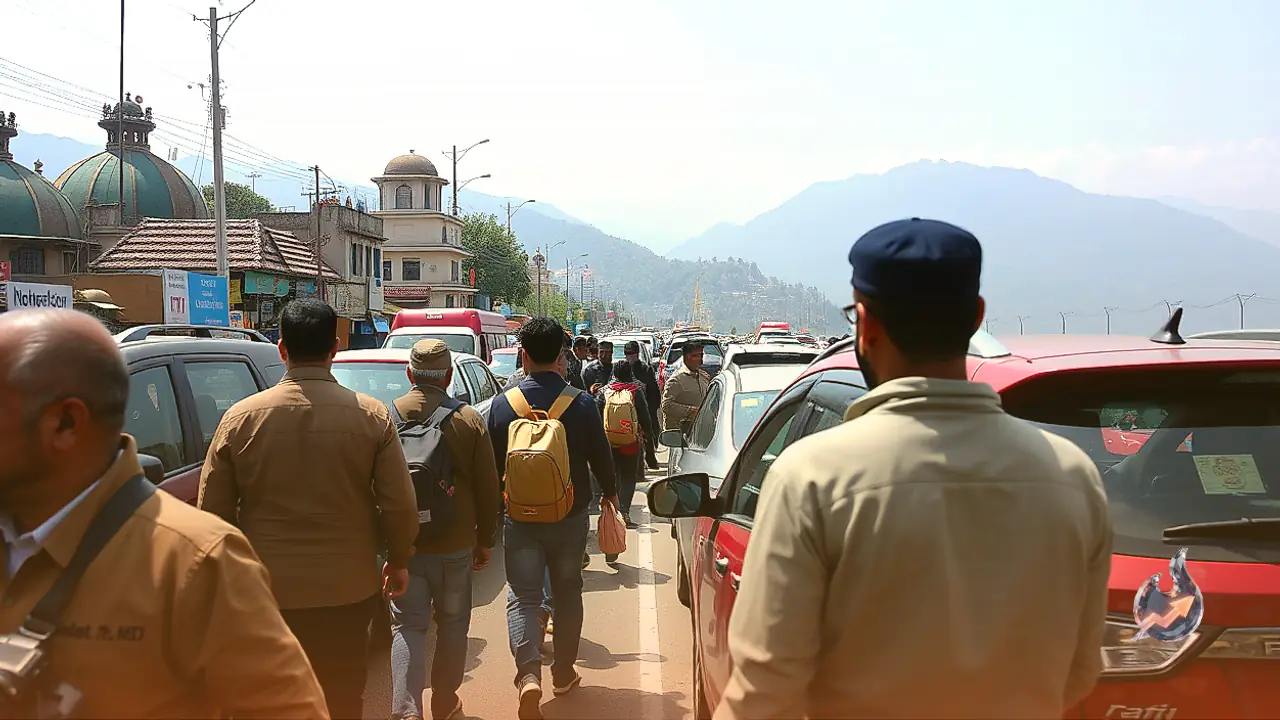
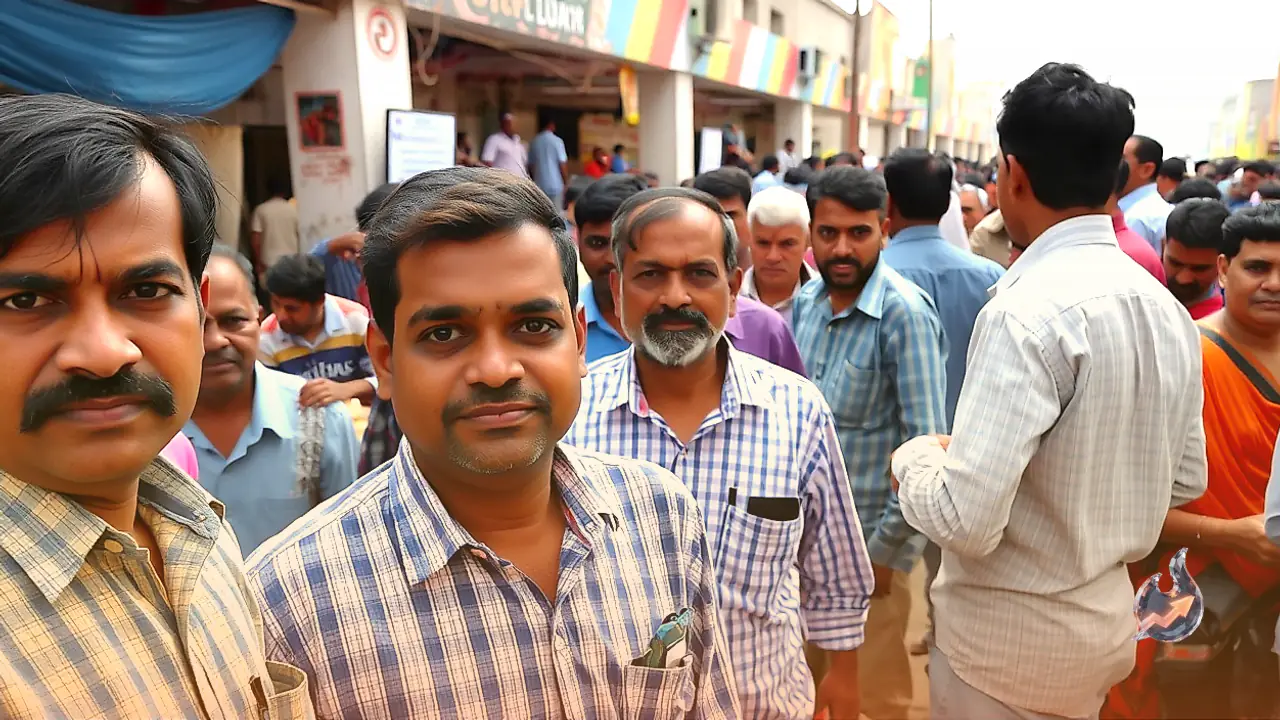















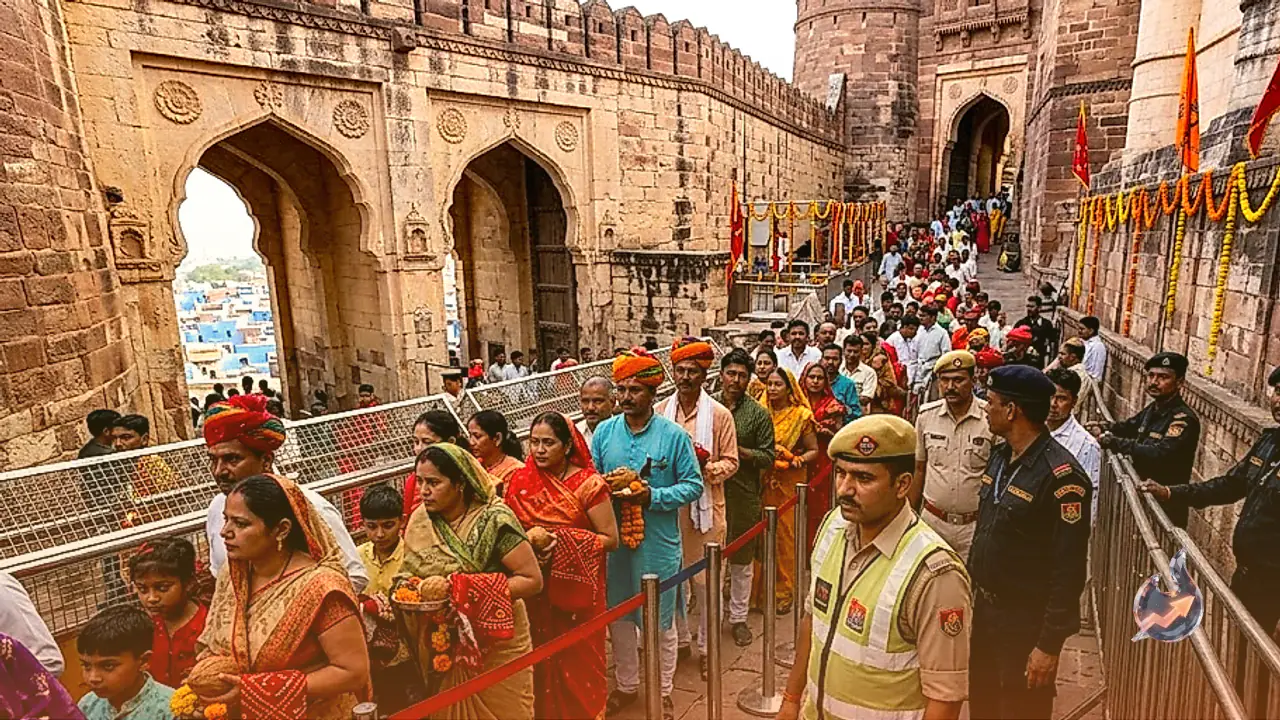

A large gathering of devotees began arriving at the Chamunda Mata temple situated inside the historic Mehrangarh Fort in Jodhpur from the very first morning of Sharadiya Navratri. Deep spiritual reverence across the entire Marwar region has drawn crowds from the early dawn hours, prompting the Mehrangarh Museum Trust and local police officials to set up specialized crowd management, traffic control, and safety protocols. Across all nine days of the festival, the sanctum will stay accessible for public darshan daily between 7:00 AM and 5:00 PM.
Designated Gates, Visiting Hours, and Segregated Queues
Under the operational schedule, the fort's prominent entry points, Jaipol and Fatehpol, open their gates for pilgrims every morning at 7:00 AM and admit visitors until 5:00 PM. A disciplined, single-file queuing arrangement begins right outside Jaipol and leads directly toward the shrine. Every visitor must pass through formal security checkpoints set up at designated gateways before gaining admission to the inner fort pathways.
To avoid bottlenecks and ensure vulnerable groups navigate the slopes comfortably, the administration has completely separated transit routes based on demographics. Female devotees, accompanying children, and elderly citizens have been assigned an entry and exit path directed via Patta. In contrast, male pilgrims and young men must follow a separate pathway running from Salim Kot toward Basant Sagar, preventing intersecting foot traffic along the corridors.
Police Deployment and Real-Time CCTV Surveillance
Maintaining security and order across the nine-day gathering is overseen directly by Police Commissioner Anshuman Bhomia. On-ground security arrangements are led by DCP Manish Choudhary alongside his operational personnel, while vehicular movement around the fort slopes is regulated under DCP Traffic Shaheen C. Direct traffic management responsibilities are actively executed by ADCP Shalini Raj.
Surveillance cameras have been deployed at strategic intersections along the entire route stretching from Jaipol right up to the Chamunda Mata temple complex. Live camera feeds are fed directly into a centralized monitoring control room, enabling surveillance officers to spot congestion points instantly and dispatch personnel whenever immediate operational intervention is warranted.
Chanting of Durga Path and Hawan Ritual Timings
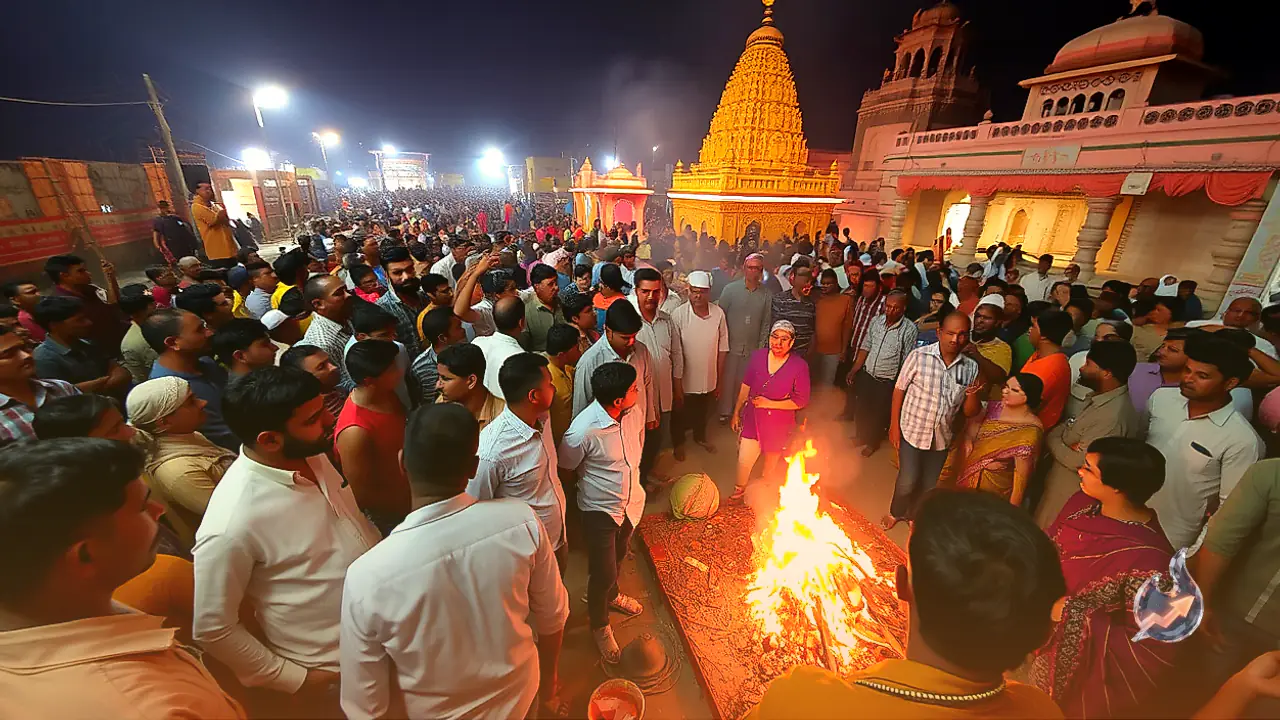
Religious proceedings during the festival include continuous ceremonial recitation near Basant Sagar, where 9 Vedic scholars are scheduled to conduct the Durga Path from October 11 to October 19. The sacred hawan ceremony commences on the night of Homashtami. Following these recitations, on the day of Navami on October 20, Maharaja Gajsingh and Maharani Hemlata Rajye will perform the formal concluding rituals of the hawan between 11:15 AM and 11:50 AM.
Shortly after the completion of the fire ritual, the auspicious window for Maharaja Gajsingh's traditional Tilak Aarti has been fixed from 11:51 AM to 12:01 PM. Concluding the ceremonial timeline on the same afternoon, the formal ritual for the relocation of the deity idol, known as the utthapana of Thapna Ji, is scheduled to take place between 12:05 PM and 12:15 PM.
Regulations on Offerings, Coconut Types, and Prohibited Items
To keep the shrine orderly and free of debris, specific guidelines have been announced regarding ritual offerings. Women can place their coconut offerings at Patta, whereas male devotees have an offering station arranged near Basant Sagar. The Mehrangarh Museum Trust and municipal authorities have specifically urged devotees to bring dried whole coconut offerings instead of water-filled green coconuts. Furthermore, circumambulation inside the shrine following darshan is strictly barred to keep queues moving continuously without disruptions.
The administration has also enforced an absolute ban on polythene packaging within the premises. Pilgrims are instructed to avoid bringing carry bags, hanging bags, and shoulder totes into the fort complex. Individuals carrying alcohol or found in an intoxicated state will be denied entry entirely at the gates. These comprehensive measures aim to ensure that visiting pilgrims experience a safe, serene, and properly coordinated pilgrimage environment throughout the nine festive days.