





















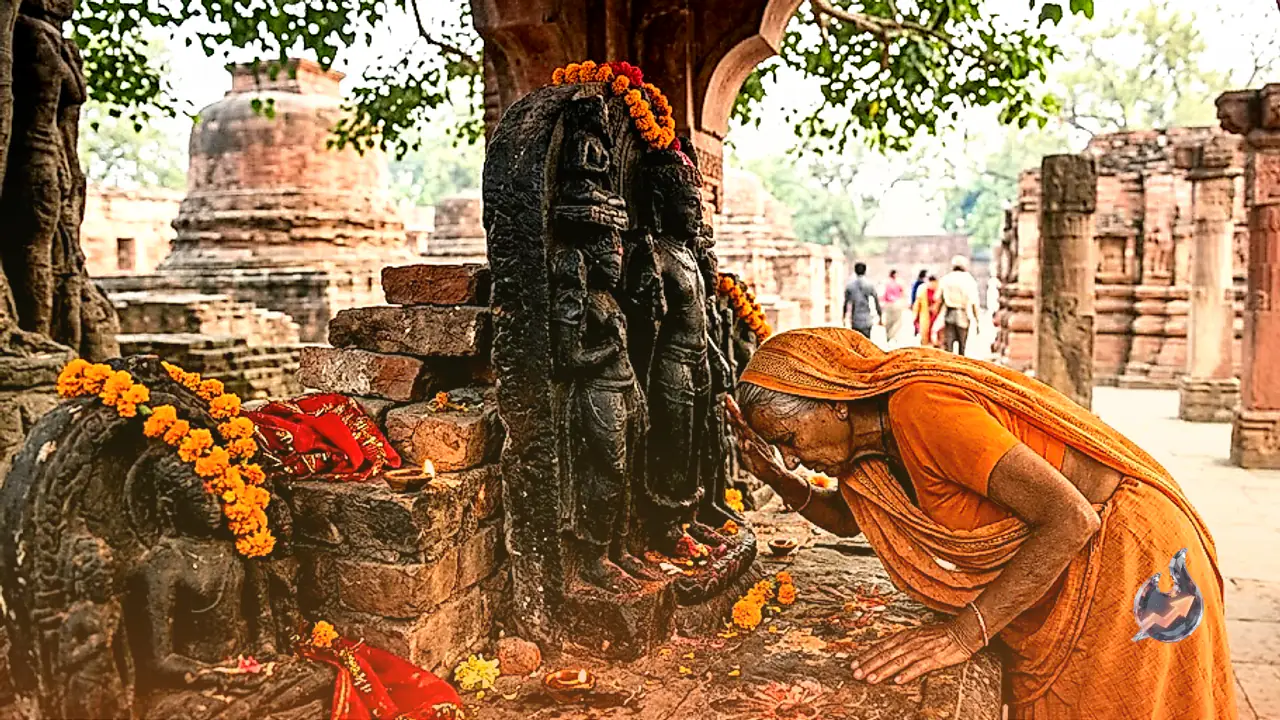

The historical tapestry of Uttar Pradesh's Sultanpur district extends far beyond medieval forts, royal lineages, and the colonial British era. Deep within this region lie archaeological remnants linked to the Buddhist era, narrating the forgotten chapters of an ancient civilisation. In Pratap Pur village, several fragmented sculptures remain preserved to this day, tracing their origins back to the Buddhist period. Although the elements and passage of centuries have altered their external contours, these relics strongly indicate that the Sultanpur belt once experienced a flourishing Buddhist cultural and philosophical presence.
Spiritual Legacy of Mata Parmeshwari Dham
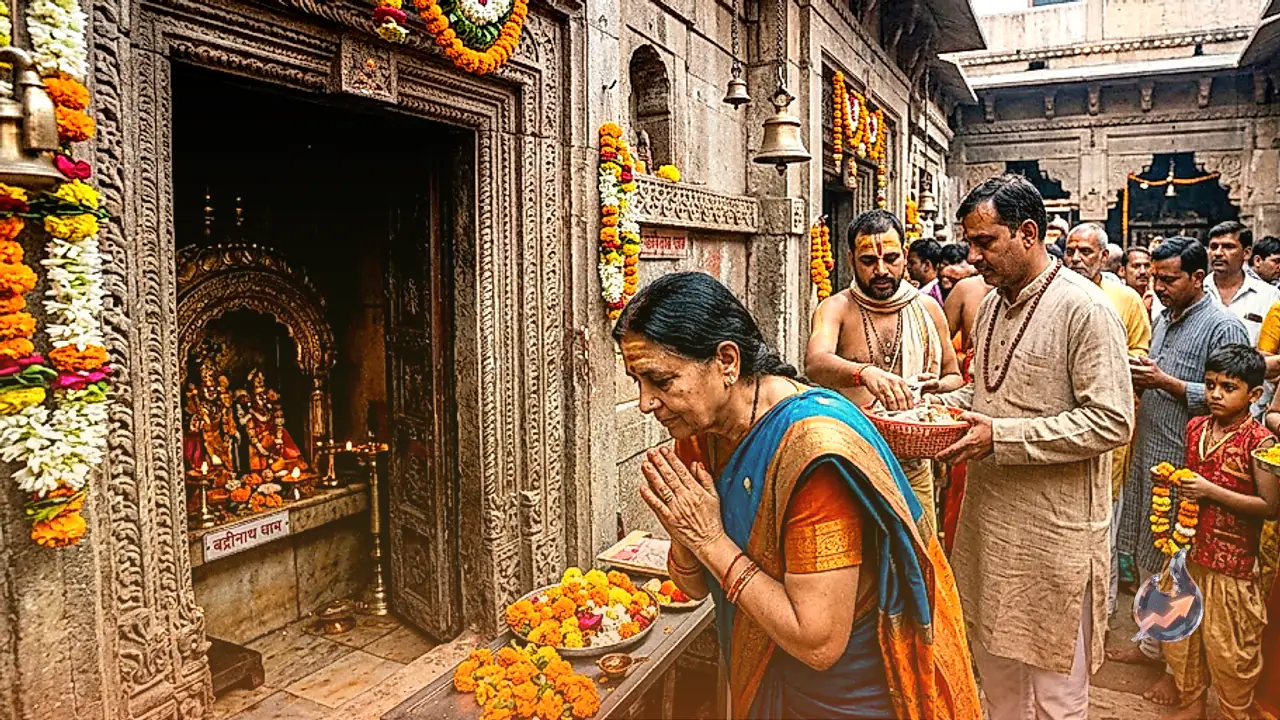
Mata Parmeshwari Dham stands as a major center of faith and worship for local residents and visiting pilgrims alike. According to the temple priest, Prabhakar Das Ji Maharaj, the sacred sanctity of this shrine has been upheld across generations since ancient times. Religious texts recount that among the 108 sacred names of Goddess Durga, Parmeshwari Devi is venerated at the 104th position. Deriving its identity from this sacred naming tradition, the sanctuary came to be known as Mata Parmeshwari Dham, where devotees gather to pray for well-being, prosperity, and the fulfilment of their wishes.
Sculptural Fragments and the Adjacent Ancient Pond
Among the most remarkable aspects of this site are the broken idols of deities discovered across the premises. Directly adjacent to the temple lies a centuries-old pond that holds crucial historical significance. Local inhabitants share that across various excavation and deepening drives over the years, multiple fragmented statues and stone pieces emerged from beneath the silt. The intricate carvings, artistic designs, and distinct contours on these stones draw keen attention, leading residents to believe that an extensive ancient religious complex once flourished at this very location.
Traditions of Medieval Damage and the Need for Scientific Research
Local lore suggests that the original complex of Mata Parmeshwari Dham was once a sprawling religious landmark housing numerous consecrated deities. Popular memory holds that the site suffered destruction during the Mughal period, during which several statues were broken and cast into the adjacent water reservoir. Nevertheless, formal verification of these traditions requires thorough archaeological investigations. Only rigorous scientific testing and expert examination can determine the exact age of the sculptures, their artistic period, and the architectural layout of the original structure.
The 1914 Reconstruction and Enduring Reverence
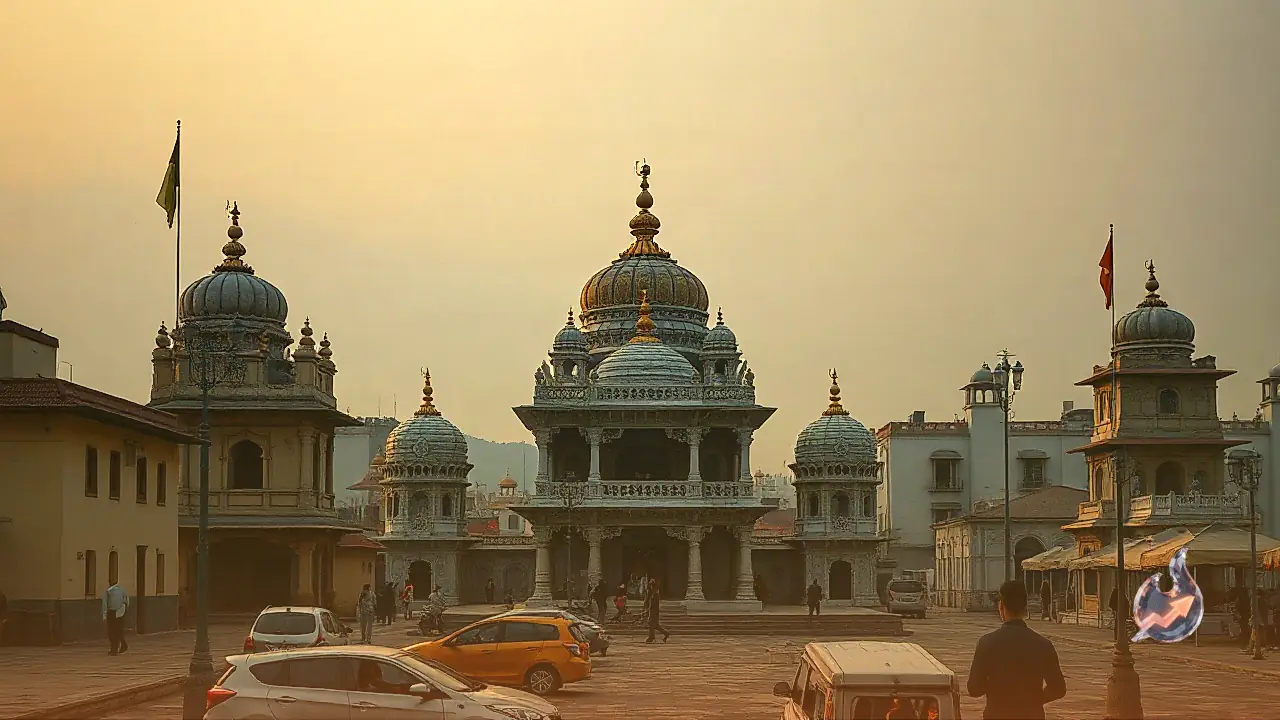
Prabhakar Das Ji Maharaj points out that the existing exterior architecture of the temple was constructed during a comprehensive rebuilding effort carried out in the year 1914. Consequently, the facade visible today likely differs from its ancient structural design. Despite these physical transitions, the preserved fragmented statues, the historical pond, and the rich folklore continue to make this shrine extraordinarily valuable from both an archaeological and spiritual perspective, with numerous devotees continuing to visit daily to offer their prayers.