























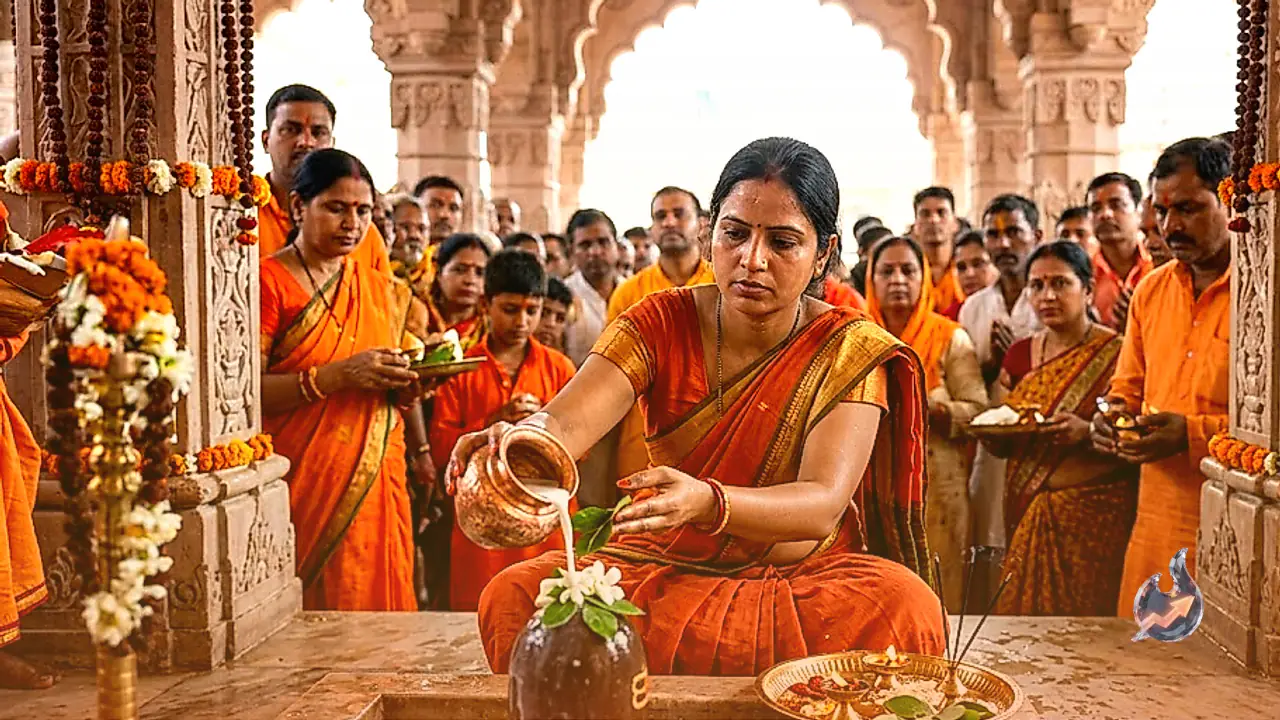

Devotees across the country have thronged major Shiva temples since early morning to mark the auspicious first Monday of Sawan. Temple premises resonate with the thunderous chants of Har Har Mahadev and Bam Bam Bhole. The opening Monday of this sacred month holds immense religious significance for worshipping Lord Shiva, with believers holding strong faith that sincere prayers and water offerings on this day erase life troubles and fulfill heartfelt desires. However, according to religious traditions, certain ritual guidelines must be kept in mind during worship to avoid mistakes that could diminish the spiritual benefits.
Items That Must Never Be Offered to Shiva
A primary rule of worship dictates that turmeric, vermilion, or kumkum should never be offered to Lord Shiva, as these items are typically reserved for goddess worship. Instead, the most auspicious offerings for a Shivalinga include water, milk, curd, honey, Ganga water, and fresh bel leaves. Furthermore, tulsi leaves must never be placed on the Shivalinga, as their usage is strictly prohibited in Shiva rituals according to traditional beliefs. The fragrant kewra or ketaki flower is also forbidden and should never be offered to Mahadev.
Proper Rules for Bel Leaves and Water Offerings
Care must be taken while selecting and offering bel leaves to Lord Shiva. The leaves must possess three leaflets, remain clean, and be entirely free of tears or damage. Dried, insect-bitten, or torn leaves are completely unacceptable. Additionally, the smooth surface of the bel leaf should face toward the Shivalinga when presented. When performing jalabhishek, worshippers should never rush. Pouring water slowly and calmly while reciting the Om Namah Shivaya mantra is considered deeply auspicious, emphasizing true devotion over mere superficial display.
Post-Milk Abhishek Protocols and Behavioral Conduct
Individuals performing an abhishek with milk must ensure they subsequently pour clean water over the Shivalinga to complete the purification process. The water or milk used during the ritual should not be allowed to scatter carelessly, and the worship area must be kept neat and clean at all times. Maintaining absolute purity and satvic living is essential during the Sawan fast. Consequently, practitioners should refrain from anger, lying, harsh words, or insulting anyone. Belief dictates that Lord Shiva is pleased not merely through rituals, but through righteous behavior and self-control.
Maintaining Patience in Crowds and Alternative Worship
If temples experience heavy congestion, devotees should avoid pushing or disturbing others during their prayers. Waiting patiently for one's turn and following guidelines peacefully is paramount. If visiting a temple for jalabhishek is practically impossible due to unavoidable circumstances, individuals can easily worship from home by meditating on Lord Shiva, chanting sacred mantras, and reciting the Shiva Chalisa with an equally devotional heart.