
















The alarming manner in which patients are being exploited within the pharmaceutical trade, driven by arbitrary maximum retail prices and massive profit margins, has triggered strong nationwide reactions. Ordinary citizens have voiced deep frustration, pointing out that such predatory pricing amounts to open daylight robbery of vulnerable patients. The central question remains as to who stands behind those selling affordable medicines at exorbitant rates, and why individuals who force patients to sell their homes, land, and jewelry to afford treatments are not being sent behind bars. This insatiable greed persists despite extreme profiteering, reaching deeply disturbing levels when counterfeit operations substitute children's medicines with veterinary drugs.
The Trade of Re-labeling Veterinary Drugs for Children
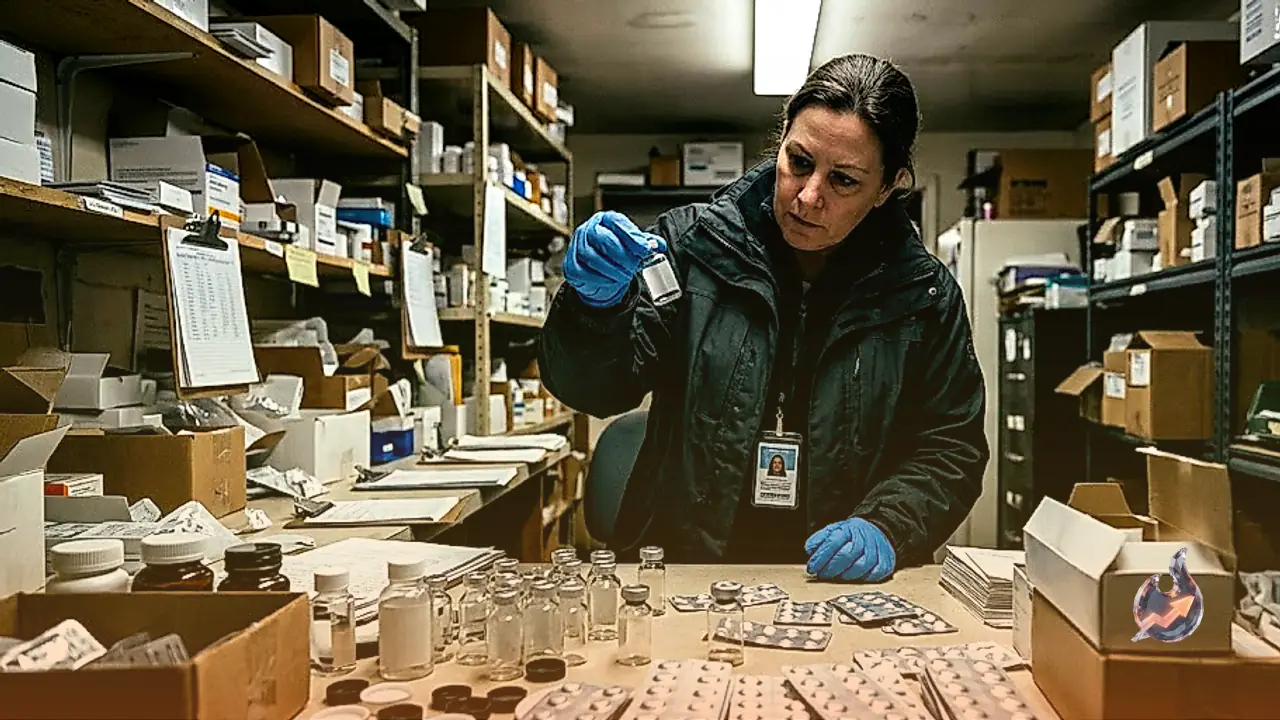
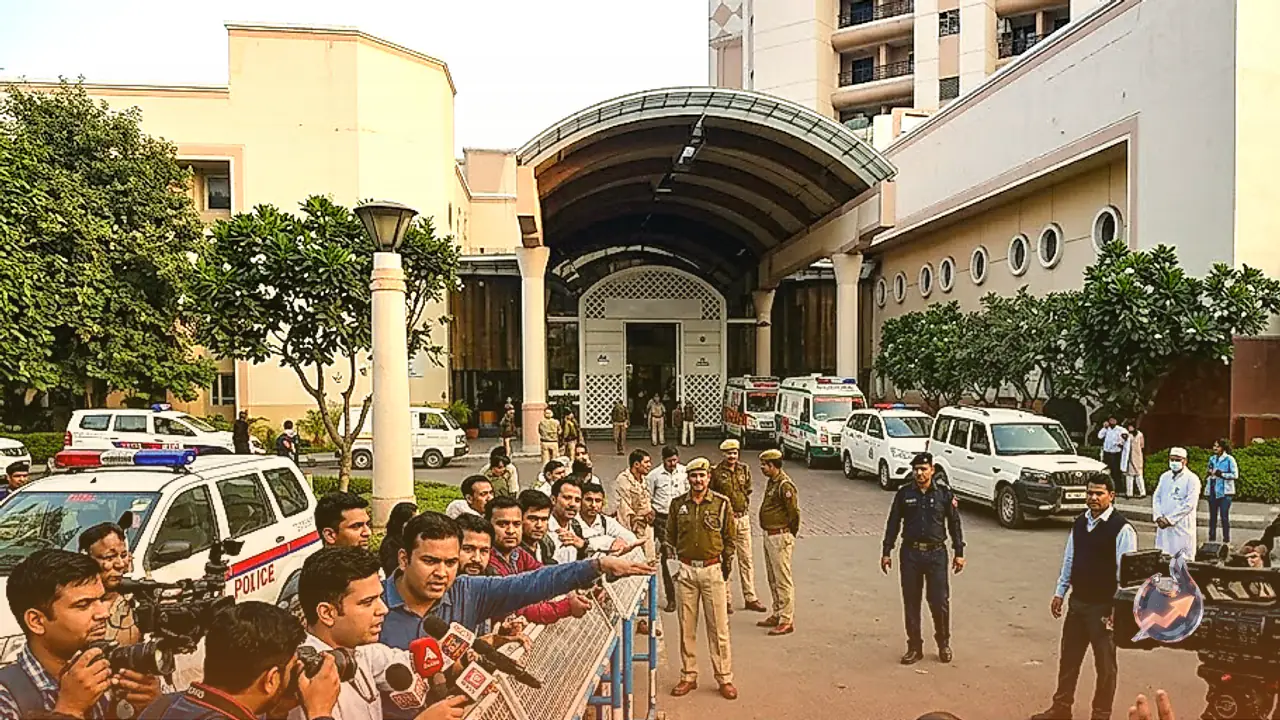
Who will intervene to stop those extracting thousand-fold profits from the poor in the name of healthcare, and endangering lives by selling fake medications? The mechanics behind selling inexpensive drugs at astronomical prices reveal a disturbing side of the medical market, underscored by how children's health is put at risk for financial gain. In Surat, Gujarat, a special police team acting in tandem with Food and Drug Administration officials raided a local medical store. The store operator was accused of selling liver tonics meant strictly for animals like horses, cows, and buffaloes under the guise of pediatric medicine.
According to law enforcement, the accused medical store owner repacked veterinary formulations into smaller vials and affixed stickers typically used for children's medications. These 60 ml and 100 ml containers were then sold directly for pediatric use. Police arrested the operator, identified as Mohammad Sajid Mulla, whose disclosures during interrogation left officers stunned. This case highlights the lengths to which unscrupulous operators go to generate huge profits at the direct expense of children's health and safety.
Government Action and Caps on Cancer Drug Prices
The financial incentive for such illegal trade is amplified by the existing margins built into retail pricing, ensuring that even animal-grade products yield high returns when acquired cheaply. Driven by an unrelenting appetite for profit, these operators disregard the immense risks posed to human lives. Addressing the broader issue of inflated medicine prices, the central government has shifted into active mode following strict interventions by the Supreme Court regarding cancer treatments. On October 8, the administration announced a major policy decision to cap profit margins on cancer medications at 30 percent, calculated from the point of manufacture through to the final sale to the patient.
Analyzing the Gap Between Procurement and Retail Prices
Once manufactured, pharmaceutical products typically pass through distributors before reaching retailers or chemists at a rate known as the price to retailer, which is ultimately sold to patients at maximum retail price. The Supreme Court has expressed profound concern over the vast discrepancies existing between procurement costs and retail tags. Evaluating the impact of government measures, officials noted how price regulations will significantly alter the cost of cancer treatments that were previously sold at vastly inflated figures, a point previously raised by the apex court during recent hearings.
Authorities estimate that capping profit margins on cancer drugs will save patients approximately 2.5 billion rupees annually. Nonetheless, the Supreme Court noted that this step alone is not a complete solution, questioning why price controls cannot be similarly extended to other essential categories of medicine. The government was given until October 27 to submit an operational action plan. Industry insiders acknowledge that enforcing a 30-percent margin cap will disrupt traditional retail markup practices and offer substantial relief to patients. Beyond central authorities, state administrations are also cracking down on MRP-driven exploitation.
Inspections Reveal Extreme Margins in State Pharmacies
Recently, the Food and Drug Administration department in Uttar Pradesh inspected pharmacies across 214 medical colleges and private hospitals within the state. An analysis of 130 distinct pharmaceutical products uncovered widespread discrepancies between procurement costs and final retail prices. Among these, 36 medications carried retail prices exceeding ten times their original purchase cost. Certain products even exhibited a sixty-seven-fold difference between acquisition expenses and marked prices.
For instance, Polymyxin-B injections used for severe bacterial infections were procured at roughly 74 rupees while carrying a printed retail price of approximately 4,981 rupees. Similarly, Bevacizumab treatments, which had a procurement cost of 7,541 rupees, were subjected to vastly magnified pricing structures in the commercial market.