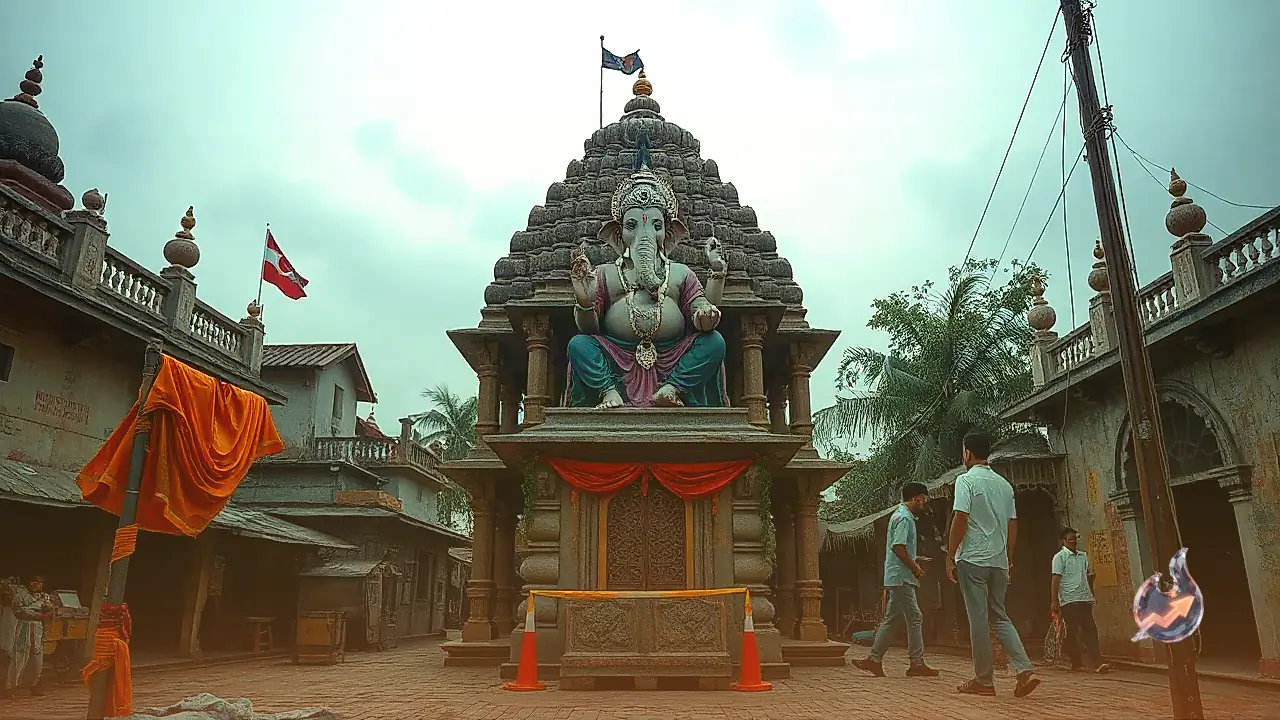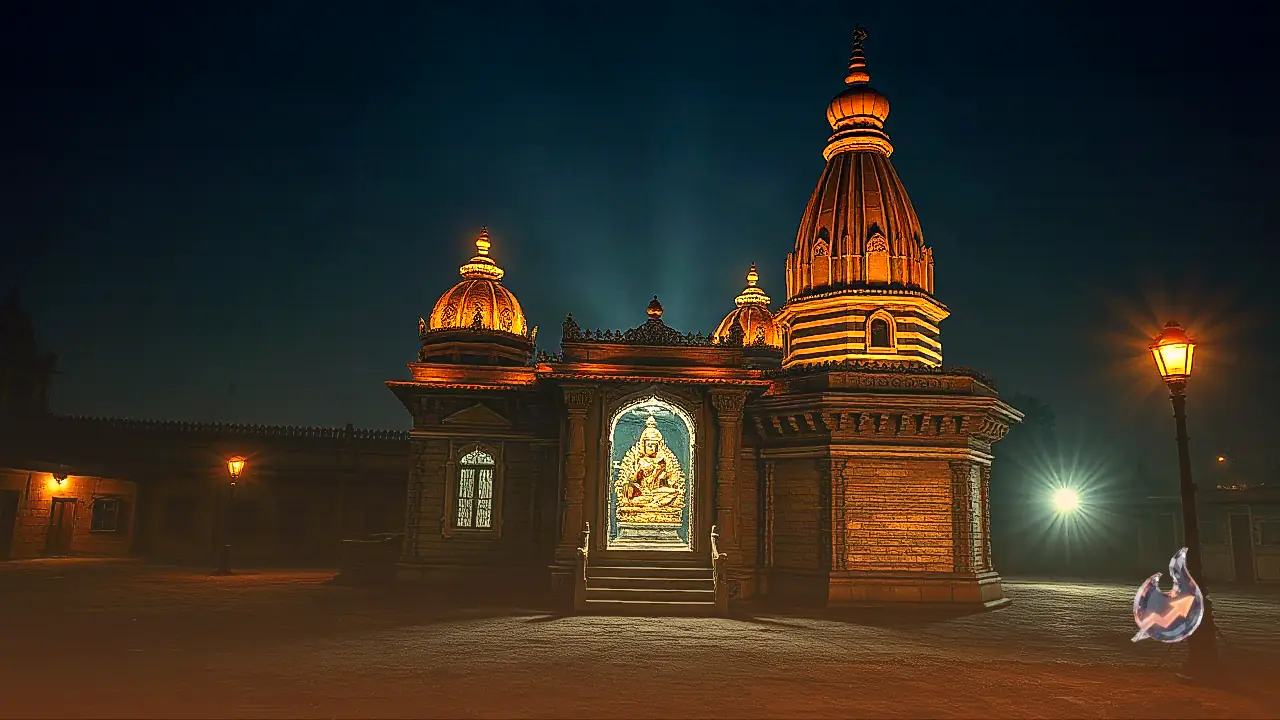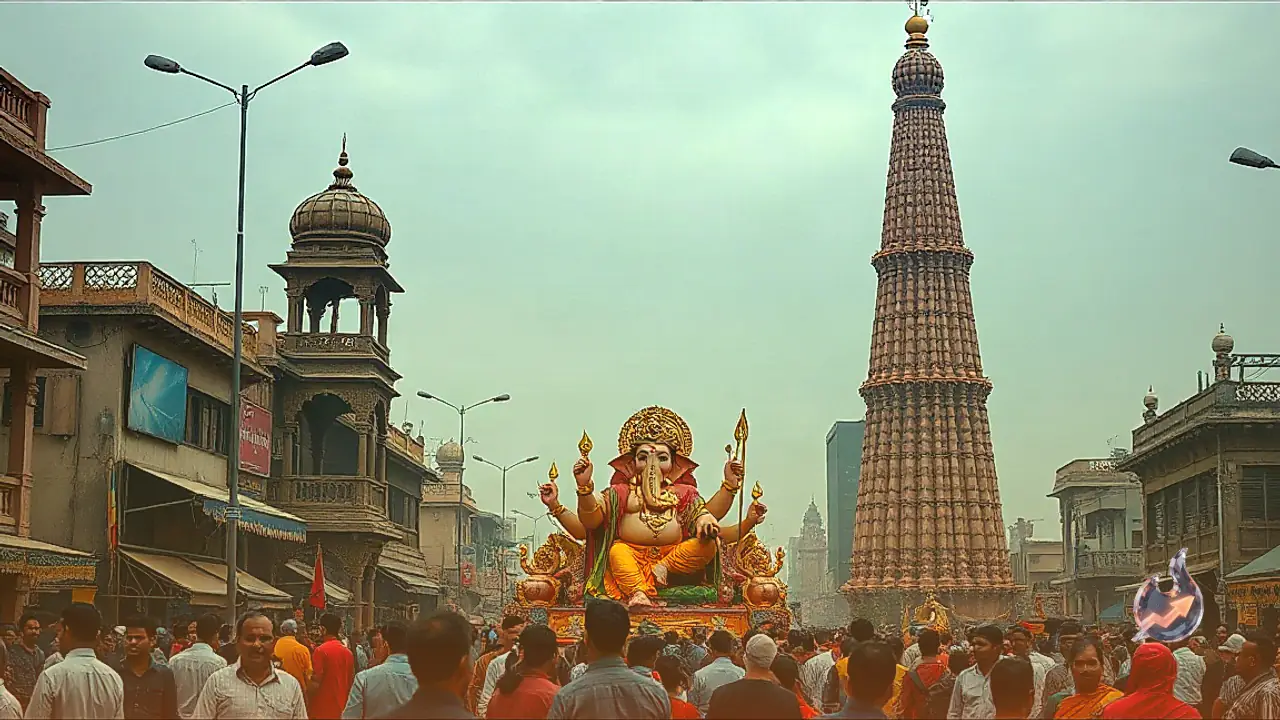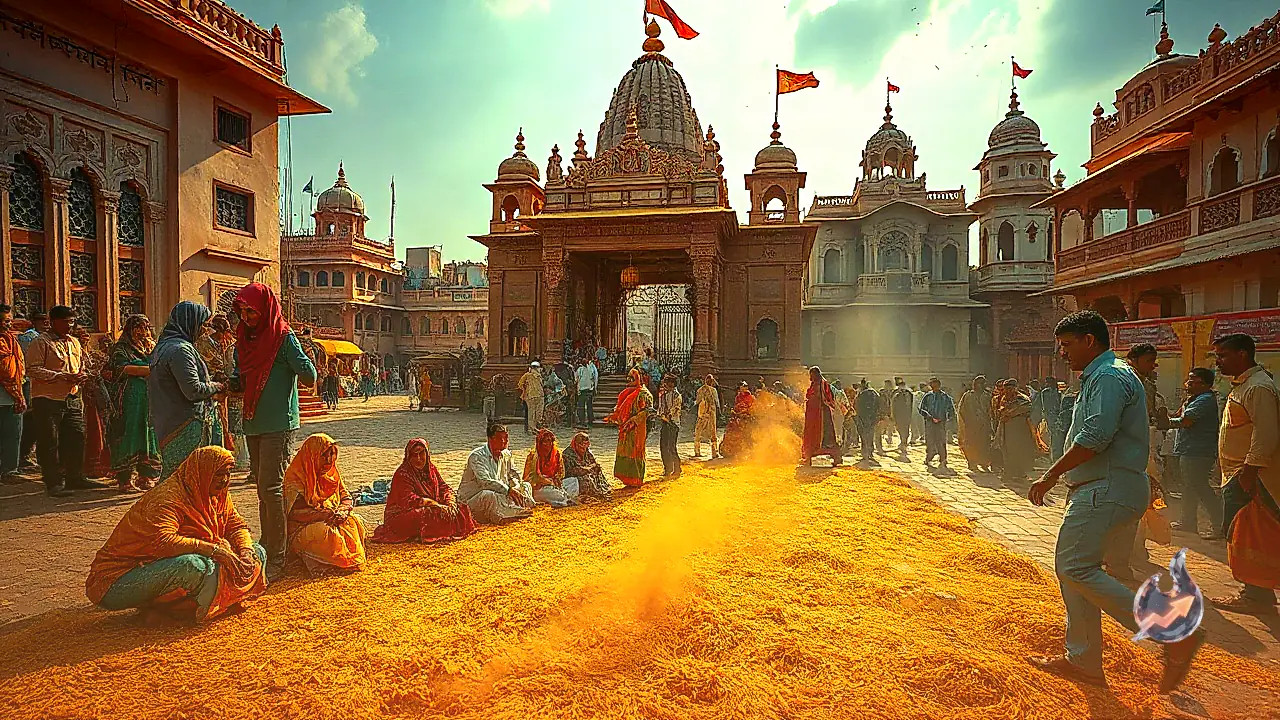
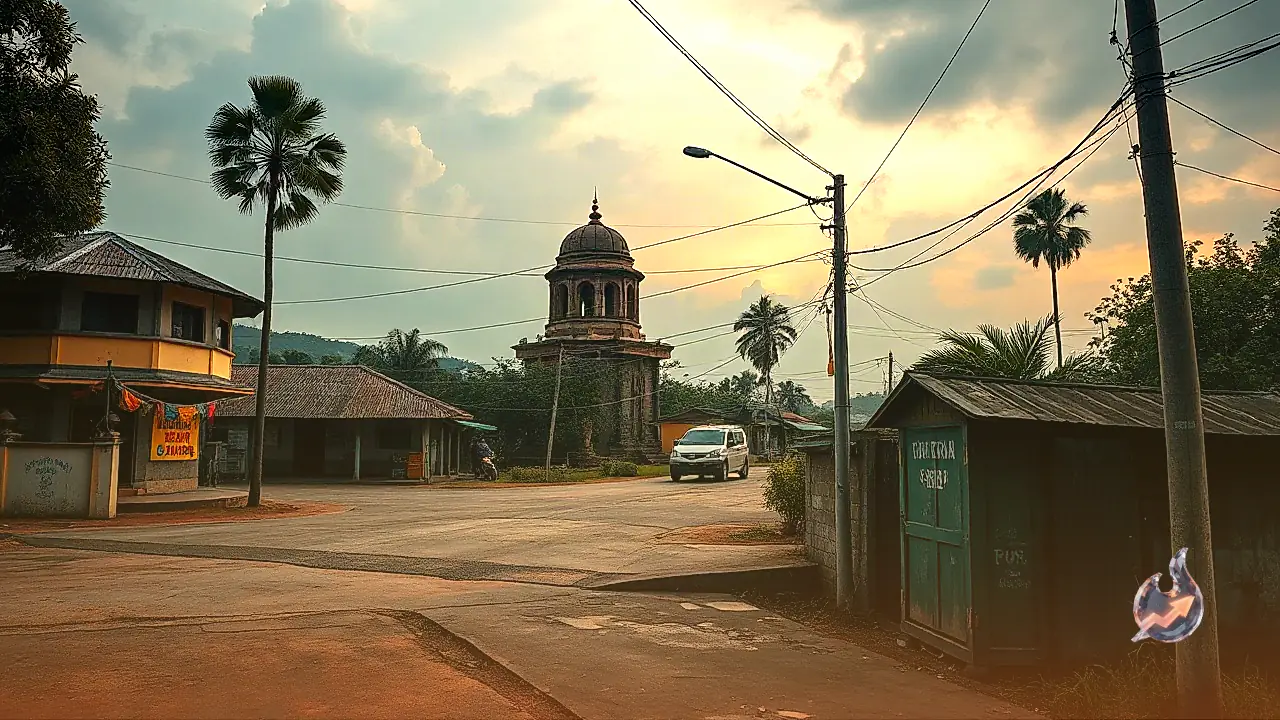
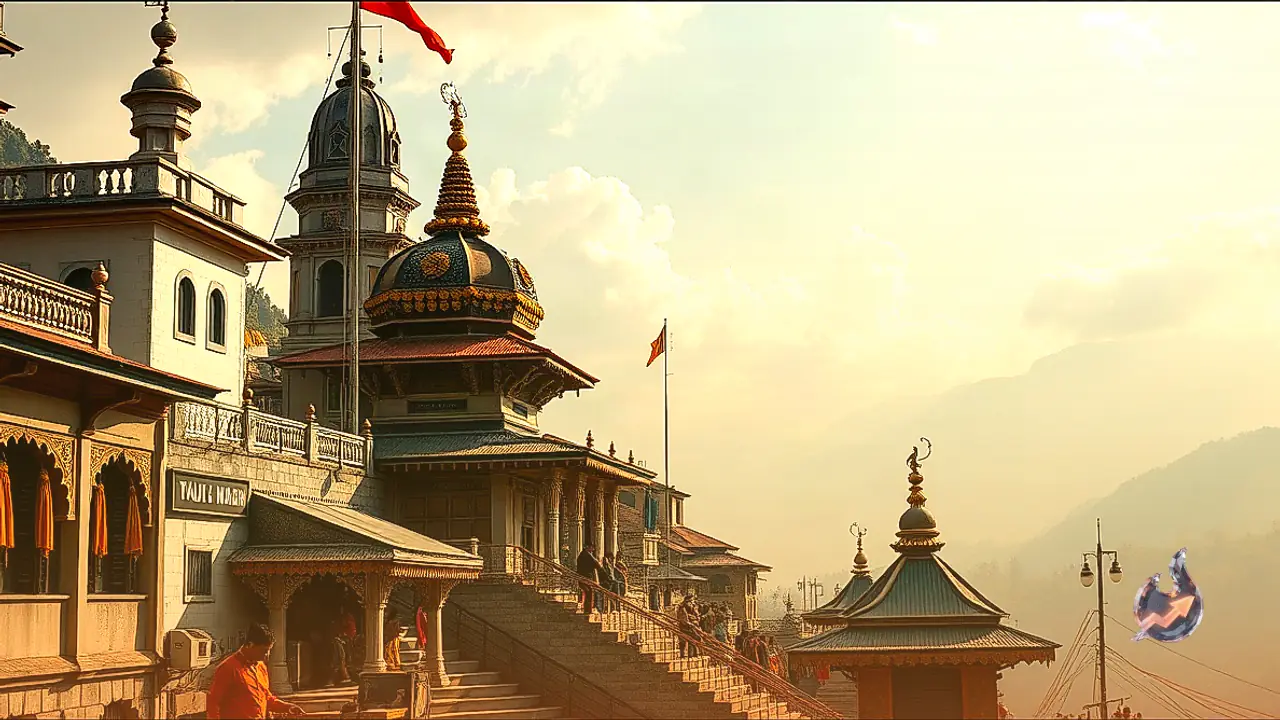

















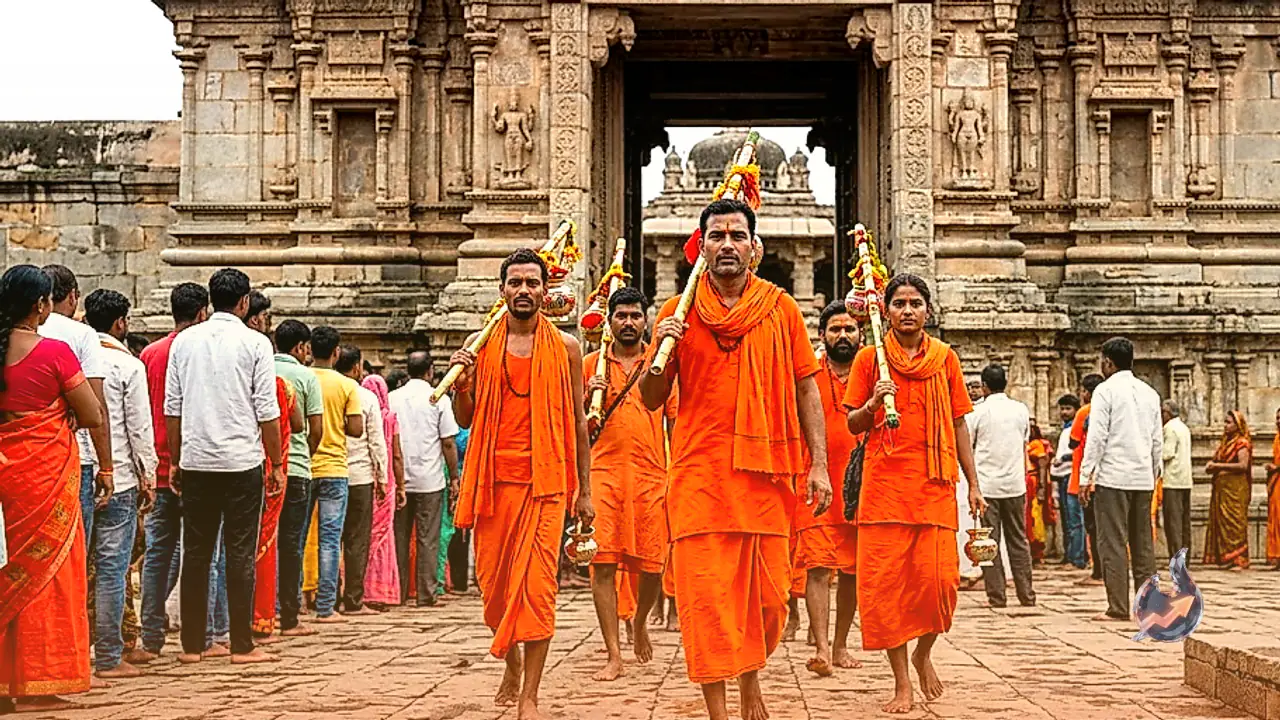

With the arrival of the holy month of Sawan, religious enthusiasm reaches its peak across Sambhal district in Uttar Pradesh. Prominent Shiva temples throughout the region, known for their deep mythological roots and rich historical heritage, are witnessing massive gatherings of worshippers. On auspicious occasions such as Sawan Mondays and Mahashivratri, Kanwariyas and local devotees line up in long queues to perform sacred rituals including Jalabhishekar and Rudrabhishekar. Located in different parts of Sambhal, these revered shrines represent not only the deep-seated faith of the local populace but also serve as key attractions for spiritual seekers and researchers from across India. Throughout Sawan, the entire region reverberates with devotional chants of 'Har Har Mahadev' and 'Jai Shiv Shambhu'.
Shri Kshemnath Temple: The Central Hub of Devotion in Sambhal
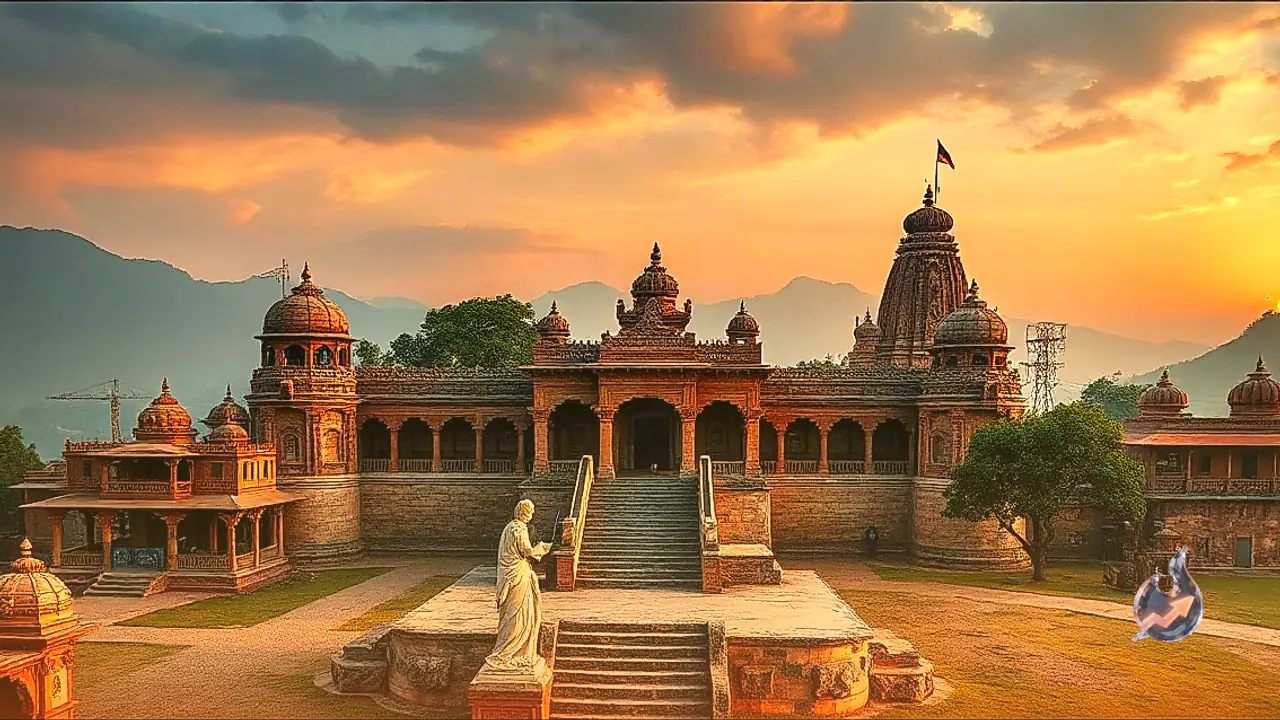
Shri Kshemnath Temple in Sambhal is an ancient and historic religious site dedicated to Lord Shiva. Considered one of the most prominent Shiva shrines in the region, it has held the unwavering faith of millions of devotees over generations. According to local religious beliefs, Lord Kshemnath protects his worshippers from all adversities and grants every sincere prayer. Consequently, devotees travel not only from within Sambhal but also from several neighboring districts to offer prayers.
During the entire month of Sawan, and particularly on Sawan Mondays and Mahashivratri, grand religious events are organized on the temple premises. These occasions feature special worship sessions, Rudrabhishekar ceremonies, continuous devotional singing (bhajan-kirtan), and elaborate decorations (shringar) of the deity. The temple complex remains packed with worshippers throughout these festivities, creating a deeply spiritual atmosphere. Devotees believe that offering water (Jalabhishekar) to Lord Kshemnath removes life obstacles, ensures family peace, and brings prosperity. The serene environment offers a profound sense of mental tranquility to all who visit, making Shri Kshemnath Temple a vital component of Sambhal's cultural identity.
Kartikeya Mahadev Temple in Khaggu Sarai: Renewed Attraction After 2024 Reopening
Situated in the Khaggu Sarai locality of Sambhal, the historic Kartikeya Mahadev Temple is another deeply revered ancient shrine dedicated to Lord Shiva. Having remained closed for an extended historical period, the temple doors were officially reopened to the public in 2024. Following the reopening, regular daily morning and evening prayers and rituals were reinstated.
The reopening brought immense joy to local devotees who had waited years for the opportunity to perform rituals at the shrine. Subsequent celebrations during Mahashivratri and Sawan witnessed large turnouts of worshippers performing Jalabhishekar. Local traditions hold that worshipping the ancient Shivling at this site brings happiness, harmony, and prosperity to families. On Sawan Mondays, long queues form early in the morning, solidifying the temple's status as a major historical and spiritual landmark in Sambhal.
Siddhapeeth Shri Pataleshwar Mahadev Temple: The Unique Broom Offering Tradition
Located along the Sambhal-Bahjoi road in Saraitarin, the ancient Siddhapeeth Shri Pataleshwar Mahadev Temple is renowned as a miraculous seat of Lord Shiva. Local folklore suggests the temple is centuries old and houses a self-manifested (Swayambhu) Shivling. Devotees believe that performing sincere worship and Jalabhishekar here relieves individuals from severe personal crises and hardships.
A distinctive feature of this shrine is its unique customary tradition. Alongside standard offerings of water, milk, and belpatra, devotees offer brooms to Lord Shiva. This custom symbolizes the removal of negative energies, physical ailments, and life troubles. Thousands of pilgrims and Kanwariyas journeying from distant regions visit the temple during Sawan Mondays and Mahashivratri to participate in Rudrabhishekar and seek divine blessings.
Shri Koteshwar and Shri Chandreshwar Mahadev Temples: Continual Streams of Worshippers
The ancient Shri Koteshwar Mahadev Temple, situated in the Kot Purvi region of Sambhal, sees crowds gathering from the very first day of Sawan for Rudrabhishekar and Jalabhishekar. Special religious rituals take place daily throughout the month, drawing early morning crowds into the temple courtyard.
Similarly, the Shri Chandreshwar Mahadev Temple holds great significance for local Shiva devotees. Large numbers of worshippers gather on Sawan Mondays and weekdays to pay homage to Lord Chandreshwar Mahadev, with daily prayers creating a vibrant devotional atmosphere across the neighborhood.
Shri Krishneshwar Nath Mahadev Surajkund Temple: Fair-like Festivities in Bareilly Sarai
The Shri Krishneshwar Nath Mahadev Surajkund Temple, located in Bareilly Sarai, holds immense historical, cultural, and religious importance. Situated near the historic Surajkund pond, the site is deeply connected to Sambhal's ancient heritage, where pilgrims have gathered for generations for holy baths and prayers.
During Sawan, special prayers at the Surajkund Temple create a vibrant, fair-like festive atmosphere across the surrounding area. Local belief holds that worshipping at this sacred site grants good health, prosperity, and the fulfillment of personal desires, attracting families and visitors throughout the festival period.
Shri Kalki Vishnu Temple: Prophesied Avatar and Historical Significance
Beyond its revered Shiva shrines, Sambhal is internationally recognized for its ancient temple dedicated to Shri Kalki, the prophesied tenth and final avatar of Lord Vishnu. The Shri Kalki Vishnu Temple in Sambhal is one of the rare temples in the country built in honor of this future incarnation. According to Hindu scriptures and traditions, Lord Vishnu will manifest as Shri Kalki in Sambhal at the end of Kaliyug to eliminate unrighteousness and restore dharma.
This legendary belief imparts extraordinary religious and historical importance to the temple. While pilgrims visit throughout the year, footfall increases significantly during Sawan and major festivals. The temple's unique spiritual aura and historical narrative attract researchers, tourists, and devotees from across India and abroad, reinforcing Sambhal's standing as a major pillar of Indian cultural heritage.