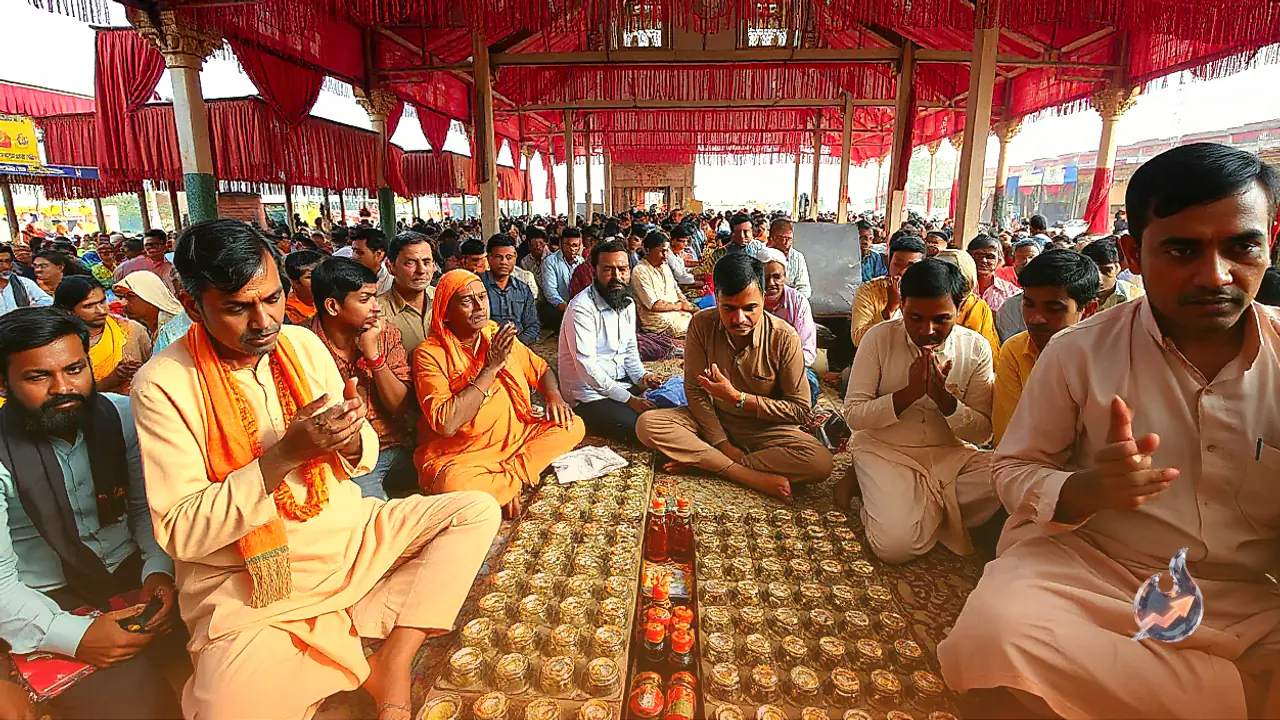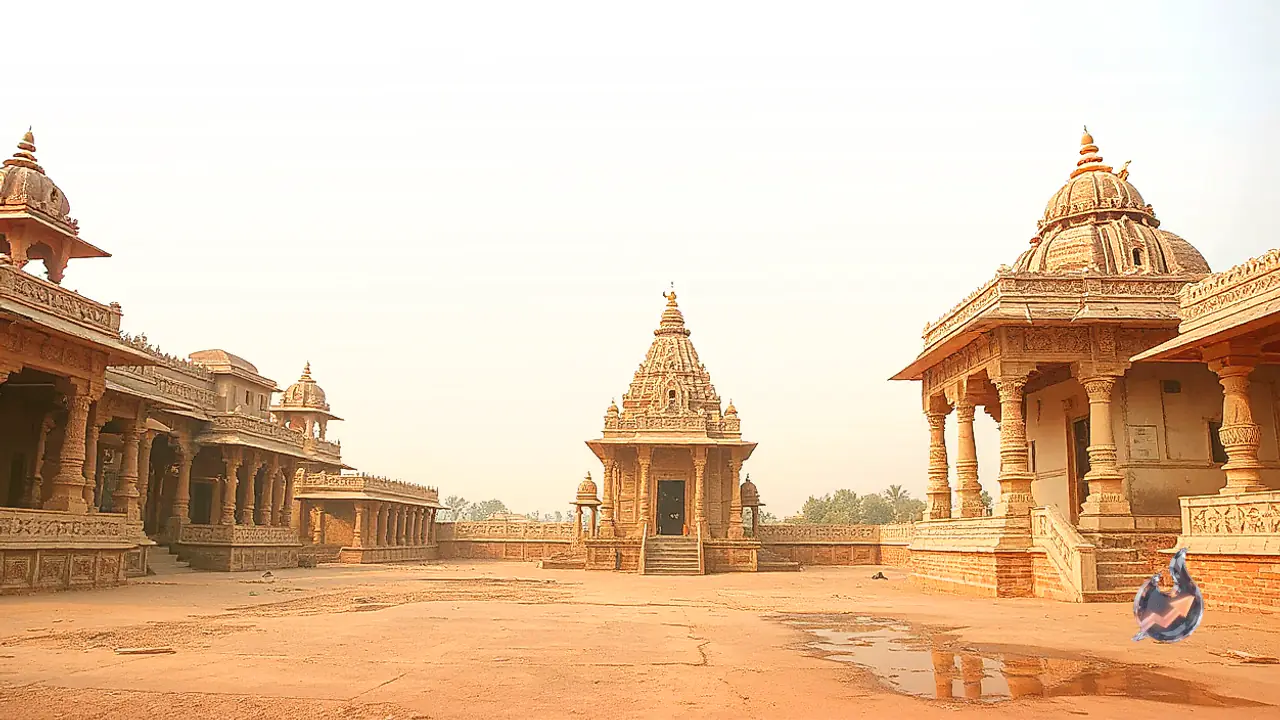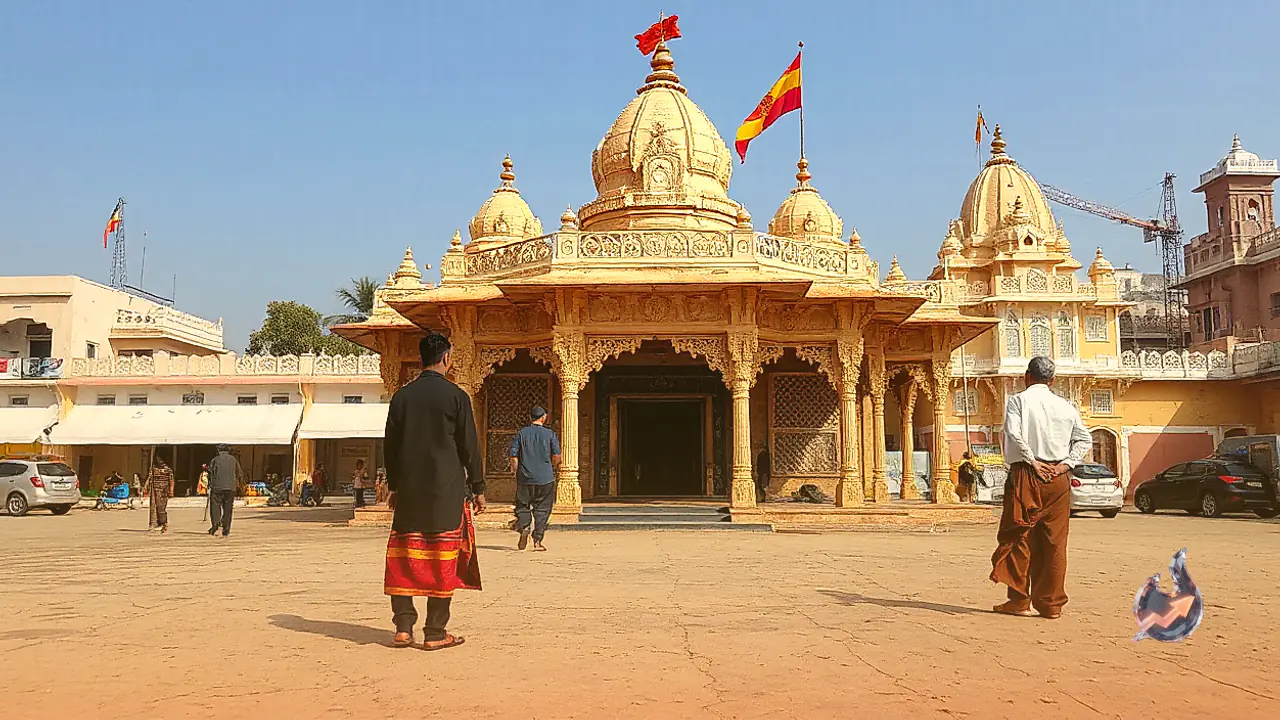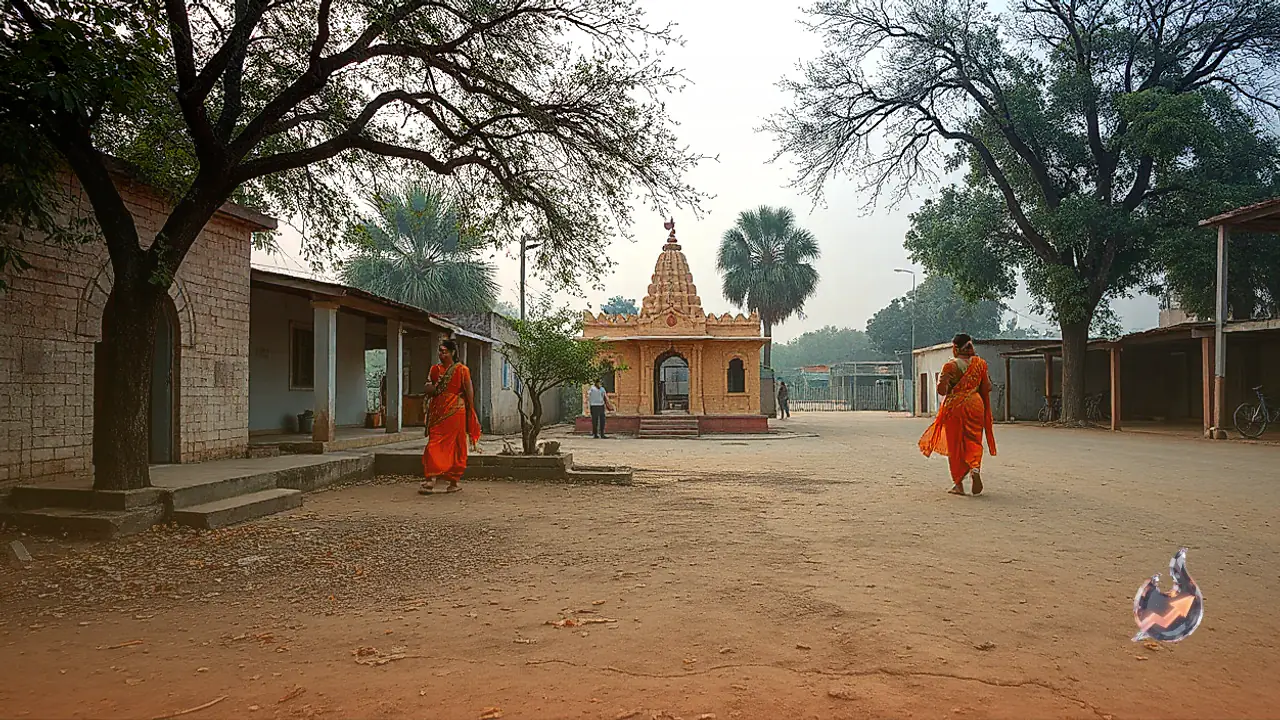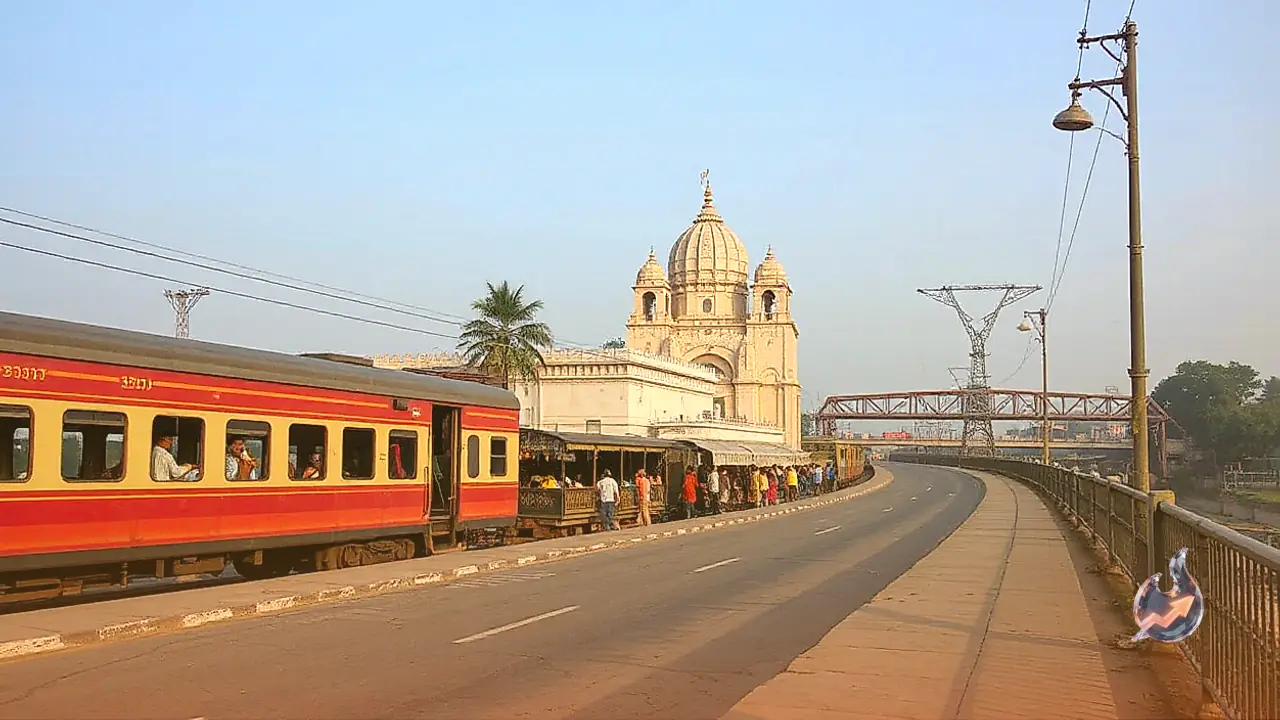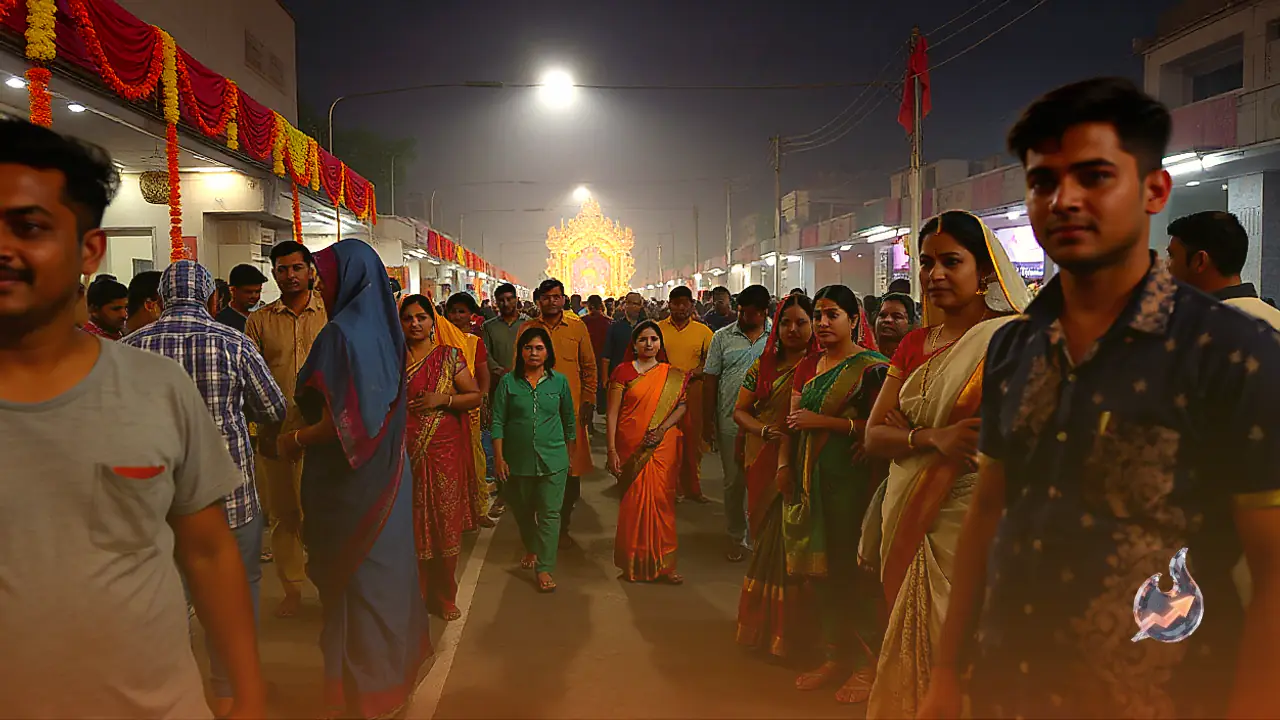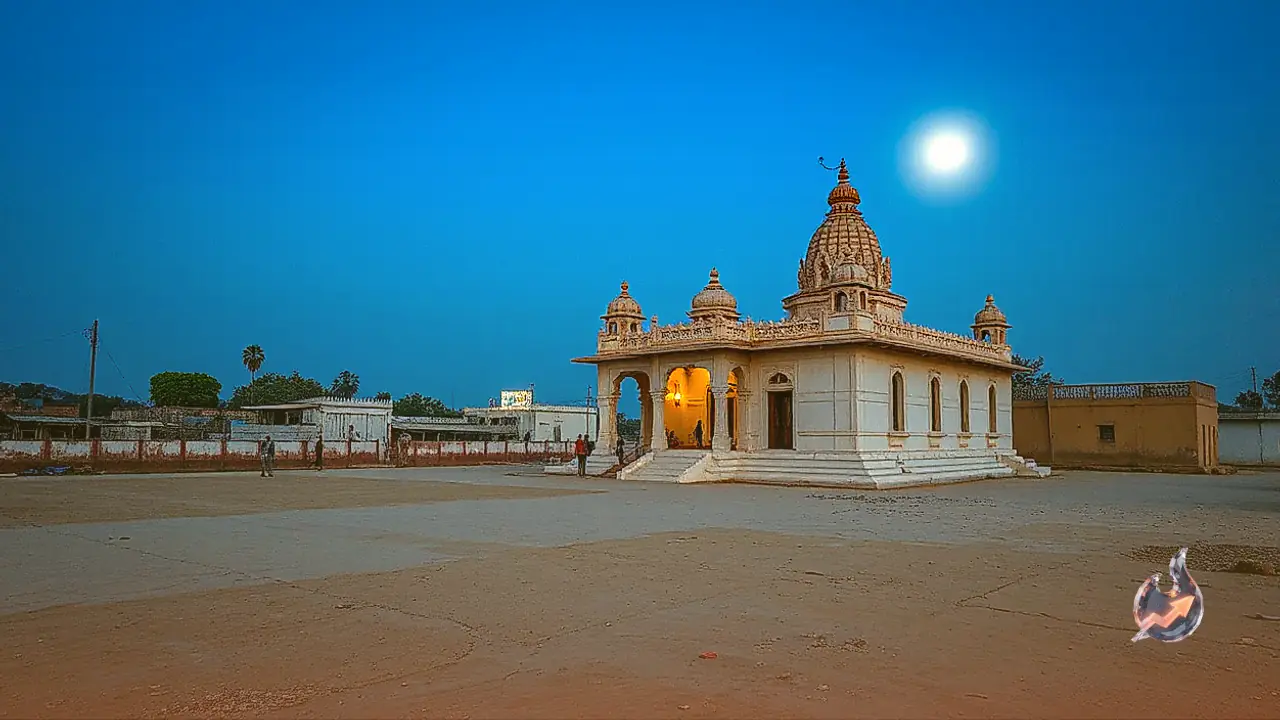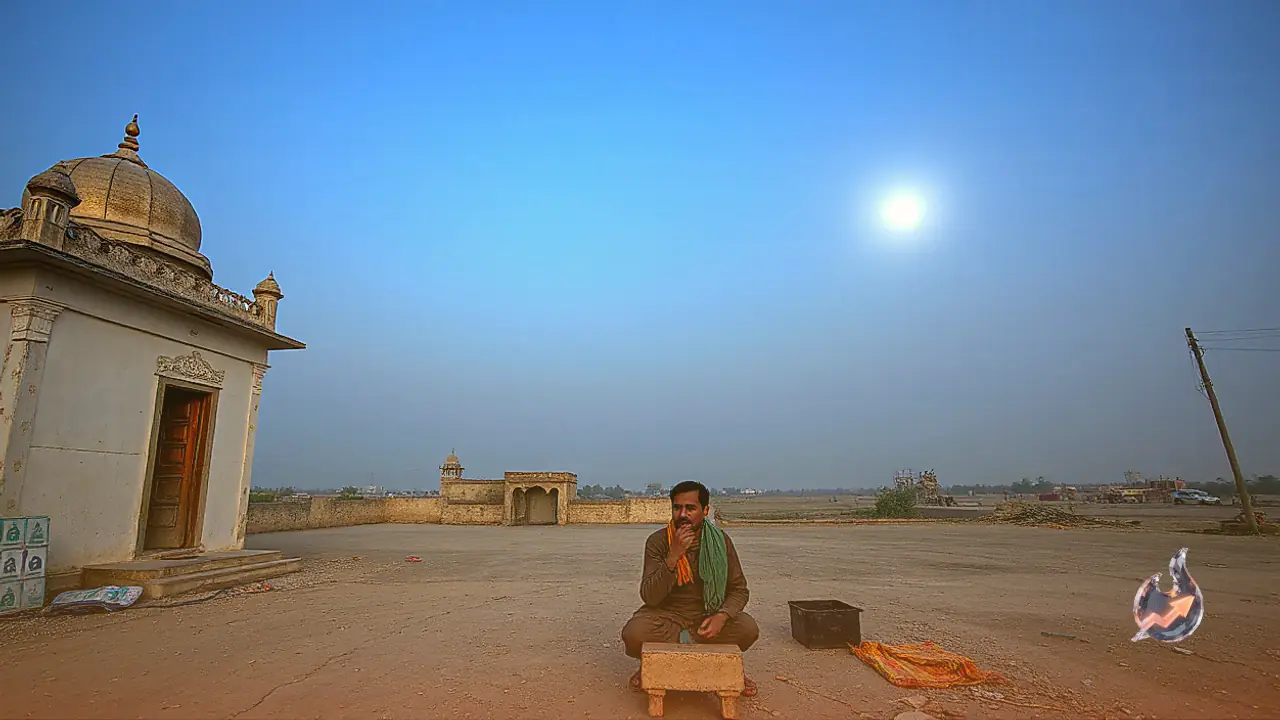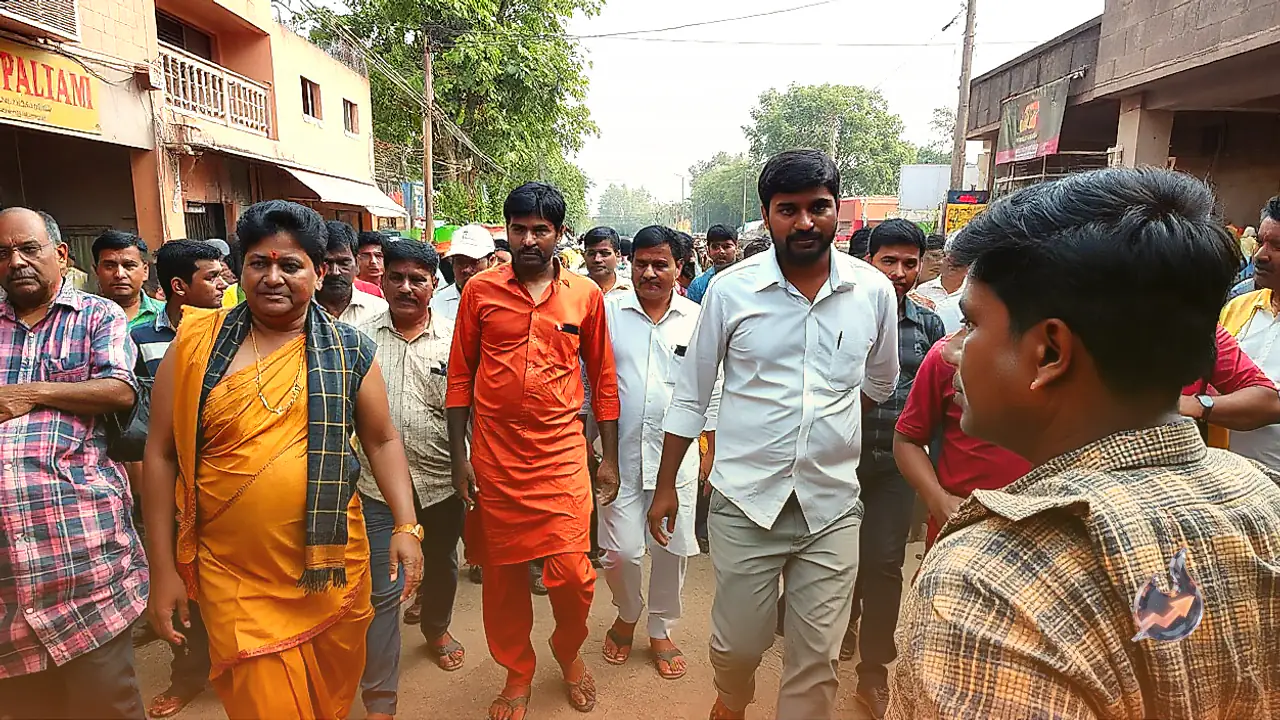














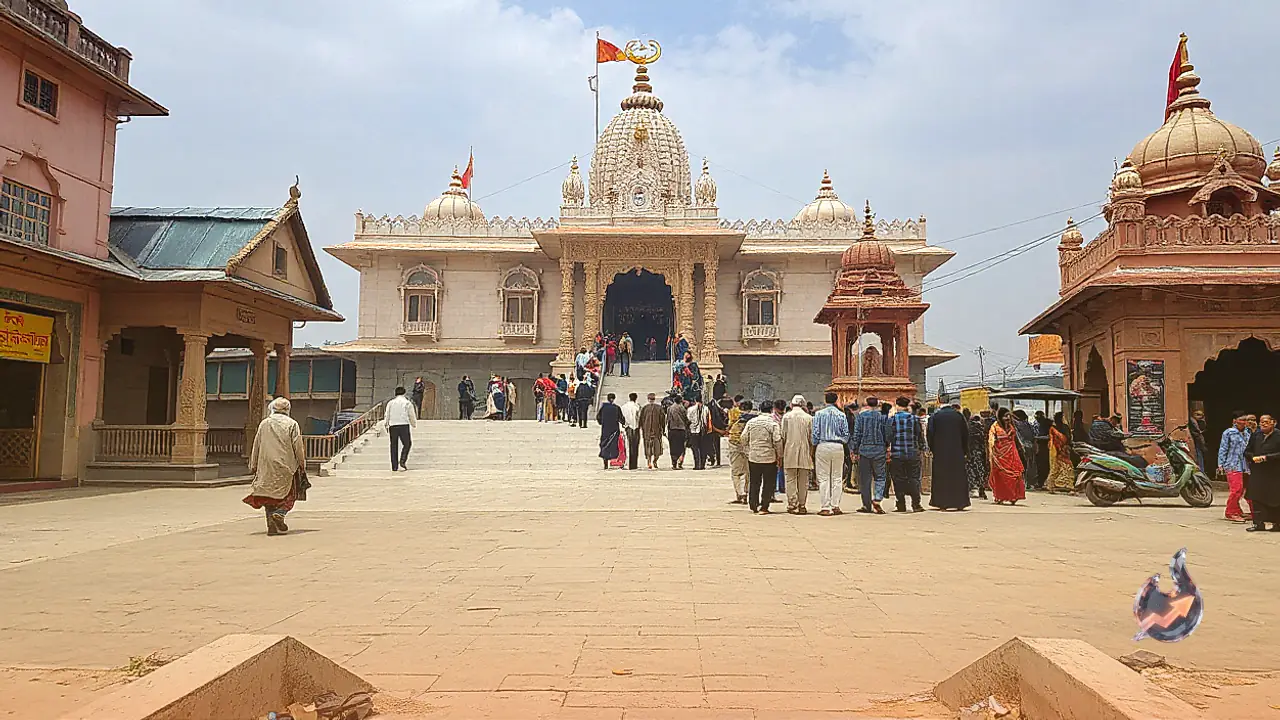

The historic town of Mandi in Himachal Pradesh has transformed into a vibrant center of devotion as the auspicious month of Sawan begins. Situated along the pristine banks of the Beas River, the town's prominent shrines are drawing large crowds of worshippers from early morning. Devotees are thronging well-known temples including Baba Bhootnath, Neelkanth Mahadev, Mahamrityunjaya Temple, and Panchvaktra Temple to offer their ritual prayers.
Continuous chanting at Ekadash Rudra Temple
A continuous recitation of Om Namo Shivaya has commenced at the ancient Ekadash Rudra Mahadev Temple located right on the sacred banks of the Beas River. This uninterrupted chanting continues day and night throughout the entire holy month, drawing spiritual seekers to participate in the sacred observances.
The religious significance of Choti Kashi
The district holds immense importance from political, cultural, and spiritual perspectives within Himachal Pradesh. Home to nearly eighty small and large shrines, the region is widely celebrated by the moniker Choti Kashi. Both the international Shivratri festival and the month-long Sawan celebrations are observed here with immense zeal and festive joy. Hindu traditions ascribe profound significance to this holy period, which is believed to be deeply favored by Lord Shiva.
The unique Mahamrityunjaya shrine
Among the sacred sites of this holy city, the ancient Mahamrityunjaya Temple stands out for a remarkable phenomenon. Here, Lord Shiva is enshrined in a unique black-colored deity form seated on a lotus posture that changes its facial expressions five times a day. This remains the only such temple dedicated to Lord Shiva across the entire Asian continent, featuring a captivating black stone sculpture.
The origin story of Baba Bhootnath
Local history dictates that the establishment of Mandi town itself followed the construction of the Baba Bhootnath Temple. Legend notes that a Brahman's cow would regularly visit a specific forest spot to shed its milk. One day, the then-ruler Raja Ajbar Sen followed the cow alongside the Brahman and witnessed the miracle of the animal performing ritual ablutions with its milk over the sacred pindi of Baba Bhootnath. Moved by this divine sight, the king commissioned the construction of the temple.