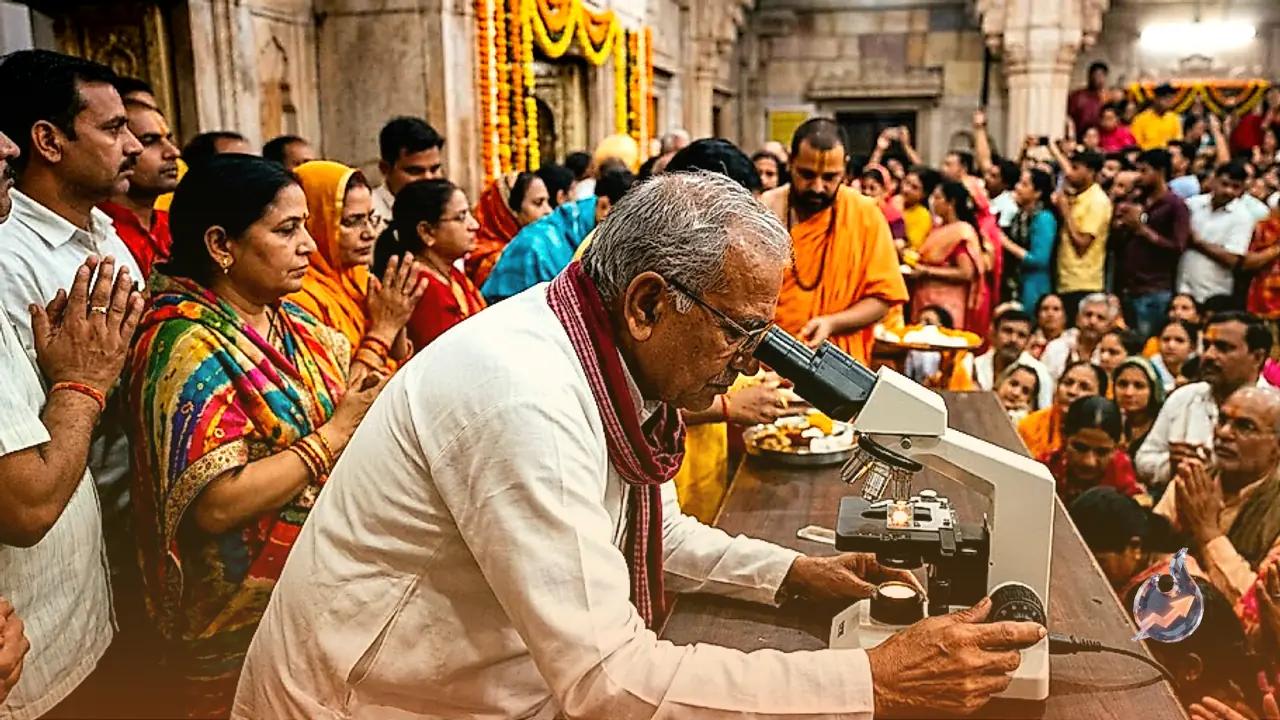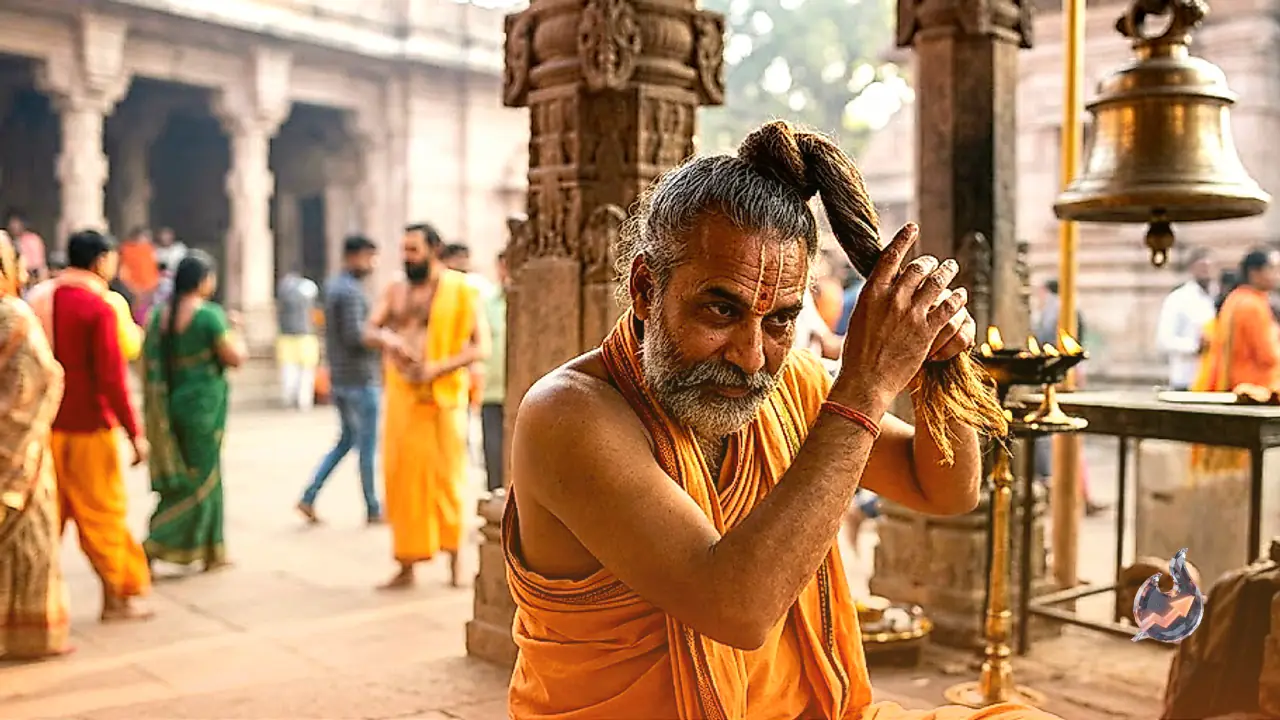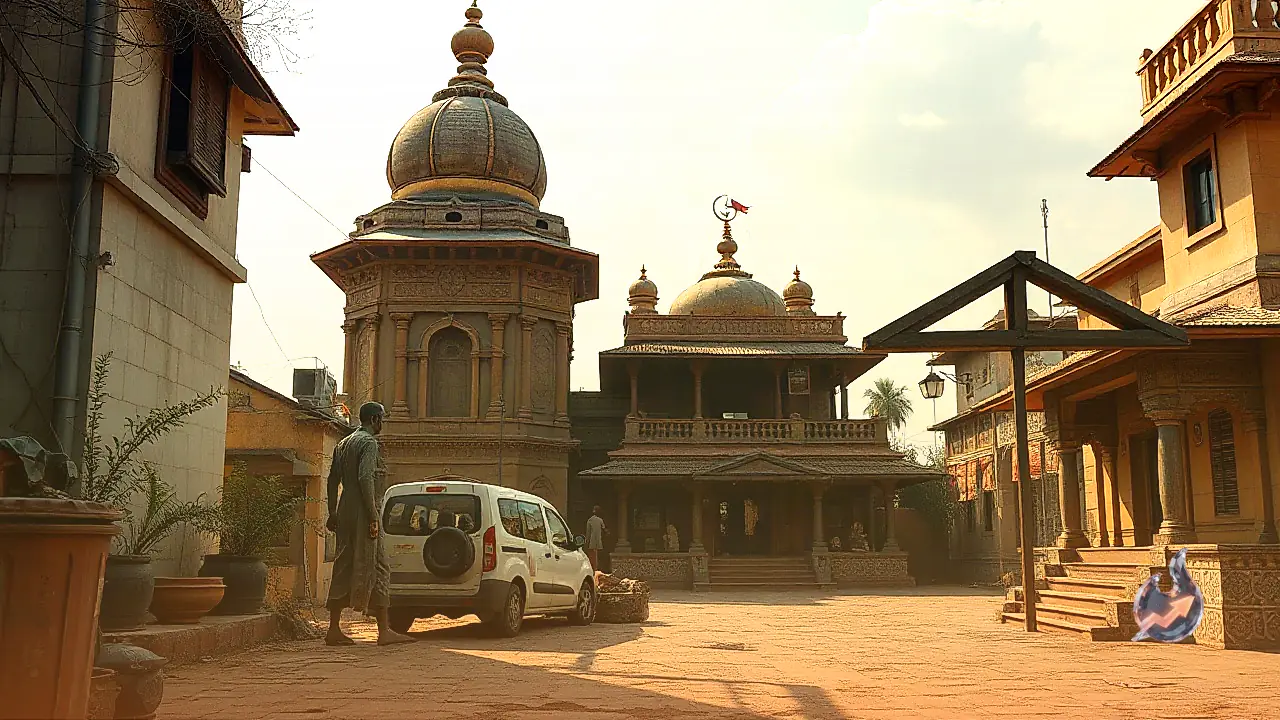























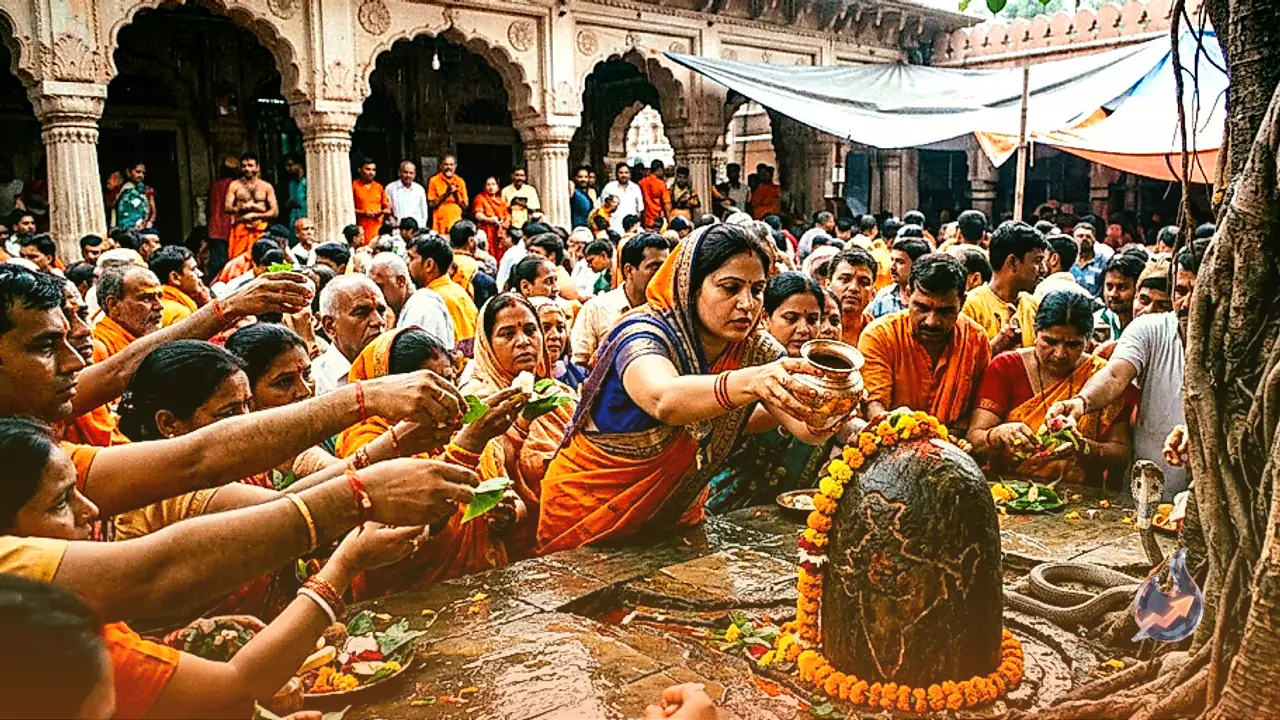

During the sacred month of Sawan, a deep atmosphere of devotion to Lord Shiva fills the air as temples across the region witness long queues of worshippers from early morning until late at night. Among these revered sites, the Sankat Mochan Jaleshwar Mahadev Temple located in Govindpuram, Ghaziabad, has emerged as a major center of spiritual attraction. The temple is widely renowned for its unique traditions, natural Shivling, ecological messages regarding water conservation, and legends surrounding an ancient Pipal tree. Thousands of devotees are gathering here daily during Sawan to seek blessings for peace, good health, and family prosperity.
History of the Shrine from a Sacred Tree
The establishment of this revered temple holds a meaningful history. According to the temple priest, Pandit Omprakash Shastri, there was originally only a large, ancient Pipal tree standing at this site several years ago. Beneath the shade of that historic tree sat a statue of Lord Hanuman, where local residents used to offer prayers. Over time, as devotion grew, a grand temple complex was constructed through collective efforts, and it was named Sankat Mochan Jaleshwar Mahadev Temple. Since Lord Shiva is worshipped in Hindu tradition as the deity of water, the title Jaleshwar was bestowed upon the shrine. Uniquely, visitors to this temple do not merely pray for individual well-being; they also offer collective prayers for relief from the declining groundwater table and the growing water crisis. In this way, the temple inspires the public to respect nature and preserve precious water resources.
The Sacred Serpent Pair and the Tradition of First Offering
The most fascinating legend associated with the temple centers around the historic Pipal tree standing in the premises. According to long-held beliefs, a pair of male and female serpents has resided within this ancient tree for many years. Bound by this faith, devotees observe a strict ritual sequence every day. Before offering water and milk at the central Shivling, worshippers first pour their offerings at the base of the Pipal tree. Local residents and visitors firmly believe that the sacred serpent pair descends from the tree twice a day to visit the Shivling inside the sanctum sanctorum before returning to their arboreal dwelling. Because of this persistent belief, the tree receives immense reverence from everyone entering the complex.
Natural Impressions of Undivided India and Om on the Shivling
Another extraordinary feature of the temple is the natural Shivling installed in the sanctum sanctorum. Devotees point out that the surface of the Shivling naturally displays the distinct shape of undivided India, known as Akhand Bharat, along with the sacred Om symbol. These formations were not sculpted by any human artisan or craftsman; rather, they are believed to have appeared naturally over time. This rare phenomenon makes the Shivling a focus of wonder and intense devotion, drawing visitors who spend quiet moments observing the natural sacred outlines carved upon the stone.
Faith of Childless Couples and Worshippers Across Neighboring Districts
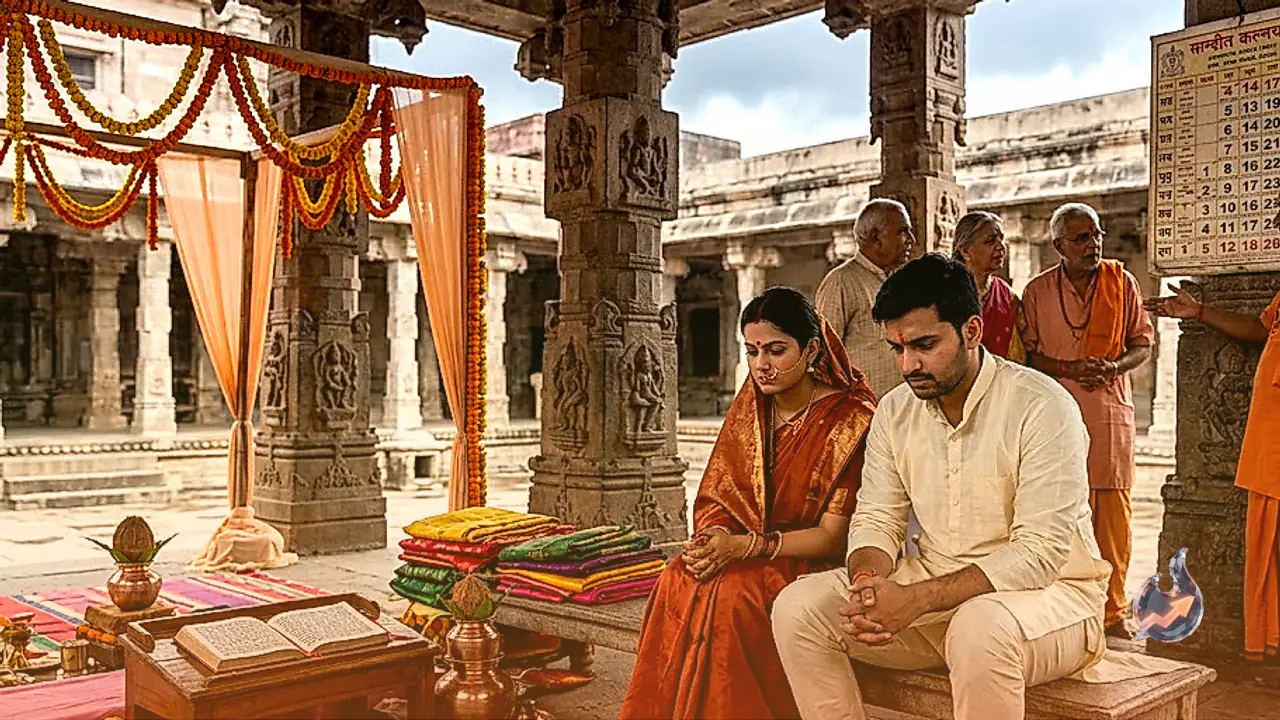
The Sankat Mochan Jaleshwar Mahadev Temple also holds special significance for childless couples. It is widely believed that couples seeking the joy of parenthood who worship Lord Jaleshwar Mahadev with sincere devotion during Sawan receive divine blessings that fulfill their desires. Consequently, numerous couples travel to the temple throughout the holy month to participate in special prayers and seek divine grace. Beyond the local population of Ghaziabad, large numbers of pilgrims travel from surrounding NCR districts, including Delhi, Noida, Hapur, and Meerut. Throughout Sawan, the temple stands as a vibrant hub of faith, environmental consciousness, and traditional Sanatan values.