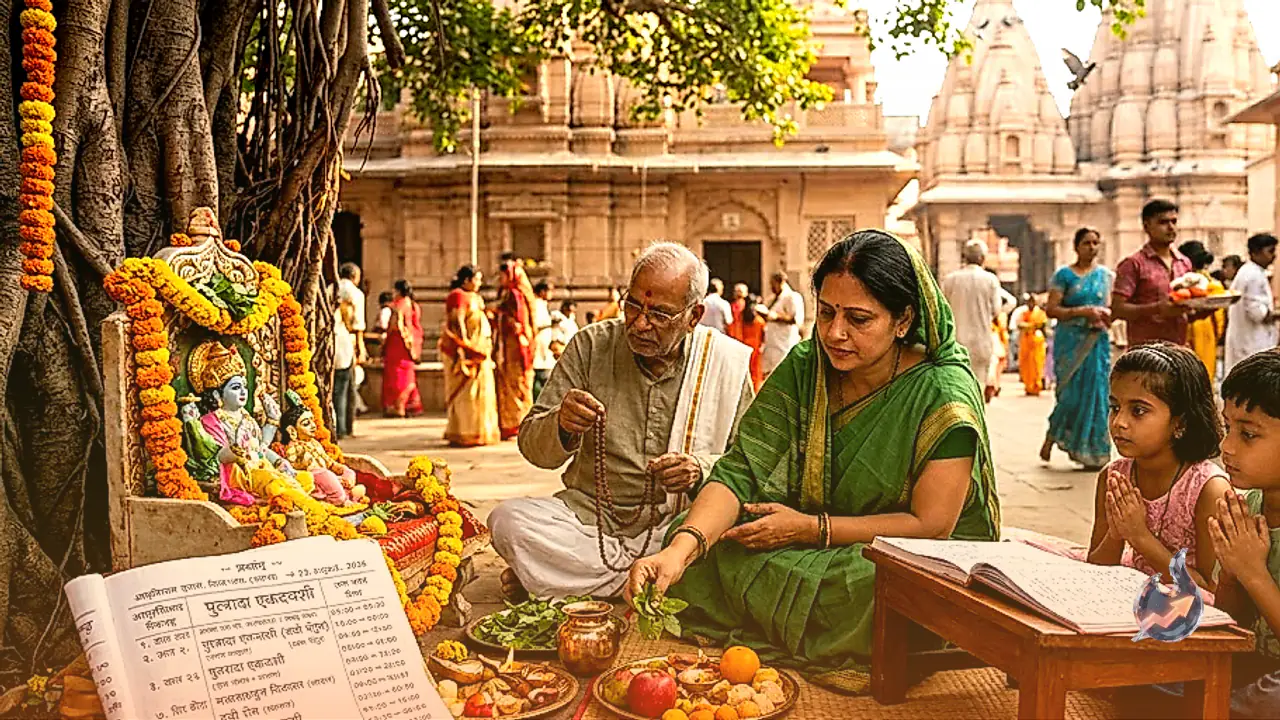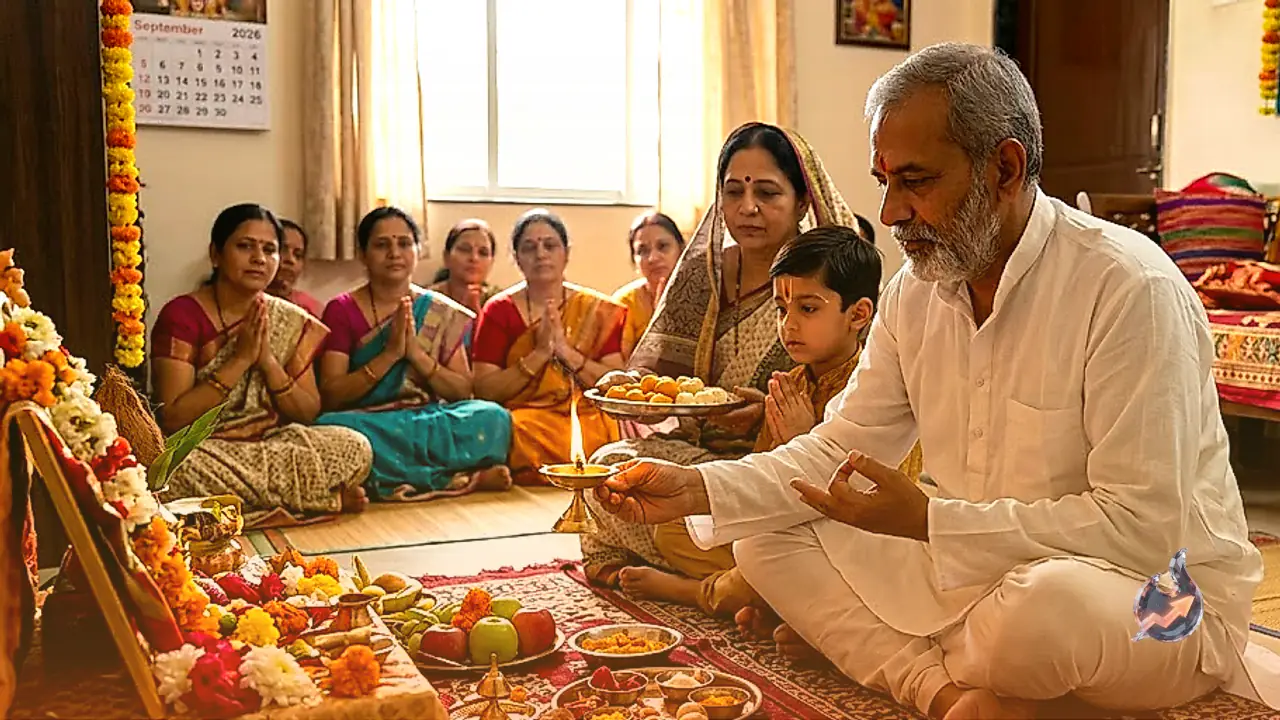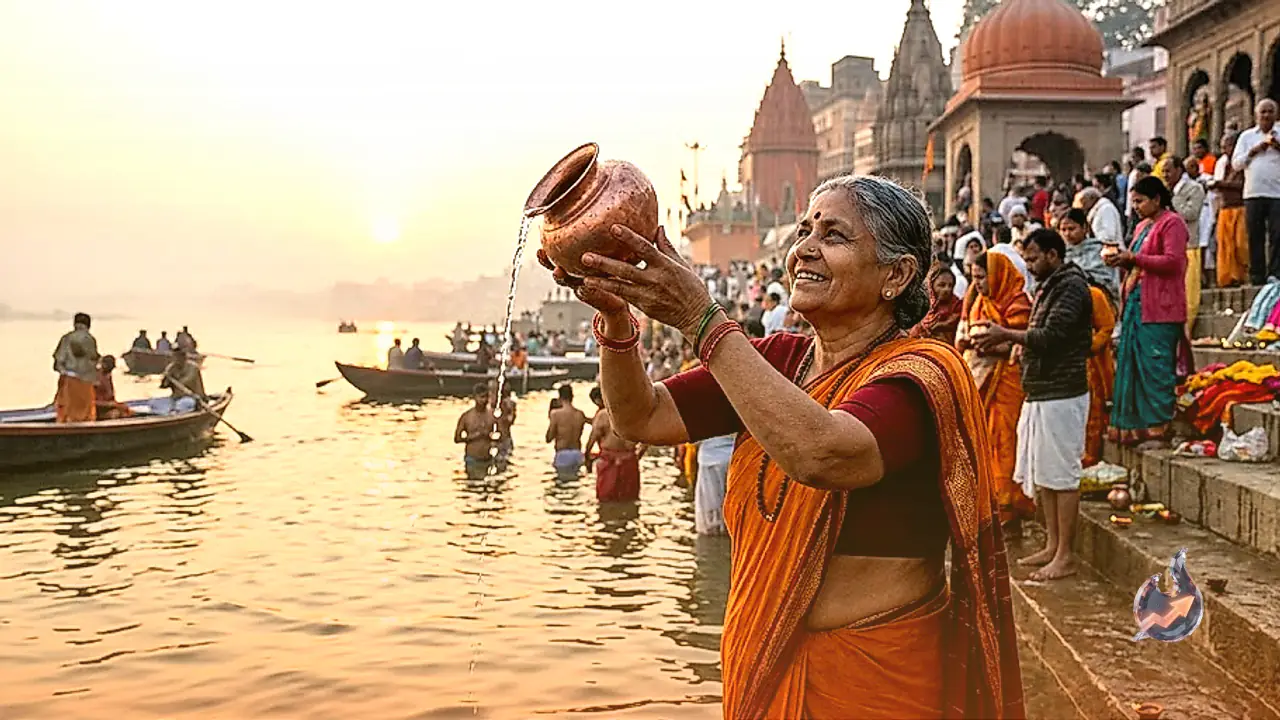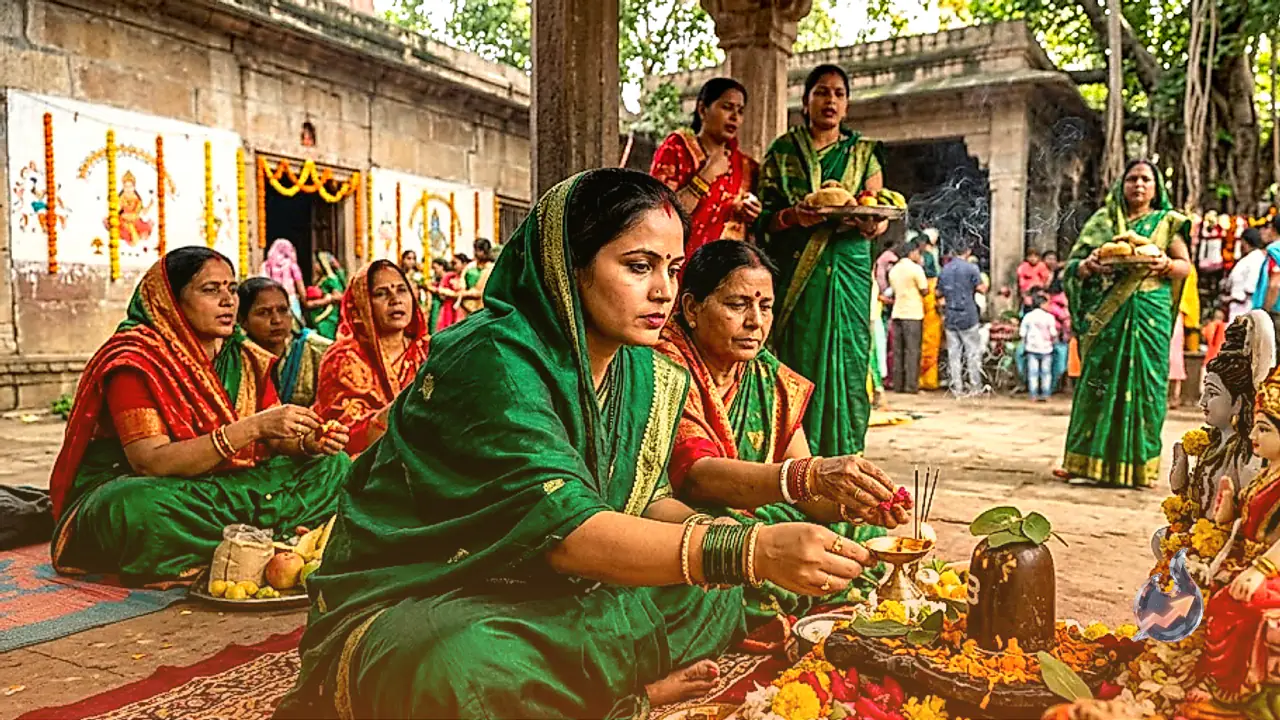




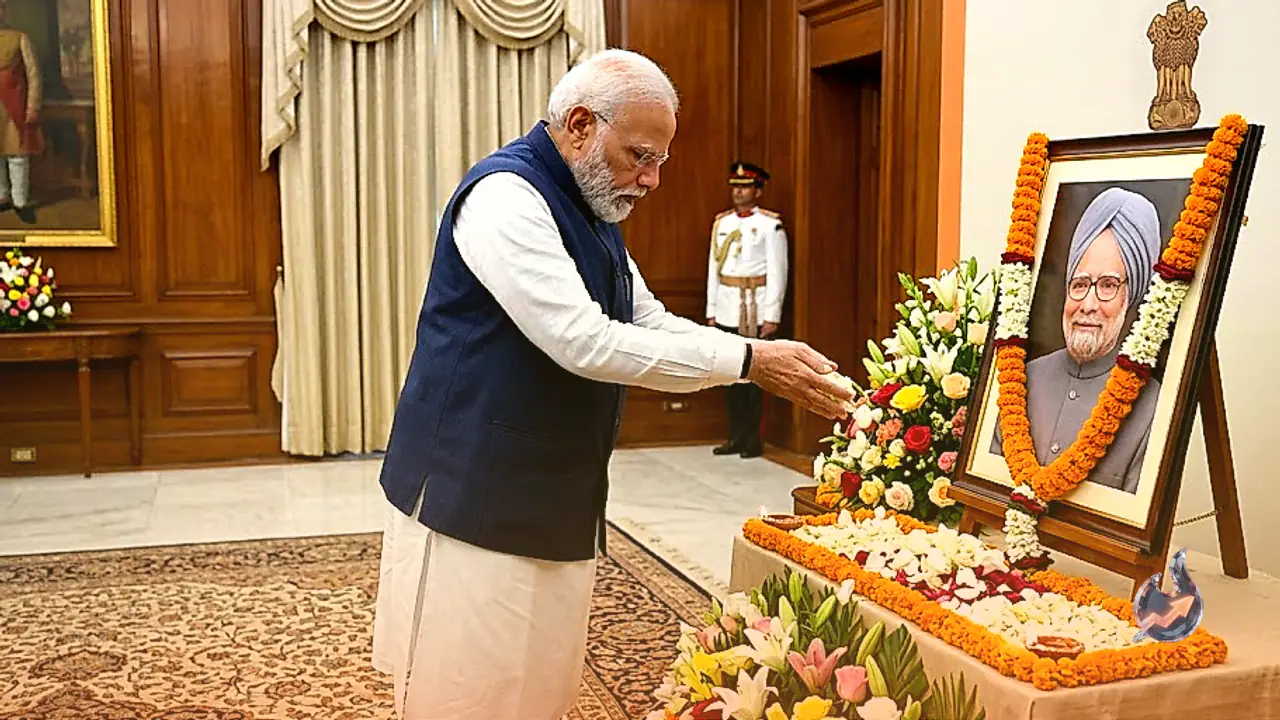


















In Hindu tradition, Pitru Paksha holds profound spiritual significance as a dedicated period to honor and express gratitude to departed ancestors. It is believed that during these sacred fifteen days, the souls of our ancestors descend to earth to accept offerings and blessings from their descendants. Performing rituals like Tarpan, Pind Daan, and Shraddha with devotion is said to appease the ancestors, bringing peace to their souls and capturing their divine blessings for the family's prosperity. For individuals facing the adverse effects of Pitru Dosha in their astrological charts, these rituals offer a powerful means of relief and spiritual resolution. In the year 2026, the first Shraddha of Pitru Paksha, known as Pratipada Shraddha, will fall on September 27. If you are preparing to perform these sacred rites for your ancestors, it is essential to understand and strictly follow specific traditional rules to ensure your offerings are received with divine favor.
Avoid Haircutting, Shaving, and Trimming Nails
Maintaining physical and spiritual discipline is central to the observance of Pitru Paksha. Throughout this entire period, traditional guidelines strictly forbid activities such as cutting hair, shaving, or trimming fingernails and toenails. These acts of personal grooming are considered inappropriate during a time meant for mourning, reflection, and spiritual connection. This rule applies with utmost stringency to the specific individual in the family who is actively performing the Shraddha and Tarpan rituals. Adhering to these restrictions helps maintain a state of simplicity and focus during the ritualistic days.
Maintain Absolute Cleanliness and De-clutter the Home
If you plan to conduct the ancestral rituals within your home, ensuring pristine cleanliness is of vital importance. The exact area designated for performing Tarpan and Shraddha must be thoroughly cleaned, purified, and kept free from any impurities. It is highly recommended to sprinkle holy water, like Ganga Jal, to sanctify the space. Before the rituals begin, inspect your household and discard any broken items, non-functional appliances, or general clutter that has accumulated. A cluttered and chaotic environment is believed to harbor negative energy, which can hinder the peaceful reception of ancestral spirits.
Observe the Correct Direction and Timing for Rituals
Timing and orientation play a decisive role in the efficacy of ancestral offerings. According to sacred scriptures, the afternoon is designated as the most auspicious period of the day to perform Shraddha. Specifically, the periods known as Kutup Kaal, Rohina, and Apahran Kaal are considered highly favorable hours for these rituals. When offering Tarpan water to the ancestors, one must always face the southern direction. In Hindu theology, the south is recognized as the quadrant of Yama and the dwelling realm of the ancestors, making this alignment essential for the prayers to reach them.
The Importance of Offering Panchabali Bhog
A core ritual of the Shraddha ceremony is the preparation and offering of Panchabali Bhog before any family member consumes the food. This practice involves setting aside five distinct portions of the prepared meal for five specific living beings and divine entities. The portions are dedicated sequentially to cows, dogs, crows, divine beings, and ants. Serving food to these five representatives is a symbolic way of satisfying all elements of nature and the cosmos. Traditional beliefs state that through these symbolic channels, the ancestors directly receive nourishment and express their deep satisfaction.
Dietary Regulations and General Restrictive Guidelines
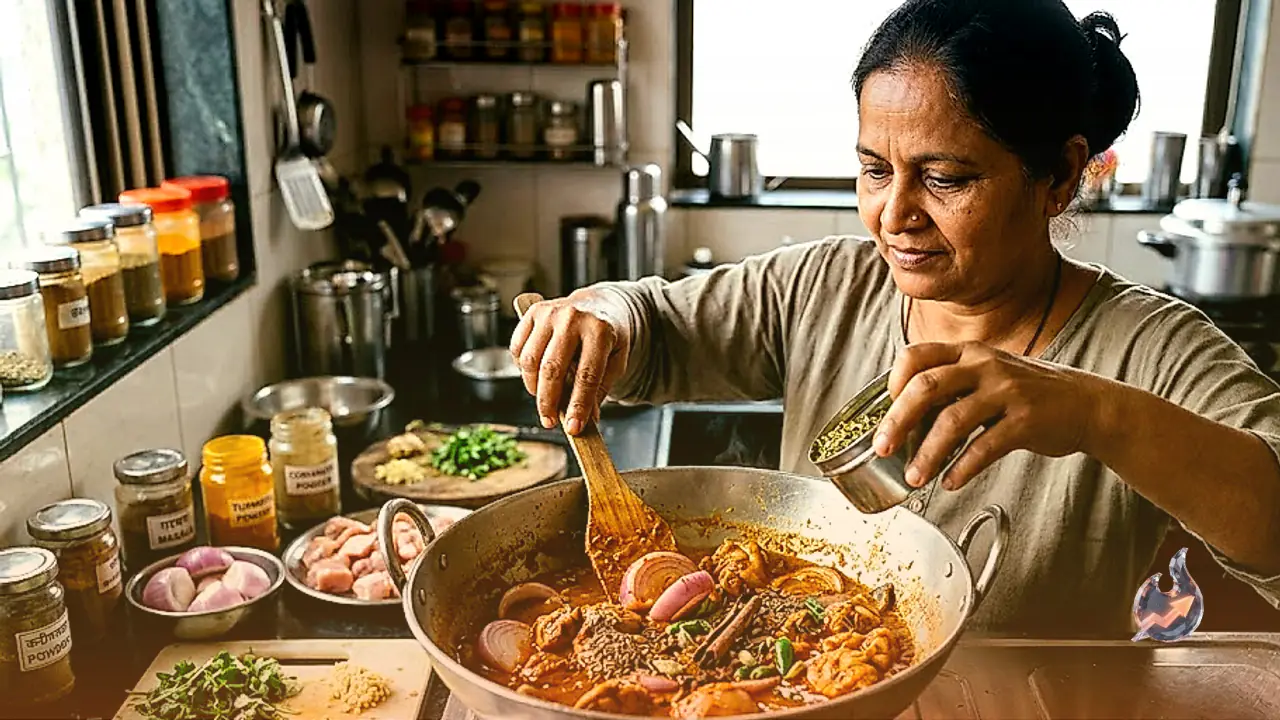
Dietary discipline and behavioral conduct are subject to strict rules during Pitru Paksha. Any food prepared in the household during this time must be strictly vegetarian and Satvik in nature. The use of onions, garlic, and other pungent or heating ingredients is entirely prohibited, as is the consumption of any intoxicating substances. When preparing the ceremonial meals, families should avoid using utensils made of plastic or iron. Instead, traditional materials like copper, brass, or earthenware should be utilized. Additionally, maintaining a peaceful, harmonious, and positive household environment free from arguments or anger is crucial. Finally, since Pitru Paksha is a period dedicated solely to remembrance and spiritual duty, it is traditionally advised to postpone auspicious activities, such as buying new clothes, purchasing vehicles, or initiating housewarming ceremonies, until the period concludes.